BBC Ditches Commonwealth Day Coverage For First Time in 37 Years ― a ‘Warning Sign’ for the Monarchy?
Due to the ongoing Andrew-Epstein crisis surrounding the Royal Family, experts are calling the BBC cancellation a landmark decline in the monarchy’s popularity.
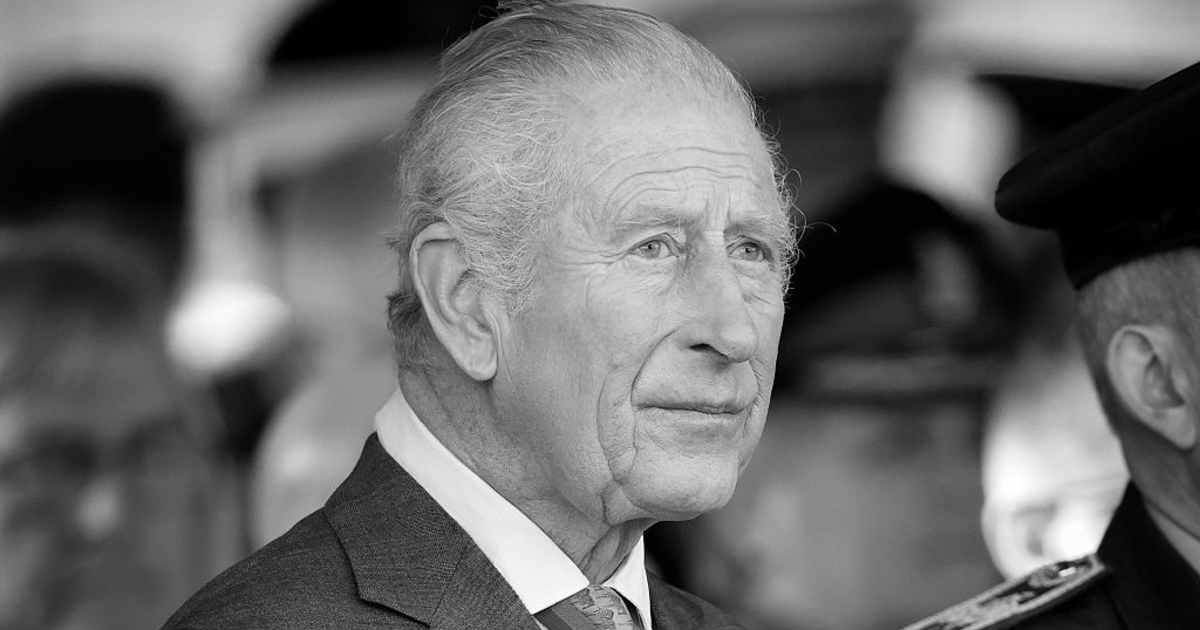


For the first time in nearly 37 years, the Commonwealth Day service at Westminster Abbey — a mainstay of the royal calendar — will not be broadcast live on the BBC. In a decision that has left observers scratching their heads, the national broadcaster has replaced the event with the reality show Escape to the Country. While the shuffling of shows is common in the entertainment industry, given the ongoing crisis surrounding the Royal Family due to Andrew Mountbatten-Windsor, experts are describing this historic shift as a landmark decline in the monarchy’s cultural influence, with one author even issuing a warning sign.
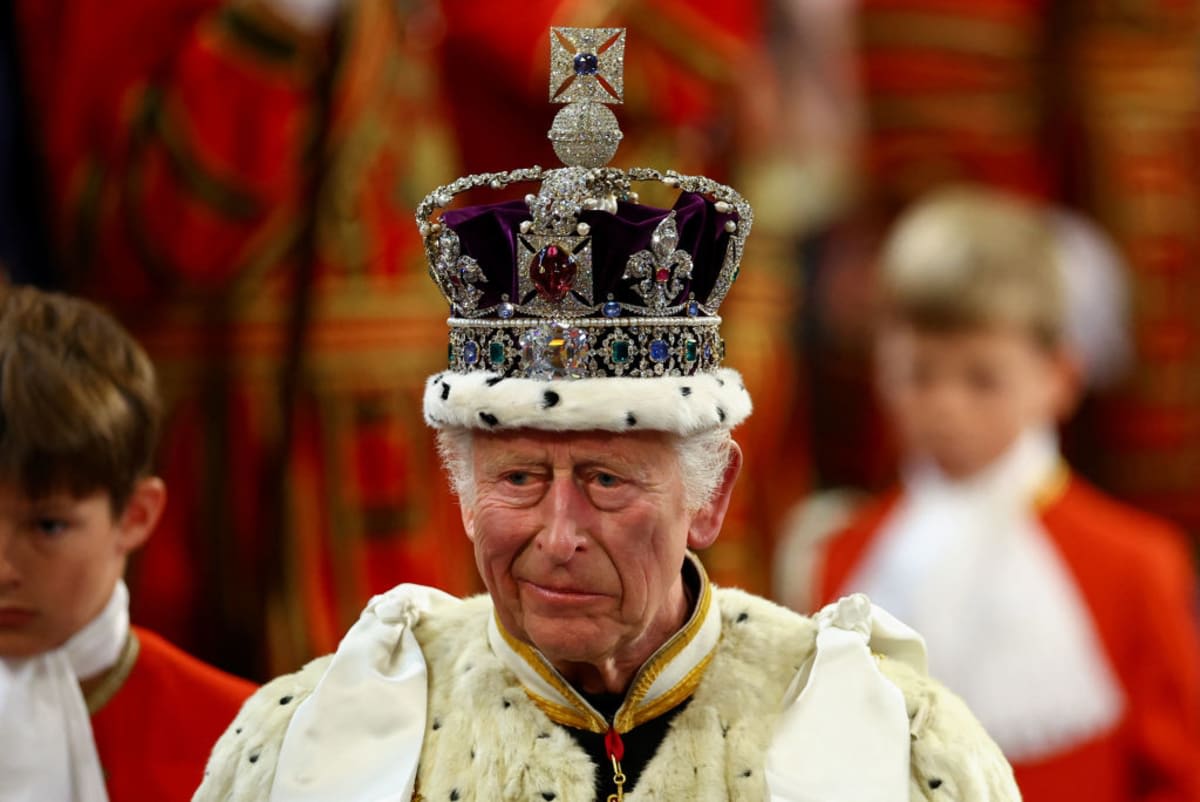
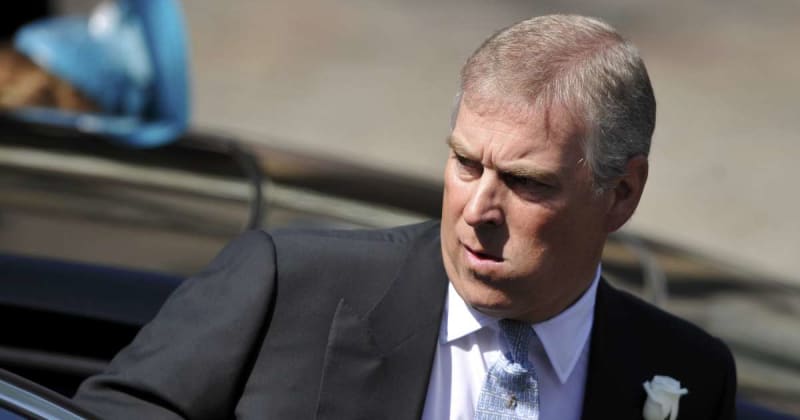
Following the February 19 arrest of the former Duke, the Crown is currently weathering immense media and public scrutiny. As the family remains mired in the aftermath of the Andrew-Epstein scandal, the cancellation of the live broadcast is seen as more than a simple calendar tweak for King Charles. Speaking to The Mirror, royal author and historian Tessa Dunlop suggests the BBC’s move serves as a damning critique of the Royal Family’s dwindling cultural relevance. She explained, “The BBC's dumping of the commonwealth service speaks to establishment slippage - one that incorporates…the BBC, the Royal Family, the Church of England, and the Commonwealth…More specifically, it is a warning sign for the Royal Family that things are not what they were.”
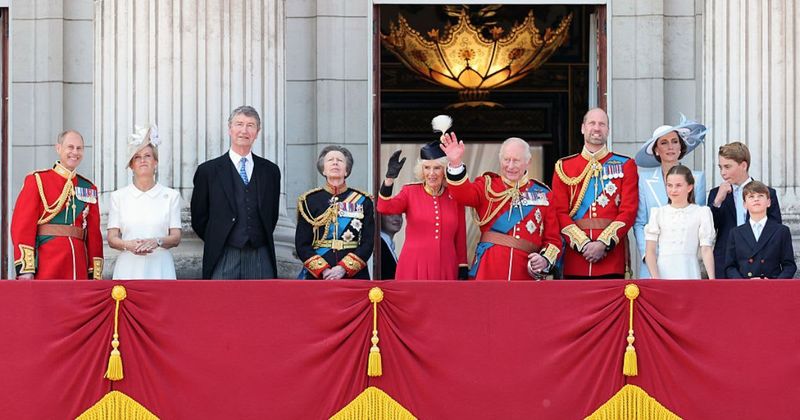
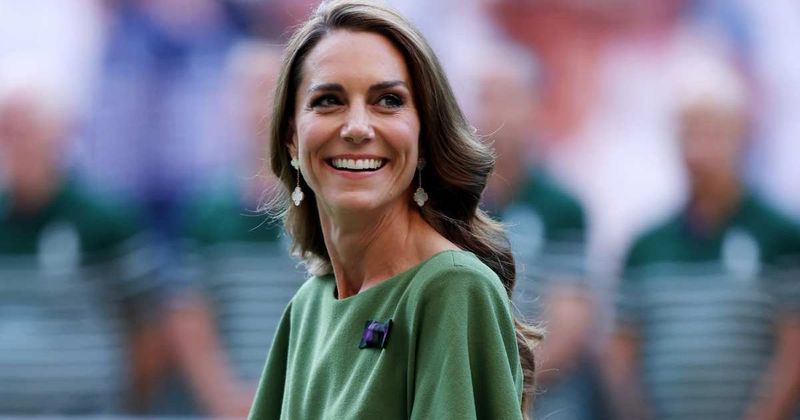
Dunlop also highlighted that the greatest threat to the House of Windsor isn’t a republican uprising, but rather a ‘creeping apathy.’ She observed, “Disgusted by the Andrew hoo-ha and bored by the same-old royal players who never explain, or apologise, the nation's reserve of goodwill gets ever smaller.” This year's service will include King Charles, Queen Camilla, Prince William, Princess Catherine, Princess Anne, and her husband, Sir Timothy Laurence, in attendance. Yet, as per Dunlop, the royal lineup is noticeably thinner as Prince Edward and Princess Sophie are notable absences this year — they are currently in Italy representing the monarchy at the 2026 Paralympic Winter Games.
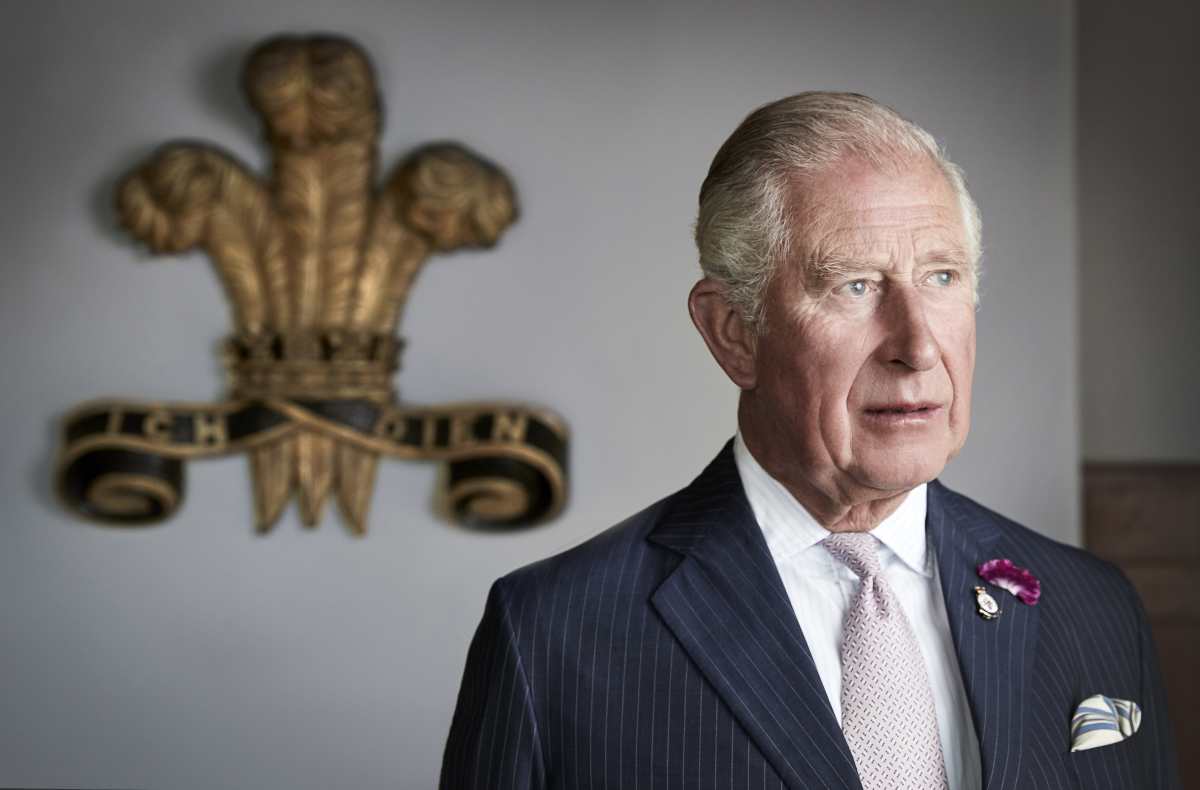
Royal commentator Afua Acheampong-Hagan also chimed in on the conversation, suggesting that the lack of coverage might actually be a calculated move to avoid a PR disaster. “I think it probably speaks to the lack of interest…probably people thinking that this is going to be such a spotlight on the Royal Family, [and] that perhaps it will be embarrassing,” she remarked. But amid backlash, the BBC stated financial constraints as reasons for cancelling the broadcast, with a spokesperson noting, “Our decision not to broadcast the Commonwealth Day ceremony in the same way we've done in previous years reflects the difficult choices we have to make in light of our funding challenges.” Although a live broadcast is off the table, the BBC has stated that the event will still be featured through highlights on its news bulletins and a 24-hour news channel.
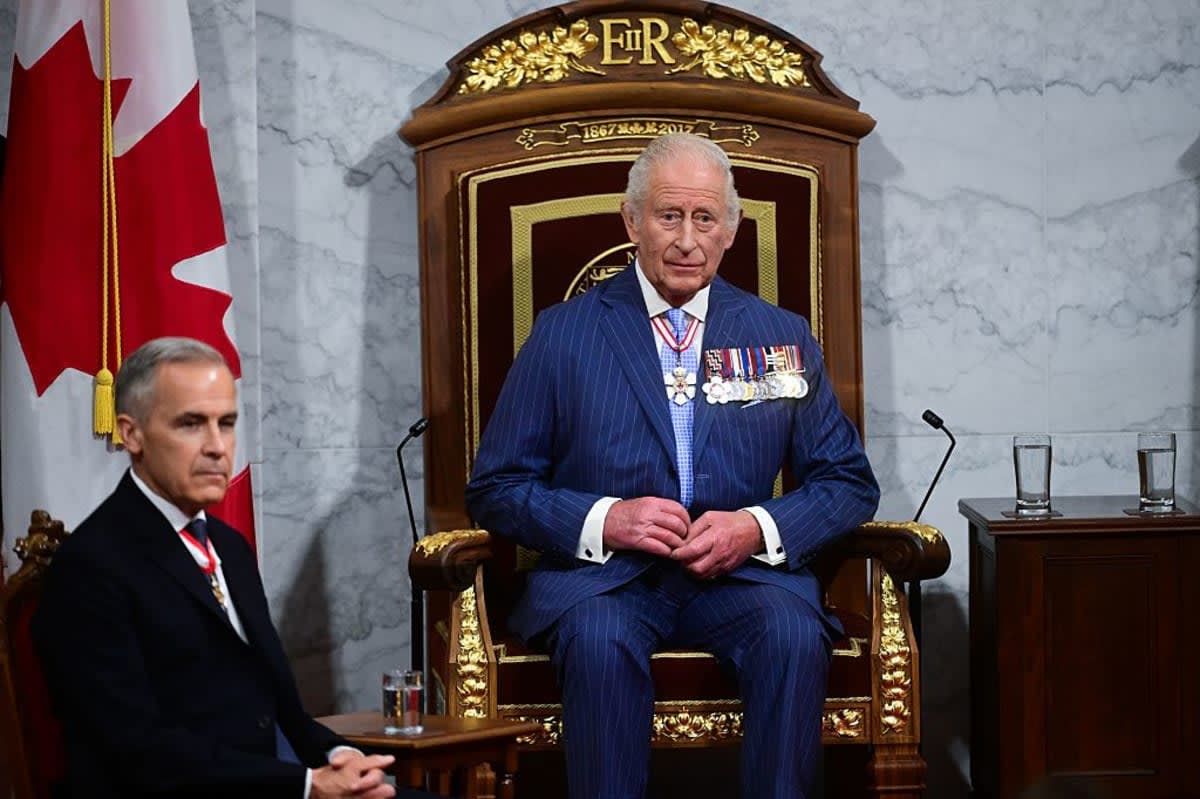
But for PR expert Mayah Riyaz, the damage to the brand is already done, calling the national broadcaster’s decision not to televise the Commonwealth Day Service quite ‘symbolic.’ “When long standing royal traditions stop being broadcasted, it can feed the narrative that public engagement with the Commonwealth itself has softened, especially with the younger audiences who may already feel quite distant from the institution,” Riyaz noted.
![Princess Anne Brings Back Iconic 42-Year-Old Gown as She Attends Centenary Banquet [Watch]](https://d241qoz0w3ggzz.cloudfront.net/808443/uploads/05265010-71f1-11f1-b9e4-adc24ed49b1a_800_420.jpeg)