Prince William’s Tax Bill Finally Revealed After Years of Reluctance ― and It’s Not What You’d Expect
Prince William ends years of financial secrecy by disclosing a massive tax bill that puts him in the top 0.002% of UK taxpayers.
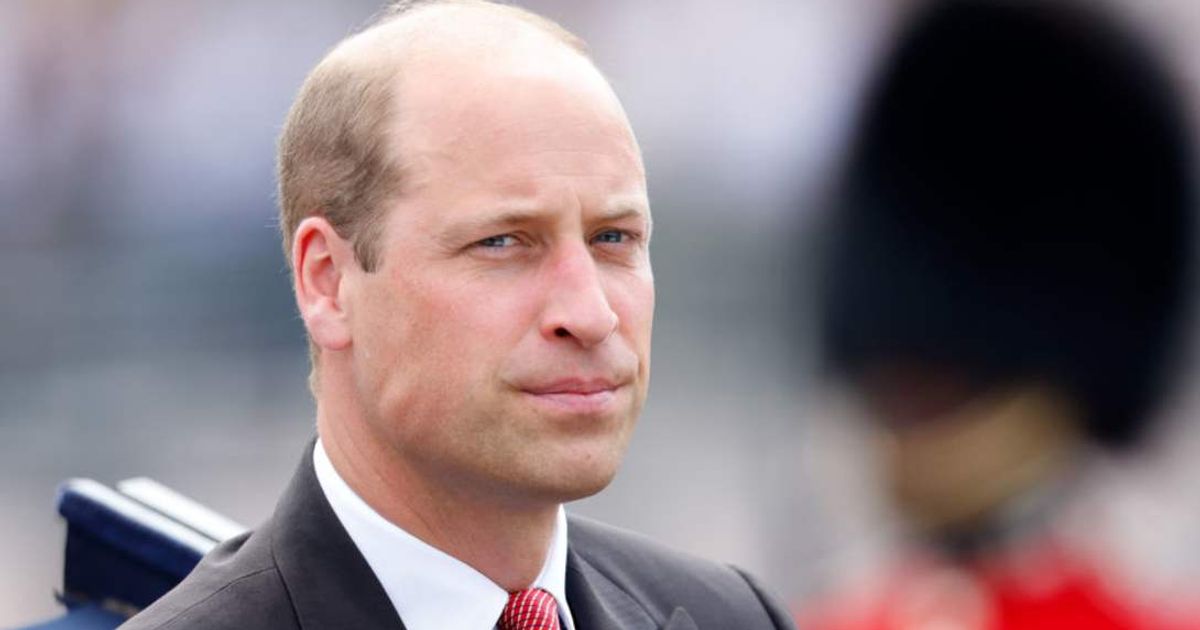


Following years of pushback against transparency demands, citing the privacy rights of a private citizen, new revelations show that Prince William pays as much as $9.5 million in income tax annually. Such a figure places the heir apparent within the top 0.002 per cent of UK taxpayers and highlights a pivot from his earlier stance regarding financial disclosure. While King Charles was famously known for his relative openness during his time as Prince of Wales, William has historically been more guarded about his precise contributions to the Treasury — though now he’s finally embracing a new era of public accountability, particularly after the Andrew-Epstein saga.
Unlike his father, who opted for transparency by declaring an $8 million tax payment on his $31.2 million Duchy earnings in 2021-2022, the heir has spent the early years of his tenure as Duke of Cornwall keeping the books closed. Such resistance has sparked backlash from campaigners — including Graham Smith, CEO of the Anti-monarchy group Republic, who previously stated in a press release that the Royal Family “cost the country more than half a billion pounds a year,” calling it a “blatant abuse of public money and public office.” He continued, “He has refused to disclose his taxes, he demands greater secrecy under the guise of privacy…William is not a man interested in reform, but in protecting his own privilege.”
The pressure reached a boiling point following a Sunday Times investigation that discovered that the Duchies of Cornwall and Lancaster earn millions by billing the NHS, the Navy, and state schools for the use of their land and seashores. During the 2023-24 fiscal year, William managed a historic $32 million surplus for the Duchy of Cornwall, and despite being legally exempt from income tax under a 2013 agreement, he voluntarily paid the minimum 45 per cent tax rate. With approximately $18.3 million of his record-breaking surplus deemed taxable, it is estimated that his total income tax bill falls between $6.8 million and $9.5 million.
A Kensington Palace spokesperson confirmed the Prince’s commitment to the top tax bracket, highlighting, “The Prince of Wales pays the top rate of income and capital gains tax on all his personal income, including receipts from the Duchy.” These details have come to light while the Royal Family’s economic framework is under fire, specifically the Sovereign Grant, which is set to reach $187.4 million by 2026-27 through taxpayer-funded Crown Estate profits. According to critics like former Home Office minister and Royal Mint author Norman Baker, the ‘private’ status of the Duchies is nothing more than a legal fiction designed to maintain medieval privileges.
Even as the Prince of Wales draws revenue from disputed sources — including the vacant Dartmoor Prison, which drains $2 million from taxpayers annually while sitting empty due to toxic radon gas — signs of change are emerging. With an estate valued at $1.4 billion, William is now answering the inevitable calls for accountability.