Prince William's Plans for Royal Real Estate Could Spell the End of Andrew's Era of Privilege
William is aware of the monarchy's costs and scale, and intends to reform it as a leaner organization.
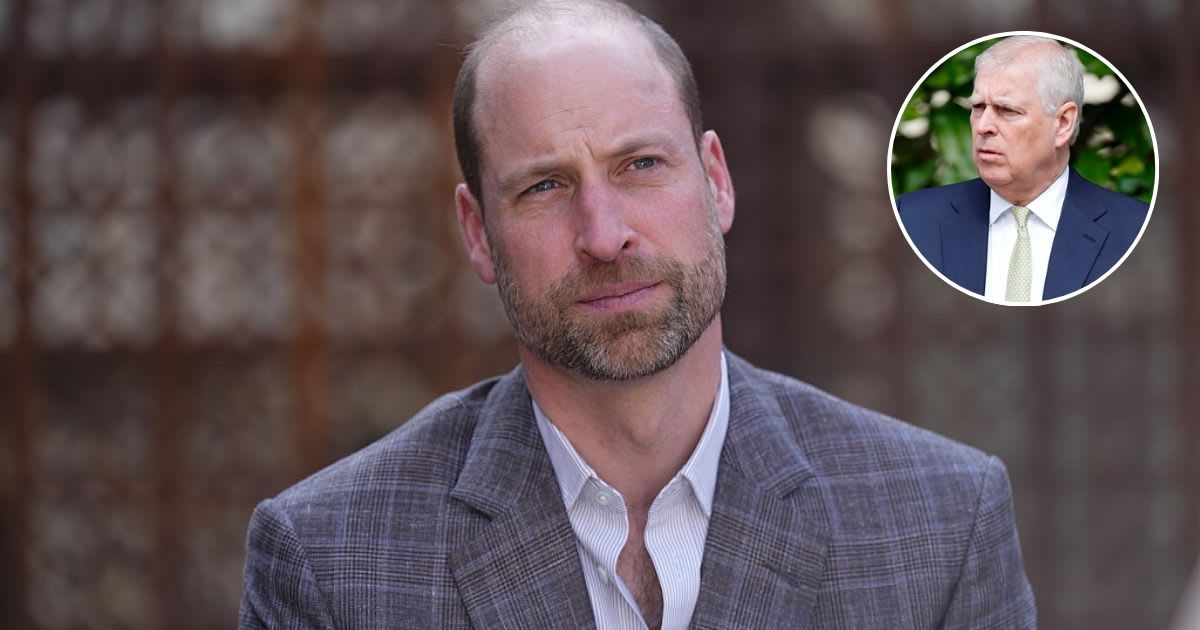


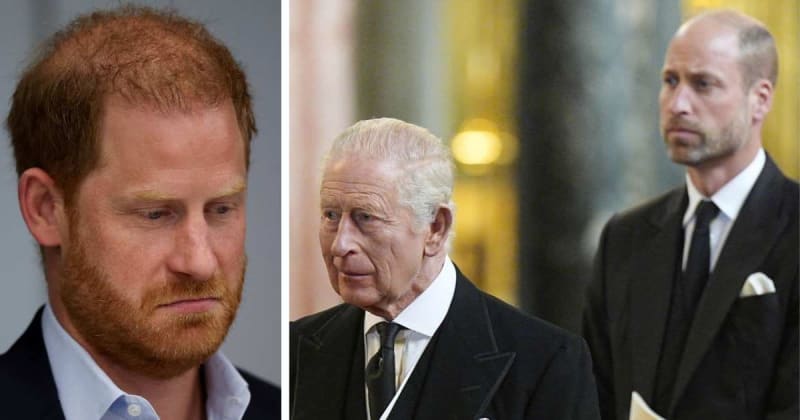
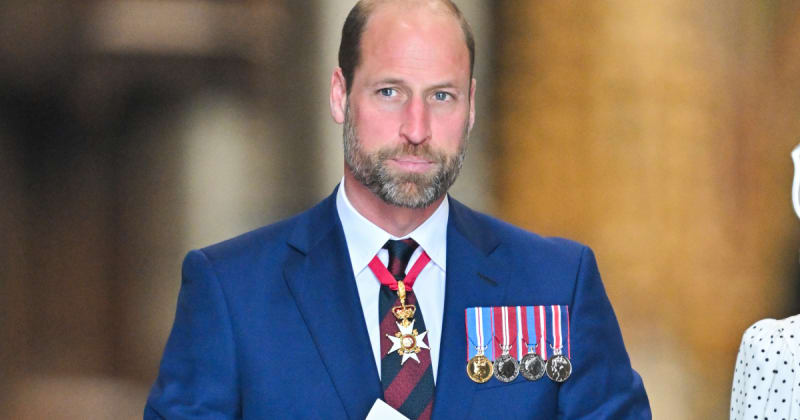
Prince William is drawing a hard line in the sand for the future of the British monarchy, and it might start with rewriting the rules of royal real estate. The recent NAO investigation into palace property management unraveled decades of opaque leasing perks, most notably revealing that Andrew Mountbatten-Windsor privately profited from sublets on public land. For William, the era of unearned privilege and 'side-rents' for non-working royals is officially over. Mindful of public costs and institutional transparency, the Prince of Wales is using this scandal to overhaul the system completely—vowing that under his watch, non-working relatives will no longer live rent-free and complex subletting loopholes will be permanently abolished, The Times reported.
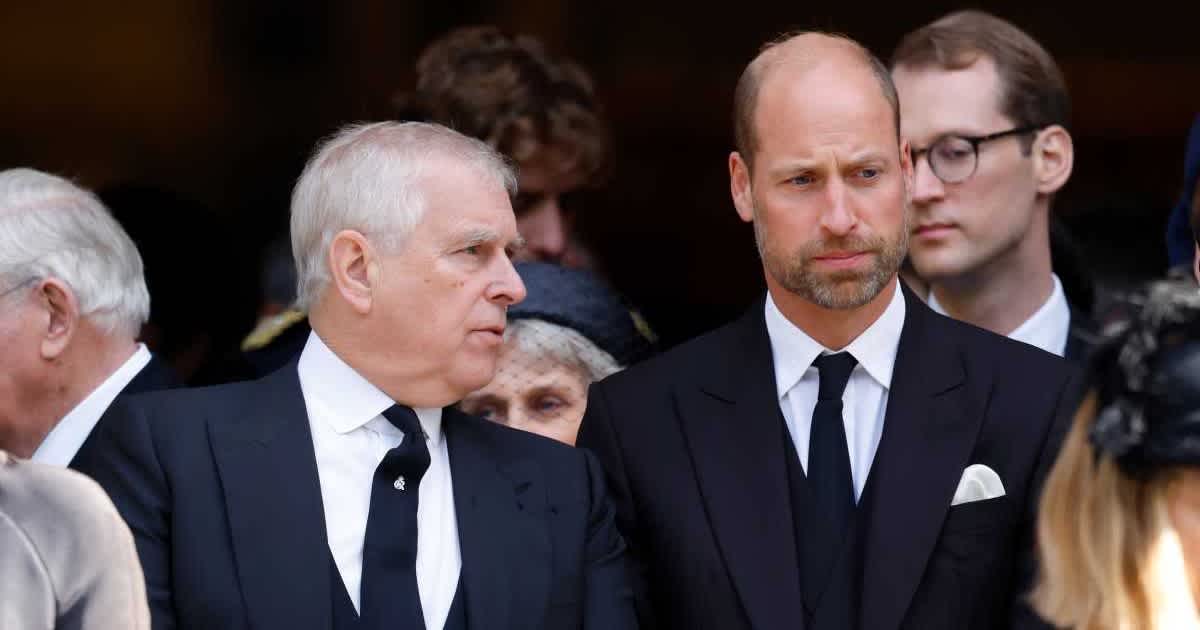
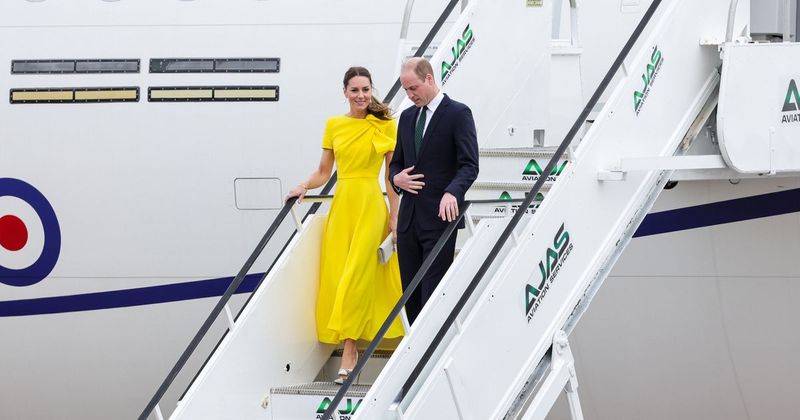
Sources revealed that the Prince of Wales wants to ensure it is “fit for purpose in the modern era” and will “look under the hood” of the institution. Furthermore, the source confirmed that William is aware of the monarchy's costs and scale, and intends to reform it as a leaner organization while assessing its institutional footprint. "Change is on my agenda," seems to be the motto of the future king as he revealed during an interview with Canadian actor Eugene Levy. The Waleses adhere to strict rules by renting their Windsor house, Forest Lodge, at market rates, estimated at $4,00,000 per year. Their contract contains a rigorous non-subletting language, indicating a planned approach to a future monarchy that prioritizes accountability and removes hidden perks.
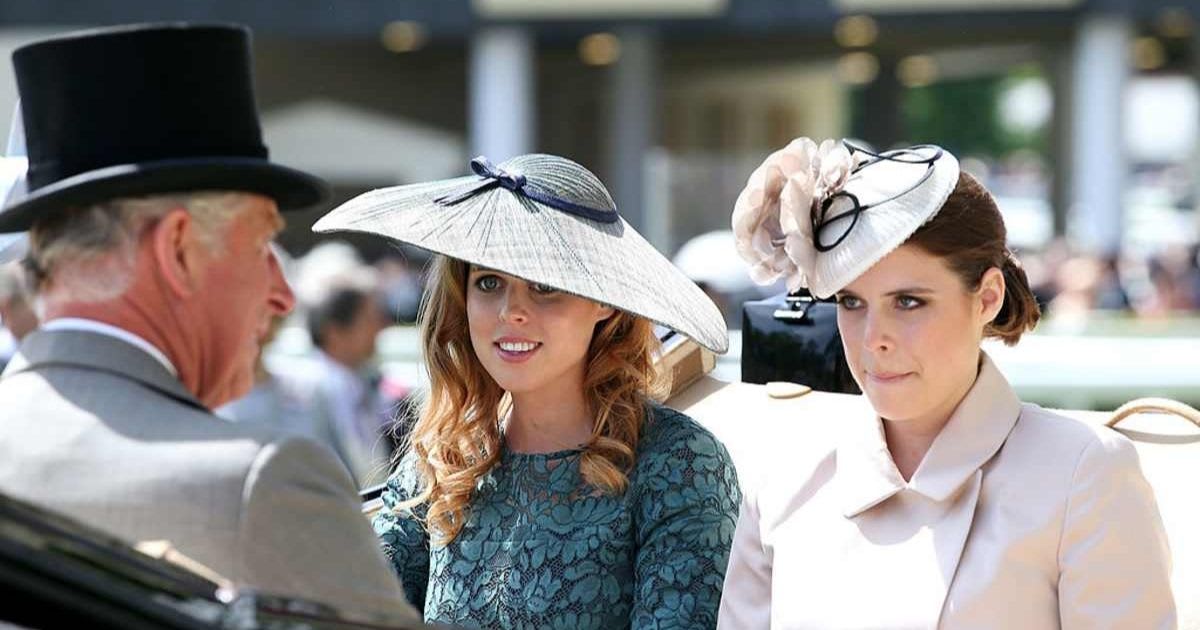
In this regard, King Charles III's sponsorship of Princess Beatrice and Princess Eugenie's palace leases has sparked public outrage over royal privilege. Queen Elizabeth II arranged for the York sisters to live rent-free at the King's expense. Charles pays their rent from the Privy Purse, ensuring that no government funds are spent, and reimburses the Royal Household for upkeep expenses. The yearly expense is expected to be roughly around $3,71,289, based on a discount rate of 60% to 68% of market value. Though Charles continues to maintain family loyalty amid difficulties, this stands in stark contrast to William's vision for a modern monarchy, revealing divergent perspectives on royal finances. "In this, and more broadly, the King has attempted to deal with some of the challenges he inherited from his mother," a source reasoned.
On Friday, Baroness Hodge chastised non-working members of the royal family for benefiting from rented houses, questioning their ability to siphon off profits from the deceptive scheme. Meanwhile, Buckingham Palace had a softer response to the ongoing controversy. In an official statement, it thanked the National Audit Office for its assessment and reaffirmed its commitment to transparency in royal property arrangements. A parliamentary inquiry investigating royal finances is due to deliver conclusions in the summer, although Kensington Palace has remained tight-lipped over the allegations.