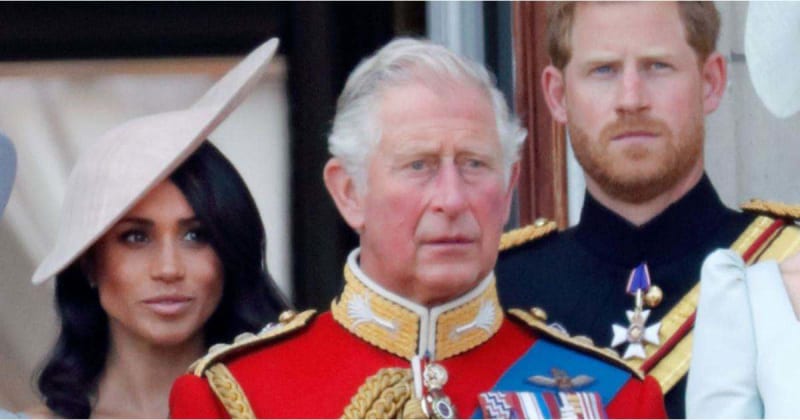
Prince Harry Warned He ‘Can’t Have It Both Ways’ After Privacy Case Defeat
Prince Harry's recent legal defeat prompted one columnist to argue that fame doesn't come with a switch-off button for bad press.
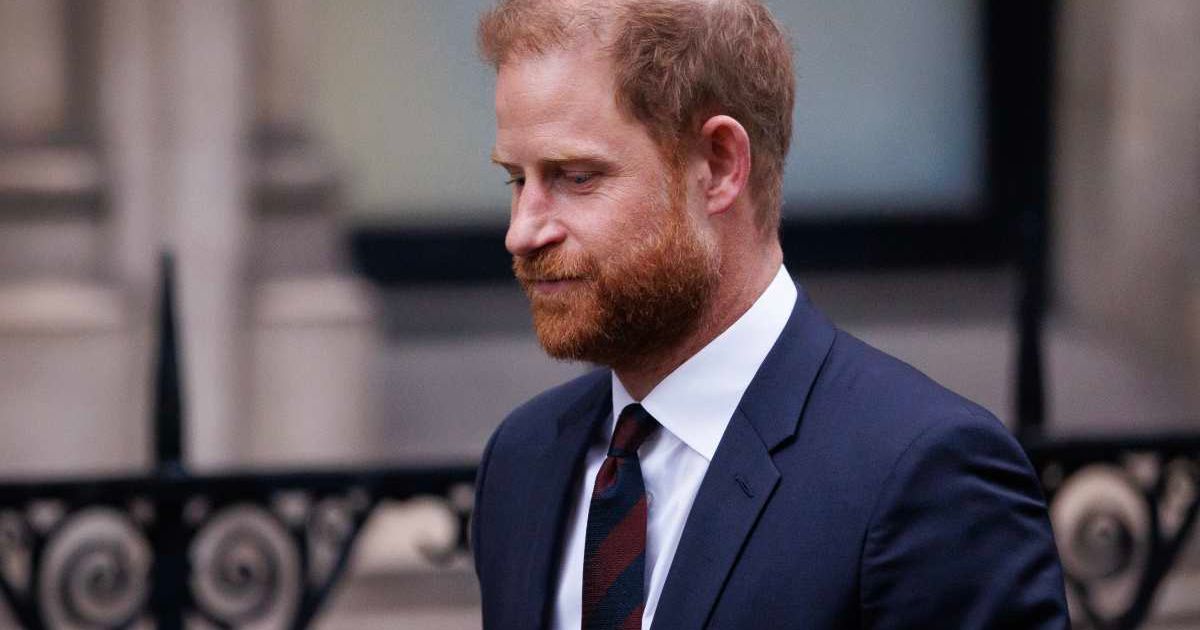


Prince Harry faced a debilitating defeat after the High Court dismissed his privacy case against Associated Newspapers, with Justice Nicklin rejecting all claims of unlawful information gathering. Not only that, but the setback also came with a staggering price tag of around $64 million (£50 million). Weighing in on the outcome, columnist Chris Blackhurst argued that the ruling may be one of Harry's biggest lessons yet: that he cannot selectively embrace good publicity while demanding privacy whenever criticism becomes uncomfortable.

In an article for The Independent, Blackhurst pointed to the rejection of over 97 accusations of unlawful information gathering against the Daily Mail, expressing his doubts about pursuing the action in the first place. He also argued that the Duke's aggressive approach to the case, rather than a calm and measured one, was what ultimately backfired. Offering some sharp advice to Harry, he opined, "You can't have it both ways—and if there is a phrase that sums up the legal result, it is that. Provided it is lawful, you must be prepared to take the rough with the smooth," stressing that being a public figure means you cannot have your cake and eat it too when it comes to unfavorable headlines.

In other words, the columnist noted that Harry cannot welcome media attention when it helps the causes he supports, like the Invictus Games, while objecting to coverage of his private life. He continued, "You may attempt to control the press via PR and spin, but they are fully entitled to shine a light where you don't want them to look. Just because you don't like it doesn't mean it cannot be published." Regardless, the Duke and his supporters disagree, arguing that there should be a strict distinction between the "public interest" and what merely "interests the public" and that some reporters routinely cross ethical boundaries for front-page news.
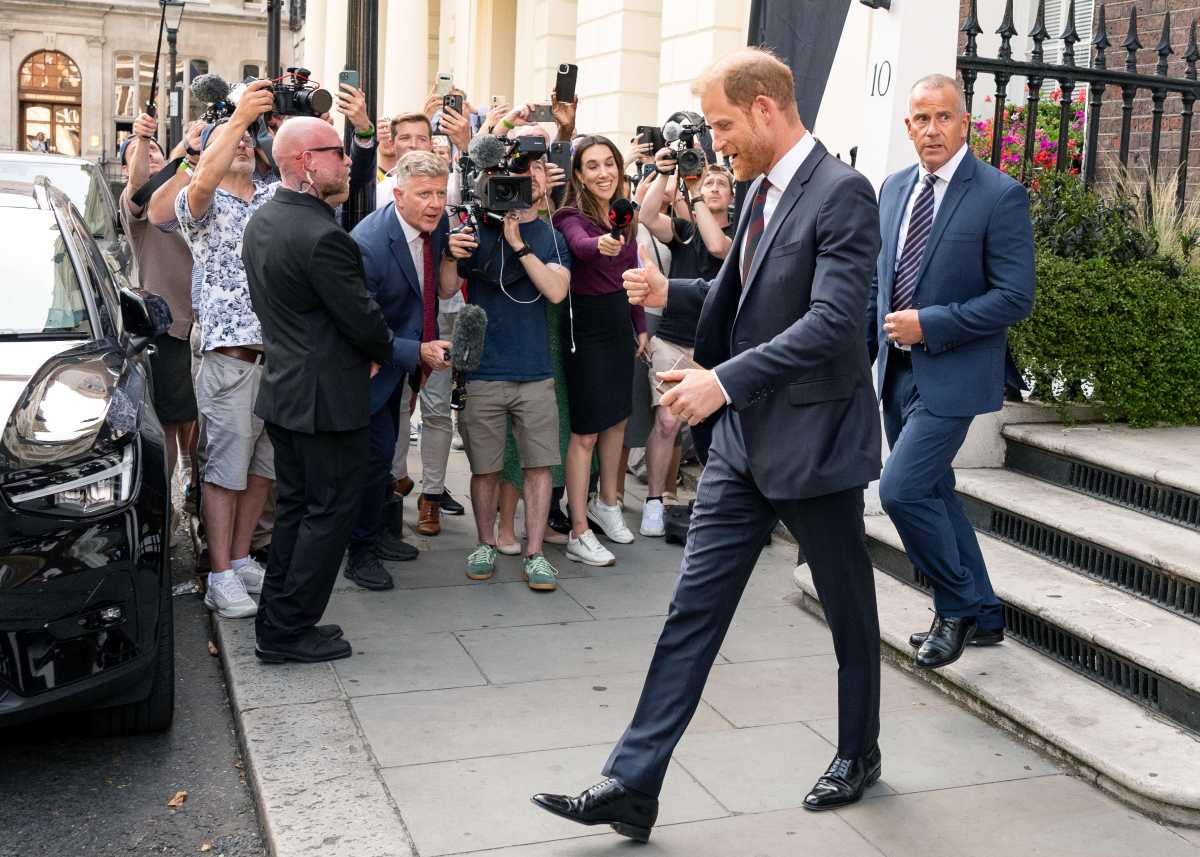
That being said, Blackhurst maintained that if information were illegally obtained, that would be a crime. However, he wrote, "What we saw in court was the depth of their hurt, accompanied by quivering lips and tears—but that was not corroborating what they were charging, which is that the story that upset them so greatly was relying on information that had been unlawfully procured." He went on to defend the integrity of the cross-examined journalists, noting they showed professionalism by standing behind their work and enduring challenging questioning in court, facing just as much pressure to defend their reputations as the plaintiffs did.