Why William and Kate Chose Eton for Prince George — And It Has Nothing to Do With Royal Tradition
EXCLUSIVE ANALYSIS: Eton may give Prince George something rare for a future King: the chance to feel ordinary.



FOR almost every boy who walks through the gates of Eton College, attending the school marks him out as exceptional.
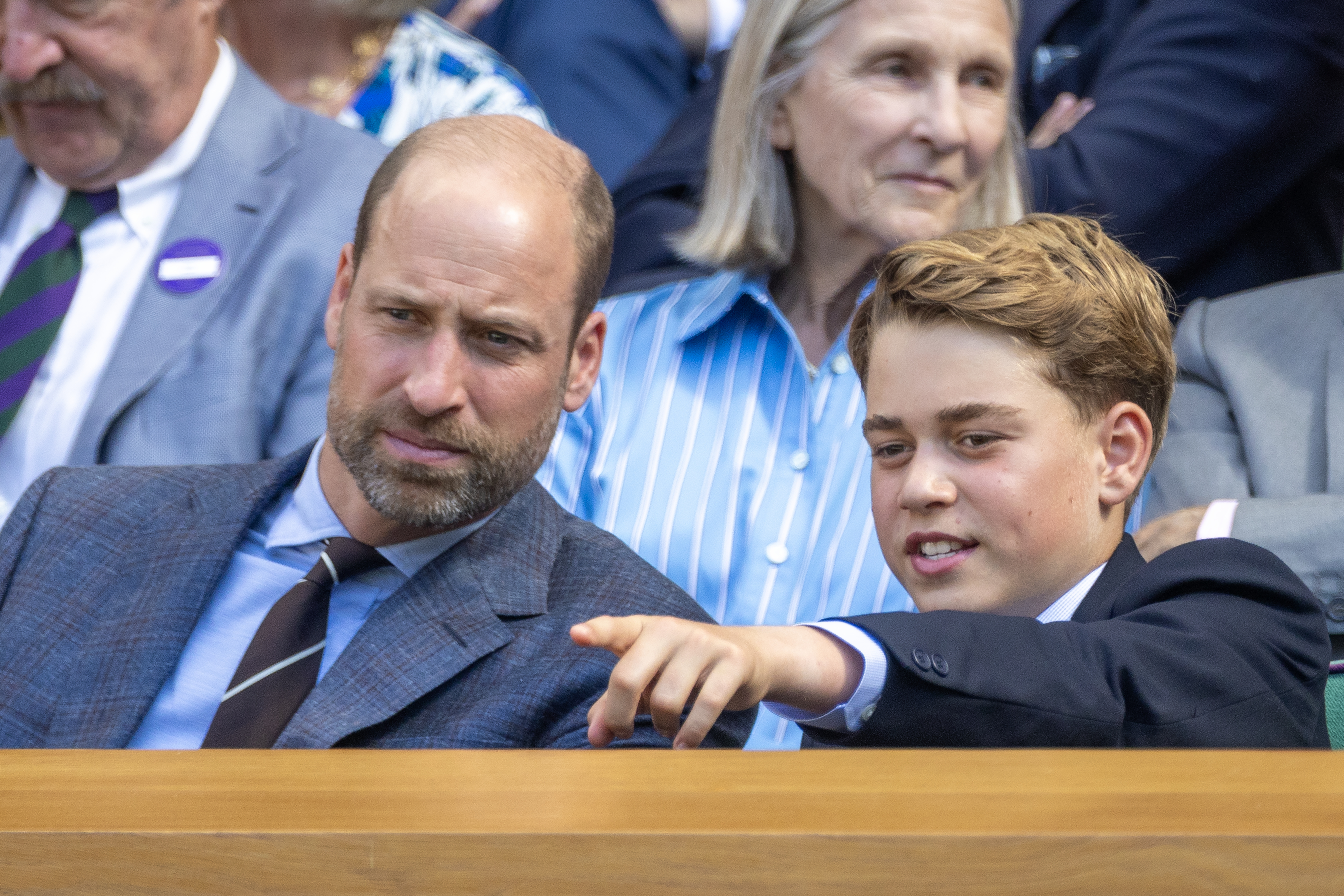
For Prince George, it may be precisely the opposite, and that could be the real reason the Prince and Princess of Wales have chosen Eton for their eldest son. When it was confirmed that George would attend Eton from September 2026, there was an obvious explanation: he was following in the footsteps of his father. Prince William went to Eton, and his brother Prince Harry soon followed. Now William's eldest son - and the future King - would continue the family tradition and become what the school calls an Etonian. Except, there is a problem with that explanation- Eton isn't really a royal tradition at all.
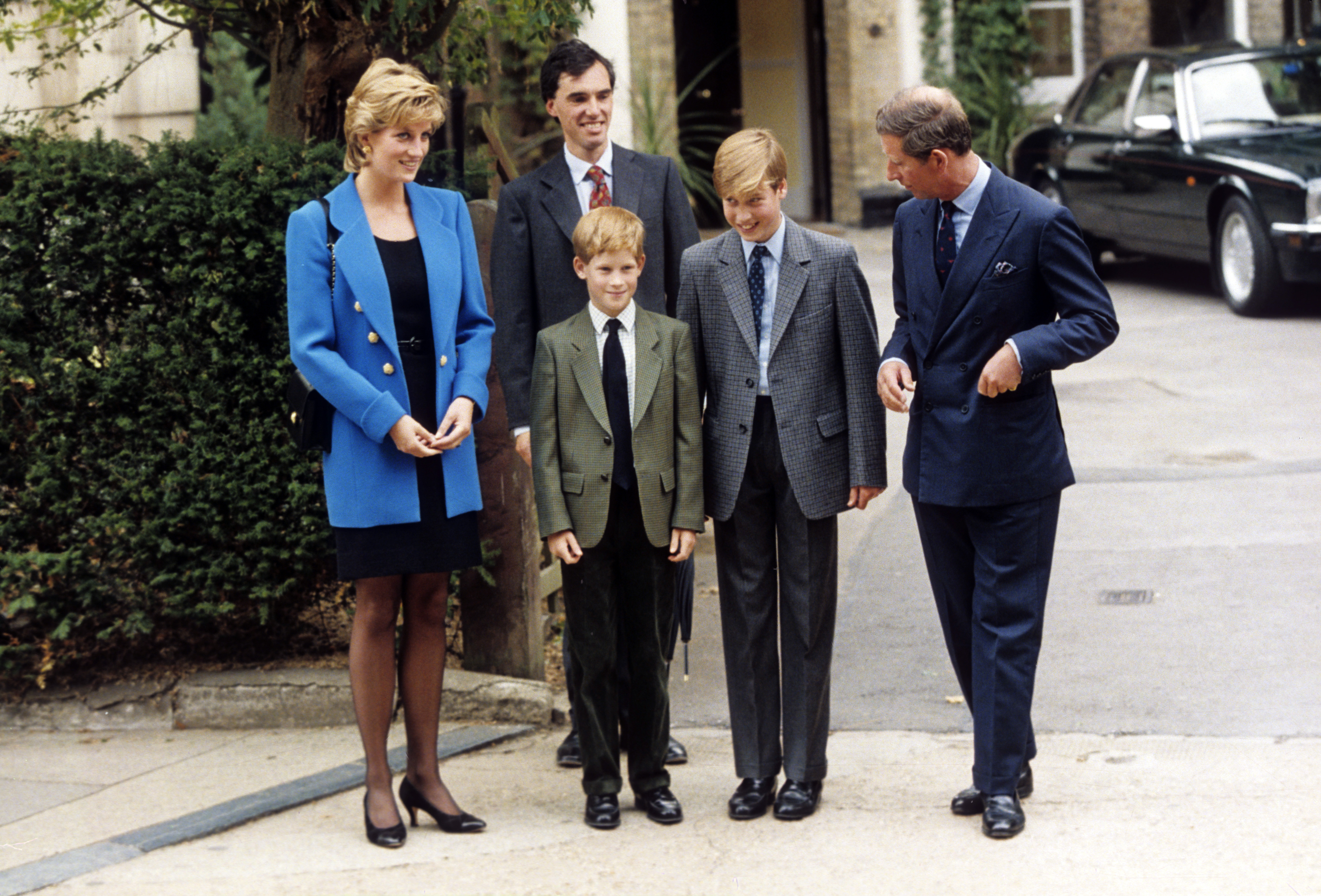
Prince William broke his own family's educational history when he entered Eton in 1995. His father, King Charles III, went to Gordonstoun in Scotland, and so did his own father, Prince Philip. William became the first senior member of the Royal Family to attend Eton. George therefore isn't following some ancient royal custom. He's following a decision his father made only one generation ago, and that distinction matters. Perhaps Prince William isn't sending his son to Eton because royals go to Eton. Perhaps he's sending George there because he understands from personal experience what Eton can do for a boy who happens to be a future King.
There is a strange problem at the centre of Prince George's childhood. He needs to be prepared to become King without spending his childhood being treated like one. The future King needs somewhere his title becomes boring. Prince George,13, is second in line to the throne, behind his father and in front of his younger siblings, Princess Charlotte, 11, and Prince Louis, eight. Wherever he walks, adults and other parents know exactly who he is. Teachers and his classmates will also be acutely aware. An ordinary teenage experience can never be entirely ordinary for a member of the Royal Family.
But Eton offers something very unusual. It is a school so accustomed to privilege, famous surnames, political families, enormous wealth and establishment connections that George's background may be less socially extraordinary there than it would be almost anywhere else. That might sound counter-intuitive, but it may also be the point. For almost any other child, Eton alone makes him exceptional. For Prince George, Eton may be one of the few places capable of making him feel more ordinary, allowing him to live as a normal teenager like one of the other thousand Etonians. Part of this decision may have been underestimated.
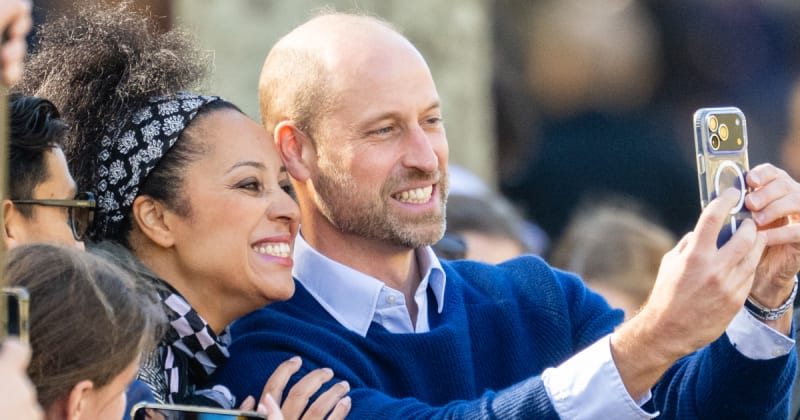
There is another reason William may understand this better than anybody. He has already lived it. Prince William arrived at Eton in 1995 as one of the most recognisable teenagers in Britain. He wasn't merely famous. He was a future King growing up amid extraordinary public interest in his parents and their marriage. Yet Eton gave him a degree of separation between his public identity and his school life. Contemporary reporting from the end of Prince William's time there recorded how important that privacy had been. William spoke positively about being able to concentrate on school without relentless media interference, while later accounts have recalled his appreciation of being able to move around Eton as essentially another pupil. That experience may be far more relevant to George's future than any supposed family tradition. William knows what it feels like to enter Eton as a future King. He knows what worked and what didn't so well, and now he's made the same decision for the son who will one day follow him in duty. That makes Eton something more interesting than a prestigious school choice, it makes it a model William has personally tested.
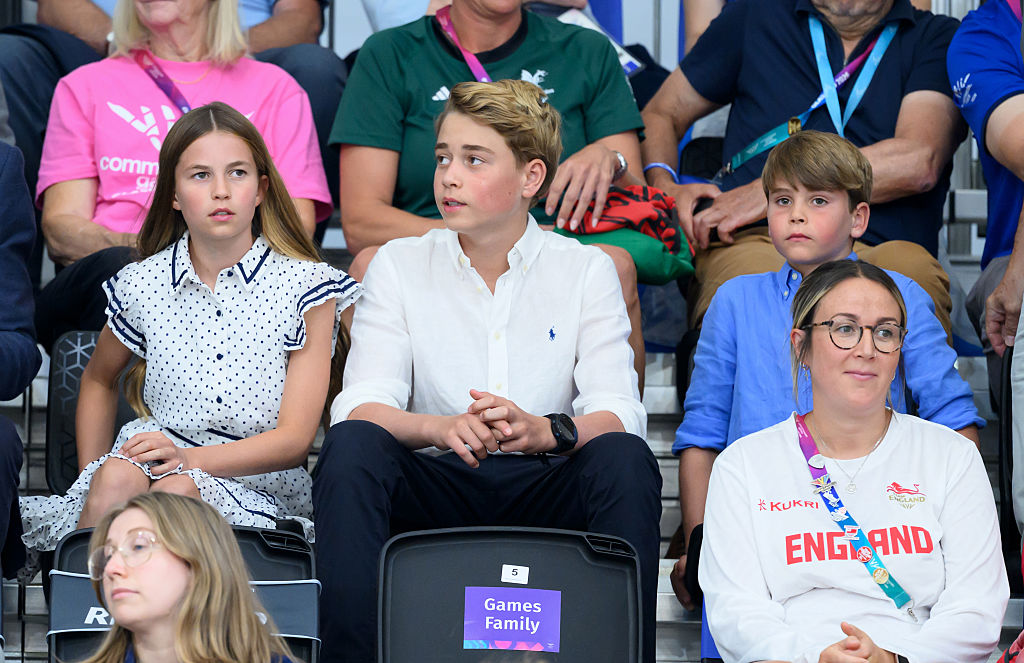
There is another advantage: George won't necessarily dominate the room. Imagine placing the heir to the throne in an ordinary social environment; his identity would undoubtedly change the atmosphere no matter how well behaved others might be. Teachers, in turn, will become acutely conscious that they are teaching the future monarch. Even friendships could become complicated by the enormous difference in status. Now place him inside one of Britain's most elite boarding schools. George is obviously still extraordinary, but he enters an environment where encountering extreme privilege itself isn't extraordinary.
Eton has educated prime ministers, aristocrats, A-list actors and generations of boys from powerful and internationally prominent families. That environment creates an intriguing possibility. George may be surrounded by boys where status already surrounds them, and for the future King, that could be enormously valuable. On top of that, any difference in cultural and social backgrounds of all of Eton's pupils could make a good balance for parents, making sure George is growing up with an understanding of different life experiences. The objective wouldn't be to make George forget who he is; rather, it would be to give him a few years in which who he is doesn't have to be the most interesting thing about him. Students could see him for his character, common interests they share, and maybe even shared experiences like coming from the same prep school or having similar prep experiences.
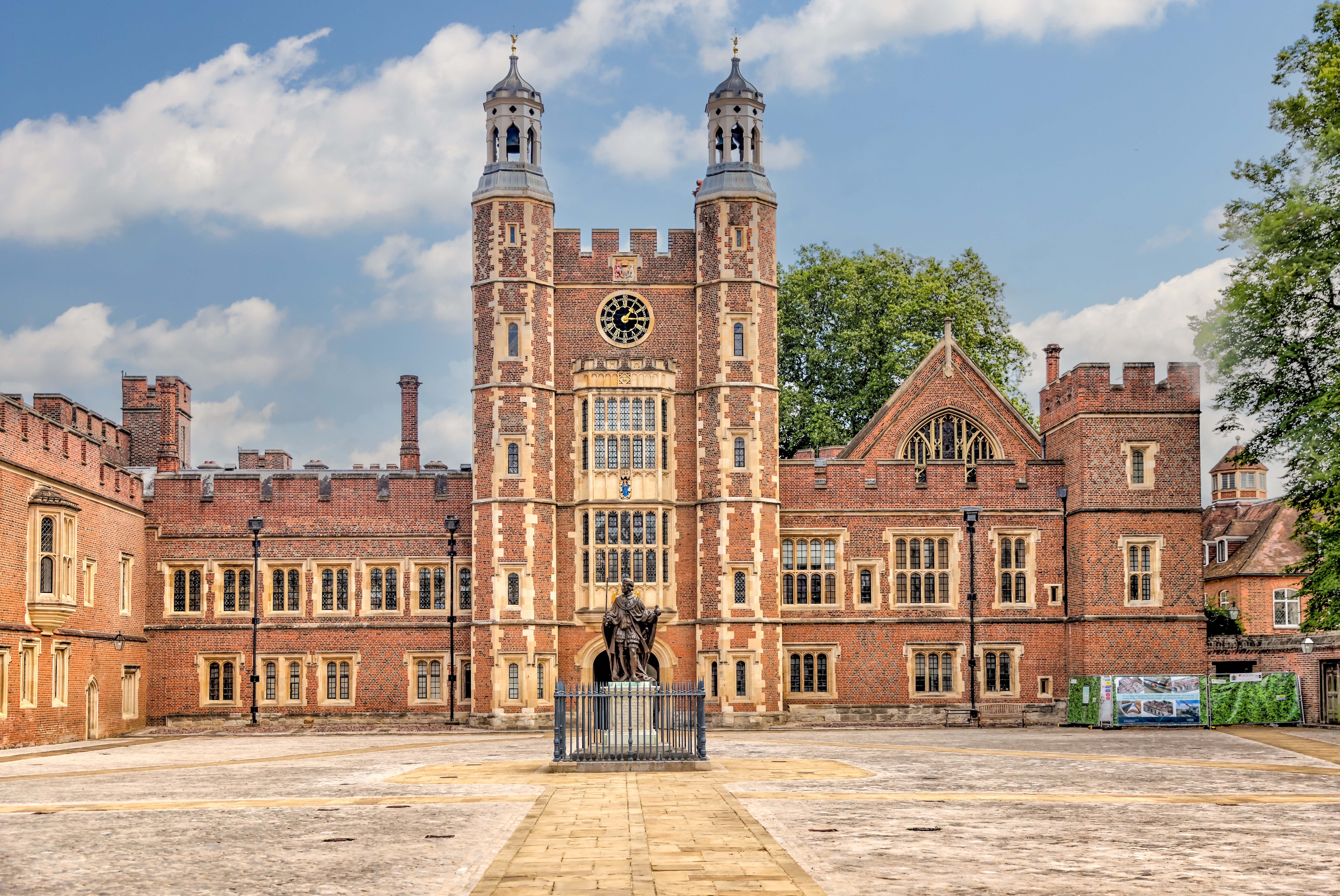
Eton also gives William something he cannot buy: institutional memory - another element that shouldn't be overlooked. The school previously dealt with the security, privacy and extraordinary attention that accompany educating a direct heir to the British throne in an age where the British press was not as regulated. That means William and Catherine aren't handing their son to an institution and asking it to invent a system for accommodating a future monarch. Prince William knows the rhythms and culture of the precise environment George is about to enter. He knows what it feels like to board and, critically, he knows what it feels like to do all of that while being conscious of future responsibility. No school can make George's situation normal, but Eton has at least encountered something close to it before.
There's also a practical element to the choice as Eton sits immediately beside Windsor. George's family life has increasingly centred around the Windsor and Bracknell area, and his younger siblings have shared his earlier schooling at Lambrook near Ascot. So Eton offers an unusual combination as George can acquire the independence traditionally associated with boarding school without being sent hundreds of miles away from his parents. He can return home on selected weekends, and his parents can easily access his sports fixtures, attend his school theatre productions and even maybe the annual Christmas carol service at the school's historic chapel. That is significant for any 13-year-old. But for a future King living with intense public attention and the security arrangements that come with the institution, it may be even more significant. William and Catherine could possibly allow George's world to become larger without disappearing from it.
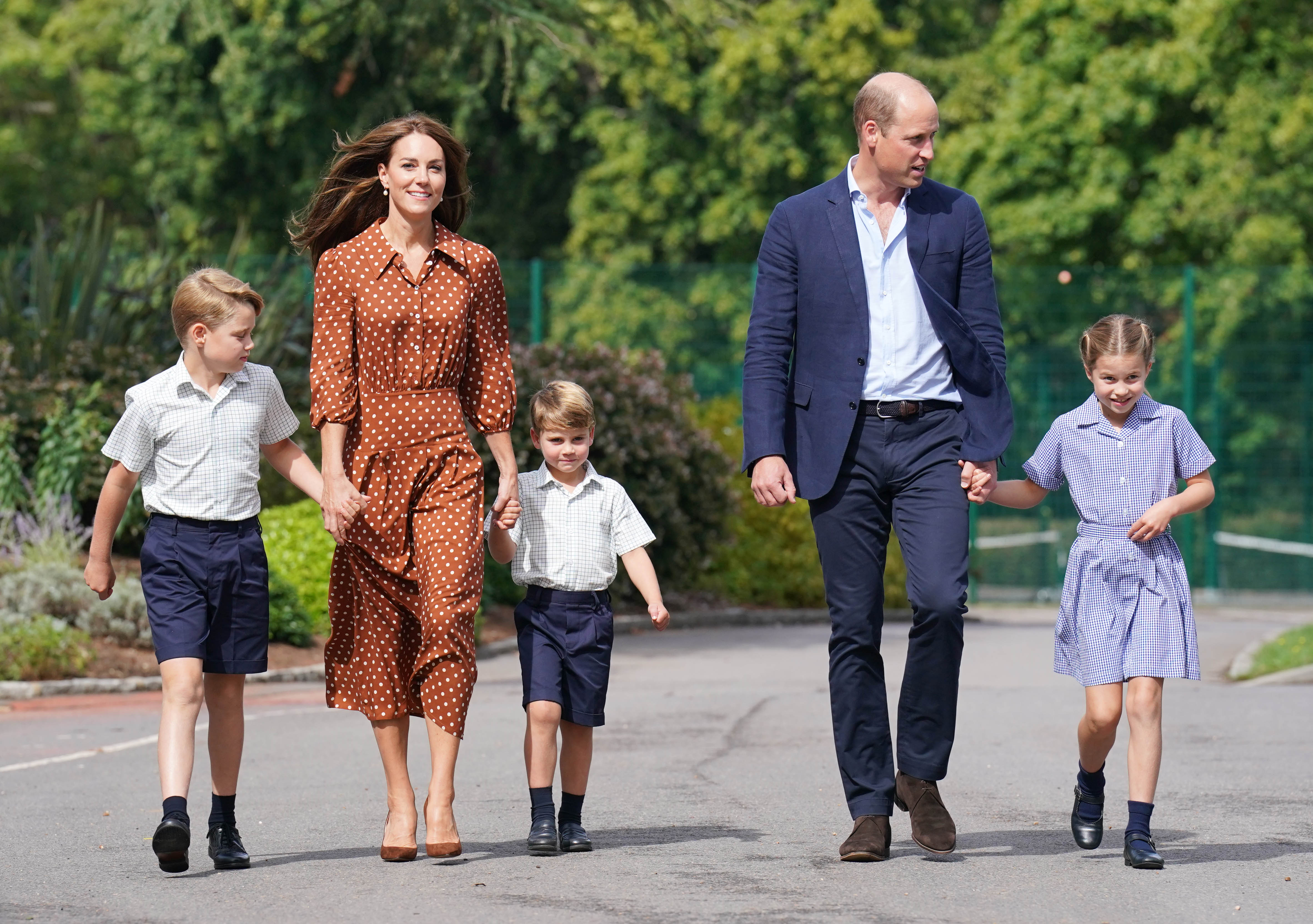
But look at the decision through William's own experience rather than through royal nostalgia, and a different explanation emerges. Eton offers George academic prestige as well as tight security and close proximity to family in Windsor. It offers an institution that has already educated his father. But perhaps most importantly, it offers a unique social camouflage. George cannot become anonymous, and unlike those in his cohort, his entire adult destiny has effectively been decided for him before he even sat his first exams. What his parents can control is the environment in which he learns to live with that destiny and somewhere accustomed to powerful families.
And perhaps that explains why William and Catherine chose Eton better than the word 'tradition' ever could. They may not be sending Prince George to Eton because it is the traditional place to educate a King. They could send him because The Prince of Wales discovered that it was one of the few places where a future King could occasionally forget that everybody knew he was one. For Prince George, that's possibly the most valuable education Eton can provide.