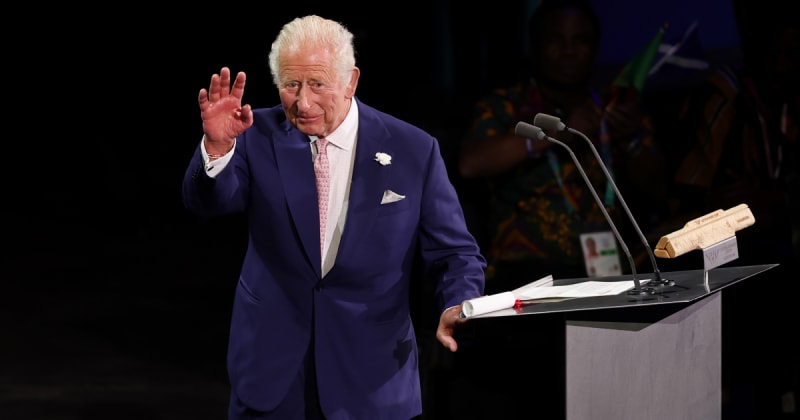
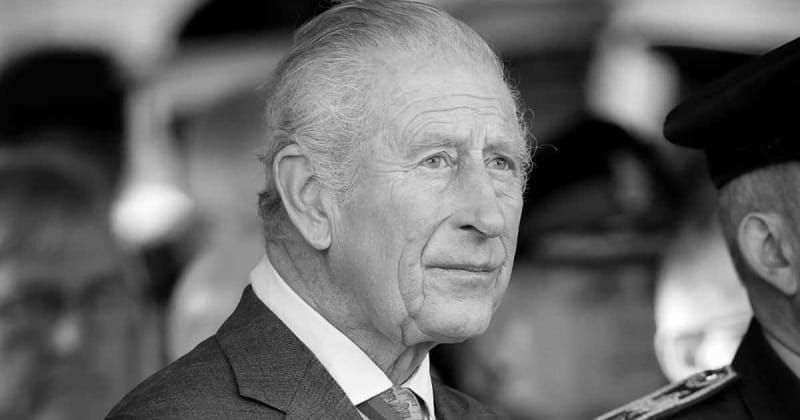
King Charles’ US Visit Will Be His Trickiest Yet — and the Stakes Couldn’t Be Higher
Experts argue that King Charles may be the only person who can steady the ship with Trump — if he can stay on course himself.
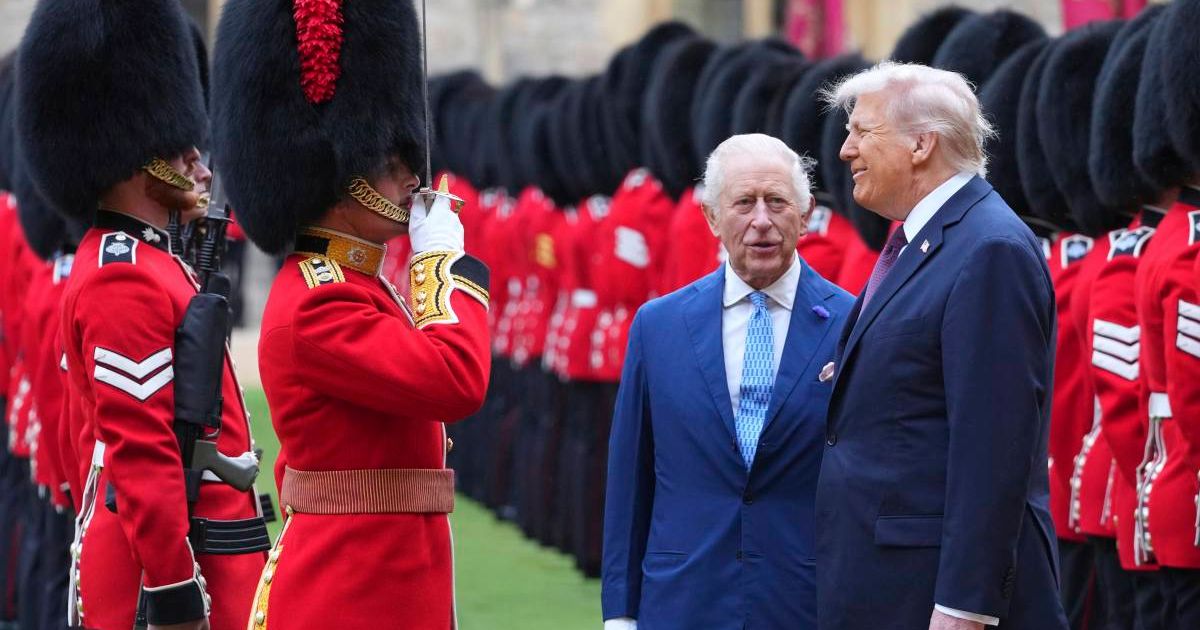


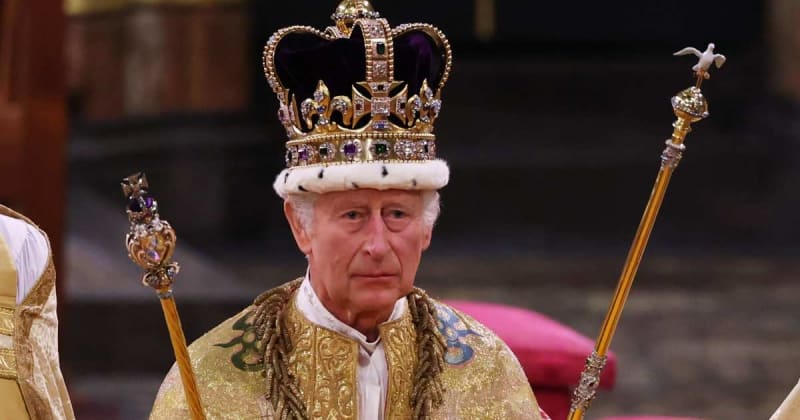
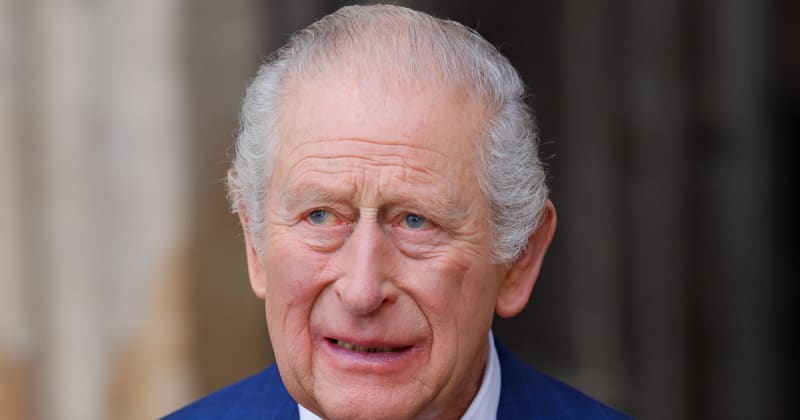
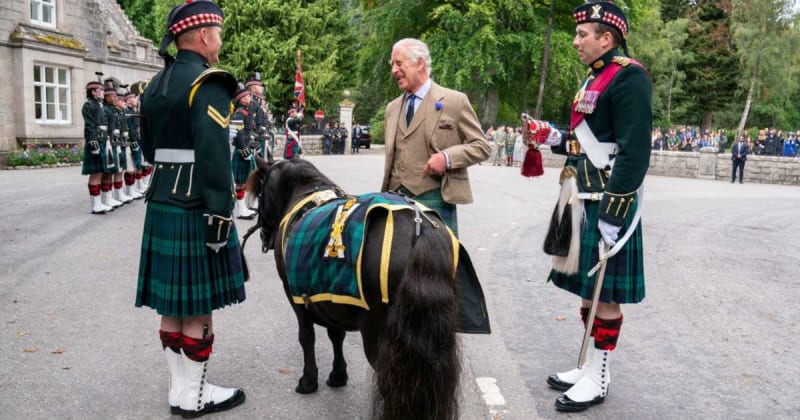
Members of the royal family have long been a hit in America, and King Charles has decades of diplomatic experience behind him. But as he heads to Washington, can soft power rescue a relationship that only one side seems to still believe in? There is a version of this visit that goes well. Charles arrives in Washington, turns on the charm, says the right things, and leaves having given the so-called special relationship a much-needed shot in the arm. There is another version, where it goes sideways in the most public way imaginable. Which version unfolds depends, as so many things do these days, on the mood of one deeply unpredictable man.
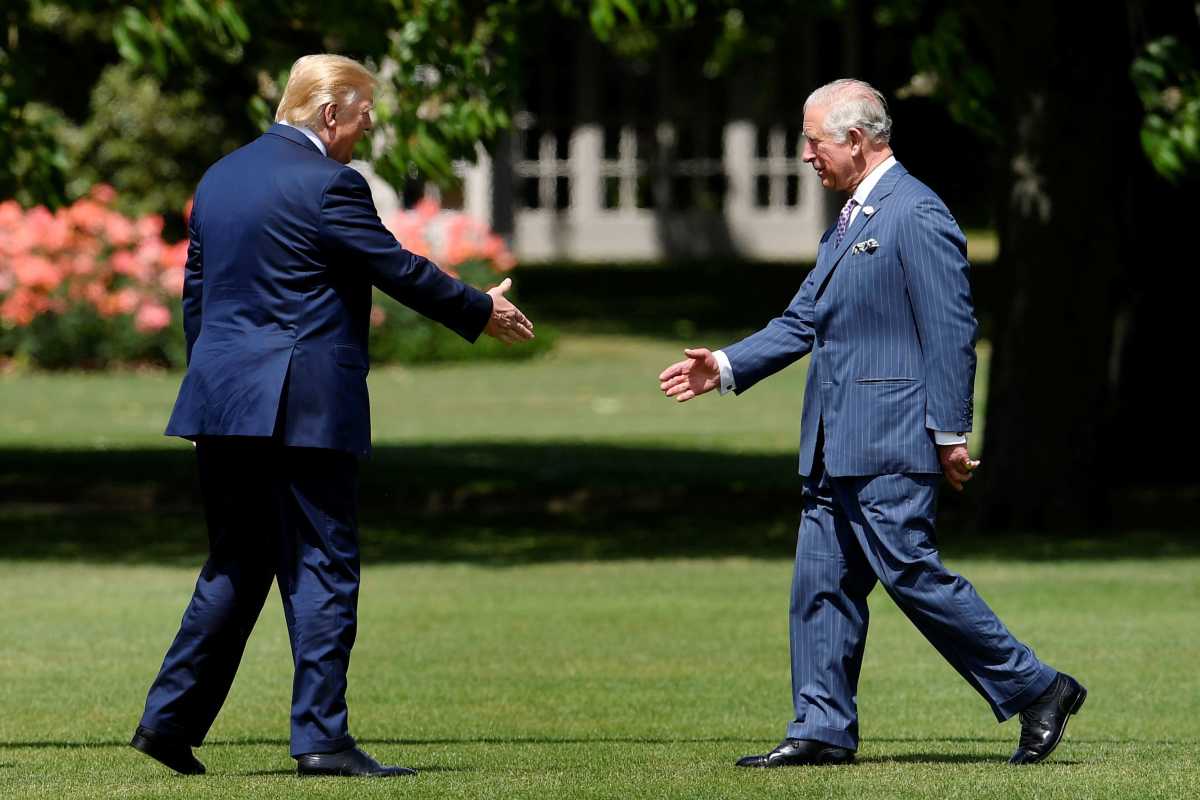
The visit, scheduled for the end of April, was set in motion by Prime Minister Keir Starmer, who is counting on the Crown to do what his own government has so far failed to do: make America take Britain seriously again. A former royal correspondent for The Guardian observed that the special relationship may still feel meaningful in London, but from Washington it barely registers—particularly under the current administration. The king, as per Stephen Bates, "goes where he is told, whether he would prefer to stay at home or not. This time to a land whose president denounces our aircraft carriers as toys and accuses us of cowardice, and whose defense secretary talks derisively of our Royal Navy. Perhaps Charles ought to wear his naval admiral’s uniform when he goes to the White House, medals and all," Bates wrote for The Guardian.
What Charles carries to Washington, Bates argues, is the monarchy's most valuable diplomatic tool, soft power. The ability to charm, to reassure, to make a foreign government feel that Britain is a country worth taking seriously. The difficulty is that the Trump administration has little appetite for most of what that entails. Bates observed that the one dimension of British life Trump has consistently admired is the golf course—several of which he owns. It is, at best, a narrow patch of common ground.
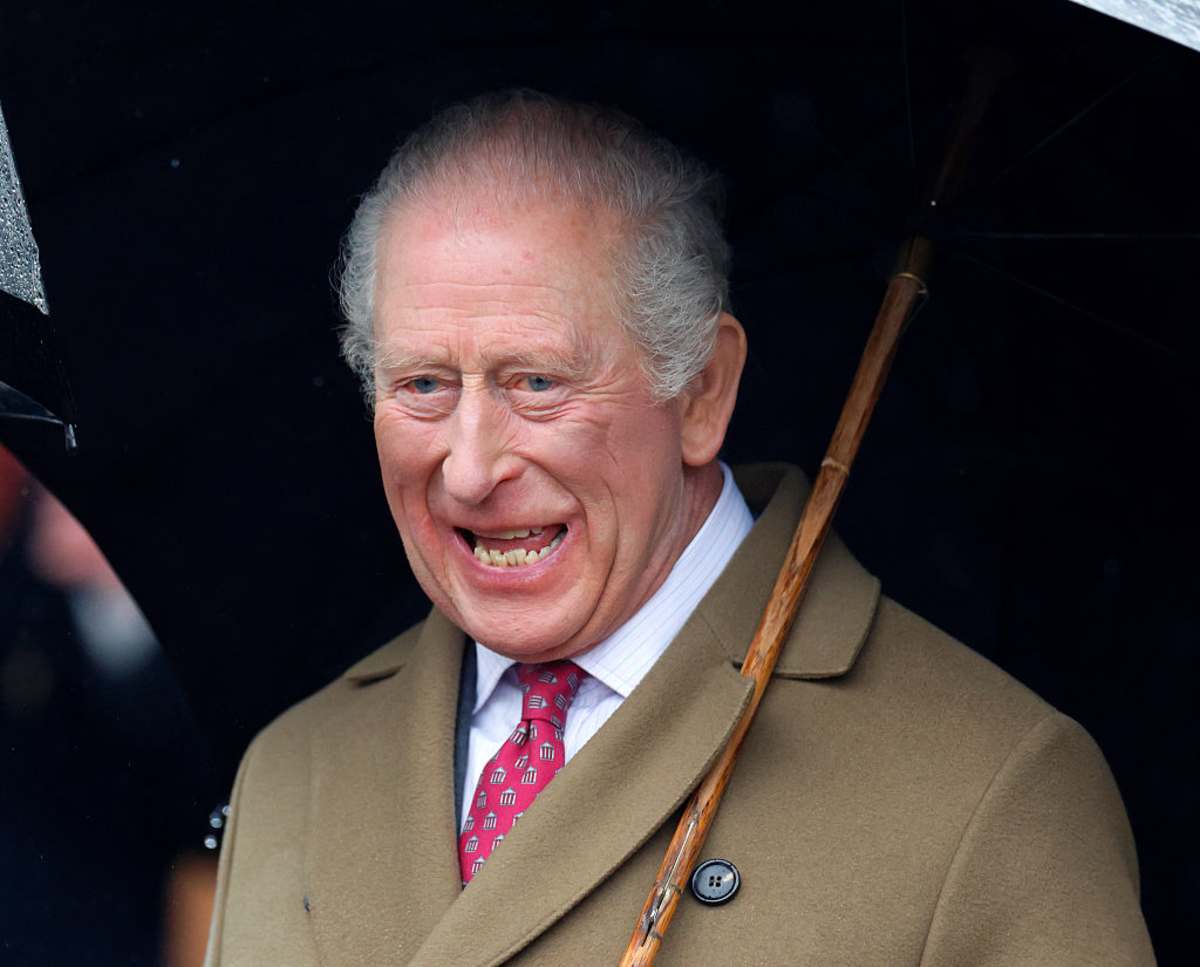
State visits are carefully choreographed by design, but Bates is candid about the limits of that choreography when one party is Trump. The President, he says, "doesn't do protocol." Trump has referred to Charles as 'Prince' and publicly disclosed the travel dates, which the palace routinely keeps confidential until close to departure. A repeat of the Oval Office confrontation visited upon Zelenskyy last February is unlikely, Bates believes. More probable is a digression—a complaint about Starmer, perhaps, or a speech about Canada, where Charles also happens to be head of state. "What does Charles do in those circumstances?" Bates asks. "Keep a dignified silence, or murmur gently that recollections may vary?"
Bates is clear-eyed about the mismatch between the two men. Trump has no interest in environmentalism, architecture, or holistic medicine, some of the causes Charles has championed for decades. Some advisers reportedly felt the war in Europe offered a reasonable pretext to postpone the visit. But Bates suggests calling it off would only have deepened Trump's irritation, and that particular wrath was not thought worth provoking.
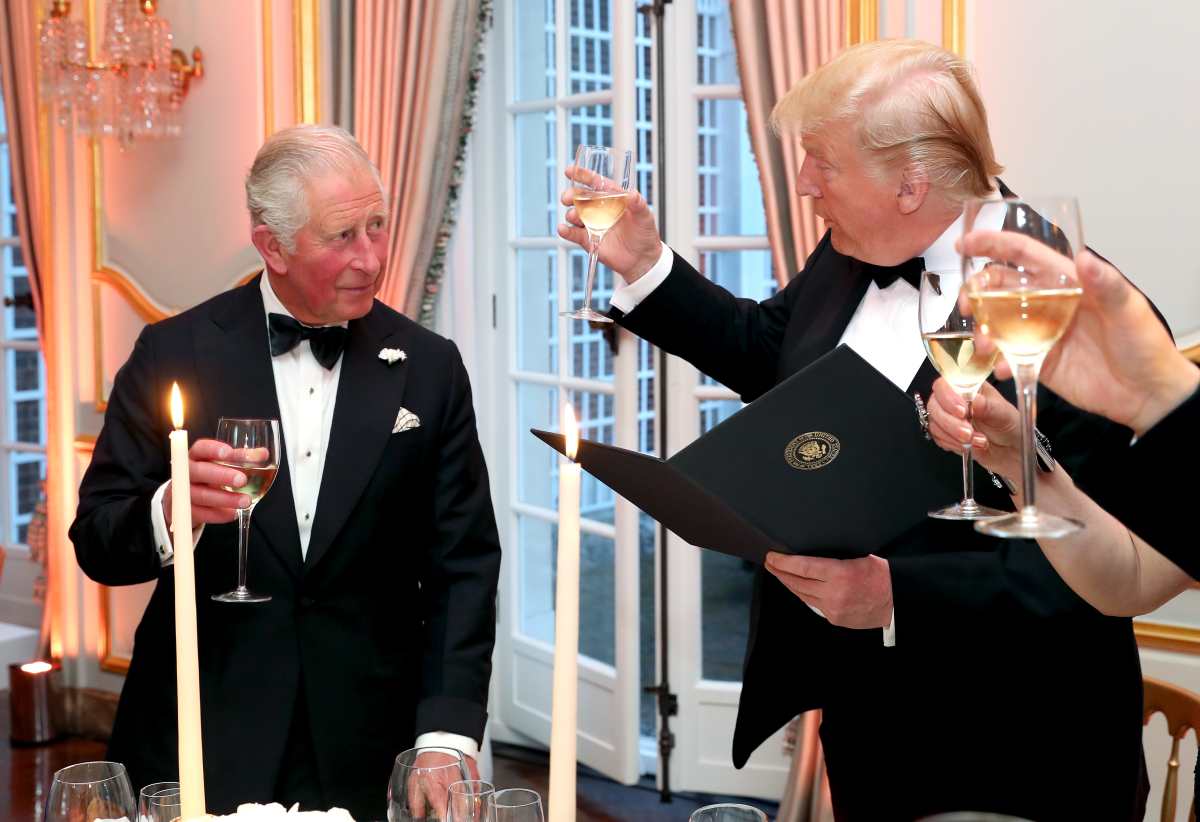
What Charles does bring, Bates argues, is decades of experience at precisely this kind of encounter. He has met Trump before and knows, as Bates puts it, "how to flatter him, which appears to be the way to his simple heart." It will not be a frictionless visit. The palace has confirmed Charles will not meet a delegation linked to the Andrew Mountbatten-Windsor scandal—a decision that will draw scrutiny regardless of the reasoning. Protests are expected, though Bates notes that the 'No Kings' banners will be aimed less at Charles than at what many Americans see as Trump's own expansionist tendencies.