Is King Charles Britain’s Best Bet to Ease Tensions With Donald Trump? History Says Yes
Like his mother in 1976, King Charles is urged to use soft power to mend a fragile US alliance during his upcoming state visit.
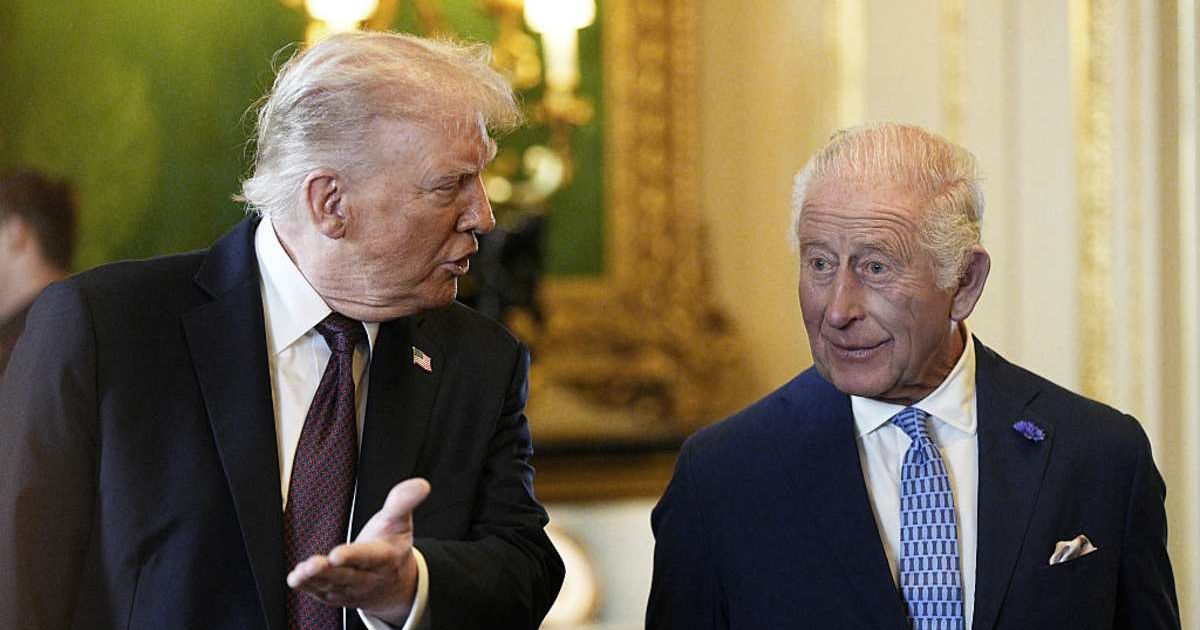


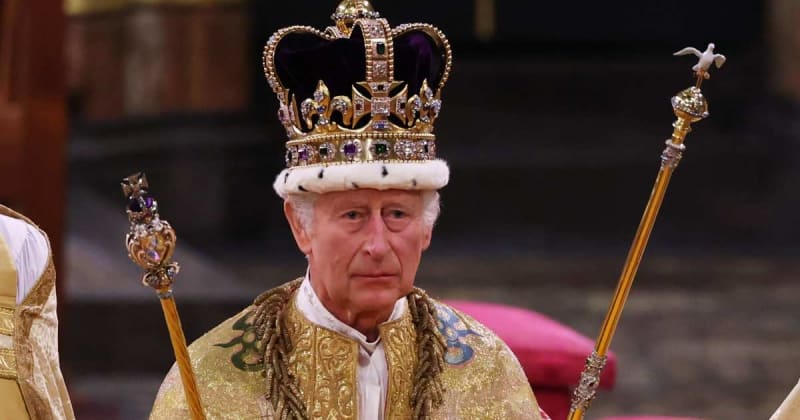
The upcoming US state visit by King Charles couldn’t come at a more critical time, according to veteran royal commentator Hugo Vickers — especially as Anglo-American relations hit a particularly turbulent patch. With things getting tense between President Donald Trump and UK Prime Minister Keir Starmer, he suggests that the Royal Family is still Britain’s best way of ‘pouring oil on troubled waters,’ helping to calm the situation down. Trump recently lashed out at Downing Street, allegedly frustrated by Starmer’s cautious stance on the ongoing Iran war, making the backdrop for the monarch’s April visit undeniably frosty. The rhetoric has also taken a personal turn with the President dismissing the Prime Minister by stating he is ‘not Winston Churchill.’
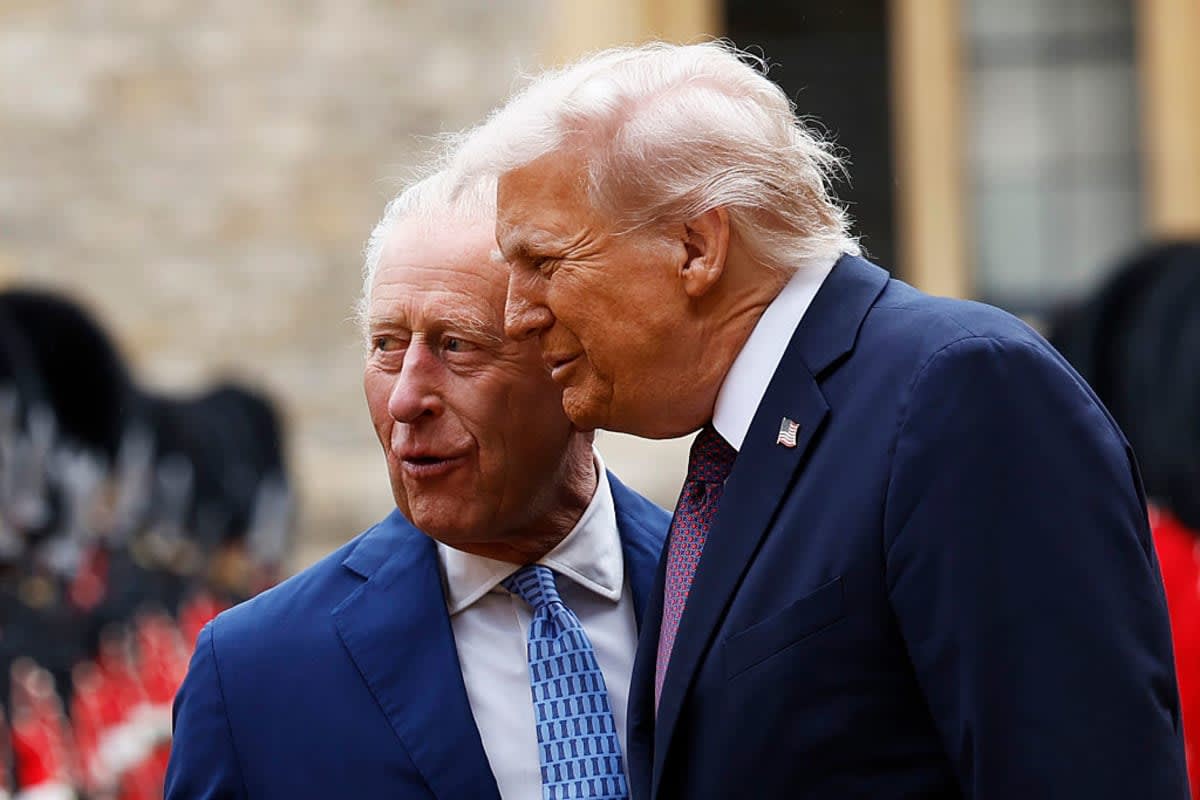
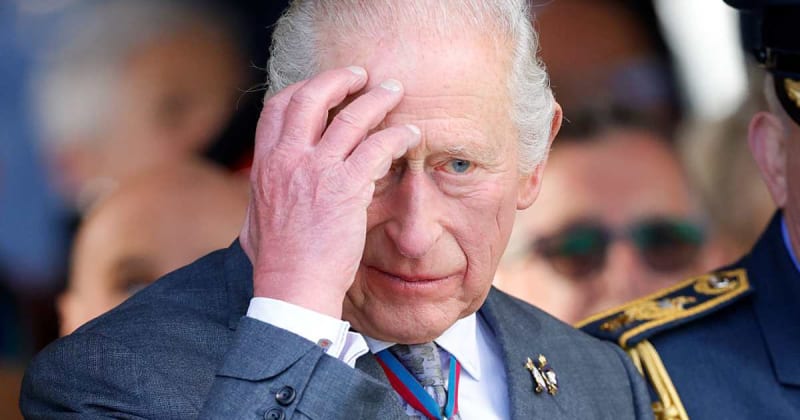
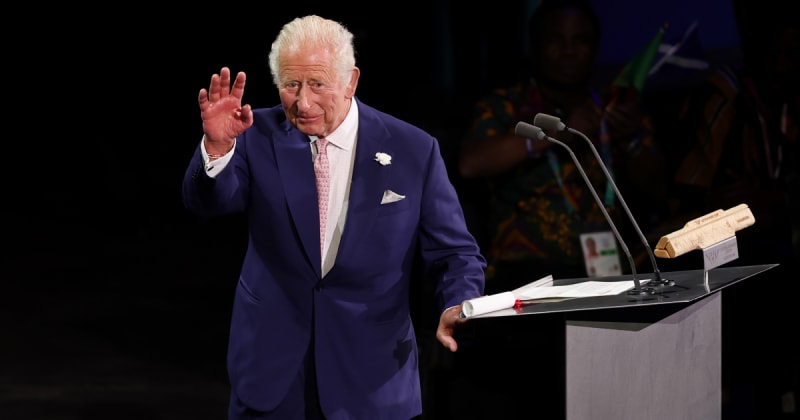
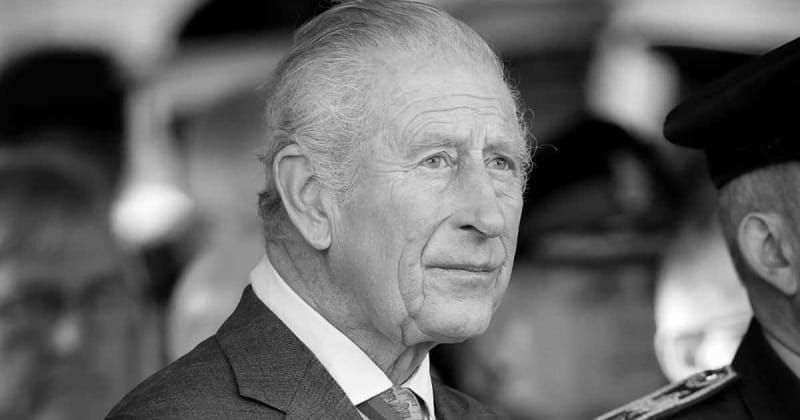
Amid the back-and-forth of political leaders, Vickers highlights that the King occupies a unique position in Trump’s estimation. “There is no one better than the King to pour oil on troubled waters. He would appear to be one of the few people in Britain for whom President Trump has unconditional respect,” the commentator noted while writing for The Independent, suggesting that Charles’ personal standing could be the key to de-escalating the heated situation. The King’s health and the logistical hurdles of the 250th anniversary of American independence have raised concerns — yet Vickers insists the trip is a strategic necessity that must go ahead. He said, “It is important that the King visit America.”
So far as ‘diplomacy’ and ‘reconciliation’ are concerned, Vickers argued, an appearance by the senior-most member of the Royal Family would help fix the relationship between the two countries and make their long-term bond even stronger. Pointing to a clear precedent, the commentator recalled the late Queen Elizabeth’s US state visit of 1976 during the bicentennial celebrations, noting that it took place during another era of political fragility where royal diplomacy was essential. Vickers added that “a state visit from Her Majesty could do his fragile political prospects nothing but good,” especially as President Gerald Ford was navigating the aftermath of the Nixon era and facing a tough election at the time.
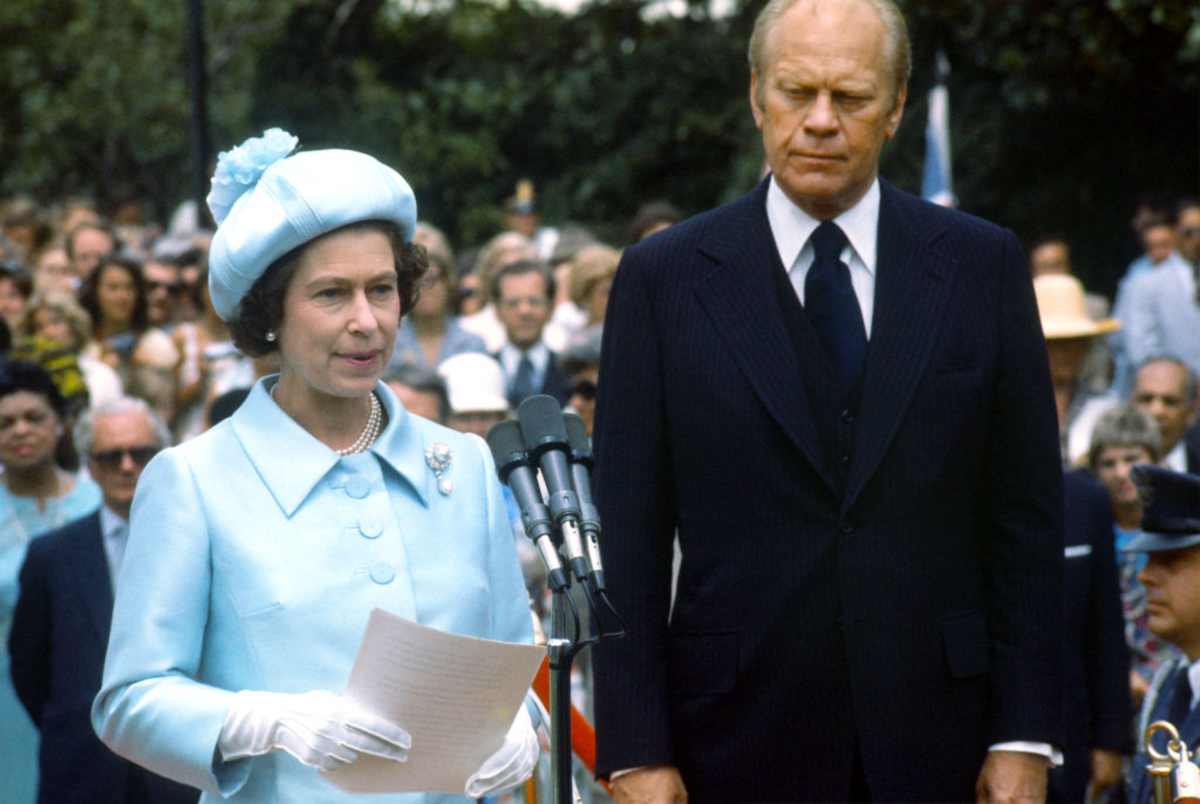
The late Queen’s mastery of ‘soft power’ was on full display during that tour. Speaking in Philadelphia as a descendant of George III, she acknowledged the historical friction with grace. In a moment of profound diplomacy, the sovereign admitted that Britain lost the American colonies because “we lacked the statesmanship to know the right time and the manner of yielding what is impossible to keep”—a quote the commentator used to highlight her conciliatory tone. Called ‘lady with a lot of savvy’ by former US Secretary of State Henry Kissinger, the late monarch effortlessly turned a potentially awkward anniversary into a triumph of friendship—something that Charles also needs to do, Vickers argued, given the remarkably high stakes.
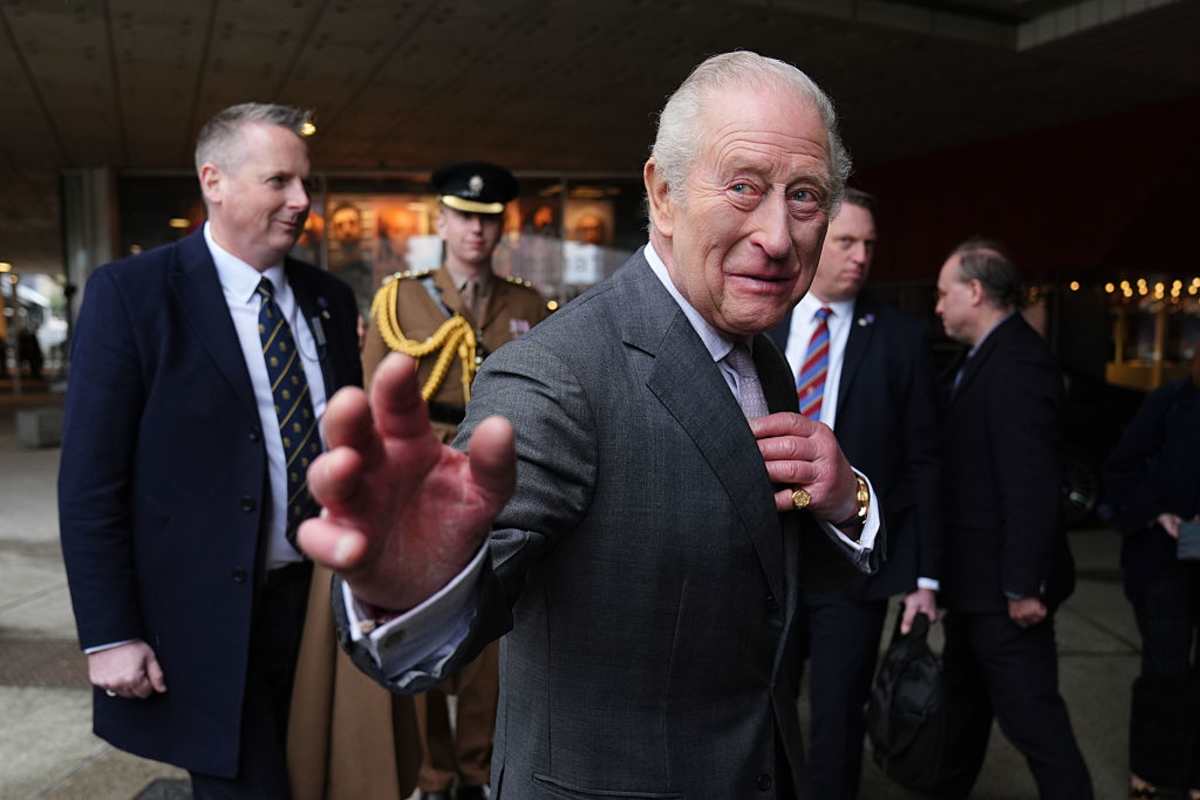
In his write-up, Vickers also cited an old observation that remains strikingly relevant even today, stating, “The Queen has in the past shown her power to mend the ruptures that afflict the most natural of all alliances.” The upcoming visit serves as a reminder that while prime ministers and presidents may bicker over policy and personality, the monarchy operates on a different frequency.