Expert Says King Charles Is Handling Andrew Scandal Differently From Queen Elizabeth
As opposed to the Queen's lenient stance, King Charles stripped Andrew of his royal titles, effectively banishing him into exile.
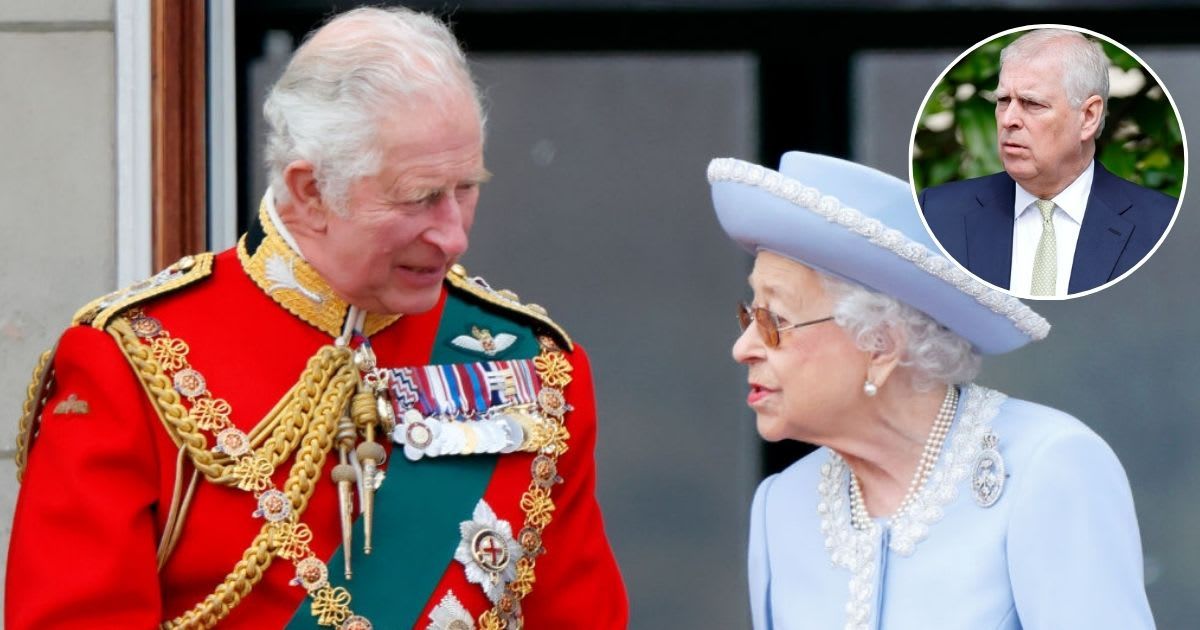


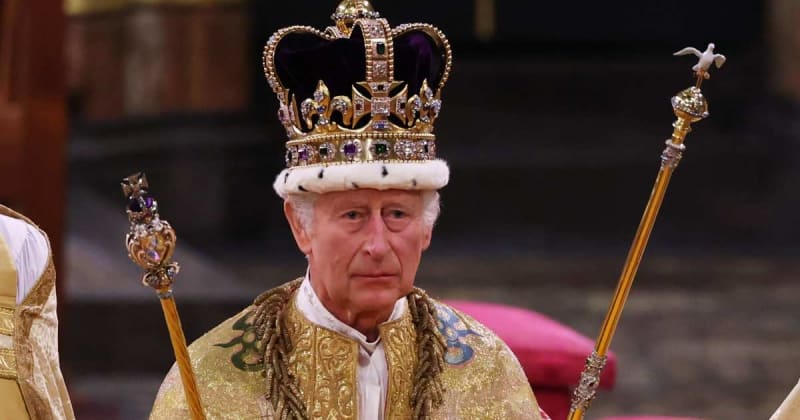
After his scathing ties to Jeffrey Epstein resurfaced, Andrew Mountbatten-Windsor was effectively pushed into exile and stripped of his titles by King Charles. The approach marked a stark contrast to that of the late Queen Elizabeth, who allowed her 'favorite son' to continue attending royal events and removed only his military honors, at his request. Weighing in on the same, royal correspondent Sarah Lyall highlighted the clear difference between the Queen's and Charles's handling of Mountbatten-Windsor's fallout.
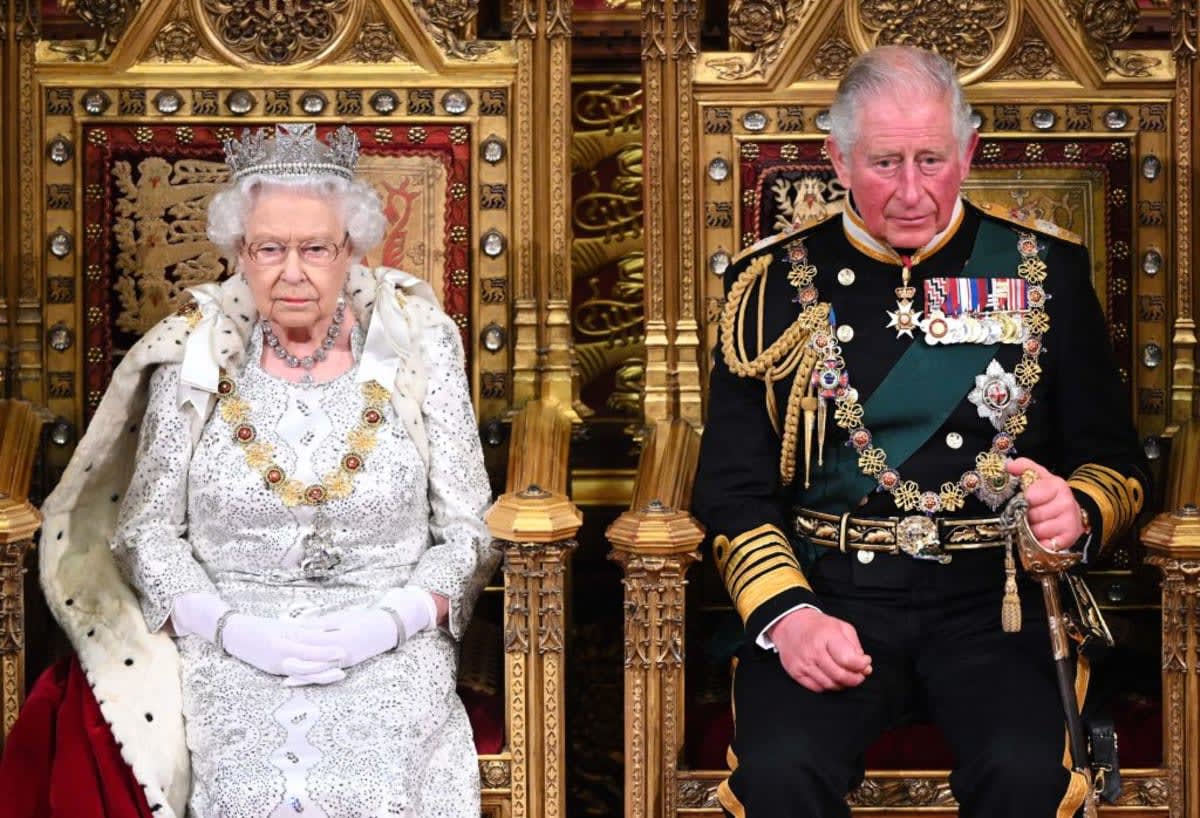
In an article for The New York Times, Lyall wrote that while the Queen protected Mountbatten-Windsor his whole life, Charles was not going to do the same. She mentioned, "He [Andrew] would get no such treatment from King Charles III, who has responded to each new unsavory turn in his brother's scandal by taking away more of the trappings of his royal life — money, status, and titles." To argue her point, she stressed that during the Queen's funeral, Charles allowed the former Prince to attend but forbade him from wearing his military uniform. She added, "Last fall, Charles stripped him [Andrew] of the last vestiges of his royal identity — no more Prince Andrew, no more Duke of York — decreeing that he simply be called Andrew Mountbatten-Windsor."
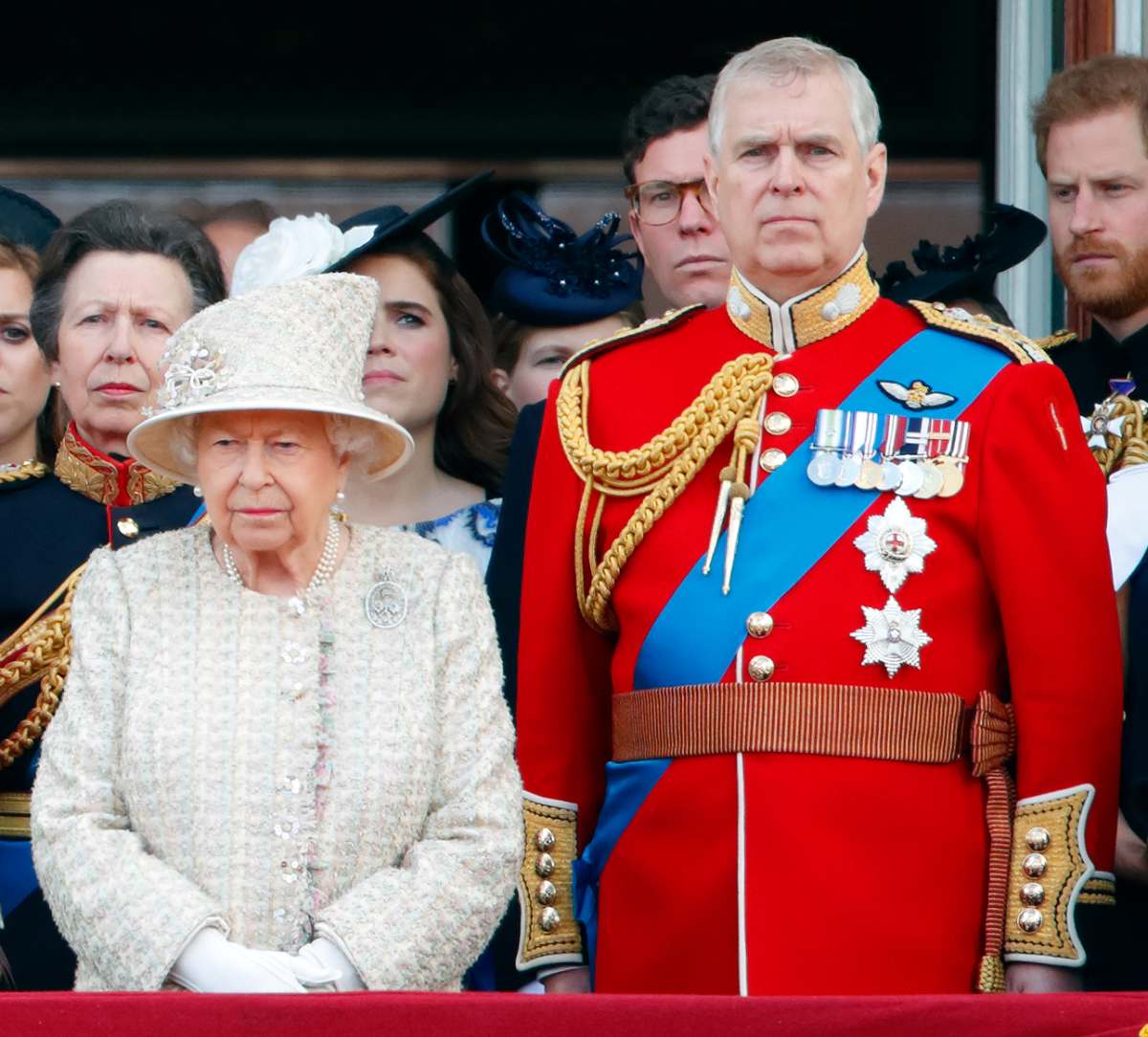
Speaking about Mountbatten-Windsor's shameful February 19 arrest, she further argued that Charles's statement that followed later had the 'sharpness and savagery of a guillotine.' She continued, "Most royal statements are written in an anodyne third-person voice, conveying the thoughts of His or Her Majesty. But this one began with 'I,' offering the unfiltered, if formal, words of an angry King." She also claimed that Mountbatten-Windsor and Charles were not very close over the recent years, rarely appearing in public together, except for major royal events like Trooping the Color.
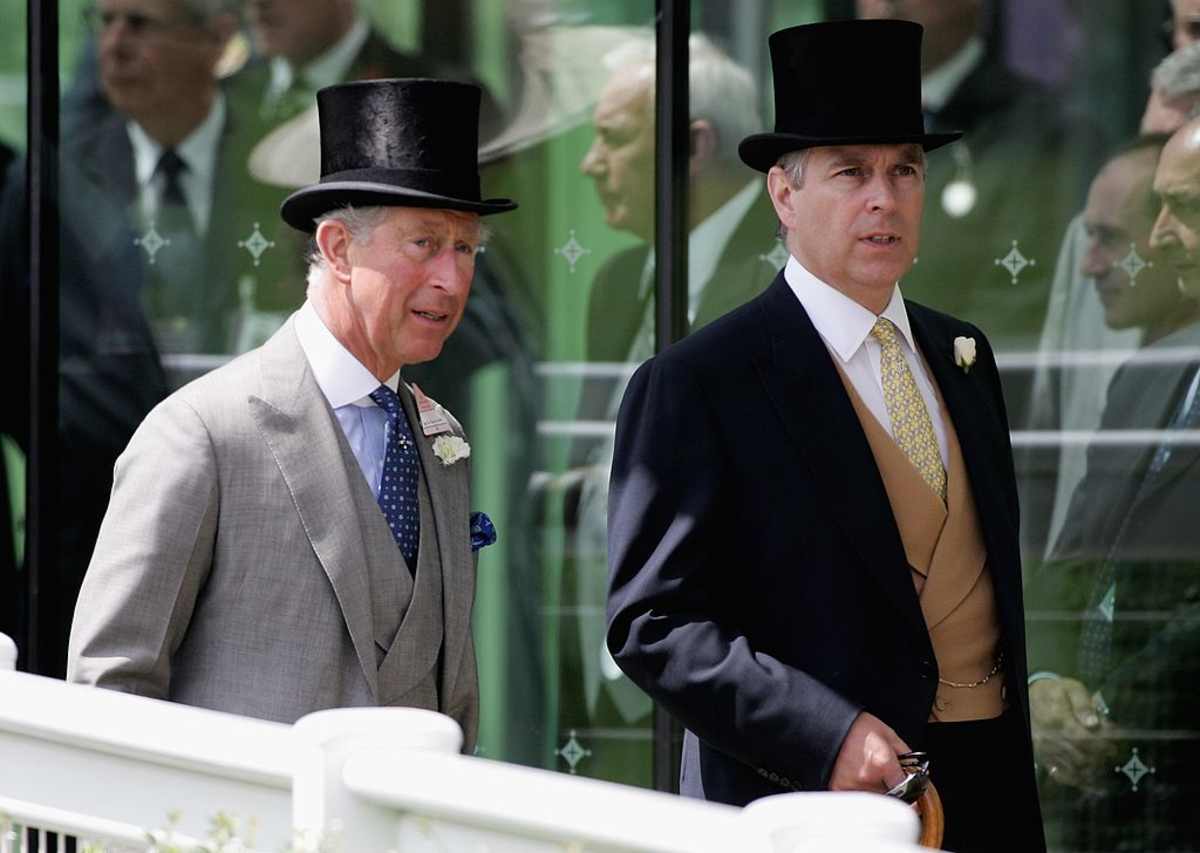
As the third child born to the late Queen, after many years, Mountbatten-Windsor grew up in a world where hierarchy insulated him, and consequences for bad actions were non-existent. By adulthood, his power and royalty had hardened into entitlement. "He was her favorite… She protected him, and Mummy was his only client, essentially," royal expert Tina Brown told The New York Times podcast The Interview, adding that the Queen's loyalty ended up having a reverse effect. "She was the one who protected him so, unfortunately, it made him worse."
Brown, who didn't shy away from questioning the Queen's enabling, suggested that Andrew's subsequent fall from grace, if it ever existed, was never brought into account. She continued, "The Queen was there for 70 years, right? The hagiography around the Queen is intense, you know? I mean, you're not allowed to ever criticize the Queen." Similarly, royal author Andrew Lownie also mentioned in his book, Entitled: The Rise and Fall of the House of York, that the late monarch was allegedly aware of her second son's questionable financial dealings, going so far as to claim that, "She allowed it to happen."