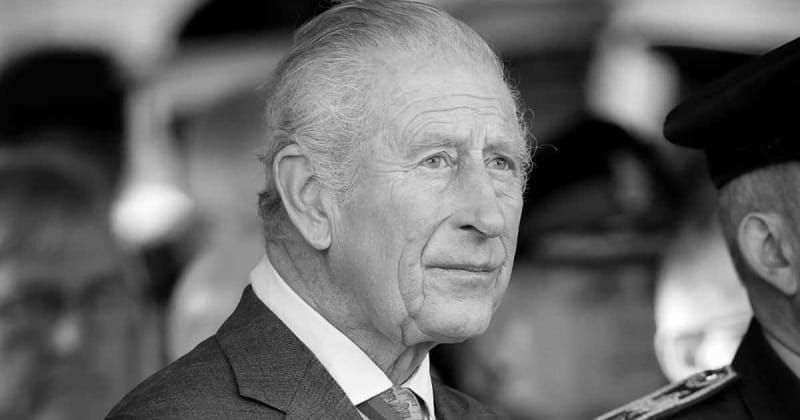
King Charles’ Andrew Statement Was ‘Significant’—But the Monarchy Has to Do More: Expert
Emily Andrews says the monarchy’s credibility 'depends' on decisive action.
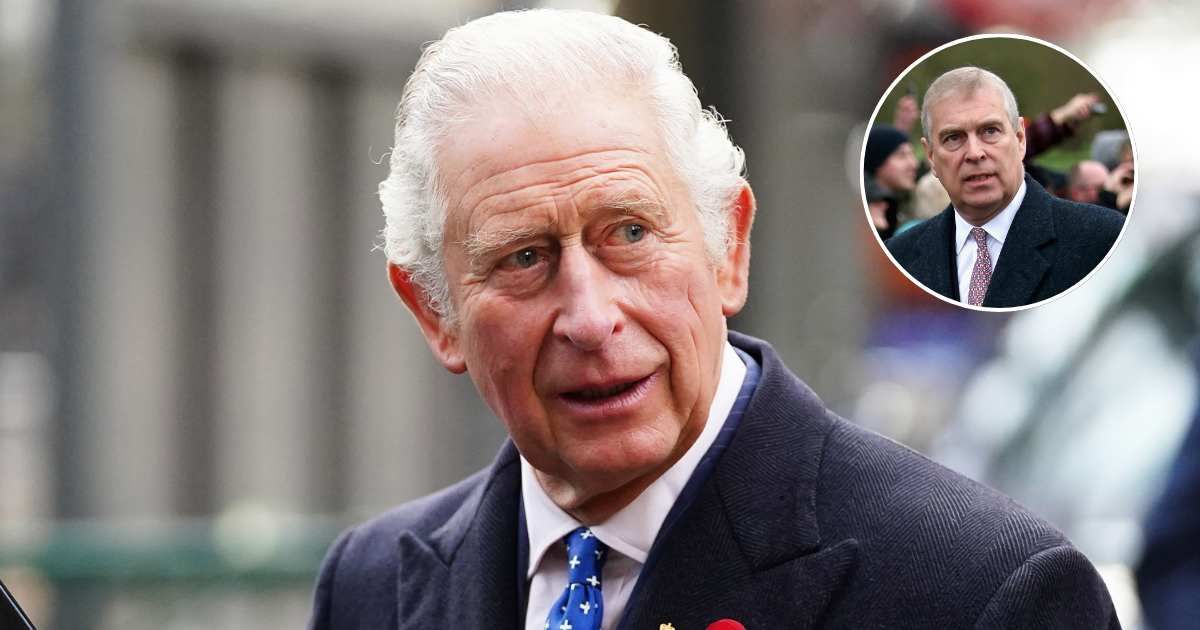


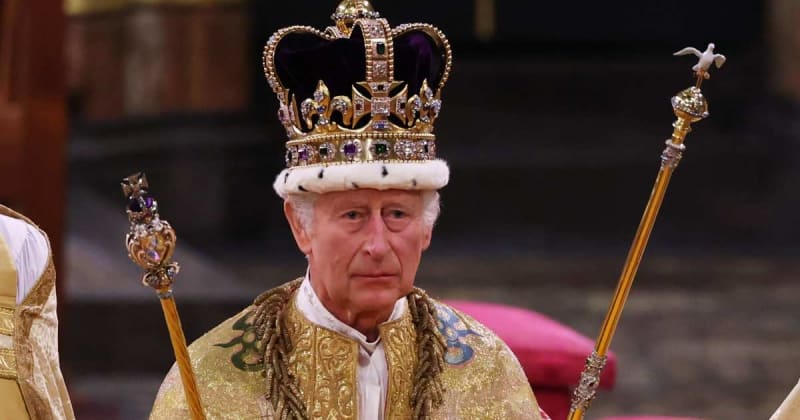
King Charles waited more than seven decades for the crown, only to find his reign repeatedly overshadowed by his brother’s past. He may well have thought he had drawn a decisive line under the Andrew Mountbatten-Windsor saga. Yet the steady drip of fresh Epstein-linked material suggests this is not a chapter neatly closed, but one that continues to tug at the hem of the monarchy—leaving the Crown itself uncomfortably in the spotlight.
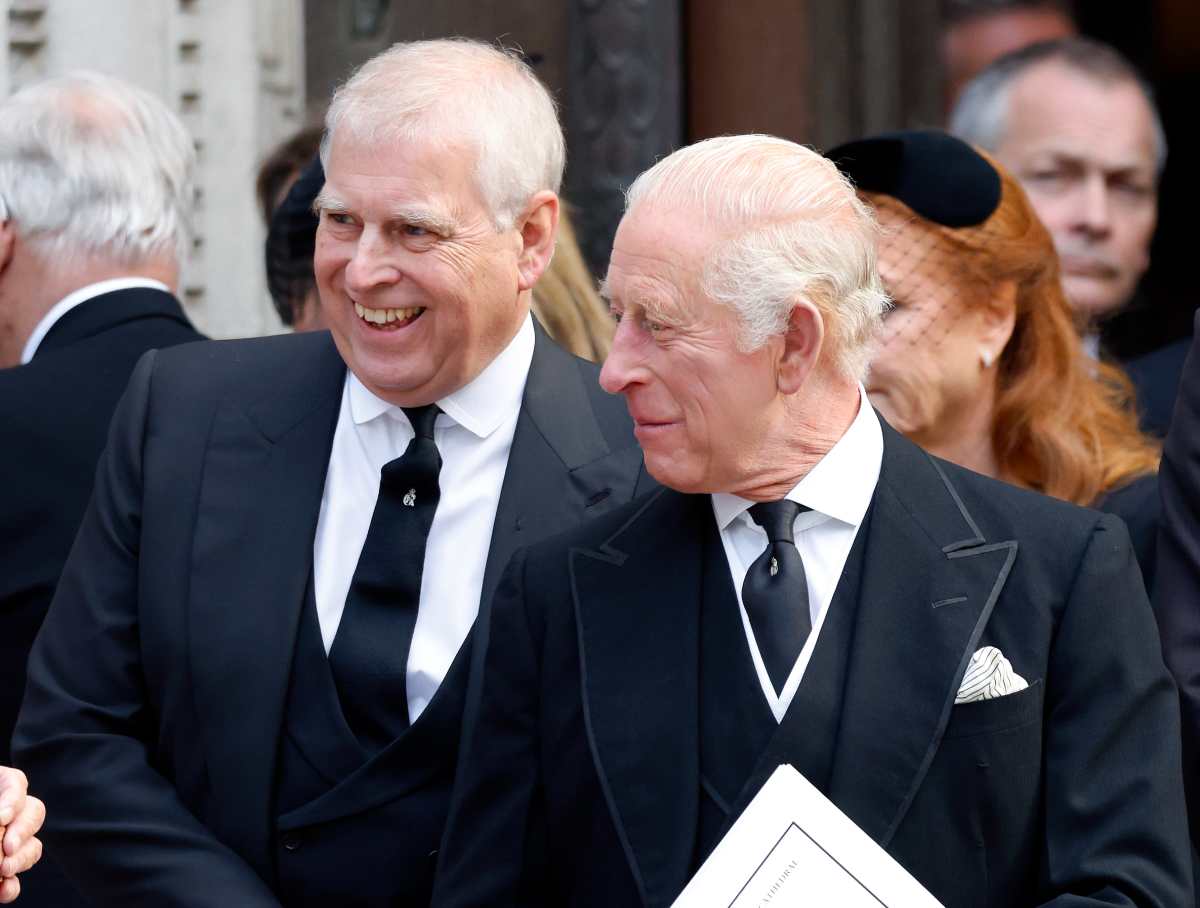
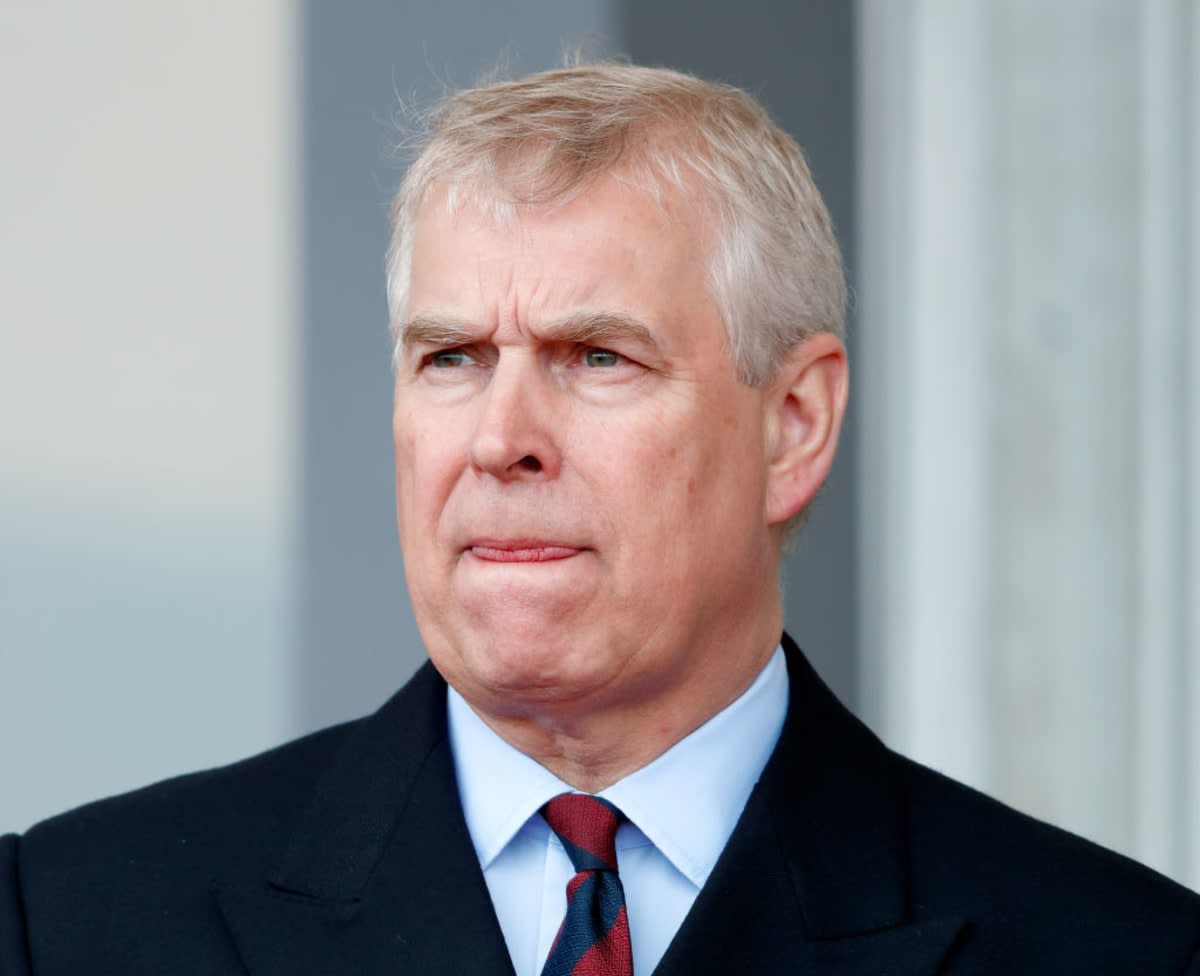
In many respects, the King has already taken decisive action. Mountbatten-Windsor has been stripped of his military affiliations and royal patronages, removed from public life, and effectively sidelined from the institution. He no longer uses his HRH title in an official capacity and was forced out of Royal Lodge, retreating instead to a more discreet existence at Sandringham. And on paper, it looks like every form of containing.
But Emily Andrews, who wrote for Woman and Home, said that containment is no longer enough. In her view, the King’s recent intervention was ‘significant’—yet the monarchy now stands at a crossroads where stronger action may be unavoidable.
This comes after the release of a vast tranche of Epstein-related documents—some 3.5 million files—which have triggered what Andrews describes as a damaging “drip drip drip” of revelations. Among the material circulating are images and emails that have reignited public anger, including a photograph appearing to show Mountbatten-Windsor at Jeffrey Epstein’s New York townhouse.
The question, Emily suggests, is what the King does next. Pointing to last week’s coordinated response from Buckingham Palace, she said, “I thought it was significant that both he and the Prince and Princess of Wales issued a statement,” she wrote. For William and Catherine, it marked the first time they had publicly addressed the issue, saying they were “deeply concerned” about the ongoing revelations.
Later that same day, the King confirmed that the Royal Household would assist with any investigation “if asked.” Yet according to Emily, there are questions whether that threshold is sufficient in today’s climate. Public patience with perceived double standards has thinned. “For too long it has appeared as if it’s one rule for us, hoi polloi, and another for the super rich and powerful,” she wrote.
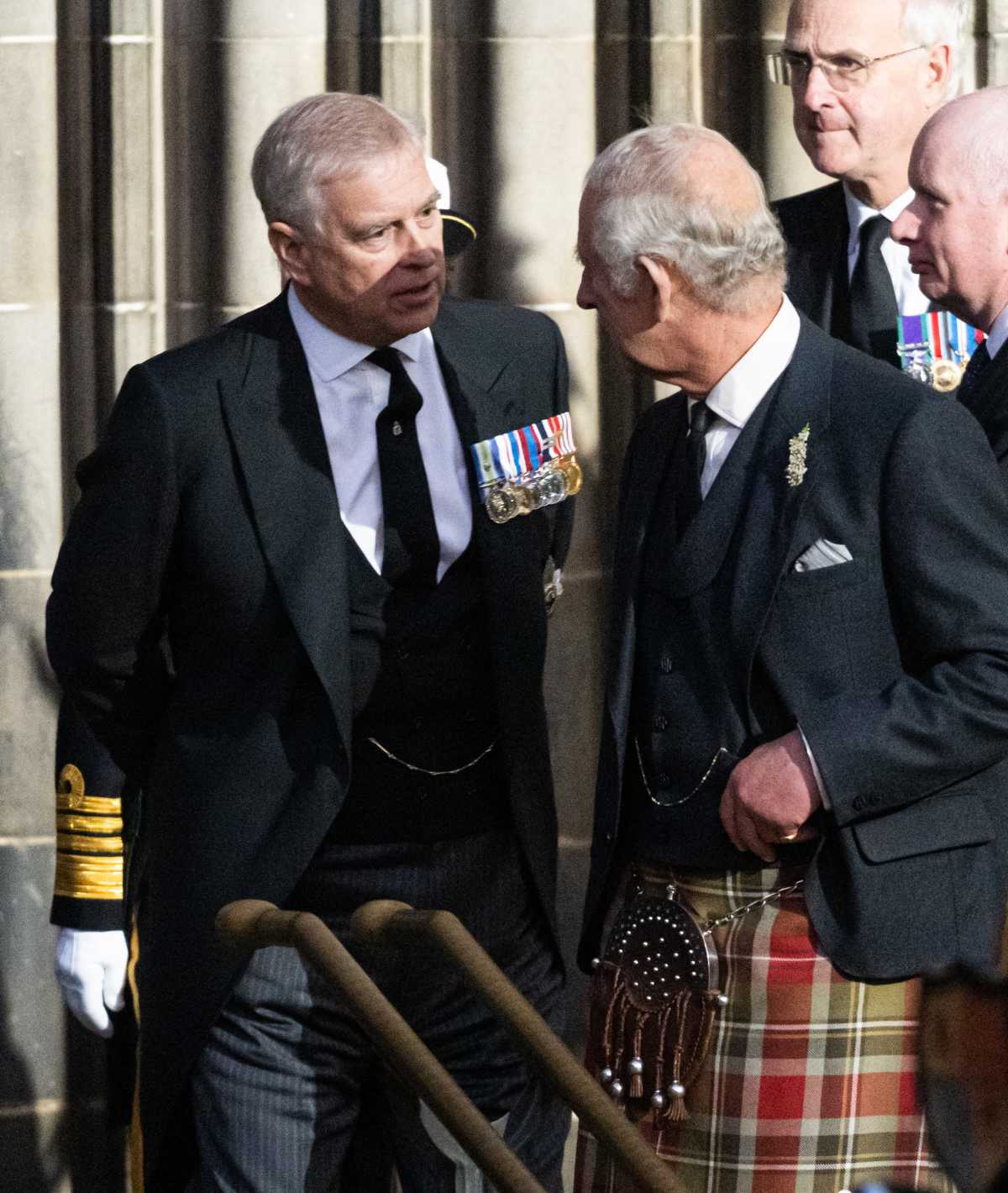
She also happened to raise the possibility that internal questions should have been pursued much earlier—particularly after Virginia Roberts Giuffre’s interview first brought allegations into the open in 2011. At the very least, she suggests, palace officials could have examined official communications. Emily acknowledges that the Royal Family would be wary of opening the door to further investigation, conscious of what else might emerge. “‘Never complain, never explain’ is just not going to wash any more,” she writes.
If the monarchy is to retain public confidence, she argues, it must demonstrate unequivocally that it takes these allegations seriously. Expressions that “our thoughts and sympathies remain with the victims” are not enough on their own. In her view, the institution must go further—proactively assisting authorities, clarifying timelines, and possibly even hearing directly from the King in a public address. She wrote, “In my opinion, the future of the monarchy depends on it.”