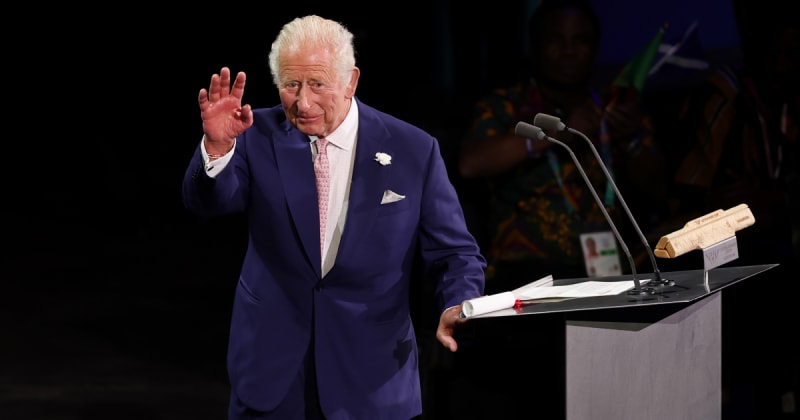
King Charles Reveals He Pays $39M in Tax — But His Real Income Remains Secret
A comprehensive research estimated King Charles III’s private fortune at approximately $2 billion (£1.8 billion).
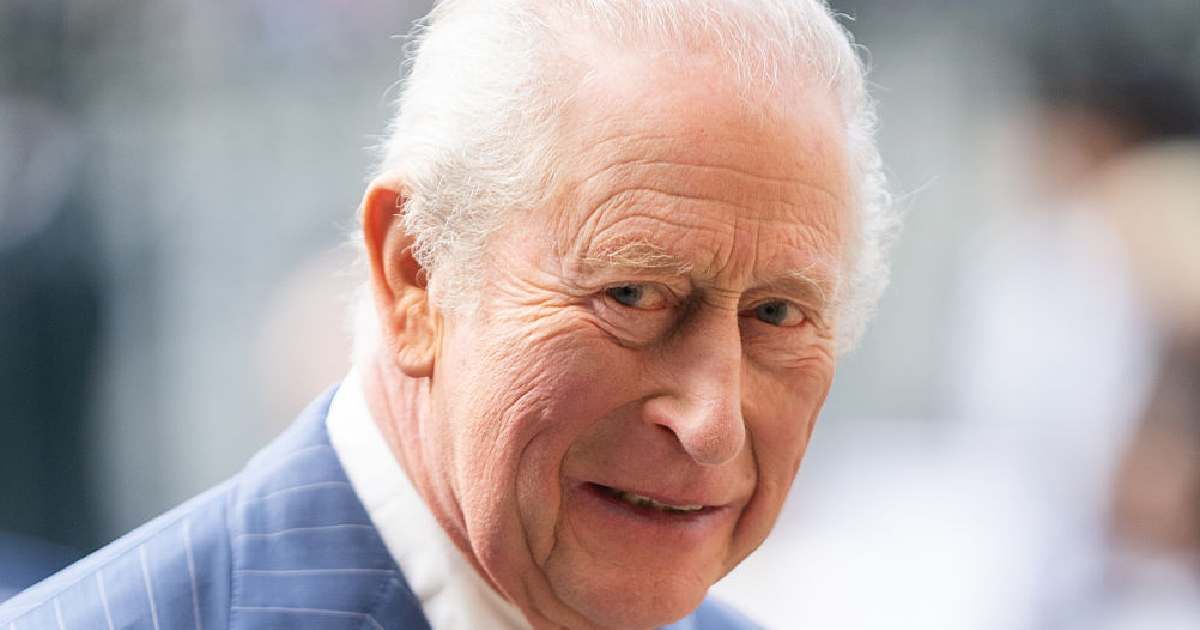


King Charles has publicly disclosed his personal tax payments, becoming the first reigning British monarch to do so. Buckingham Palace announced in June 2026 that he had voluntarily paid over $39 million (£30 million) in taxes since becoming king in September 2022. This unprecedented move highlights a shift in royal financial transparency, setting Charles apart from previous monarchs and positioning him among the UK's top taxpayers. However, the question arises about the various other financial aspects of the royal family that have been hidden from the public. However, it has been alleged that the report reads like a copy produced as a saving grace amid the numerous crises currently rocking 'the firm' and fails to give a comprehensive picture of the monarchy.
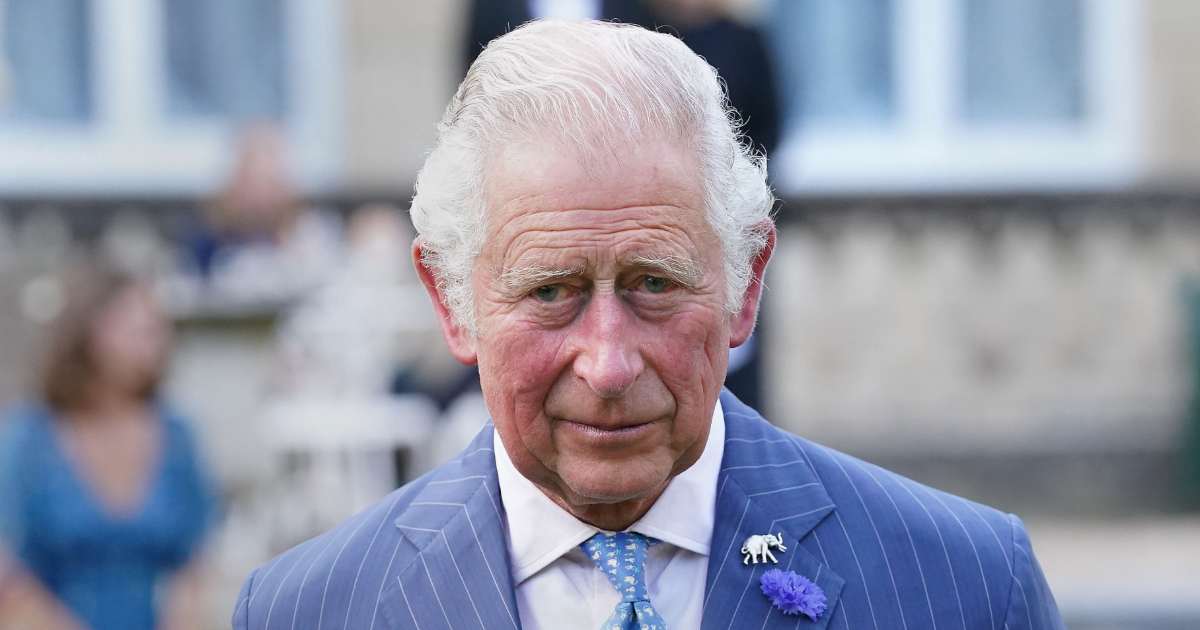
According to The Guardian, the recent tax declaration regarding the British royal finances reveals limited information. Although British monarchs are not required to pay taxes, Charles and his mother began doing so voluntarily in 1993. This year marks the first public disclosure of the tax amount: $17.05 million ( £12.9 million) for 2024-25, up from $15.46 million (£11.7 million) in 2023-24. However, details about the king's taxable income remain undisclosed. While he received $33 million (£25.2 million) from the Duchy of Lancaster for 2025-2026, earnings from his private estate are still concealed. Additionally, it is unclear how much the king deducted for official expenses, which could potentially be significant, as such expenditures are tax-exempt.
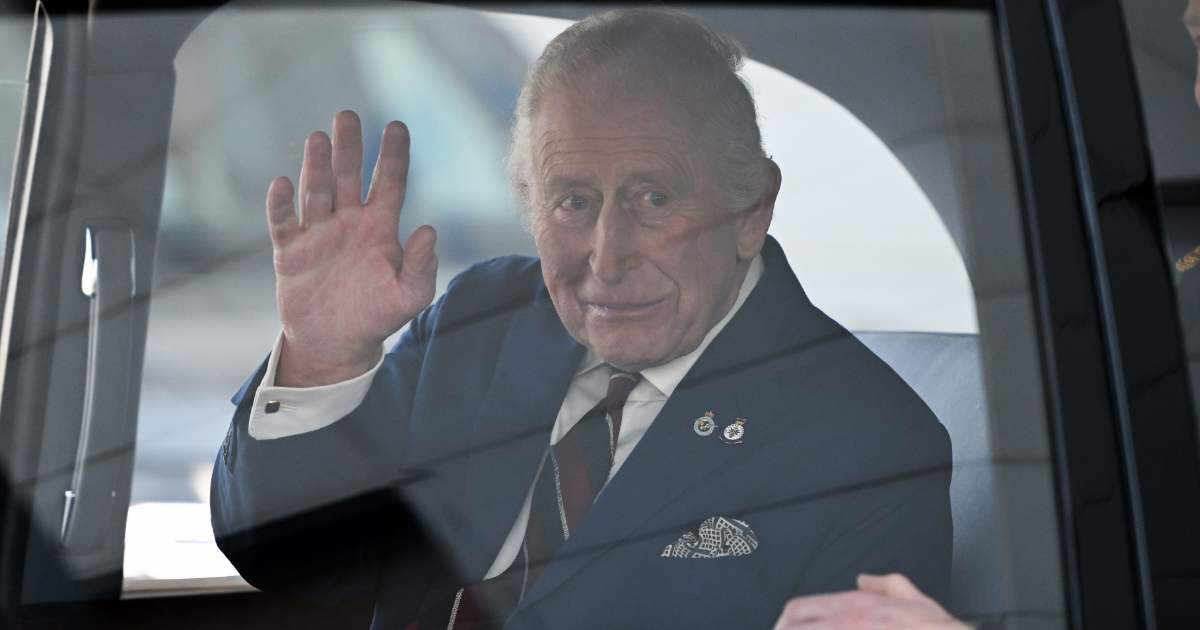
In a comprehensive independent research by The Guardian, the 'Cost of the Crown' audit estimated Charles’s private fortune at approximately $2 billion (£1.8 billion). Key assets include the Duchy of Lancaster, valued at $863 million (£653 million); jewelry and gemstones, valued at $704 million (£533 million); and real estate, such as the Balmoral and Sandringham estates, valued at $436 million (£330 million). Additionally, other assets include investments, shares, a rare stamp collection valued at least $132 million (£100 million), racehorses, and luxury vehicles. Other missing aspects include the income details of the working royals. There are 11 members of the Windsor family performing royal duties, with seven receiving pay from King Charles' wealth, though individual earnings remain undisclosed due to changes enacted by David Cameron's government in 2011.

Secondly, over the years, the Windsors have received presents totaling millions of pounds, including jewelry, paintings, and horses. The current status of these gifts, many of which appear to be a part of the family's own fortune, remains debated, as is the distinction between gifts related to their official positions and personal ones. It is expected that King Charles might explain which gifts are now owned as his family's private property. Thirdly, since 1911, 33 sealed wills of Windsor family members have been kept discreet, despite wills in Britain typically being made public. King Charles could end this tradition by ordering the opening of these sealed documents.