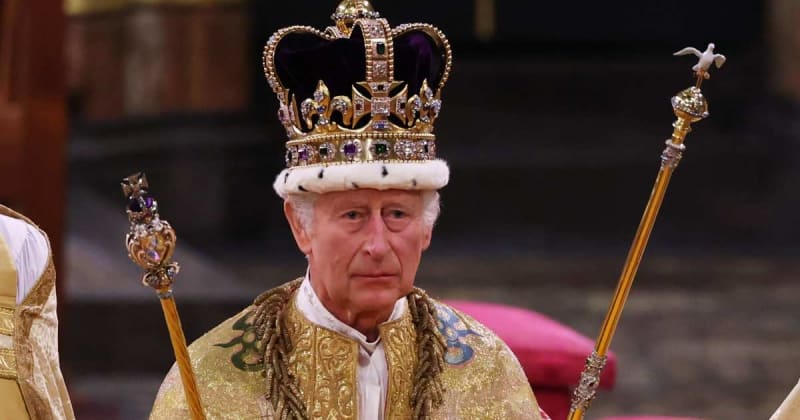
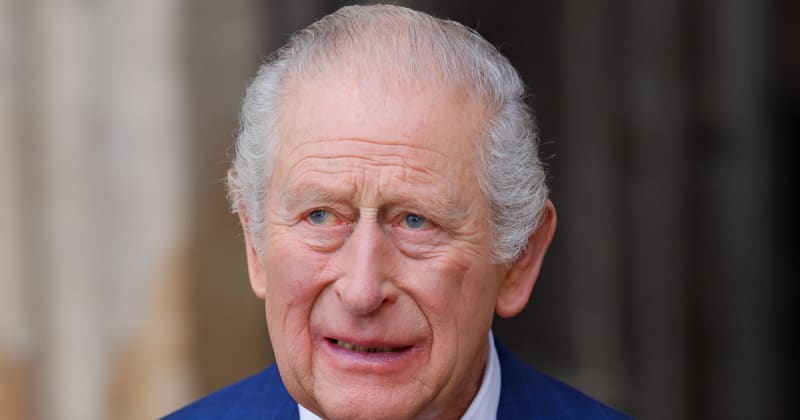
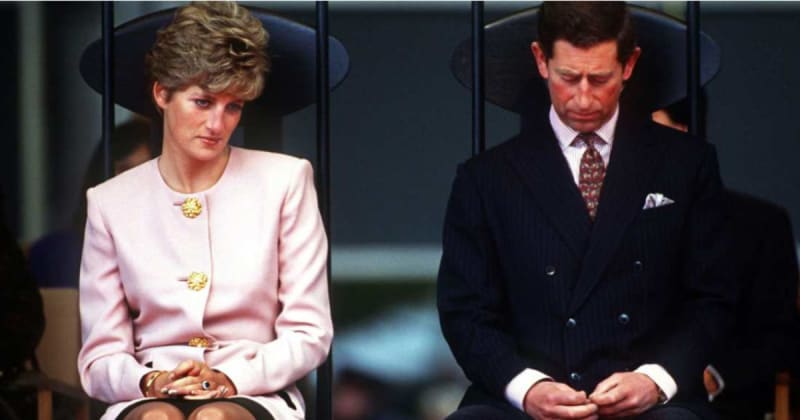
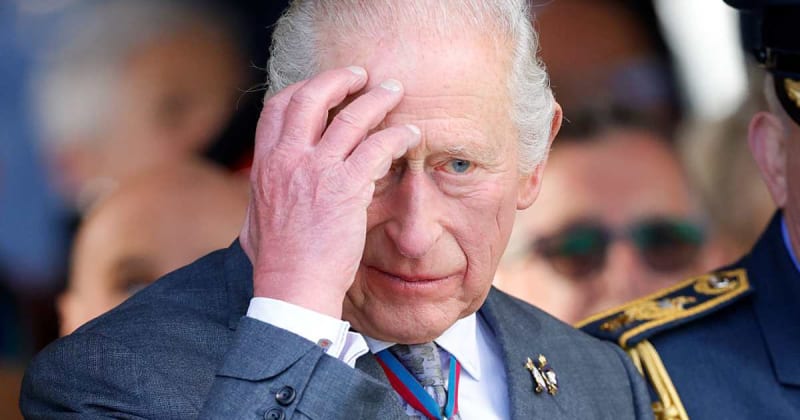
King Charles's Latest Move May Be a Response to Monarchy Support Crashing to a Historic Low
While 60% of Britons believe in the monarchy's essential role, this has declined from 67% in 1999-2000, particularly among youth.
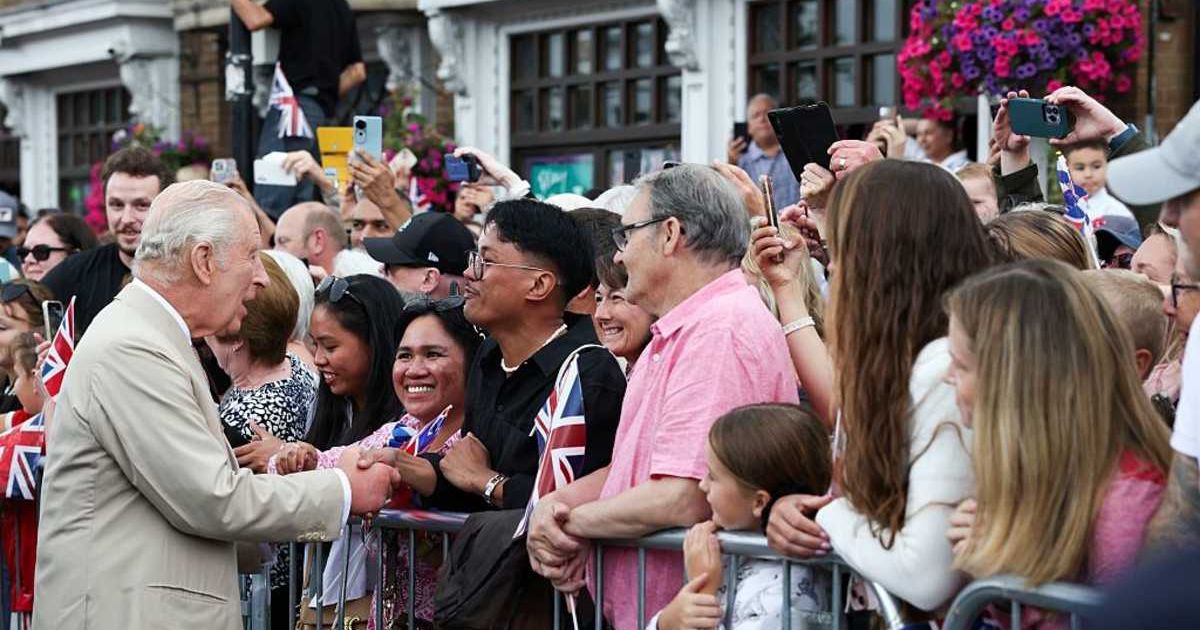


The seven-decade golden reign of Queen Elizabeth II transformed the British monarchy from a traditional institution into a symbol of stability and continuity. She remained glorified as a taintless leader in the face of several tribulations that rocked the 'firm' during her time. However, the people's loyalty seems to have shifted under King Charles as he grapples with ongoing legal and financial issues, each exposed one after another. While the King benefits from the Sovereign Grant and private income from the Duchy of Lancaster, balancing historical autonomy with modern demands for transparency poses challenges. Controversies involving royal family members and the use of private funds have intensified scrutiny. Thus, this has significantly affected the public's rating of the royal family, as revealed by a recent Ipsos poll.
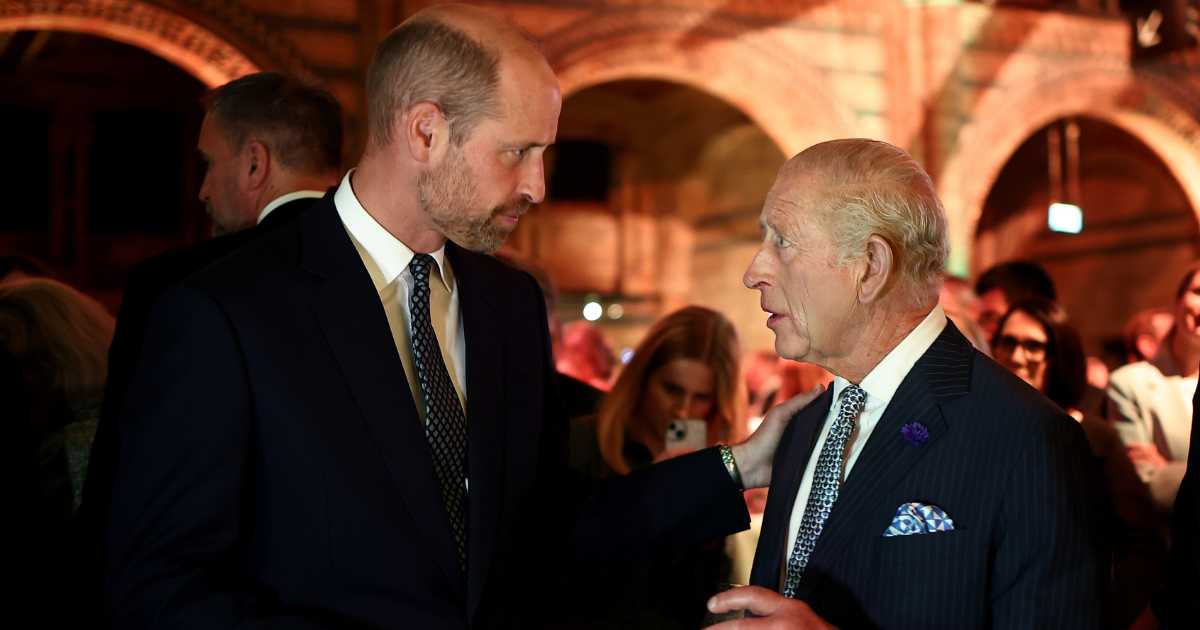
Reports indicate that support for the monarchy in Britain has dropped to 55%, the lowest in 33 years, with younger generations showing increasing republican sentiment—only 33% of those aged 18-34 support the monarchy, compared to 74% of those over 55. Despite this decline, satisfaction with King Charles and Prince William is high, at 60% and 71%, respectively. Additionally, 60% of the population believes the monarchy will continue to play an important role in the future. Since 1993, average support for the monarchy has been 71%, but it has decreased from 60% in 2021 to the current percentage, with 27% favoring a republic and 18% undecided. Going into the detailed analysis, significant age-related disparities exist in support for the monarchy in Britain.
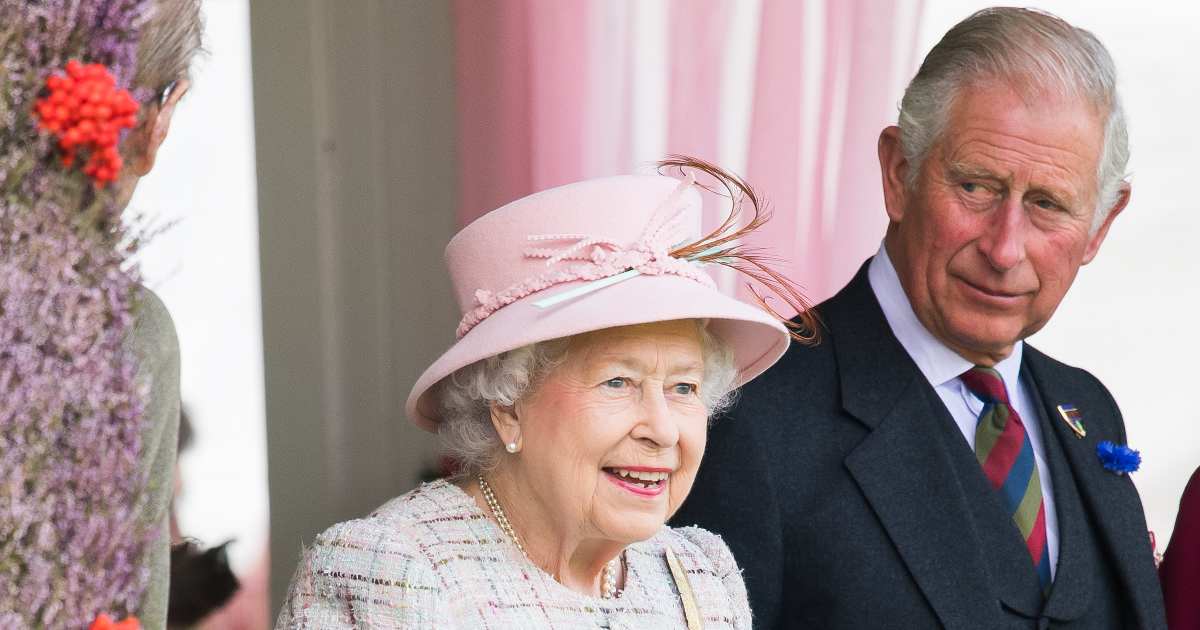
Support among those aged 18-34 has plummeted to 33%, down from 74% in 2013. Among the 35-54 age group, support stands at 51%, decreased from 78% in 2012-13. In contrast, 74% of individuals aged 55 and older continue to support the monarchy, consistent with 75% in 2005. King Charles holds a 60% satisfaction rating, lower than Queen Elizabeth II's 79% average, with only 38% satisfaction from the younger demographic. Prince William fares better with a 71% satisfaction rate, down from 89% as the Duke of Cambridge. While 60% of Britons believe in the monarchy's essential role, this has declined from 67% in 1999-2000, particularly among youth, where only 38% agree.
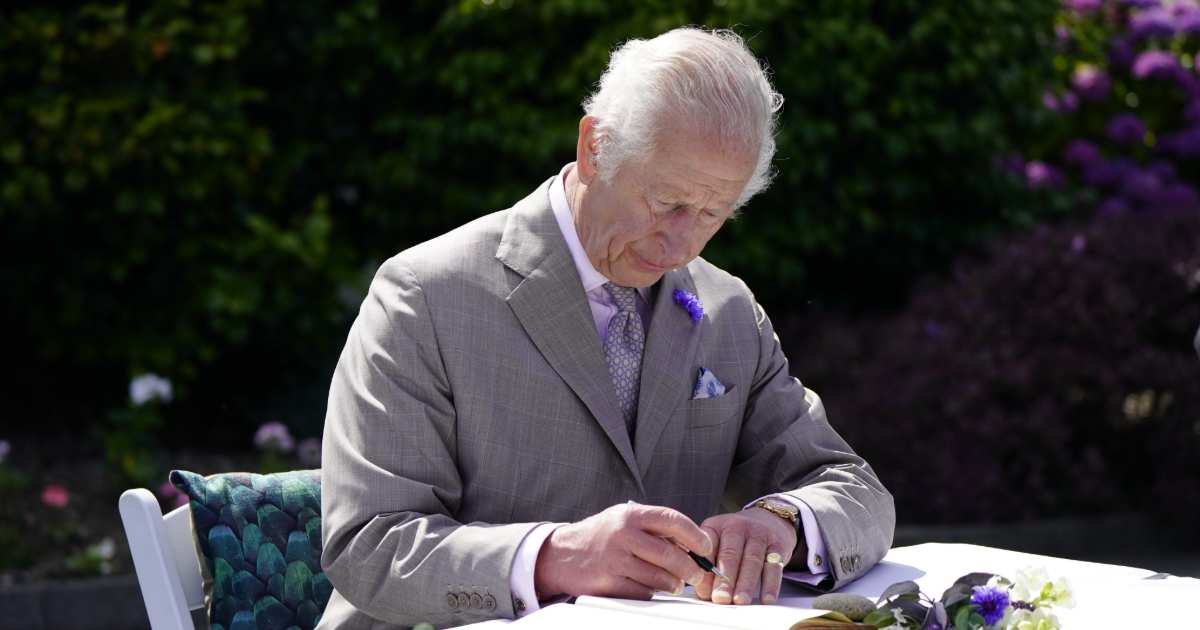
Hence, in what could be seen as a bid to help rehabilitate the monarchy's public image and modernize its financial practices, Charles has announced plans to publicly disclose his personal tax payments, a move that would make him the first reigning monarch in history to do so. The decision may be strategic, as the institution appears to be under increasing pressure to adapt to modern expectations for financial accountability and transparency.