King Charles Is Leaving William to Clean Up — and the Mess Is Bigger Than the Palace Will Admit
As Harry and Meghan continue unchallenged, one royal commentator says the Palace's inaction is quietly engineering a crisis William may not be able to survive.
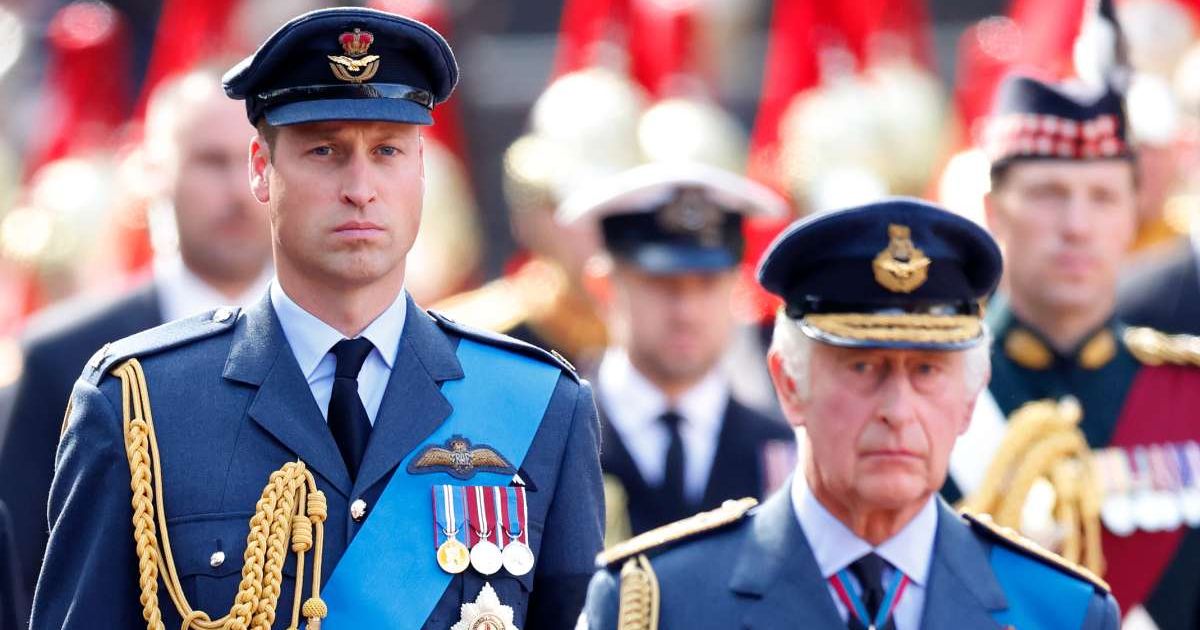


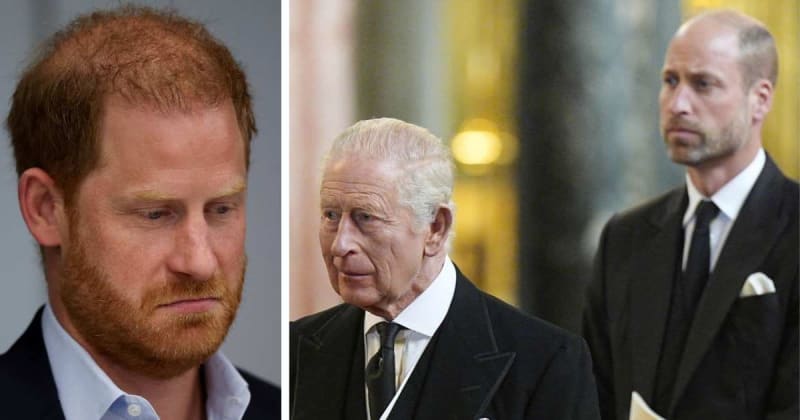
For as long as the modern monarchy has existed, the relationship between a reigning sovereign and their heir has been one of the most closely watched dynamics. The two roles demand different things, attract different expectations, and often produce very different kinds of people. King Charles and Prince William are no exception. Whereas William has shown a willingness to confront uncomfortable truths, draw clear lines, and modernize the monarchy's public image, Charles has historically favored caution, discretion, and letting difficult situations resolve themselves. For years, that contrast was simply a matter of style. Increasingly, royal watchers are arguing that it is becoming a matter of consequence — and the situation involving the Duke and Duchess of Sussex is making that impossible to ignore.
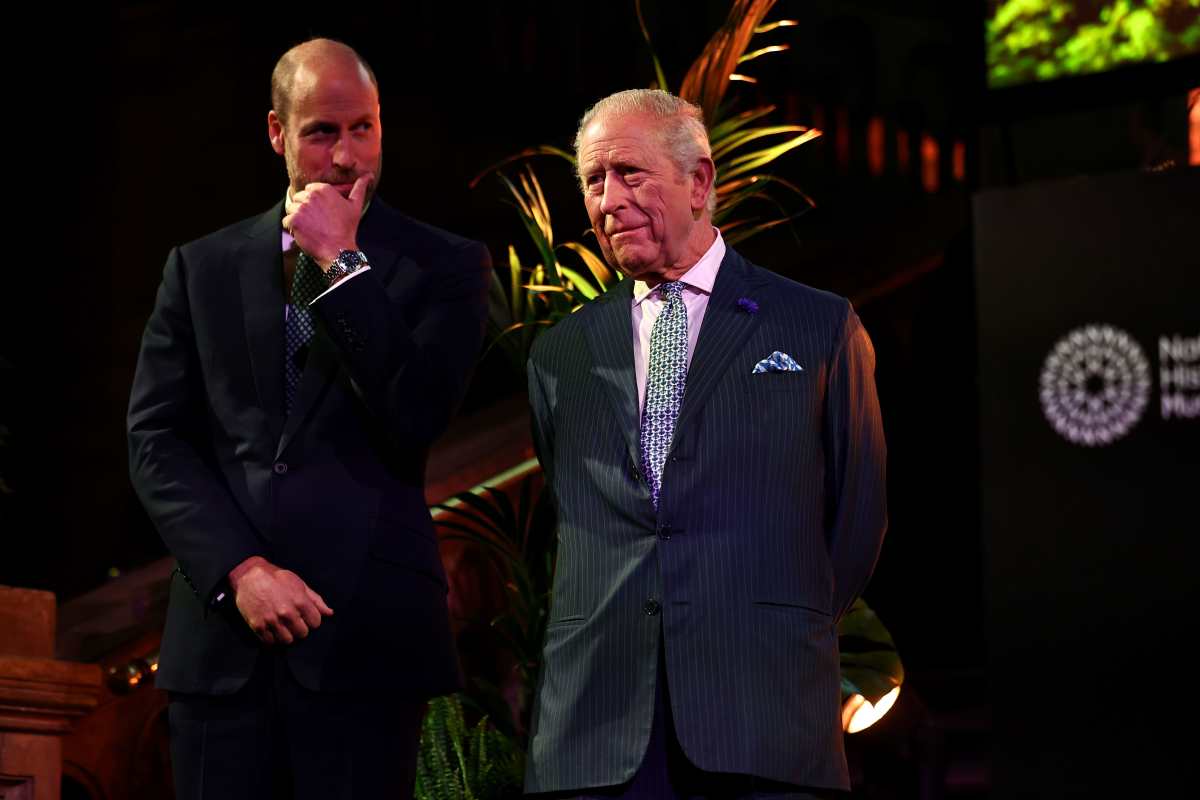
There is this opinion circulating through royal circles. "Charles won't touch it. William will have to." It is meant to reassure. To royal commentator Shauna Kay, it is anything but. Kay argued that what is being framed as patience from the Palace is actually negligence — and that every crisis Charles declines to address, including the increasingly destabilizing behavior of his younger son and daughter-in-law, is being quietly handed down to William, on her podcast, A Vintage Read Show!
For years, she says, Charles has responded to controversy only when the optics have become personally damaging — and even then, the response has been tentative at best. The Sussex situation, with its toxic memoir, its faux royal tours, and the blatant commercialization of royal titles and symbolism, has tested that approach to its limits. "He's reacting as stuff unfolds," Kay observed, "and when it looks bad for him, he does something half-hearted that makes him look good but doesn't really do anything."
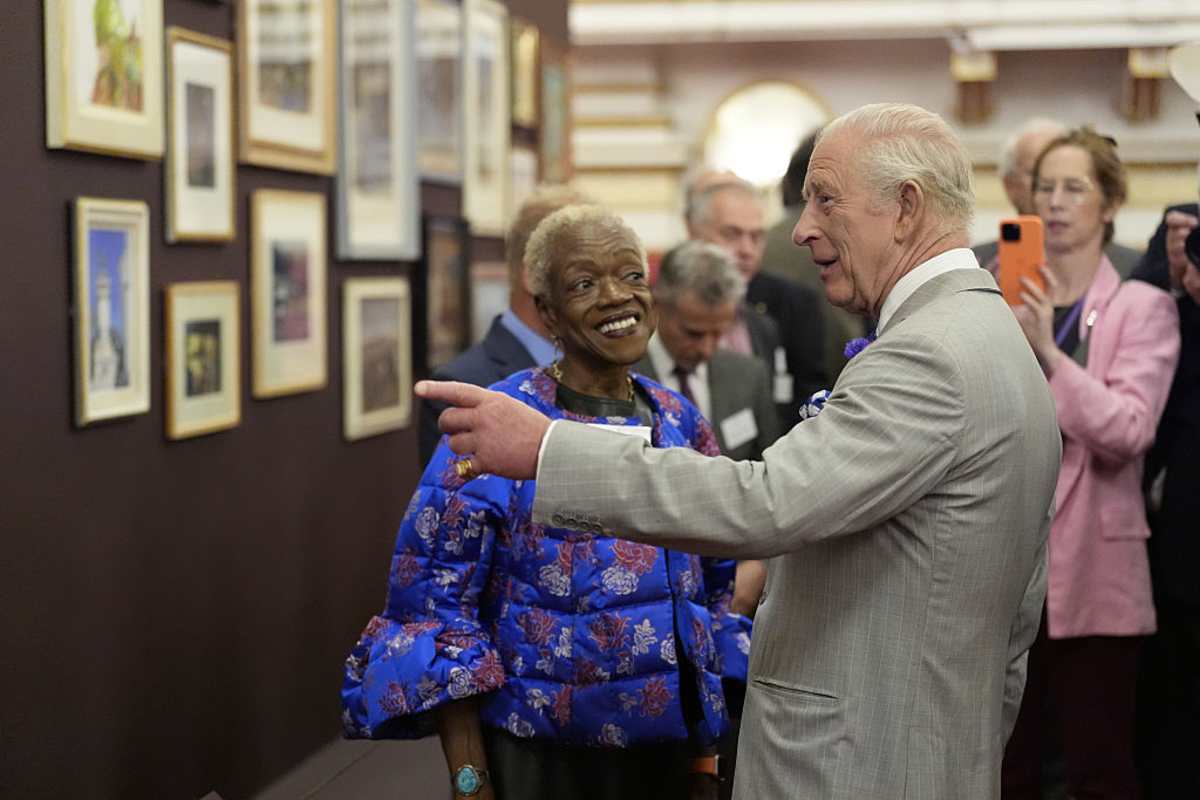
The result, she argues, is an institution that has been drifting without clear leadership since the death of Queen Elizabeth II. The late Queen set firm boundaries, acted on them consistently, and did so even in the final years of her life when her health was failing and her husband was dying. When Harry and Markle's behavior demanded a response, she responded. That standard, Kay says, has simply evaporated under Charles.
Much of the confusion around the Crown, Kay argues, comes from a failure to distinguish between three separate things — the Monarch, the Institution, and the Establishment. They are not interchangeable, and blurring them is precisely how accountability gets lost. Charles, as the reigning monarch, has a constitutional duty to define the boundaries, communicate them clearly, and enforce them. That duty, in Kay's assessment, is going almost entirely unfulfilled. There are no red lines. And in the absence of those red lines, the Sussexes have continued to gain ground, unchallenged and unopposed.

The growing consensus — that William will deal with Harry and Markle when his time comes — is not a solution, she says. It is a constructed problem. By the time William ascends the throne, the forces currently gaining ground will be far more deeply entrenched. If he acts against his brother and sister-in-law, he risks being framed as attacking minorities or targeting the charitable causes the Sussexes have strategically aligned themselves with. If he does not act, the monarchy loses ground that it may never recover. His reign, either way, begins in crisis.
"You're setting him up," Kay said bluntly. "And people who want to pull down the monarchy know exactly the dangerous effect of that in the first months of a reign." What makes Kay's analysis uncomfortable is that it does not stop at Harry and Markle. It points further up. Kay said that, as Richard Eden has suggested, there are establishment figures actively working to influence the King on the Sussexes' behalf, and that this dimension of the story is being dangerously underestimated. Institutions, she argues, do not fracture only because of external pressure. They fracture when leadership at the top refuses to act. And the question she asks is an unsettling one. Why is this being allowed to continue?