King Charles Breaks One of Queen Elizabeth's Long-Standing Traditions With His Latest Move
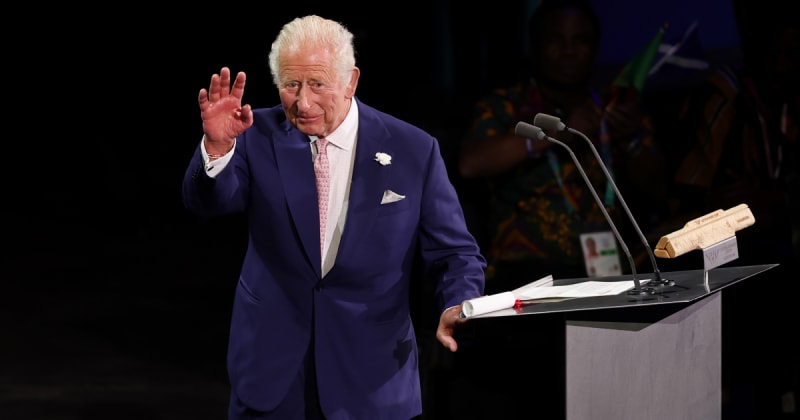
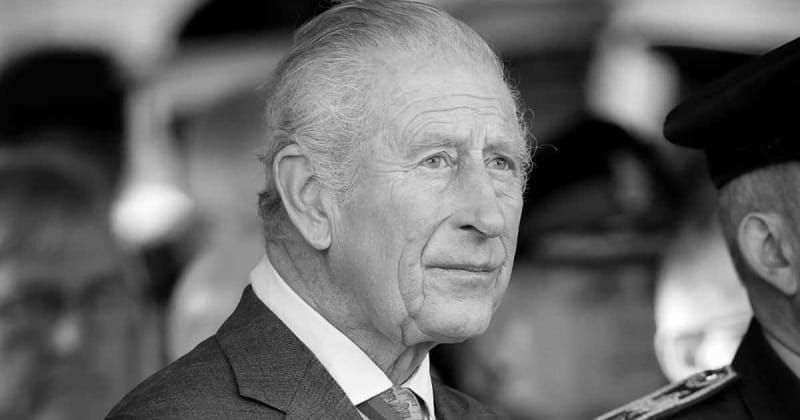
Instead of staying at the Norfolk estate until February, King Charles has returned back to London in early January to jump straight back to work after a brief break.
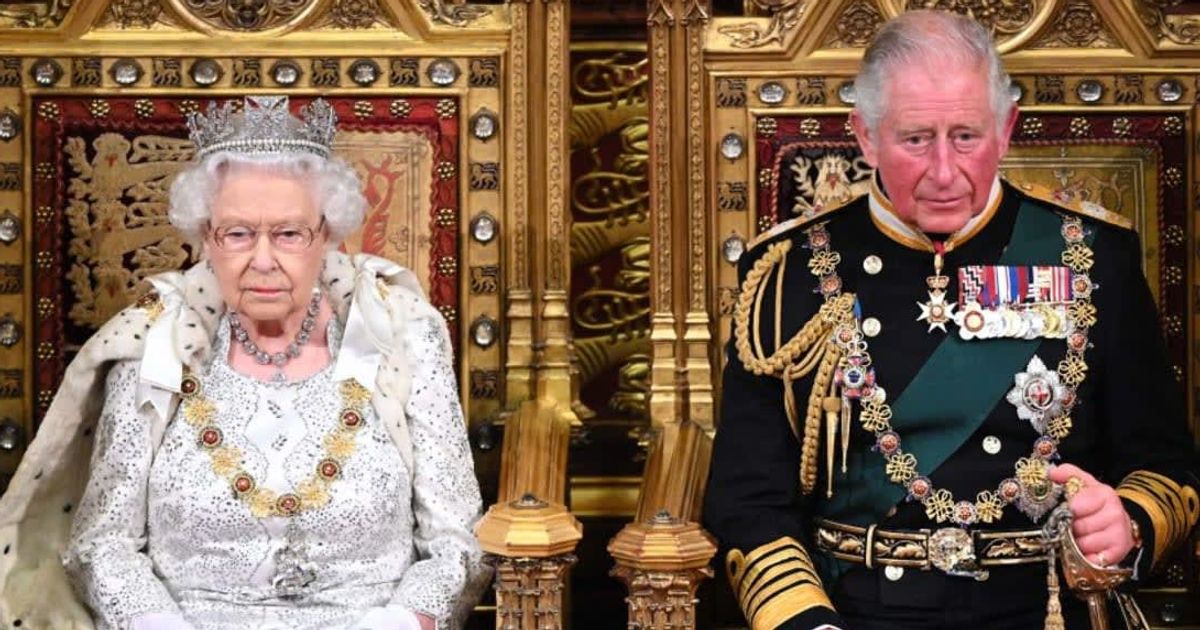


King Charles has broken one of Queen Elizabeth II’s long-standing traditions by ending his stay at Sandringham far earlier than she did. Instead of staying at the Norfolk estate until February 6, the anniversary of King George VI’s death, the monarch returned to London in early January to jump straight back to work after a brief break. The move perfectly reflects a broader pattern of how Charles is reshaping royal traditions. However, this was not the first time he had cut his trip short to return to his duties. In fact, he has followed this for the third consecutive year since ascending the throne in 2022.
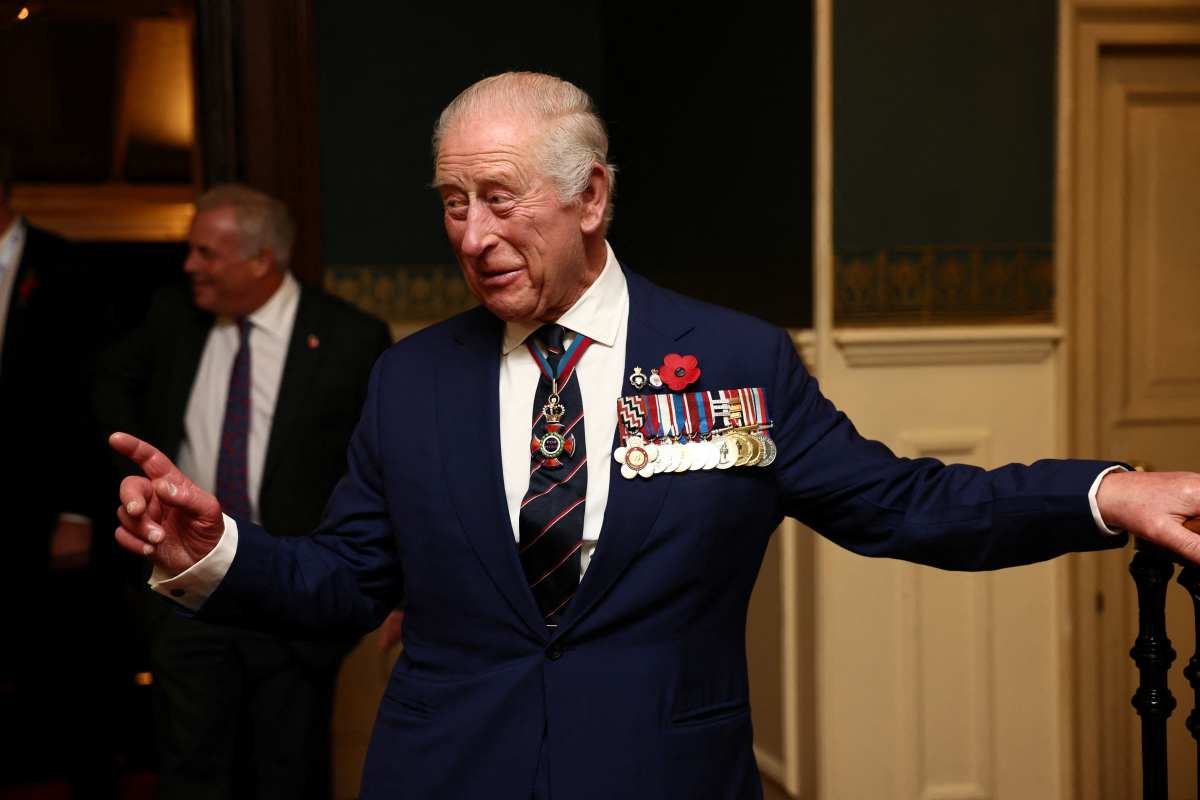
The change was formally recorded in the Court Circular on January 5, confirming that the monarch has indeed returned to Clarence House. The entry stated, “Dr. Nathan Ross was received by The King this evening at Clarence House upon relinquishing his appointment as Assistant Private Secretary to His Majesty when The King invested him with the Insignia of a Member of the Royal Victorian Order.” The brief announcement marked the official close of Charles’s Sandringham stay, in contrast to the late Queen, who traditionally remained at the estate until early February for decades without exception.
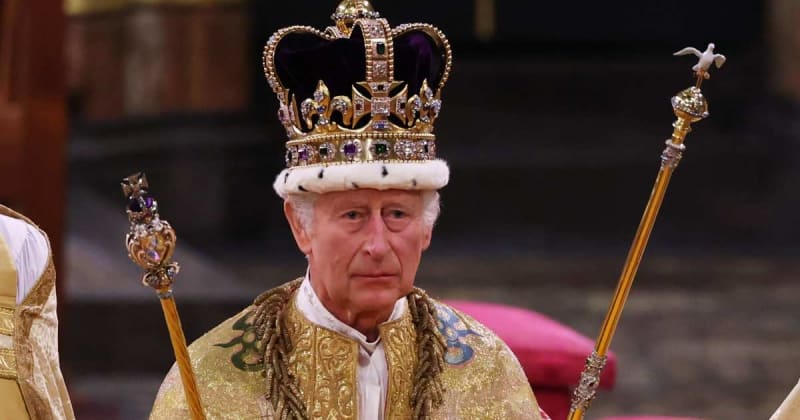
Charles’s move to London came just days after he and Queen Camilla were spotted attending St. Mary Magdalene Church. The decision was not surprising for many, given the monarch’s vision for a modern monarchy. Since becoming King, Charles has slowly brought changes to long-standing royal customs. His shortened stay mirrors his approach to the coronation in May 2023. While he kept the essential rituals intact, he did remove much of the ceremonial excess that defined his mother’s crowning 70 years ago. The ceremony itself reflected his modern vision and lasted for about two hours, shorter than Queen Elizabeth’s three-hour event. Many other changes were also noted during the monarch’s crowning.
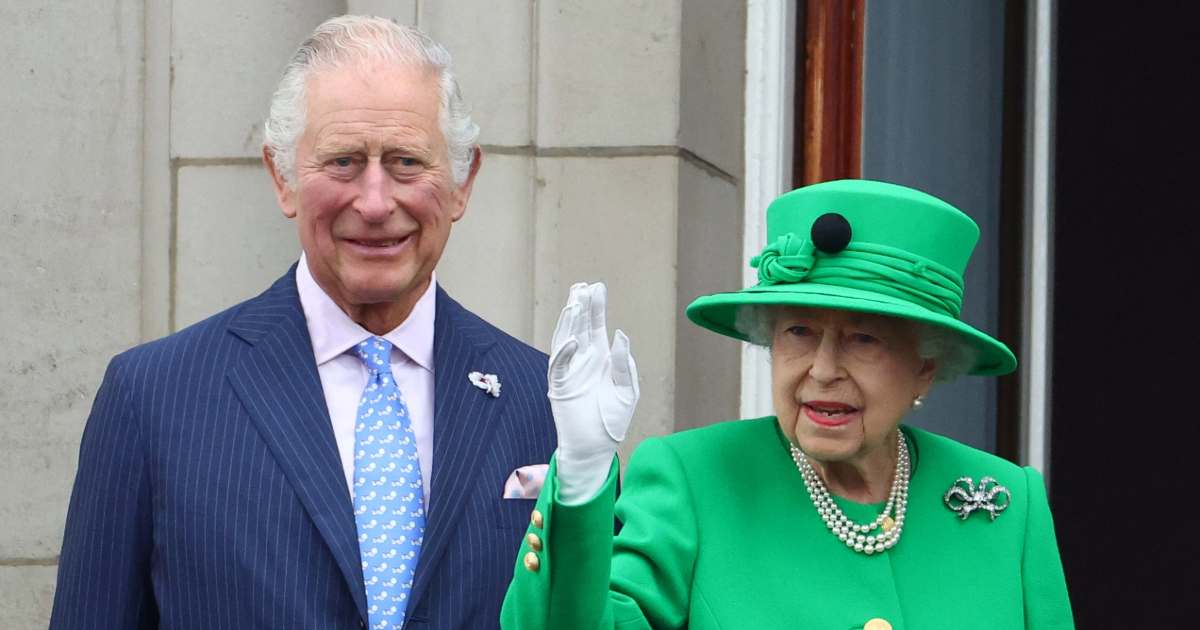
The attendance of guests was limited to roughly 2,000, as compared to more than 8,000 for Elizabeth, eliminating additional seating at Westminster Abbey. Alongside Charles, Camilla was also formally crowned as Queen Consort, and for the occasion, she chose Queen Mary’s crown rather than Queen Elizabeth’s to avoid controversy and reinforce a more simplified tone. Other changes included references to non-Christian faiths in his coronation oath, replacing the traditional Homage of Peers with a voluntary Homage of the People.
Charles has changed certain Christmas traditions as well. While the late Queen always filmed her broadcast from a desk at Buckingham Palace or Windsor Castle, the King has moved it to symbolic public locations. In 2024, he filmed at Fitzrovia Chapel, and for 202,5 he chose the historic Henry VII Lady Chapel at Westminster Abbey. Apart from this, Charles has also relaxed several strict rules placed by his mother.
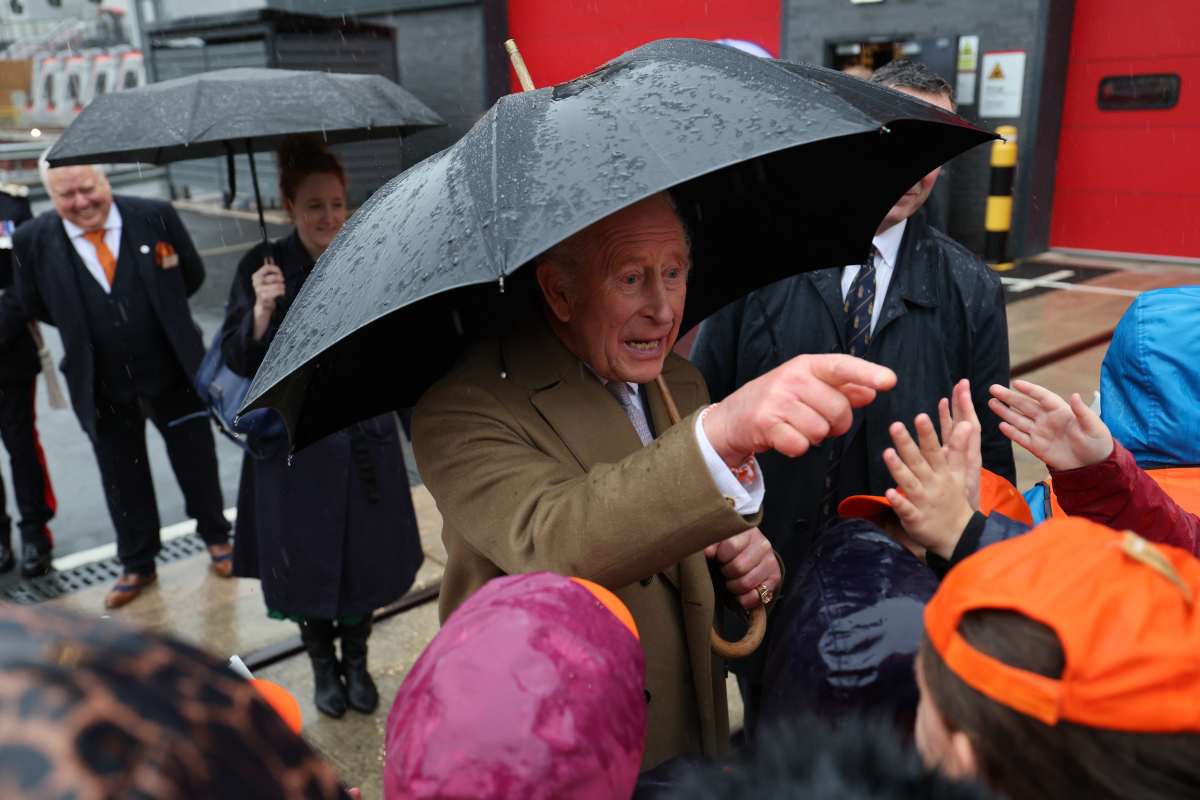
While Queen Elizabeth originated the walkabout in 1970, she always maintained a level of physical distance from crowds, rarely shaking hands and never taking pictures. Charles has significantly relaxed these rules and can be frequently seen shaking hands and has even allowed and occasionally posed for selfies, a practice that was once considered against royal protocol.