King Charles Marks Christmas With a Subtle but Symbolic Change
While the message will air as usual on Christmas Day, its historic backdrop sets it apart from those of past monarchs.
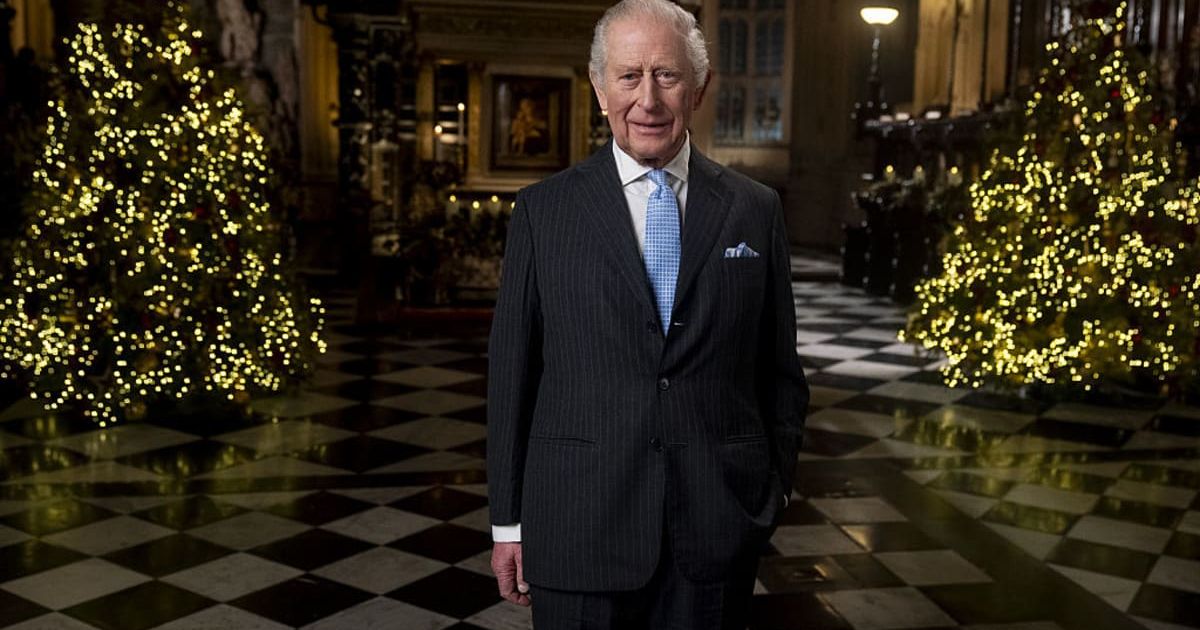


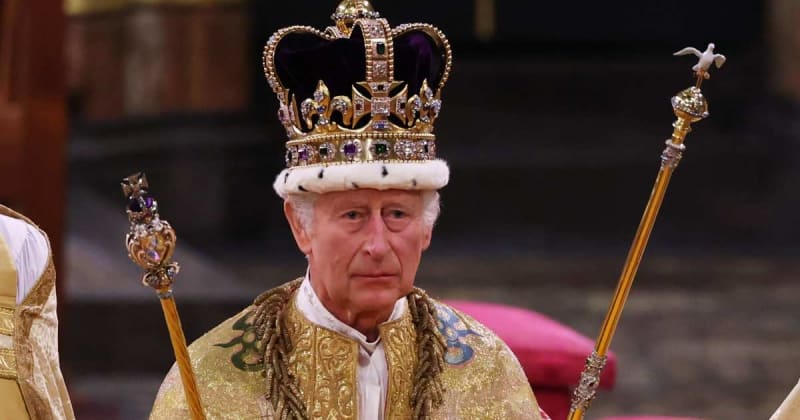
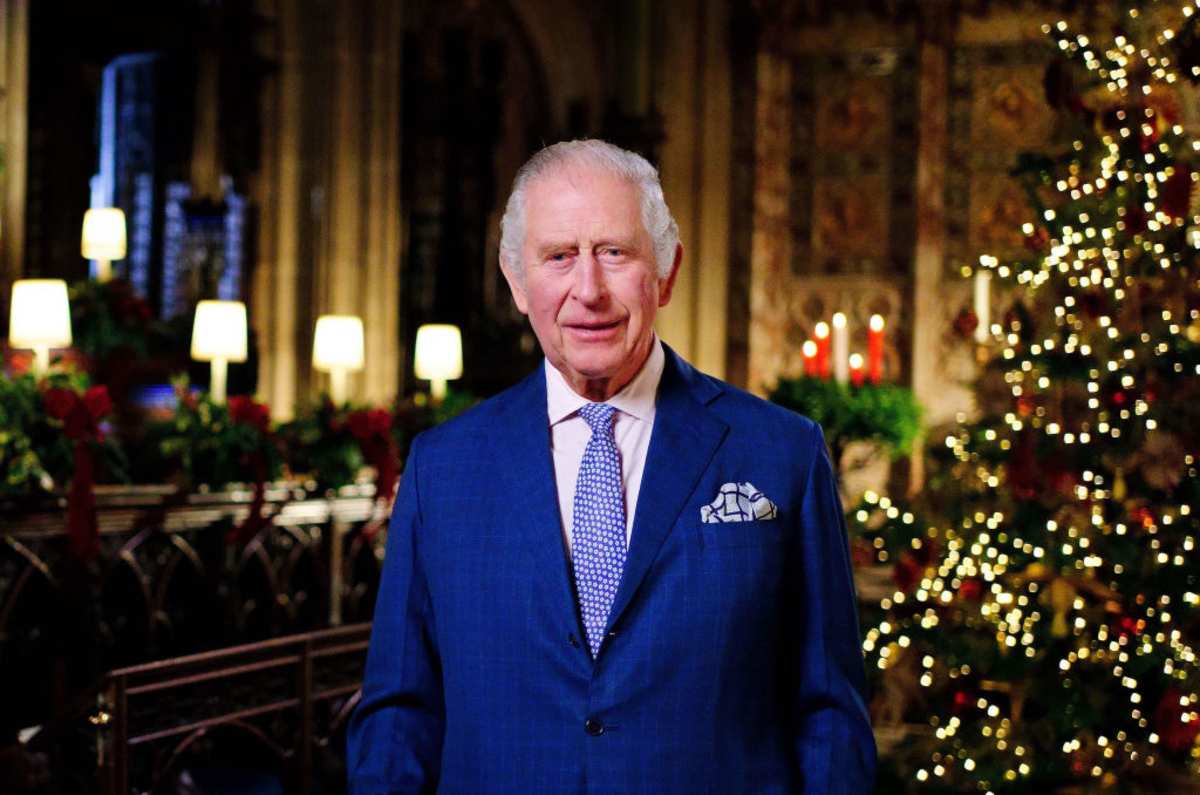
King Charles rarely breaks with tradition in loud or dramatic ways. Instead, he tends to make small, deliberate changes. His 2025 Christmas broadcast is indeed a reflection of that approach. While the message will air as usual on Christmas Day, the location where it was filmed offers a clue to how the King sees the monarchy evolving. Buckingham Palace confirmed on December 23 that the King’s annual Christmas message will air on Thursday, December 25, preserving one of the monarchy’s most familiar rituals. What has changed, however, is the backdrop. This year’s broadcast was recorded earlier this month in the Lady Chapel at Westminster Abbey, marking the first time a reigning monarch has chosen the historic abbey as the setting for the Christmas address.
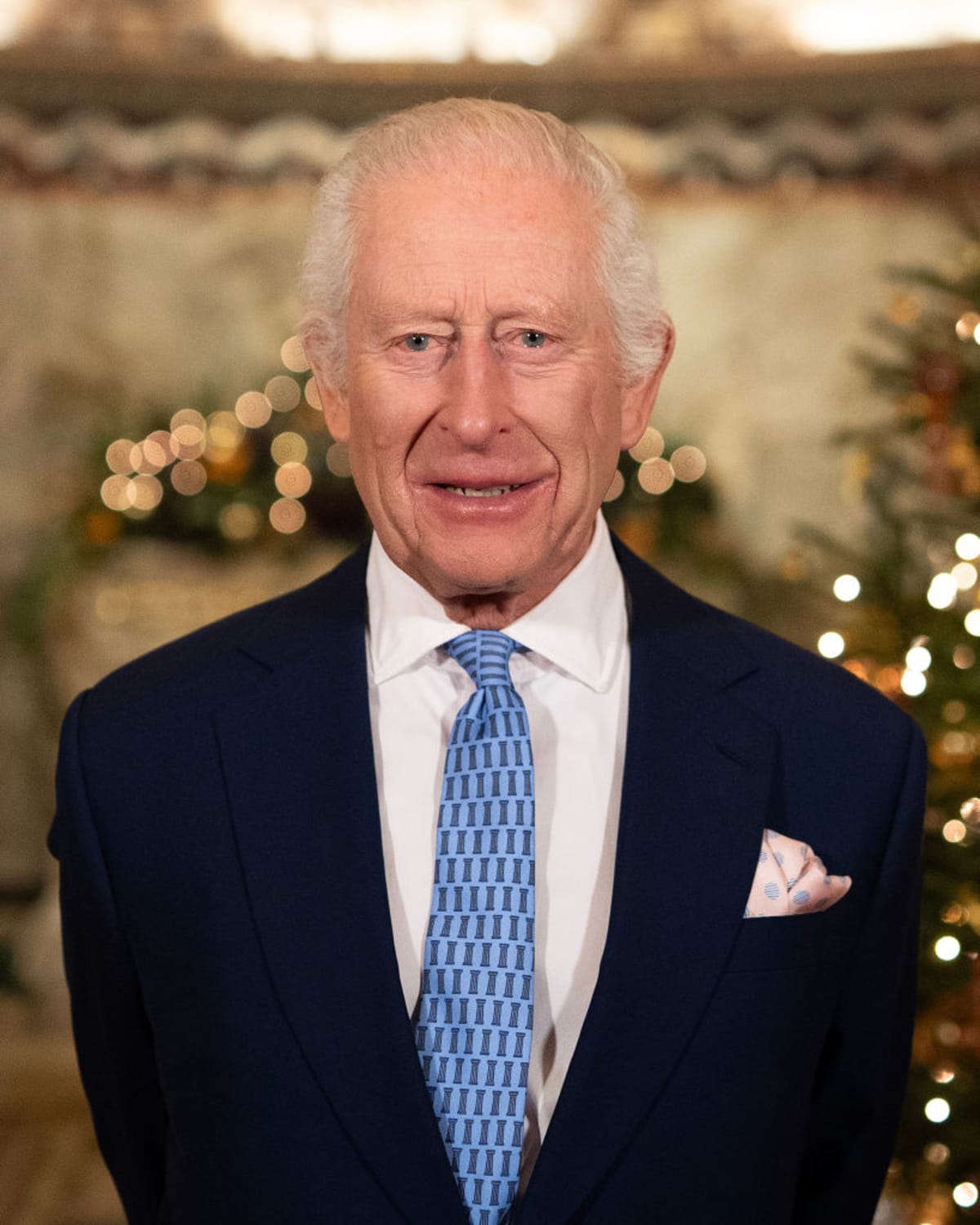
The choice is a deliberate and significant departure from convention. For decades, royal Christmas broadcasts have been closely tied to the domestic spaces of the monarchy, Buckingham Palace, Windsor Castle, or Sandringham House, places that emphasized continuity, family, and tradition. But this is not the first time the King has redrawn the map and strayed away from what has been happening. In 2024, Charles broke with precedent by filming his Christmas speech at Fitzrovia Chapel in central London, the former chapel of Middlesex Hospital.
It was the first time since 2006 that the broadcast had been recorded outside a royal residence, and the location carried unmistakable significance. The choice came at the end of a year in which Charles publicly revealed he was undergoing treatment for cancer.
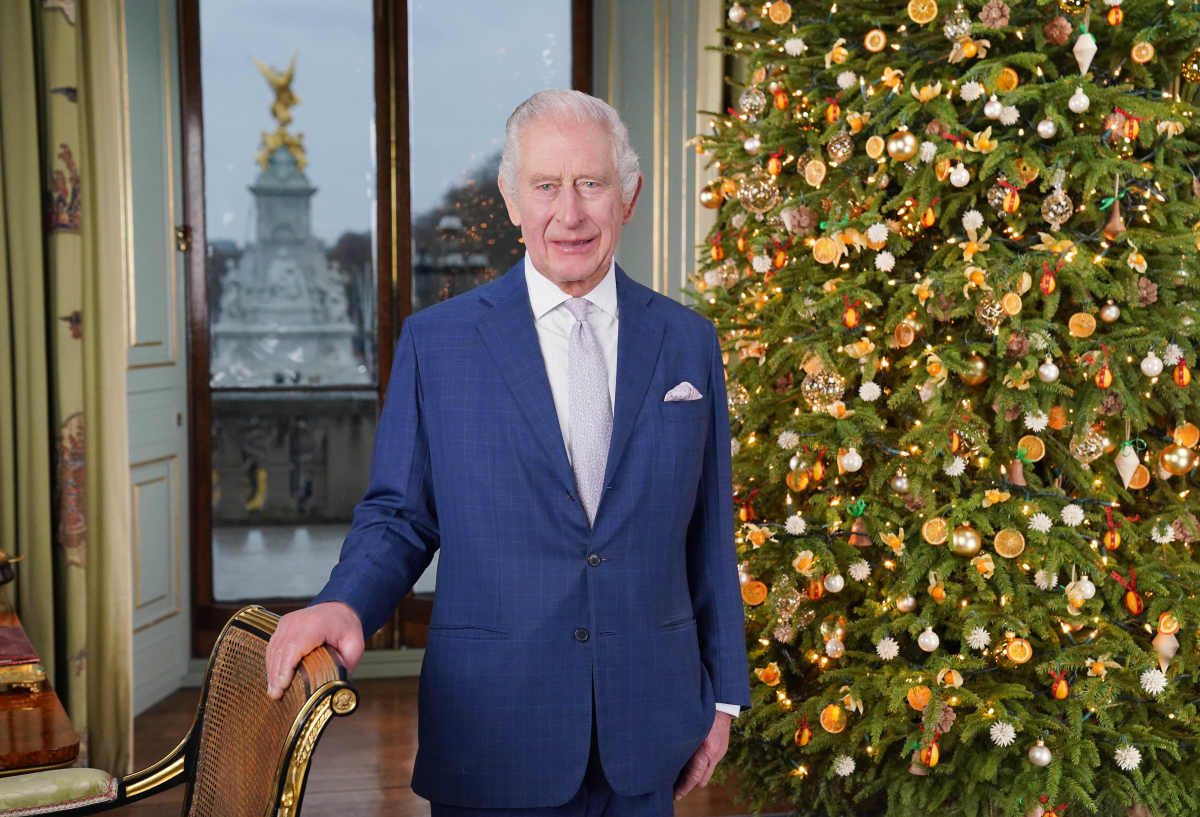
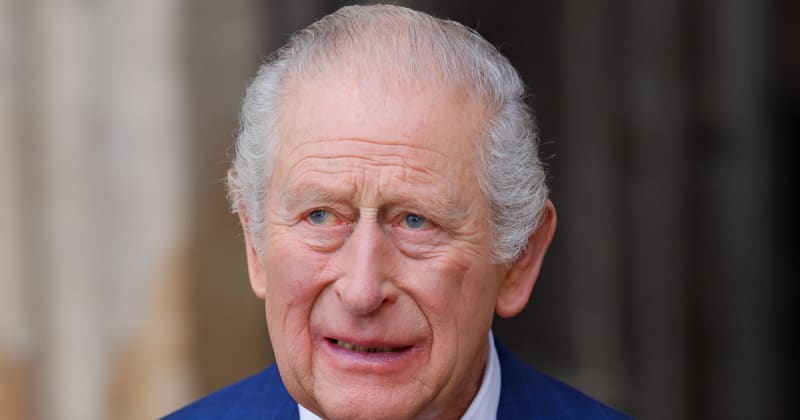
That health journey remains part of the backdrop this year as well. The King has continued treatment for an undisclosed form of cancer throughout 2025, and on December 12, he shared what palace aides described as “good news,” announcing that his treatment would be “reduced” in the new year. However, the broadcast itself is not expected to dwell on his illness.
The contrast with Queen Elizabeth II’s approach is evident. The late Queen almost always recorded her Christmas remarks at familiar royal homes. Sandringham, in particular, became synonymous with the festive season, anchoring the broadcast in a countryside tradition that stretched back generations.
Charles, by comparison, appears less interested in reinforcing inherited images rather than in expanding them. The Christmas broadcast remains one of the monarch’s most important duties, a moment to reflect on the year gone by, acknowledge global challenges, and speak about the meaning of Christmas to millions across Britain and the Commonwealth.
The tradition itself has roots. King George V first delivered a Christmas message in 1932 via radio, seeking to speak directly to his people across the empire. Queen Elizabeth II brought the broadcast to television in 1957, turning it into a national moment. Since 1960, the message has been recorded in advance so it can be transmitted across time zones, ensuring Commonwealth audiences receive it at an appropriate local hour.
Royal Communications has said the abbey’s status as a place of pilgrimage is central to the theme of this year’s message. For centuries, pilgrims have travelled there to honour Edward the Confessor, whose shrine lies at the heart of the church. The Henry VII Lady Chapel, where the broadcast was filmed, is also the final resting place of 15 kings and queens, including Elizabeth I, Mary I, and Mary, Queen of Scots.