Hardest-Working Royal Princess Anne Marks Historic Guards Memorial Milestone – What We Saw
EXCLUSIVE ANALYSIS: Princess Anne joined a centenary ceremony honouring fallen Guardsmen and met a 100-year-old veteran.
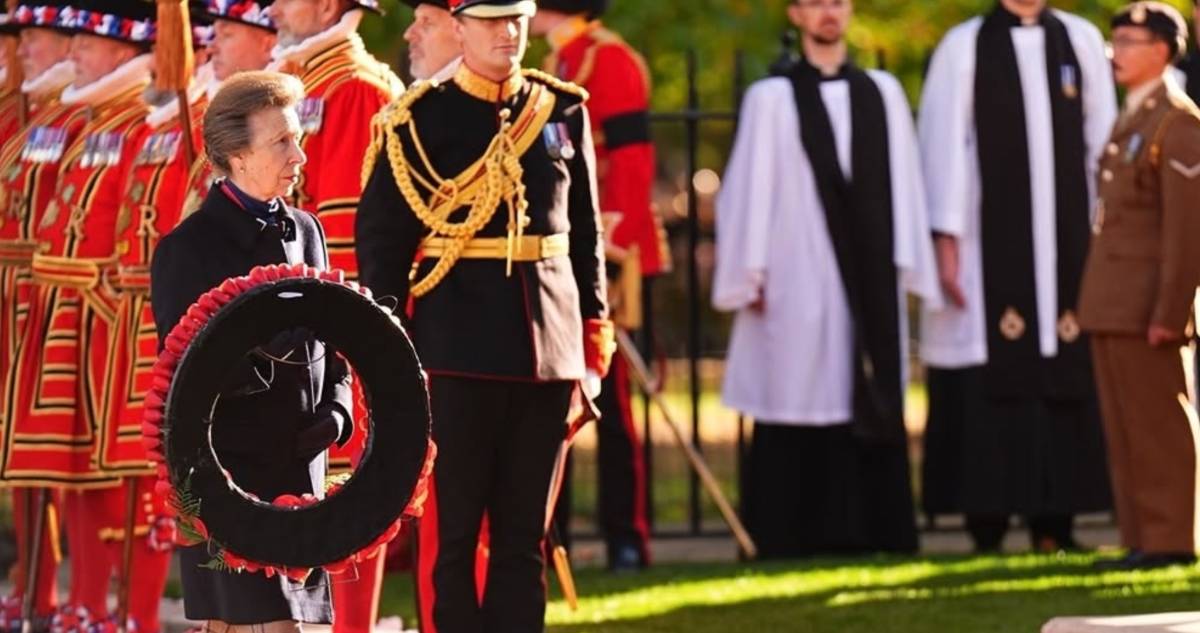


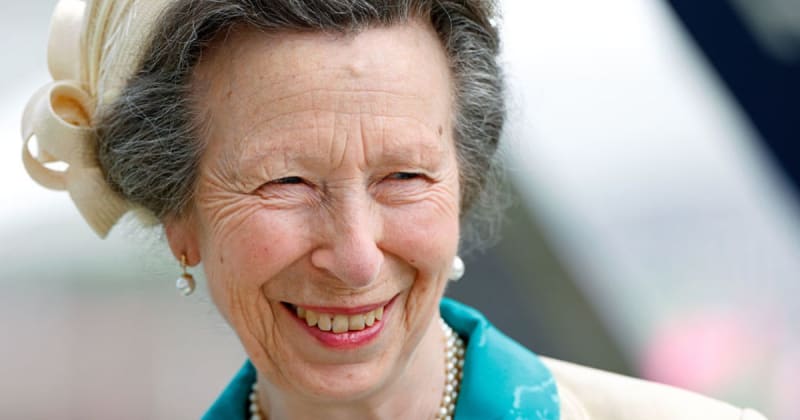
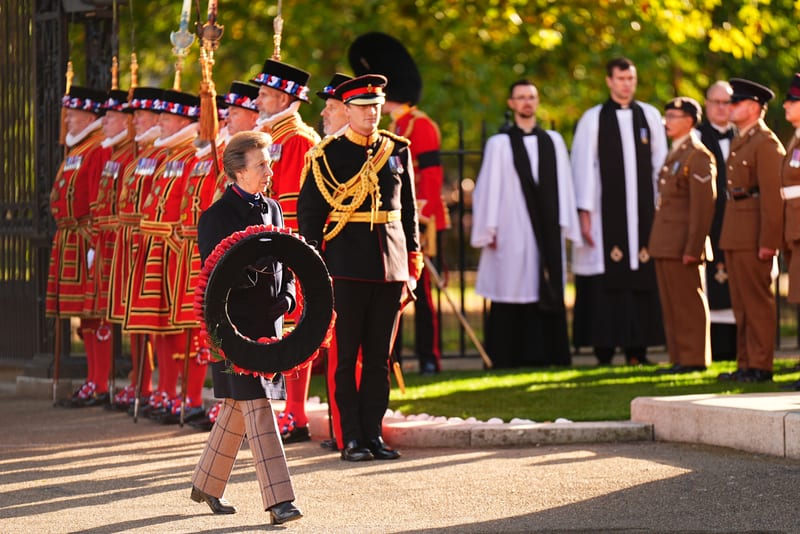
THE Princess Royal attended a historic rededication ceremony at the Guards Memorial in central London on 16 October, marking exactly 100 years since the monument was unveiled and paying tribute to generations of Guardsmen who lost their lives in military service.
Her Royal Highness attended the commemorative occasion at Horse Guards in her capacity as Colonel of The Blues and Royals, joining serving military personnel, veterans and invited guests for a ceremony honouring the fallen and recognising a century of remembrance.
Situated on Horse Guards Road, overlooking Horse Guards Parade and St James's Park, the memorial was originally unveiled on 16 October 1926, eight years after the end of the First World War. It was created to commemorate members of the Guards Division who died during the conflict, with subsequent inscriptions recognising those who lost their lives during the Second World War and later service.
The memorial is associated with the sacrifice of approximately 14,600 Guardsmen, whose deaths during the First World War left a lasting impact on their regiments, families and communities. Its centenary provided an opportunity to reflect on those losses while recognising the generations of military personnel who have continued to serve since its unveiling.
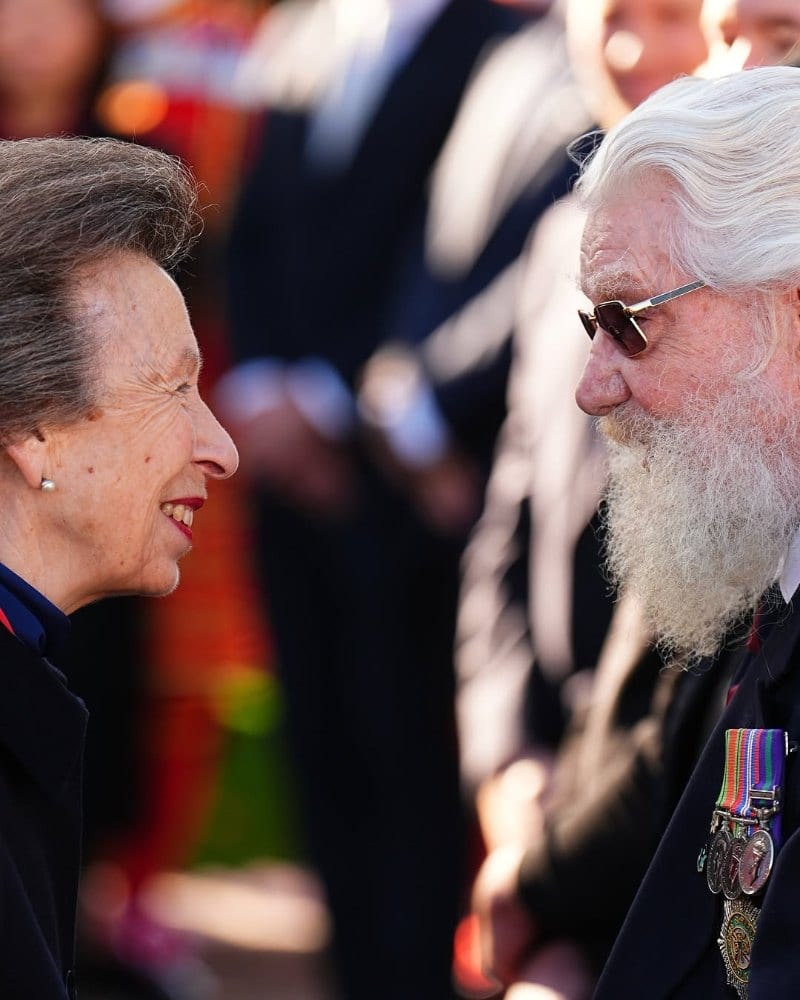
One of the most poignant moments of Friday's engagement came when Princess Anne met John Barber, a 100-year-old veteran who served in the Irish Guards from 1944 to 1948.
Born in the same year that the memorial was unveiled, Mr Barber provided a remarkable connection between the monument's history and the experiences of those who served during the Second World War.
His service began during the final stages of that conflict and continued into the post-war years, a period when Britain was adjusting to the consequences of six years of warfare.
The meeting carried particular significance because the number of surviving Second World War veterans continues to diminish. Mr Barber's presence brought a personal dimension to a ceremony otherwise centred on a monument and the thousands of servicemen it commemorates.
For Princess Anne, meeting a veteran whose lifetime spans the memorial's entire history was an opportunity to recognise not only the sacrifices of those who died, but also the service of those who returned and carried their wartime experiences into civilian life.
The Guards Memorial itself remains one of London's important military monuments. Its bronze figures represent soldiers of the Foot Guards, while its position close to Horse Guards reflects the longstanding ceremonial and military presence of the Guards in the capital.
The monument was designed by architect H. Chalton Bradshaw, with bronze figures sculpted by Gilbert Ledward. It's construction incorporated stone associated with the wartime battlefields of France, giving the memorial a physical connection to the places where so many British servicemen lost their lives.
Although originally dedicated to those killed in the First World War, the memorial's purpose expanded following the Second World War, reflecting the continuing losses experienced by the Guards regiments.
Friday's rededication therefore marked more than the anniversary of the monument's construction. It recognised a century in which the memorial has remained a focal point for military remembrance, bringing together successive generations of Guardsmen and their families.
The Princess Royal's attendance also reflected her longstanding association with the British Armed Forces.
As Colonel of The Blues and Royals, one of the two regiments forming the Household Cavalry, Anne maintains a close relationship with serving personnel and regularly participates in military ceremonies, commemorations and regimental occasions.
Her presence at the centenary connected the Royal Family's ceremonial responsibilities with the continuing traditions of the regiments represented at Horse Guards.
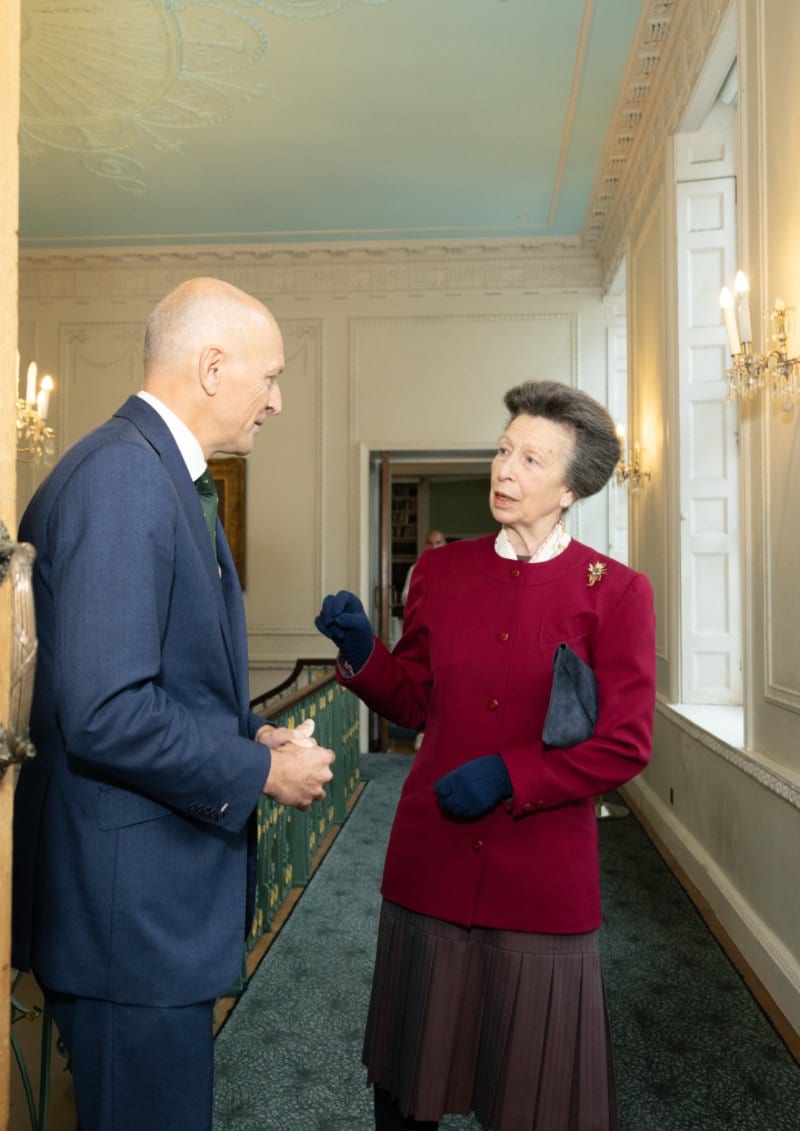
The engagement was another example of the Princess Royal's varied programme of public duties. Just last week, The Royal Observer was fortunate enough to cover her attendance at a sports medicine summit at the Royal Institution in London, where leading medical professionals gathered to discuss athlete welfare, injury prevention and advances in sports medicine.
It was a fascinating occasion highlighting an important but often overlooked aspect of competitive sport. Friday's ceremony at Horse Guards demonstrated another side of Anne's responsibilities, as she joined serving personnel and veterans to commemorate a century of military remembrance.
The Royal Observer attended the occasion in London, observing the ceremony from a position some distance from the memorial, where we saw Her Royal Highness who was seen taking part in the commemorations.
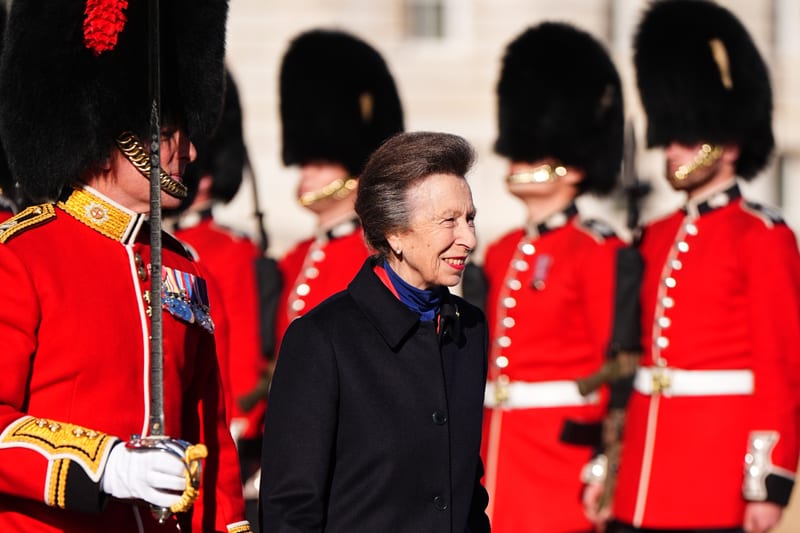
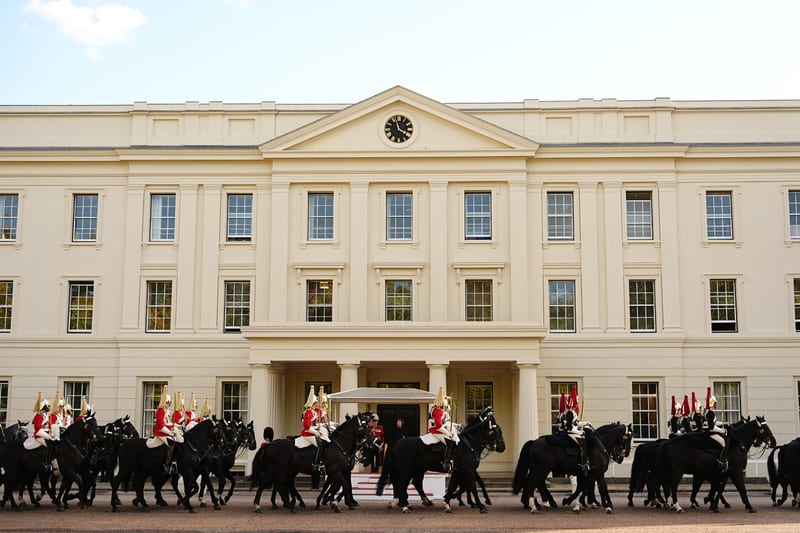
Following the ceremony, members of the Guards were also observed returning through the Horse Guards area, offering a further opportunity to document the military presence surrounding the centenary.
The movement of personnel through the historic setting provided a reminder that Horse Guards remains an active centre of military tradition, rather than simply a backdrop for royal occasions and public ceremonies.
For those who continue to serve, the memorial represents a connection to the regiments' predecessors and the sacrifices made during conflicts that shaped Britain's military history.
For veterans and their families, it remains a place where individual lives are remembered beyond the circumstances of their deaths.
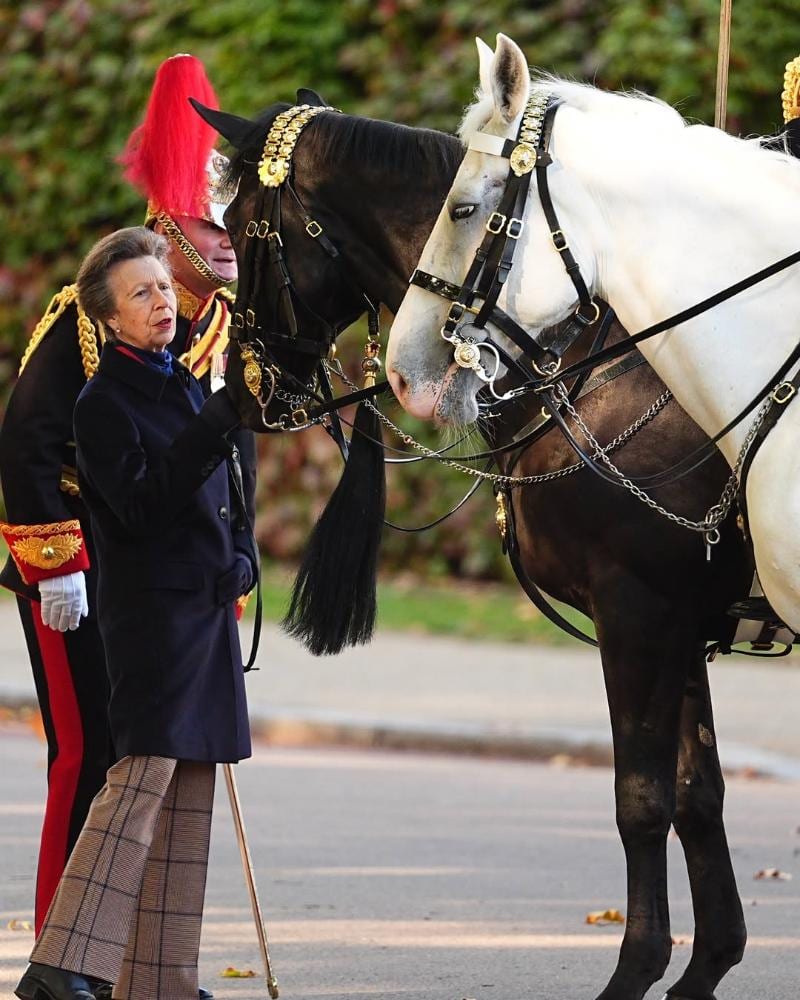
The significance of the centenary was particularly evident in the contrast between the memorial's age and the people gathered around it.
When the monument was unveiled in 1926, memories of the First World War remained immediate for families across Britain. A century later, the country has experienced another world war and numerous subsequent conflicts, while the memorial has continued to serve its original purpose.
John Barber's attendance gave that passage of time a human connection. At 100 years old, the former Irish Guardsman has lived through the entire century in which the memorial has stood, including the conflict that brought further names and sacrifices into its history.
The rededication also offered an opportunity for younger generations of military personnel to participate in a tradition established long before their own service began.
The rededication also offered an opportunity for younger generations of military personnel to participate in a tradition established long before their own service began.
One hundred years after its unveiling, the Guards Memorial continues to connect Britain's military past with those serving today. Princess Anne's attendance, alongside veterans including John Barber, ensured that the centenary recognised not only the history of the monument, but the individual lives and sacrifices it was built to remember.