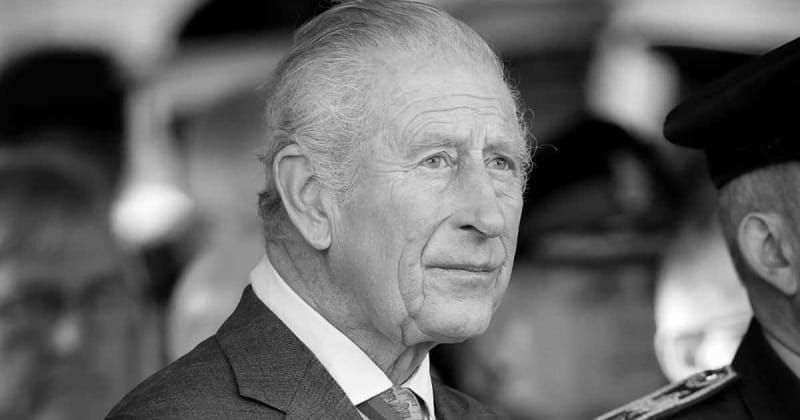
Former Royal Aide Counters Earl Spencer's Claims—King Charles Protected Diana’s Legacy
A source characterized Charles as "paralysed with grief" after the tragic death of Princess Diana.
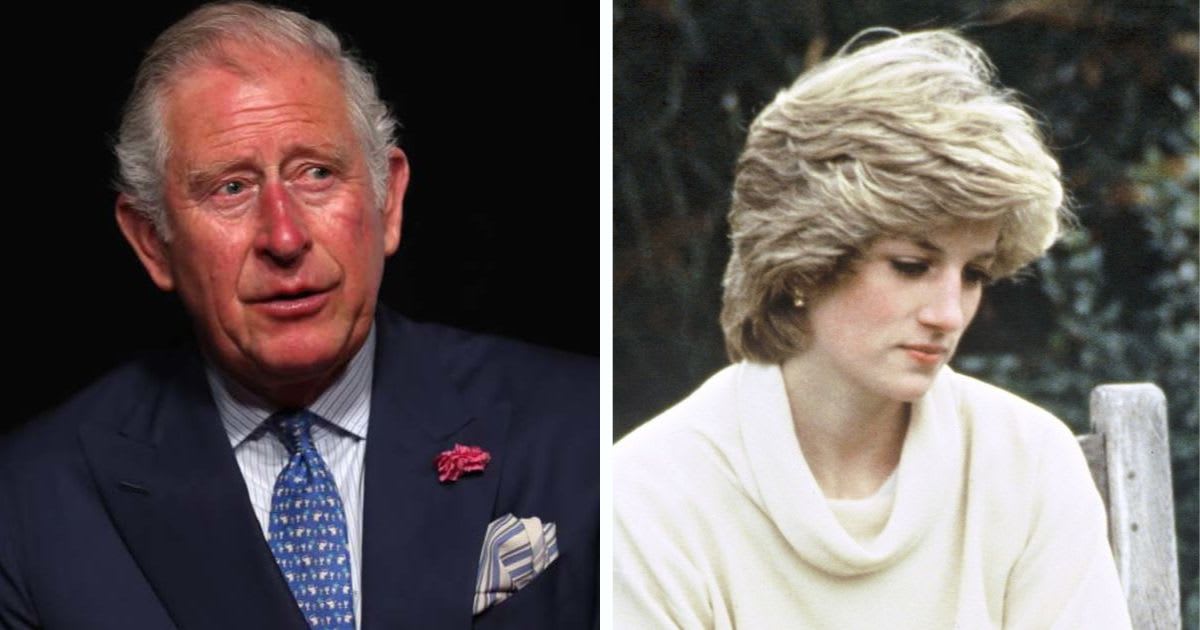


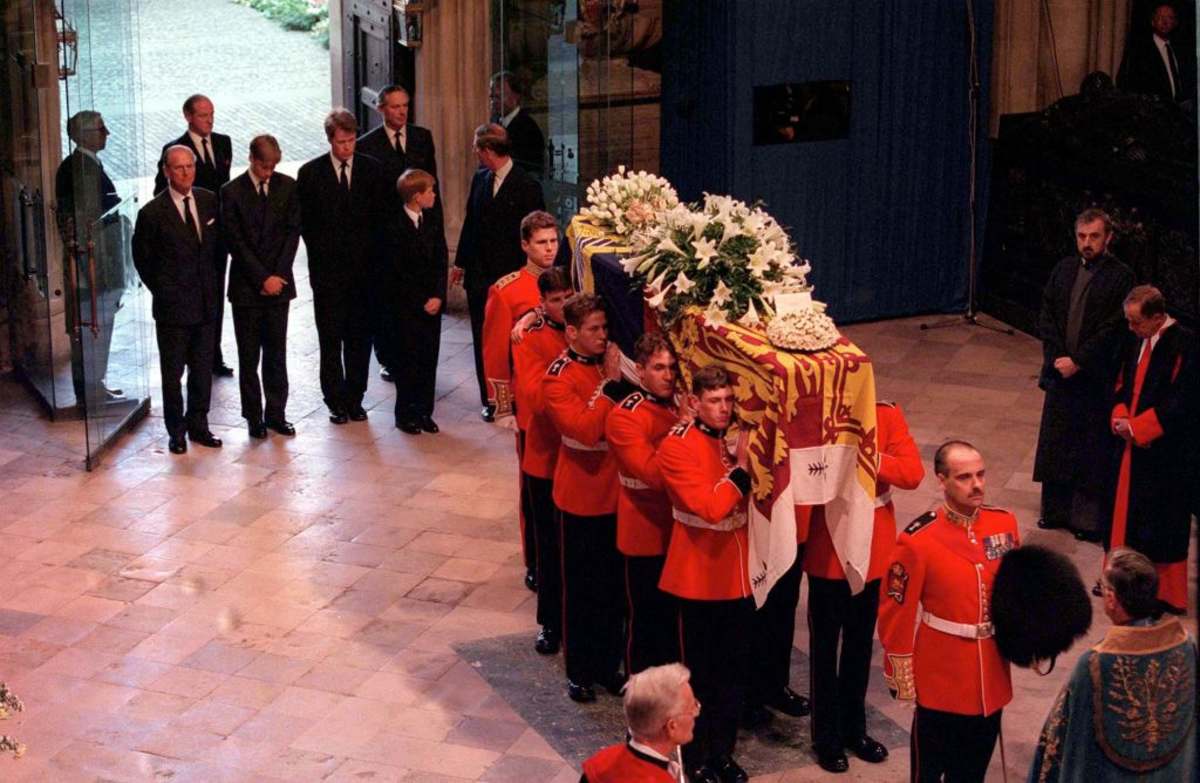
Princess Diana tragically passed away 29 years ago following a fatal car crash at the Pont de l'Alma tunnel in Paris. Her funeral was held with full honors under the direction of King Charles. However, Charles Spencer, the late Princess of Wales's brother, recently rocked the tabloids with some shocking excerpts from his soon-to-be-released book, Swan Song: Diana, My Sister.
Spencer claimed the future King told him Diana would be forgotten "soon enough" during a heated conversation right before her funeral. Buckingham Palace was quick to react with a public statement: "While we do not comment on books as a matter of principle, His Majesty is mindful that the pain of fraternal grief can cloud reason, affect judgment, and color memory in ways others do not recognize, even many years after such a loss."
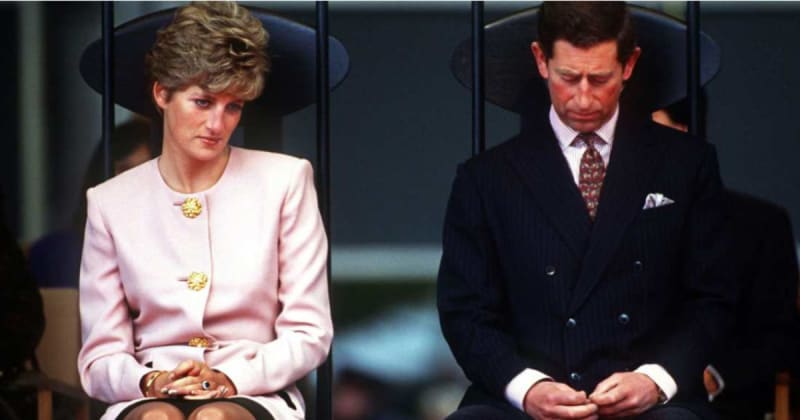
The never-before-heard incident has brought Diana's legacy and her tumultuous marriage to Charles back into the spotlight. Reportedly, Spencer's book is set to reveal many such instances from Charles and Diana's marriage that could tarnish the monarchy's image. With discussions surrounding Diana's death resurfacing, a former royal aide has weighed in to clarify the King's stance regarding his ex-wife.
As reported by GB News, Julian Payne, a former communications secretary and trusted aide to the monarch, countered Earl Spencer's claim, stating the monarch was "absolutely emphatic" and had instructed staff never to criticize the late princess. "What I remember was he was very clear that there was never to be any criticism, never to be any pushback on the narratives that were usually highly critical of him," Payne told BBC Radio 4's Today program.
He also stated that he does not recognize the portrayal of the King in those comments. He emphasized that the King's protective instinct was focused solely on preserving Diana's legacy, not his own reputation. He found it strange that, amidst the family's grief and his own shock, the King would choose to use such language at that moment. "It's just not language that I recognise," Payne pointed out.
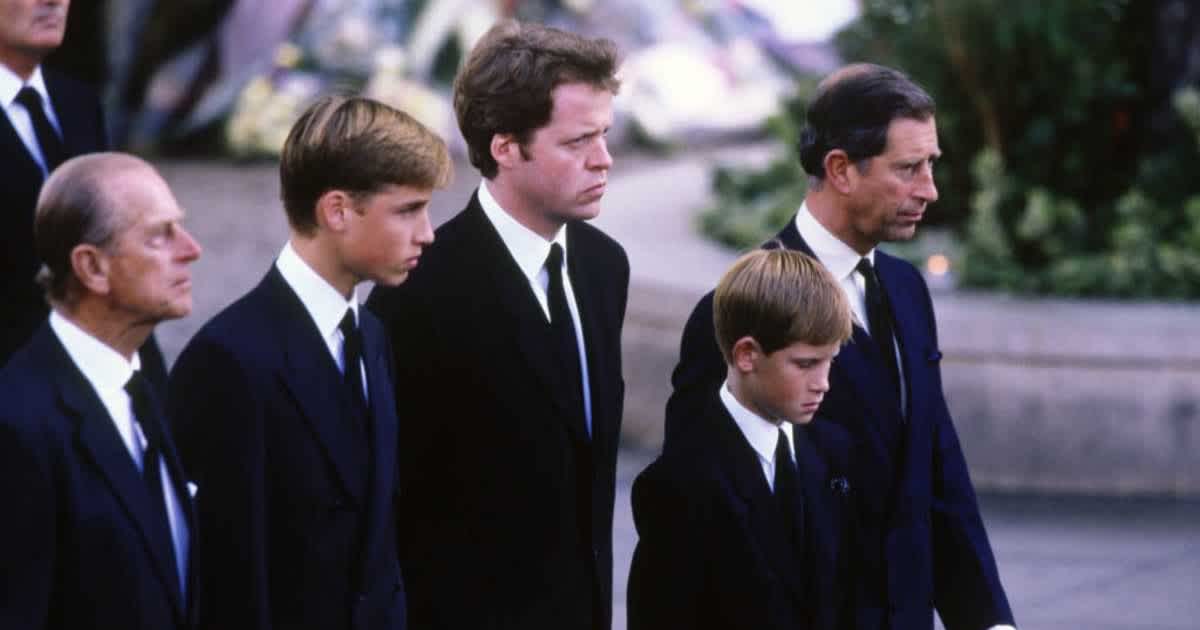
In his memoir about his late sister, Spencer recounted a confrontation during a disagreement about whether Princes William and Harry should walk behind their mother's coffin at her funeral on September 6, 1997. The Earl stated that Charles referenced his own experience walking in Lord Mountbatten's funeral in 1979, to which Spencer retorted that Charles was 30 at that time, provoking an angry reaction from the monarch.

Another source close to the King refuted claims of a negative remark about Diana, asserting it was "not in his nature," especially during a time of profound grief. The source characterized Charles as "paralysed with grief" and noted his break from protocol to ensure she received a full ceremonial funeral. This perspective contrasts sharply with Spencer's portrayal of Charles as resentful amidst national mourning. Payne concluded by explaining that the Palace's pushback towards Earl Spencer was necessary due to the personal nature of the accusations, which could have significant repercussions.