Expert Reveals How The Royals Controlled Every Detail of Queen Elizabeth's Funeral Telecast
Royal commentators question whether the Palace’s quest for perfection crossed into excessive control of a public moment.
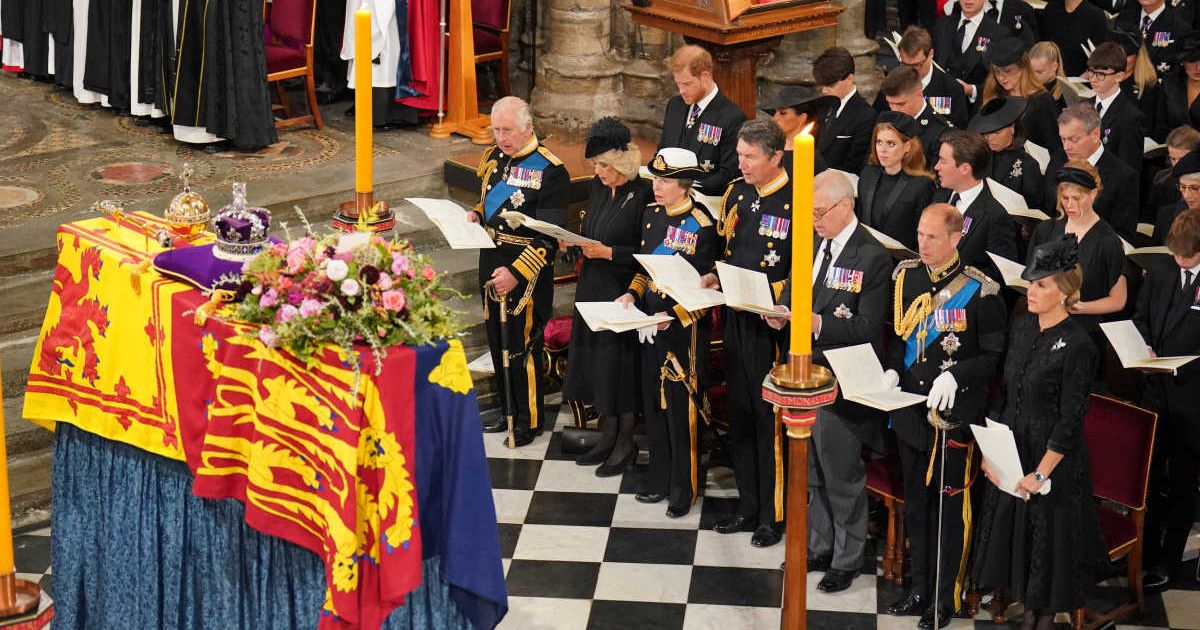


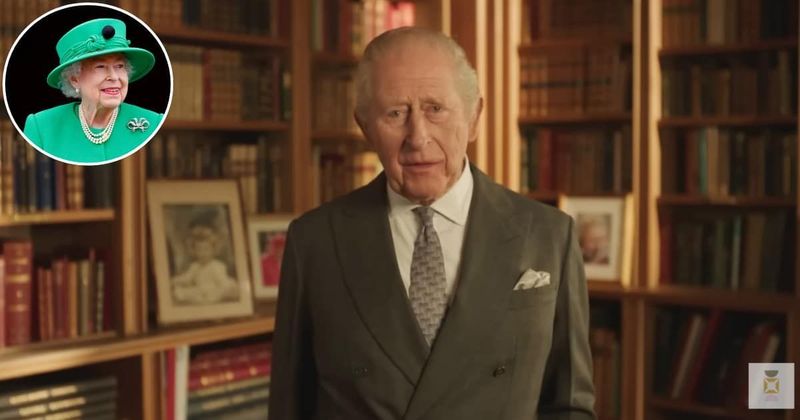
During Queen Elizabeth II’s funeral in September 2022, veteran broadcaster David Dimbleby reported from Windsor during the final days and has spoken openly about the unseen hand that shaped the broadcast. Ahead of his new BBC documentary series, What’s the Monarchy For?, he has also pressed on some of the monarchy’s most untouched nerve points.
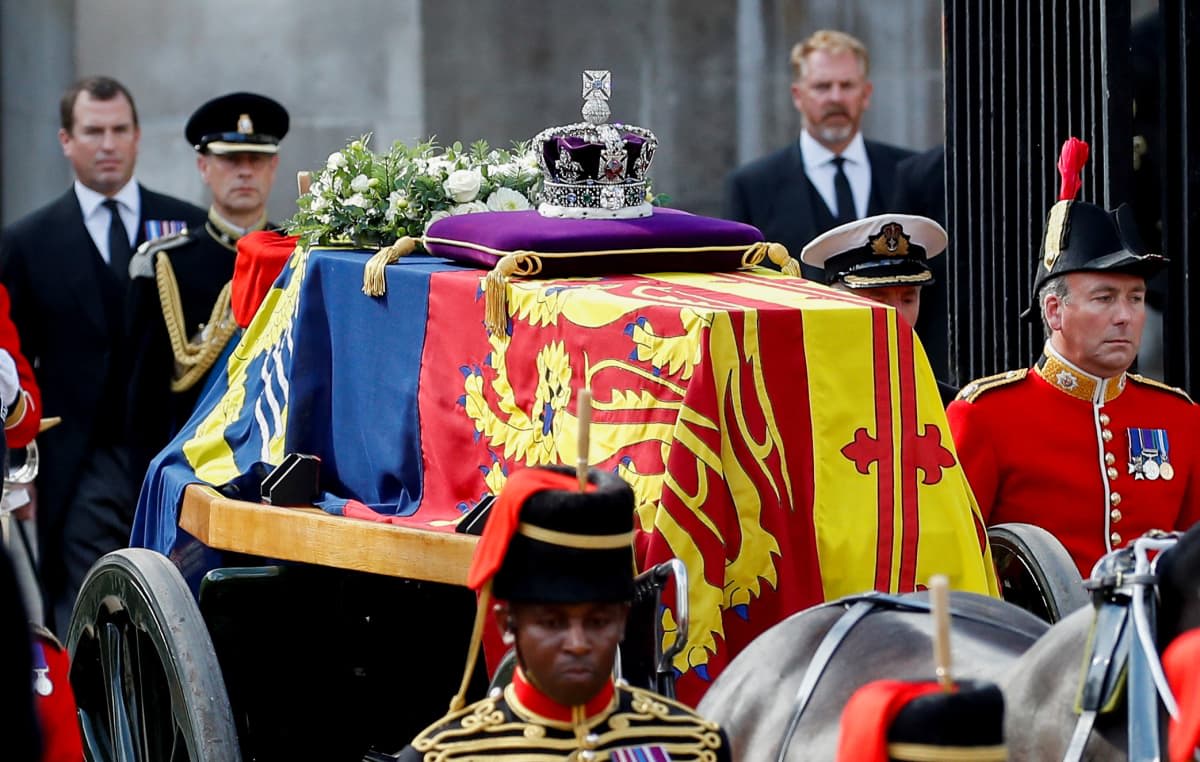
Writing for the BBC, Dimbleby says that the Palace issued instructions to broadcasters about moments not to be reshown once aired live. These minor details included such things as the crown being handled, visible tears, Prince George touching his nose, the Duke and Duchess of Edinburgh with their handkerchiefs, and even footage of the family mouthing the Lord's Prayer at the lying-in-state. As he called these 'perpetuity edits,' these little excisions from reality were to remove from the public record anything that disrupted the carefully preserved narrative.
That belief drives everything: from staffing decisions to historic broadcasting experiments. Lord Janvrin, the Queen's former private secretary, once warningly said, “If you took public support for granted, it would be a very bad day.” Historian Professor Anna Whitelock, pushing that idea further, said, “The Royal family is a brand… There is always a sense of needing to keep the brand popular.”
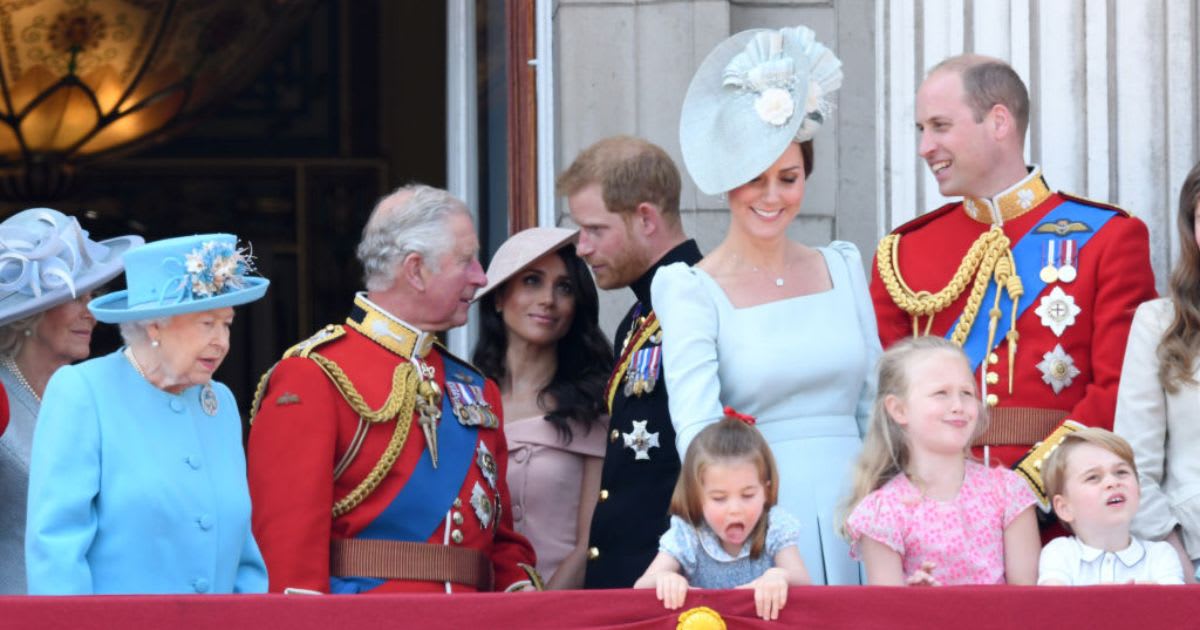
To critics like Prof Whitelock, the Palace's intervention in broadcast footage crossed a line. “The degree of control, I think, is staggering,” she said. “If Downing Street were trying to control what's being broadcast, that would be reported upon… so why is the Palace intervening not seen as something that should be reported?” The Palace, however, had a different opinion. In a statement, a Buckingham Palace spokesperson argued the approach was guided by compassion, not censorship. “The events surrounding the funeral… were both State occasions and moments of profound personal sorrow,” said the statement, adding that “simple human decency pointed towards a sensitive and sympathetic approach,” particularly when shielding younger members of the family.
That brand management has evolved over the decades. In 1969, the monarchy took its boldest step yet to humanize itself by allowing cameras into family life for the first time. The documentary Royal Family showed the late Queen shopping with a young Prince Edward, teasing him about a “gooey mess” from his ice cream, and later barbecuing sausages with Prince Philip and Princess Anne at a picnic. The public loved it. The broadcast drew nearly twice the audience of the moon landing. But within years, the film was buried. Princess Anne, later talking about it, said, “I never liked the idea of the royal family film… I always thought it was a rotten idea.” The experiment in controlled openness had gone too far. That instinct for retreat resurfaced during Elizabeth's funeral.
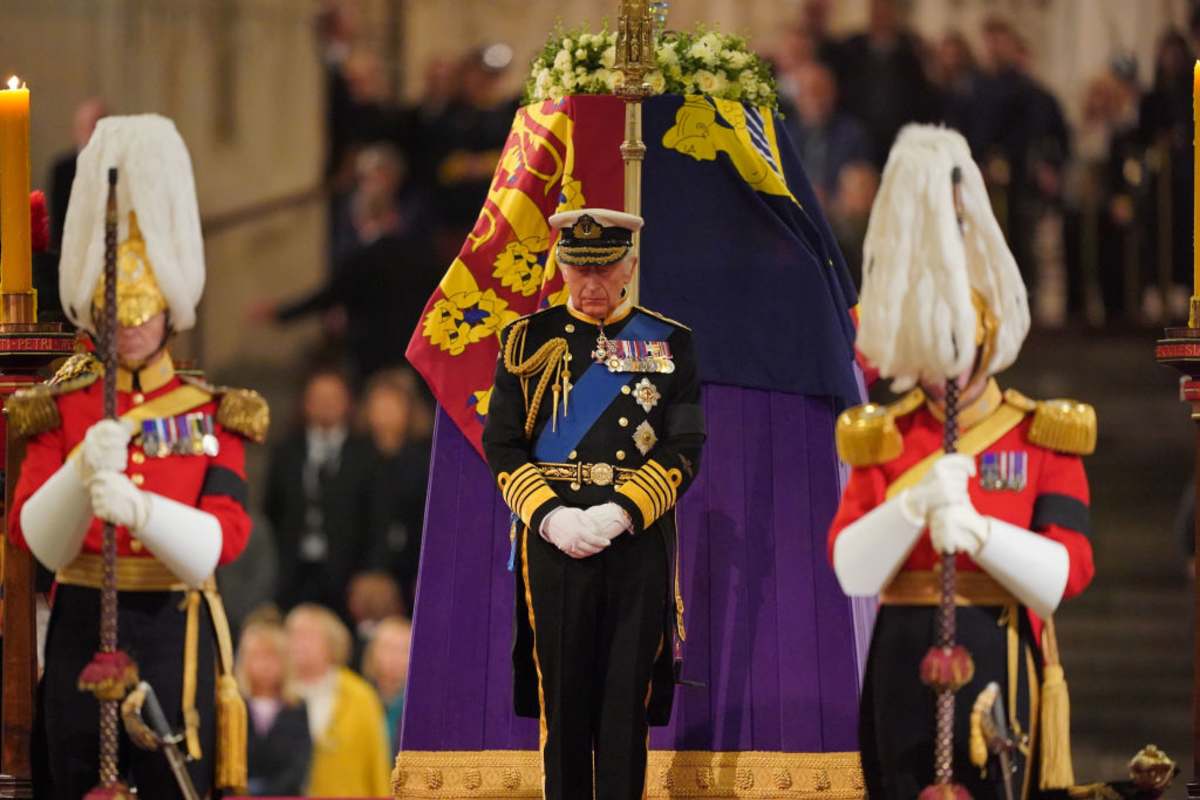
According to Dimbleby, this obsessive attention to detail is not incidental; instead, it reflects an institution fundamentally shaped by image management. “I suspect the real challenge facing the Royal Family is the fundamental question of what it stands for in the modern world,” he said. In his time of seeing the monarchy survive, Dimbleby thinks that it is all about perception. “Three monarchs have been on the throne during my lifetime, and each understood what counts is the impression they make on their subjects-- their image.” Journalist Ian Hislop told him during filming for his documentary, “They thrive on the oxygen of public support.” Without it, the institution simply withers.