Why Prince William’s ‘Ordinary Joe’ Approach May Be Exactly What the Monarchy Needs
With public support softening, especially among younger people, the institution faces additional pressure to justify a role for itself in modern Britain.


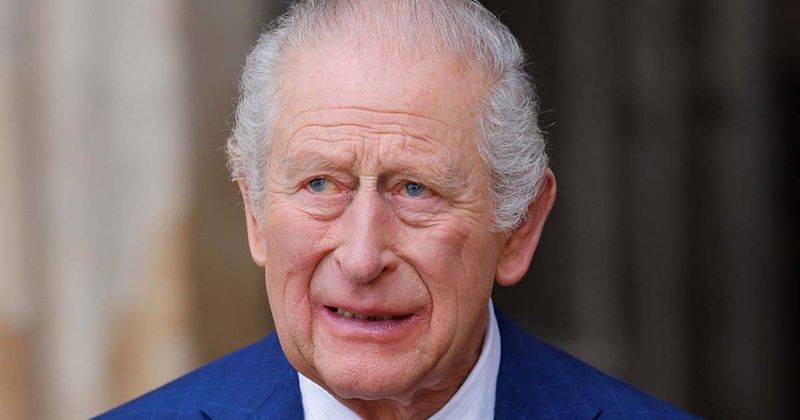
The British monarchy has survived scandals, abdications, wars, and reinventions — but its challenge today might well be the public's indifference. With public support softening, especially among younger people, the institution faces additional pressure to justify a role for itself in modern Britain. David Dimbleby ahead of his new BBC documentary series What's the Monarchy For?, has tapped the right buttons and is asking the question that is on the minds of the public too: is the monarchy quietly losing the public it depends on to survive? And can the Prince of Wales be the saving grace?
Writing an essay to accompany the series for the BBC, Dimbleby says, "Declining support marks a problem," as he notes that the royal institution no longer enjoys the automatic affection it once took for granted. His claim is backed by data. In the first British Social Attitudes survey in 1983, 86% of people said having a monarchy was ‘very’ or ‘quite’ important. Last year, the figure dropped to a mere 51%. Among younger people, enthusiasm is weaker still. While most Britons do not actively want an elected head of state, the emotional contract between Crown and country is clearly under strain.
Against this backdrop enters Prince William and his noticeably lighter public touch. His recent appearance with Canadian comedian Eugene Levy, for The Reluctant Traveller, scooting around Windsor Castle on an e-scooter, joking about American Pie, sent a clear signal — that the future King is consciously leaning into approachability. "It gets around quite nicely," William said, before adding with a wink, "I'm always late, so I thought this was a way to keep my meetings on time."
Advertising executive Rory Sutherland, who is supportive of the Waleses' approach, commented on the same and said, "I think he's walked the line, which is a very narrow line between modernity and kind of absurdity extremely well." It is, he notes, "a very delicate path to tread." The proof, for now, lies in the numbers. William and Kate Middleton sit comfortably at the top of public approval rankings, at 76% and 73% respectively, well ahead of the rest of the family.
But Dimbleby makes sure not to confuse popularity with permanence. Quoting historian Anna Whitelock, he said, "The only way the monarchy works is by everybody either being apathetic or feeling very affectionate towards it. If those bonds are broken, there really is no purpose or point of monarchy." Once that quiet consensus erodes, tradition alone cannot hold it together. Whitelock stressed that the royal family is a brand and "there's always a sense of needing to keep the brand popular."
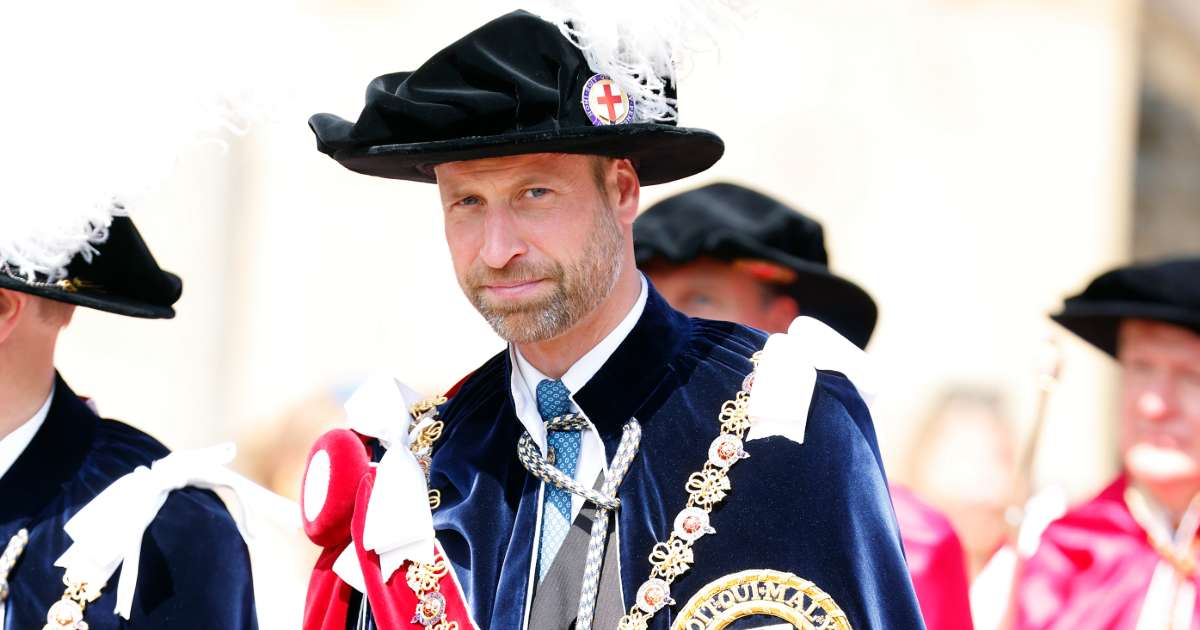
He reiterates Prof Whitelock's warning that charm alone will not suffice. William himself has hinted at reform. "Change is on my agenda… Not overly radical," he told Levy. Dimbleby's conclusion is that the monarchy has recovered before, most notably after the chaos and outrage that followed in the wake of Princess Diana's death. But its survival has always depended less on tradition than on public mood. And that "oxygen of public support" is thinning, journalist Ian Hislop told Dimbleby. The carefully crafted 'Ordinary Joe' persona of William may slow the leak. Whether it can reverse it is the question now hanging over the Crown, as per Dimbley.
Image has always been the monarchy's unseen lifeline. Lord Janvrin, the late Queen's former private secretary, also warned, it can never be taken for granted. "If you took public support for granted, it would be a very bad day," he said.