Ex-Prince Andrew Could Reportedly Dodge US Prosecution Under Donald Trump
Renewed tension in Washington has reignited the debate on whether Andrew Mountbatten Windsor could evade potential legal action in the US.
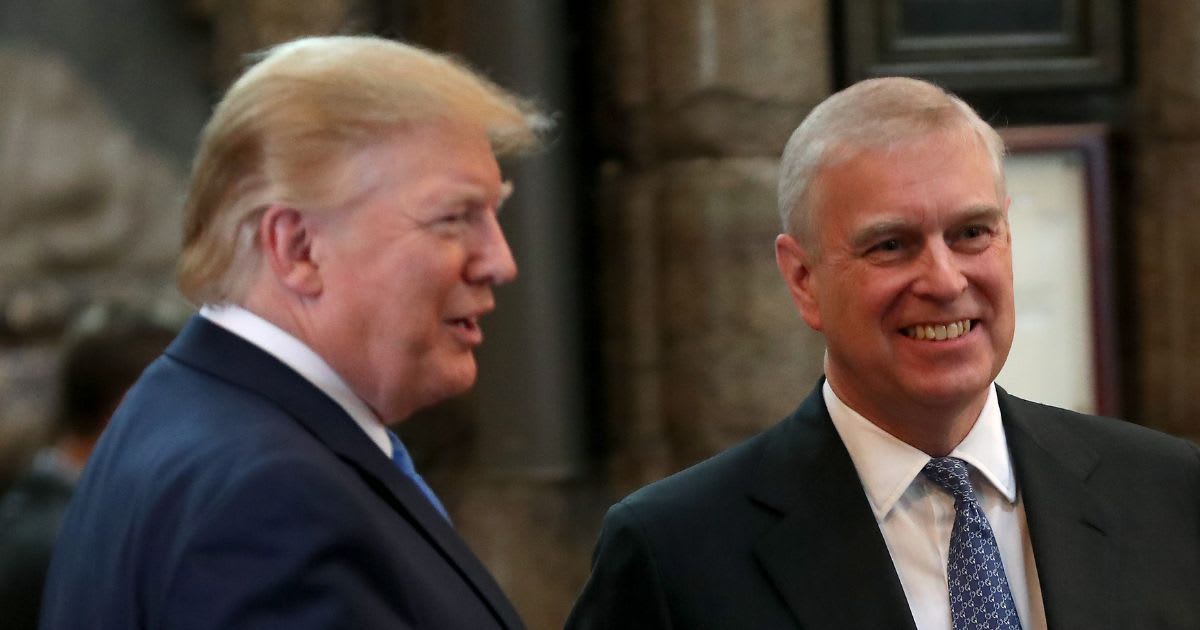


Renewed tension in Washington has reignited the debate on whether Andrew Mountbatten Windsor could evade potential legal action in the US under Donald Trump's administration. As congressional pressure intensifies, critics say he is deliberately avoiding testifying. Analysts have meanwhile also cautioned that the current political realities may limit any attempt to compel his cooperation.
They argue that a Trump-aligned Department of Justice won’t take action against the royal, despite the possibility of Congress attempting to hold him in contempt. This political narrative forms the core of the current debate over Mountbatten Windsor’s refusal to engage with US lawmakers.
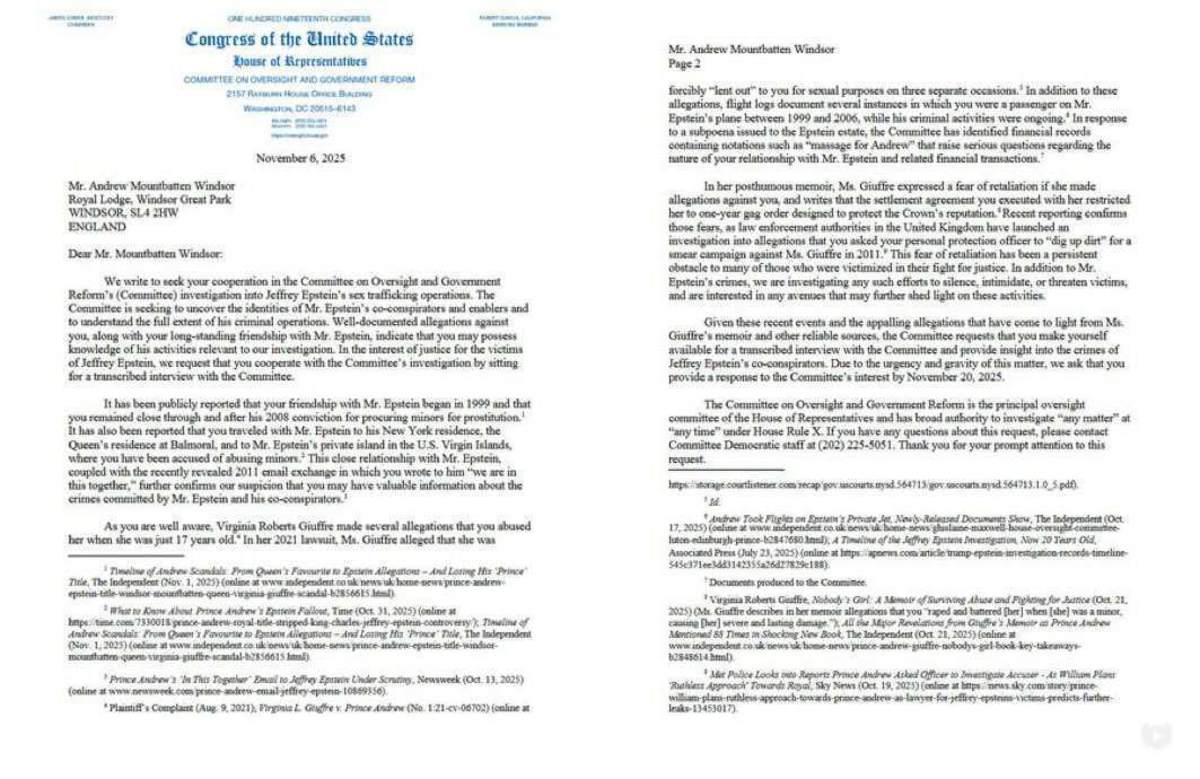
Calls for Mountbatten Windsor’s cooperation intensified after US lawmakers sent him a letter requesting he testify, though he wasn’t under a legal obligation to respond. The deadline passed without a reply from the former Duke, and frustrations in Washington have deepened as Mountbatten Windsor's name was among the most prominent in the 23,000 documents the House Oversight Committee reviewed. The committee did, however, also stress that appearance doesn’t imply wrongdoing.

Democrats have sharply responded to Mountbatten Windsor’s silence. According to The Mirror, ranking member Robert Garcia and Congressman Suhas Subramanyam said, “Andrew Mountbatten Windsor’s silence in the face of the Oversight Democrats’ demand for testimony speaks volumes.” They argued that the records “raise serious questions he must answer.” “Our work will move forward with or without him… We will get justice for the survivors,” they added. As reported by The Times, Subramanyam has also accused Mountbatten Windsor of hiding after missing the deadline. “He will continue to try to hide from people doing meaningful investigations of this matter.”
Meanwhile, Professor John E. Owens of the University of Westminster noted that a bipartisan majority of the committee “would issue a subpoena, going beyond the simple letter they have sent already.” He added that Mountbatten Windsor “would probably refuse whatever request is made.” Congress might consider a contempt ruling if that’s the case. Owens cautioned that “the US Constitution does not explicitly grant Congress this power,” making any enforcement effort legally unforeseeable.
Commenting on the potential impact of the Trump presidency, Owens added that if Congress pursued contempt, the prosecution would fall to “Trump’s politically subservient Department of Justice,” which he feels is “not going to happen.” His remarks highlighted why Mountbatten Windsor may remain insulated from US legal consequences. Owens noted that matters “could have been a different outcome” had the disgraced royal lived in the US.
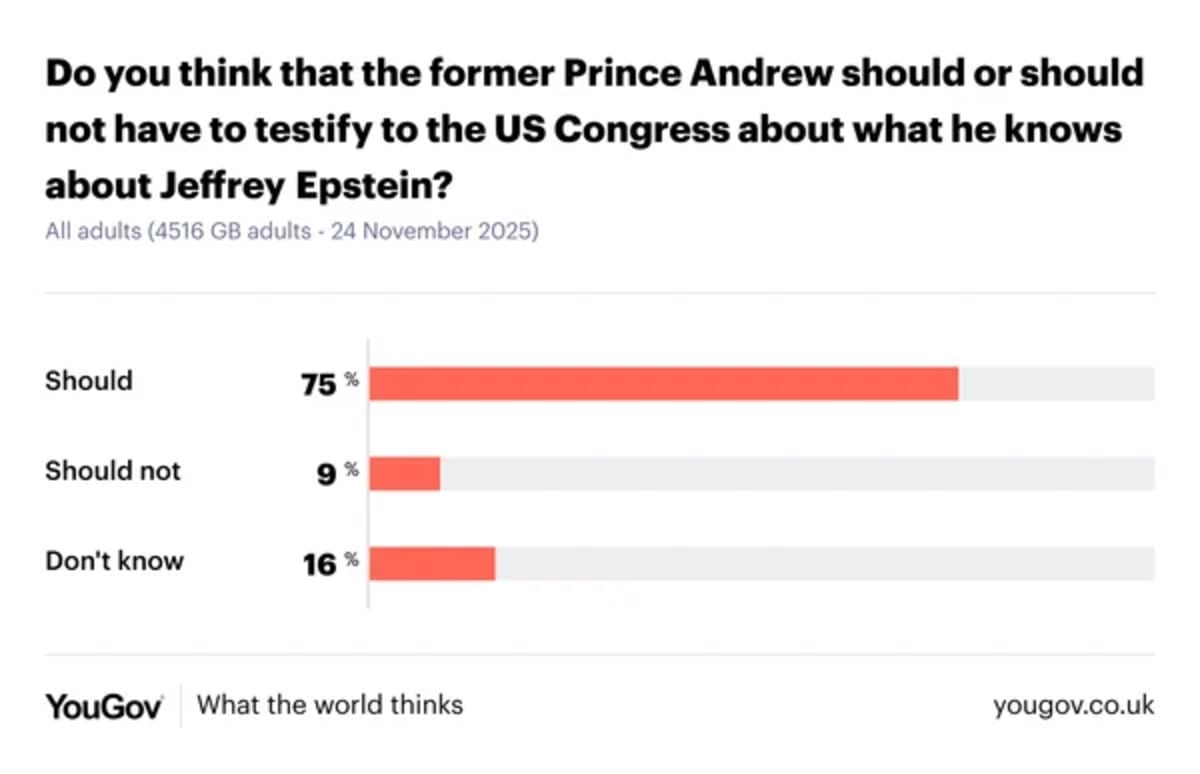
Public sentiment, however, remains Mountbatten Windsor. A new poll showed that a huge majority believes he should testify to the US Congress. As per the YouGov survey, 75% believe the former Prince should appear for a formal interview. Only a small fraction, i.e., 9%, felt he should continue refusing, and a notable minority, i.e., 16%, remained undecided.