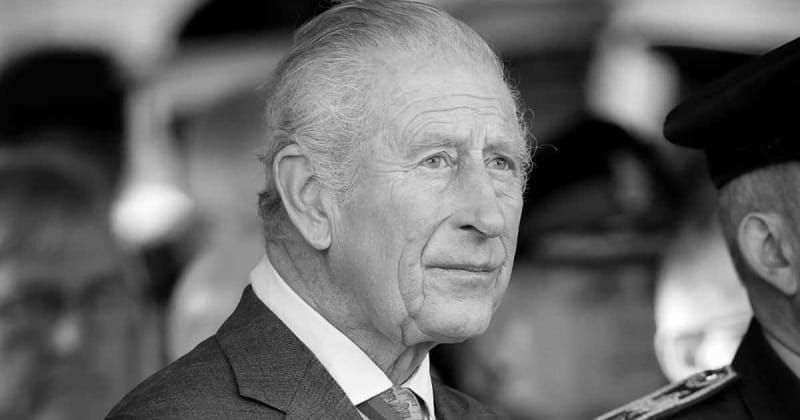
Etiquette Expert Reveals What King Charles’ White House Visit Would Be Like in 5 Words
An etiquette expert explains why the April 28 White House dinner for King Charles and Queen Camilla will be a "more casual" affair than UK banquets.
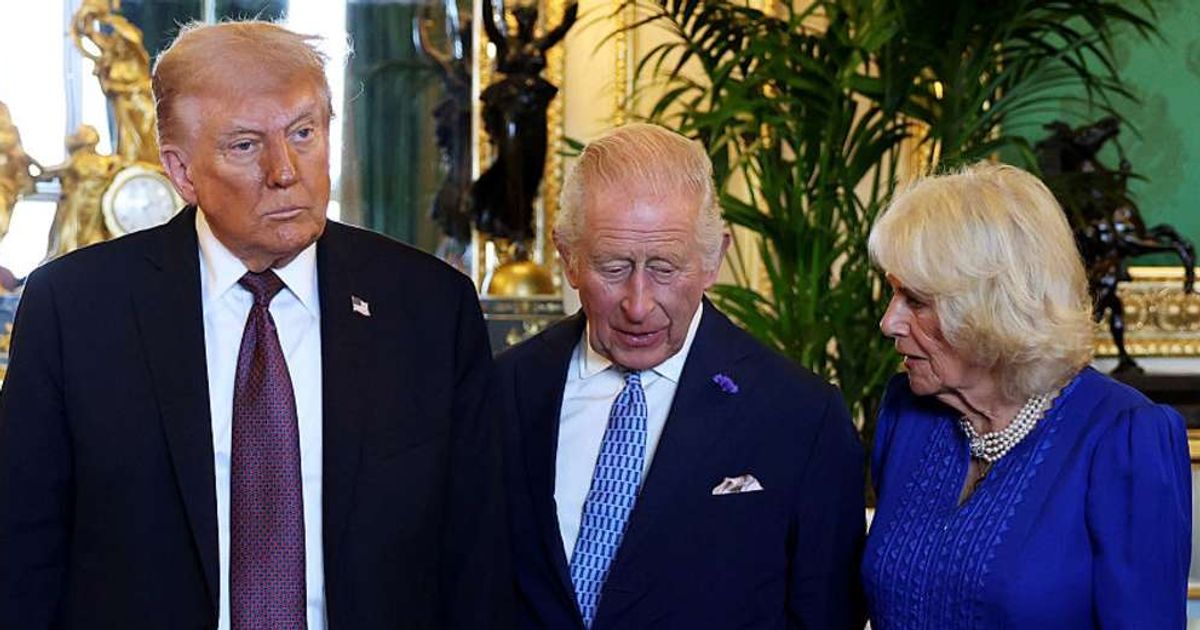


Later this April, King Charles and Queen Camilla will arrive at the White House, a setting worlds apart from the stately traditions of Windsor Castle. While the upcoming visit represents a historic moment — the monarch’s inaugural US state visit during the 250th anniversary of American independence — the evening will be characterized by a distinctly American style of formal hospitality. According to social etiquette coach William Hanson, an authority on protocol who has worked with six royal households, guests should prepare for a spectacle that is both highly rehearsed and surprisingly relaxed.
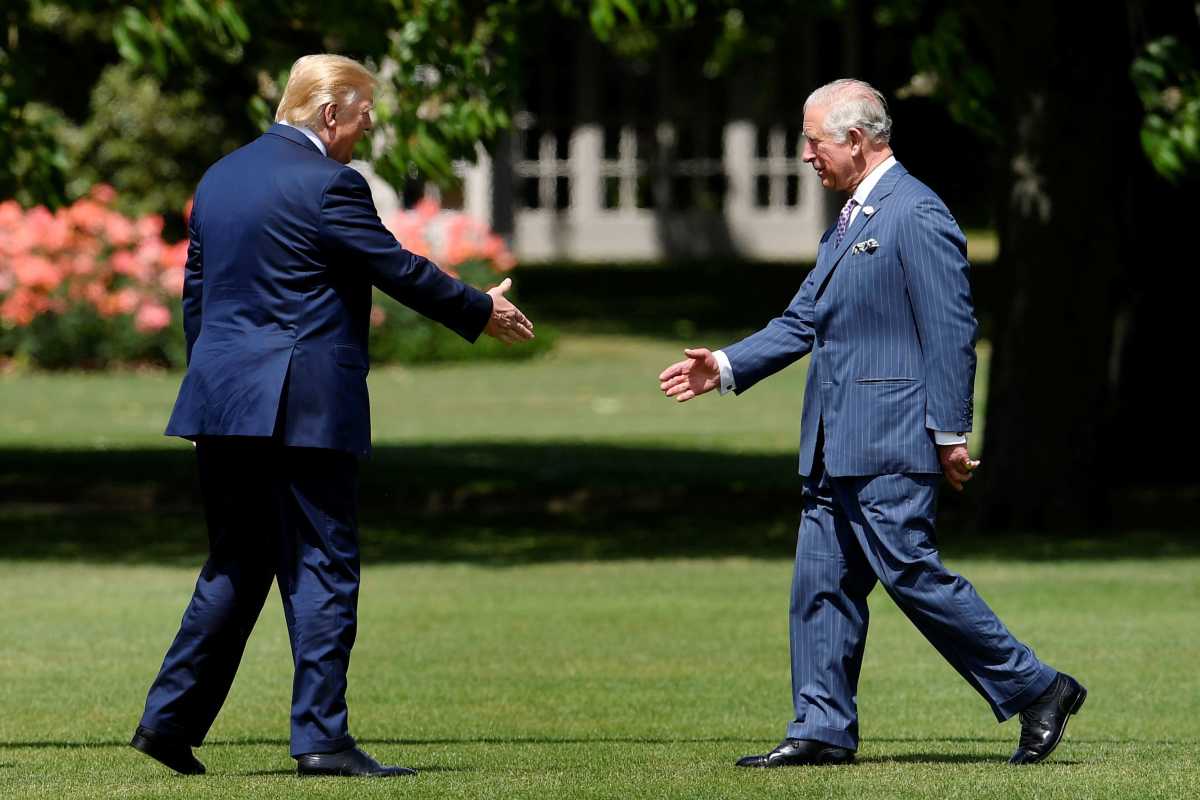
Speaking to PEOPLE, Hanson describes these high-stakes diplomatic events as a “form of theatre” featuring a series of welcomes, lunches, and gift exchanges that follow a rigid, decades-old script. “State entertaining is not particularly innovative,” he highlighted, noting, “There’s a belief we did it once like this, and it worked, so why change it?” While the UK and US share a long history, the White House state dinner on April 28 will stand in sharp contrast to the traditional banquets typically hosted by the British monarchy.
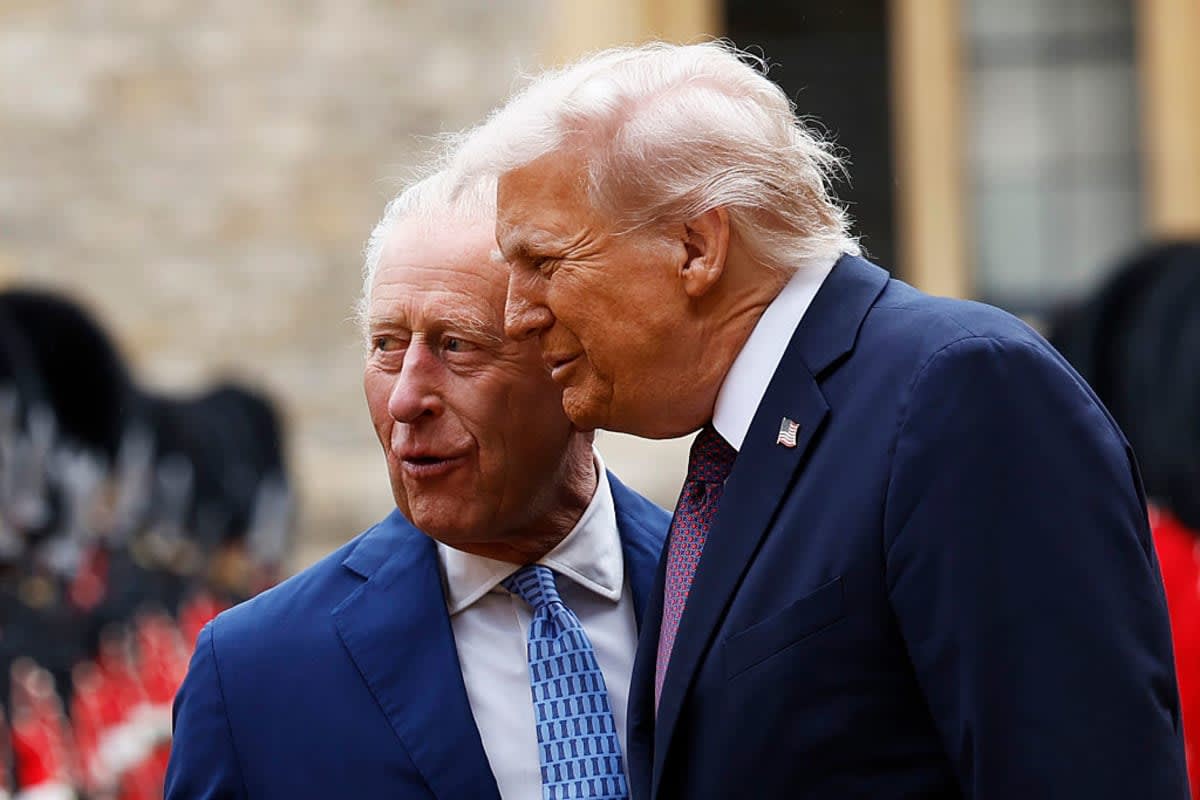
For instance, the royals hosted President Donald Trump in September 2025 with the highest level of formality — the Washington return match will likely dial back the intensity of the previous encounter. “It won’t be white tie, but black tie,” Hanson explained, stating that the last time the US opted for the most formal ‘white tie’ dress code was for the late Queen Elizabeth in 2007. This time, however, the etiquette expert highlighted, “It will be more casual."
"It will be very formal for most people but more casual than a British one.”
The physical layout of the room will also reflect American traditions established by Jacqueline Kennedy. Guests will be seated at smaller round tables, in a shift from the massive horseshoe or long tables of British palaces. This change, Hanson noted, is designed to be “more sociable,” though it presents a practical challenge for the staff. The expert pointed out that “if you have round tables, the cutlery is going to fall off the table” — a practical shift from British settings that might feature nine pieces of perfectly aligned cutlery.
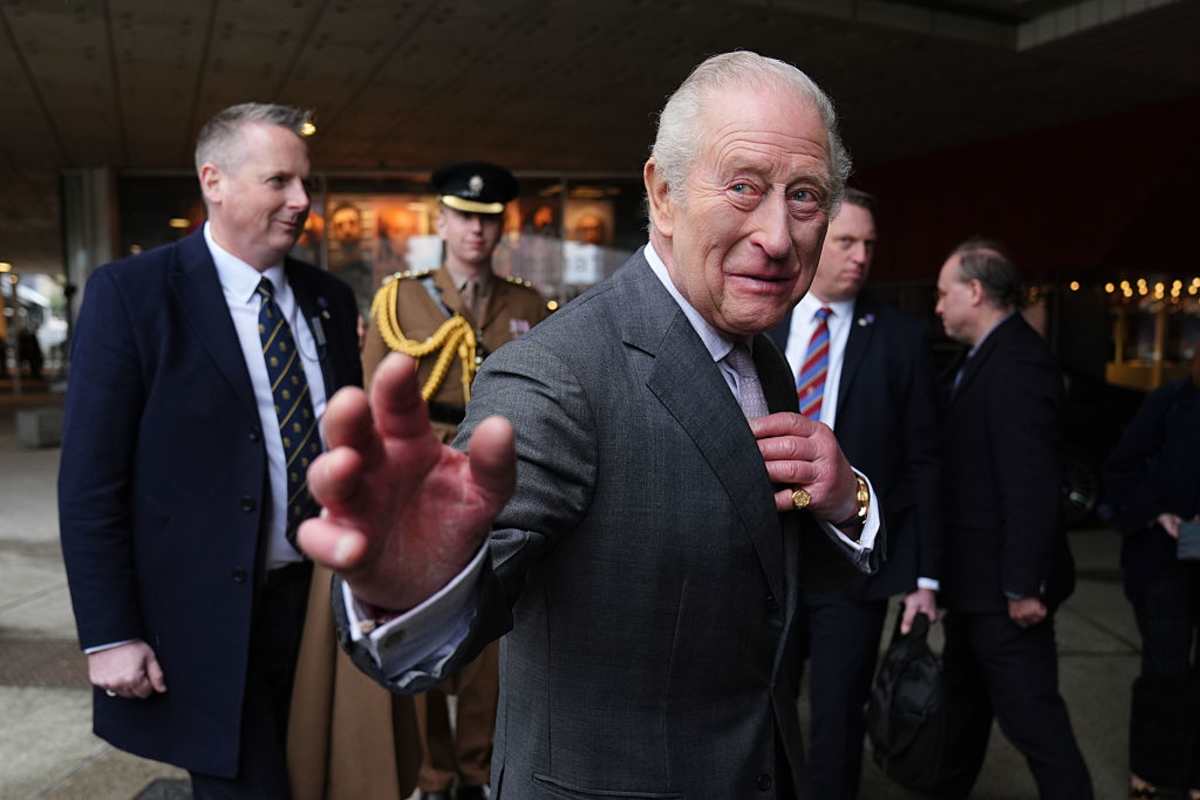
Beyond the decor, however, the success of the evening rests on the monarch's personal touch. Calling King Charles “arguably more relaxed” than his predecessors, Hanson described the sovereign as a “good conversationalist” with a “good sense of humor.” With the state visit serving as an important diplomatic tool, particularly after Trump’s latest UK jab against Prime Minister Keir Starmer, the close bond of the King and the President remains key. As the etiquette expert puts it, “If Trump likes him, that’s a big asset to Britain.”