Andrew Accused of Using Mental Health as a Defense Amid Epstein Fallout
Former royal protection chief exposes the 'conspiracy' that protected Andrew Mountbatten-Windsor as concerns grow over his secluded life at Sandringham.
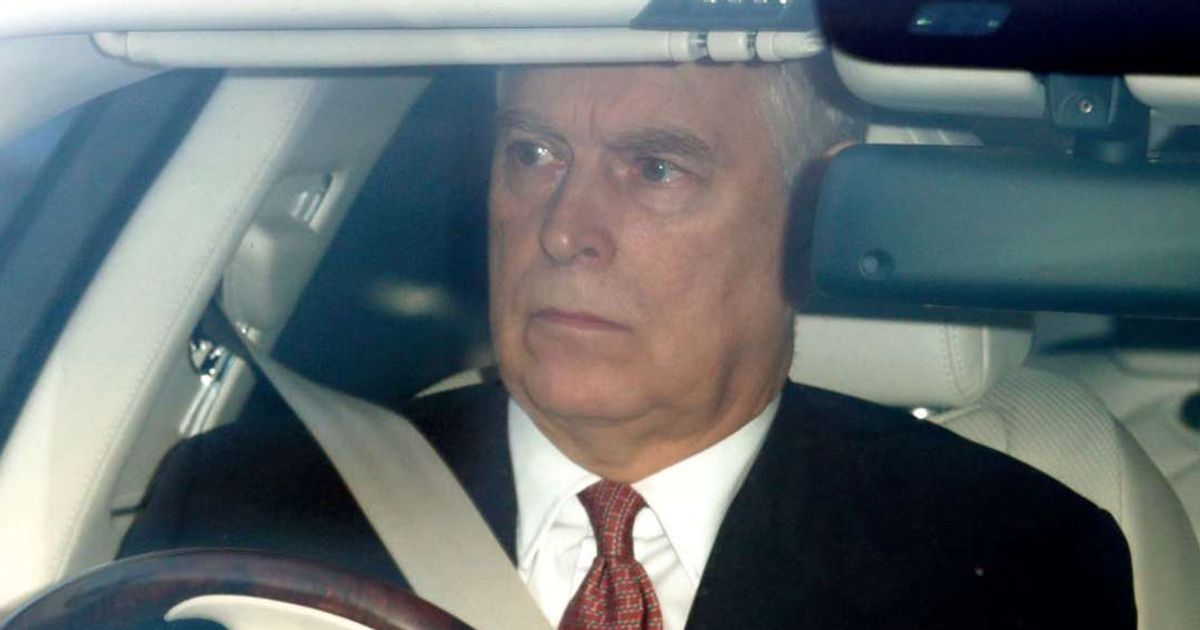


Andrew Mountbatten-Windsor’s downfall has reached a critical juncture, with royal commentators and legal experts suggesting his life as a public figure is effectively over. While reports emerge of the former Duke of York living a secluded existence — scowling at cameras while walking his dogs at Sandringham — the conversation has now shifted from his loss of titles to the stark reality of his permanent isolation. Former Head of Royal Protection Dai Davies joined presenter Jeremy Kyle during a recent episode of TalkTV and talked at length about the former Prince, his mental state, and the dark tentacles of the controversies that continue to threaten the foundation of the monarchy.
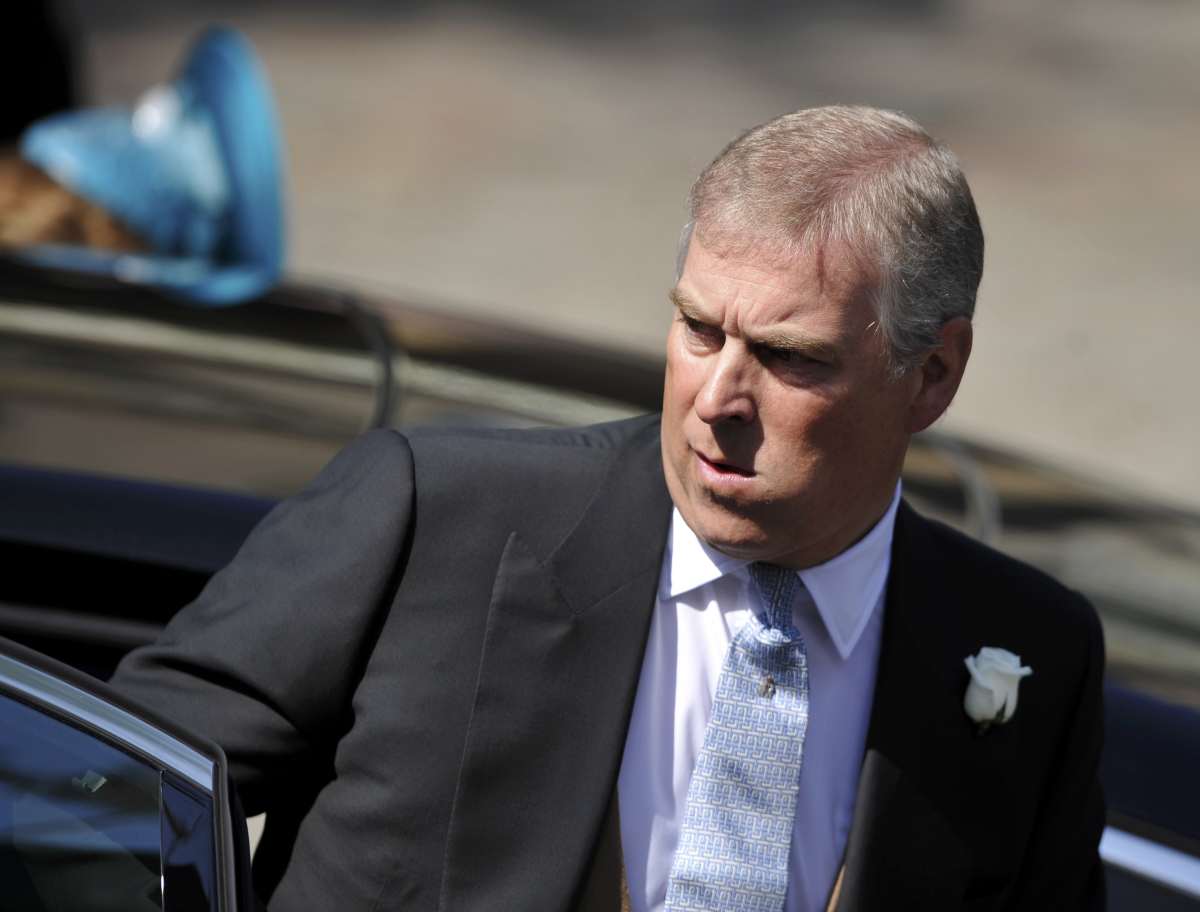
Reportedly, Mountbatten-Windsor recently moved to Marsh Farm, and the optics of his current life — residing in a five-bedroom home with perks like a private chef and a valet — offer little comfort to a public that sees his situation with growing resentment. Davies was blunt in his assessment of the former Prince’s situation, addressing the idea that he is suffering in a form of ‘exile.’ Rejecting the notion that the former Duke is a victim of circumstance, the ex-aide asserted that his present state of affairs is entirely self-inflicted. “I certainly think it's of his own making and for years now he's lived the life of Riley,” Davies remarked, noting, “Now he's finding out what the reality of life can be for the vast majority.”
With the former Prince further away from public view, speculation regarding his declining mental health has begun to emerge. Kyle brought forward a concern that Mountbatten-Windsor’s level of desperation has led some to question what he might do next. While recognizing the situation’s inherent stress, Davies offered a pragmatic and somewhat cynical take on the ‘mental health’ defense — a common tactic used in high-profile legal cases. “I think anybody waiting for any kind of trial, like in his case, would have a degree of mental health…That's the new term for everything these days. Everybody has to have mental health issues. Yes, that's part of being normal,” he observed.
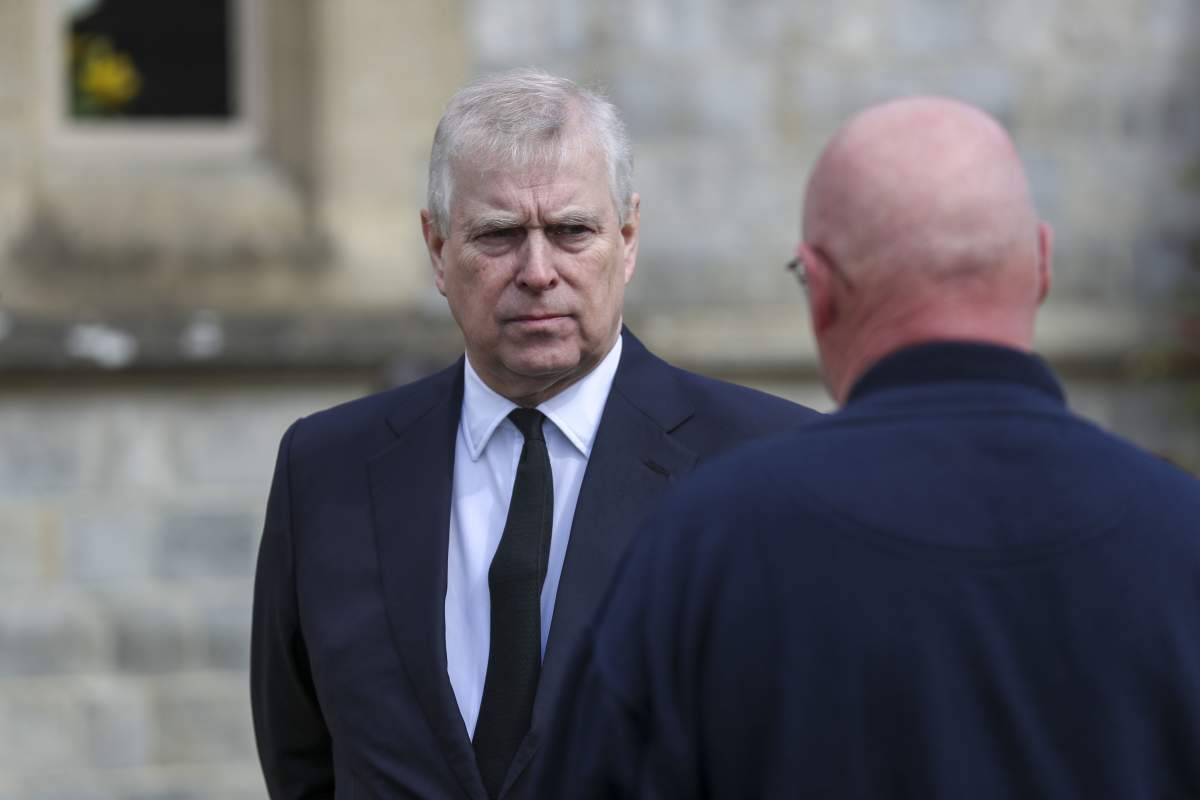
However, Davies and Kyle suggested there might be a more strategic reason for this quiet exile. While the public focus remains on his declining state, Davies alleges a "conspiracy of silence" has long protected the former Duke — and potentially others. The fear, as Kyle noted during the discussion, is that a desperate Andrew might "squeal like a pig" if pushed to a breaking point, making his mental health a convenient reason to keep him isolated from the legal "tentacles" reaching into the higher ranks of the monarchy.
As the conversation moved past the topic of the ex-Duke’s personal well-being, the ongoing investigation’s systematic issues soon took center stage. Davies expressed his deep frustration with the pace of the authorities, comparing the situation to other notable cases where justice was delayed for victims. He demanded that the police forces bring charges if appropriate — rather than permitting the matter to be “kicked into the long grass” through further delays. Perhaps the most damning was Davies’ allegation that the scandal involves more than just one man, suggesting that Mountbatten-Windsor survived for as long as he did because of a protected environment, which, according to him, simply ignored his actions.
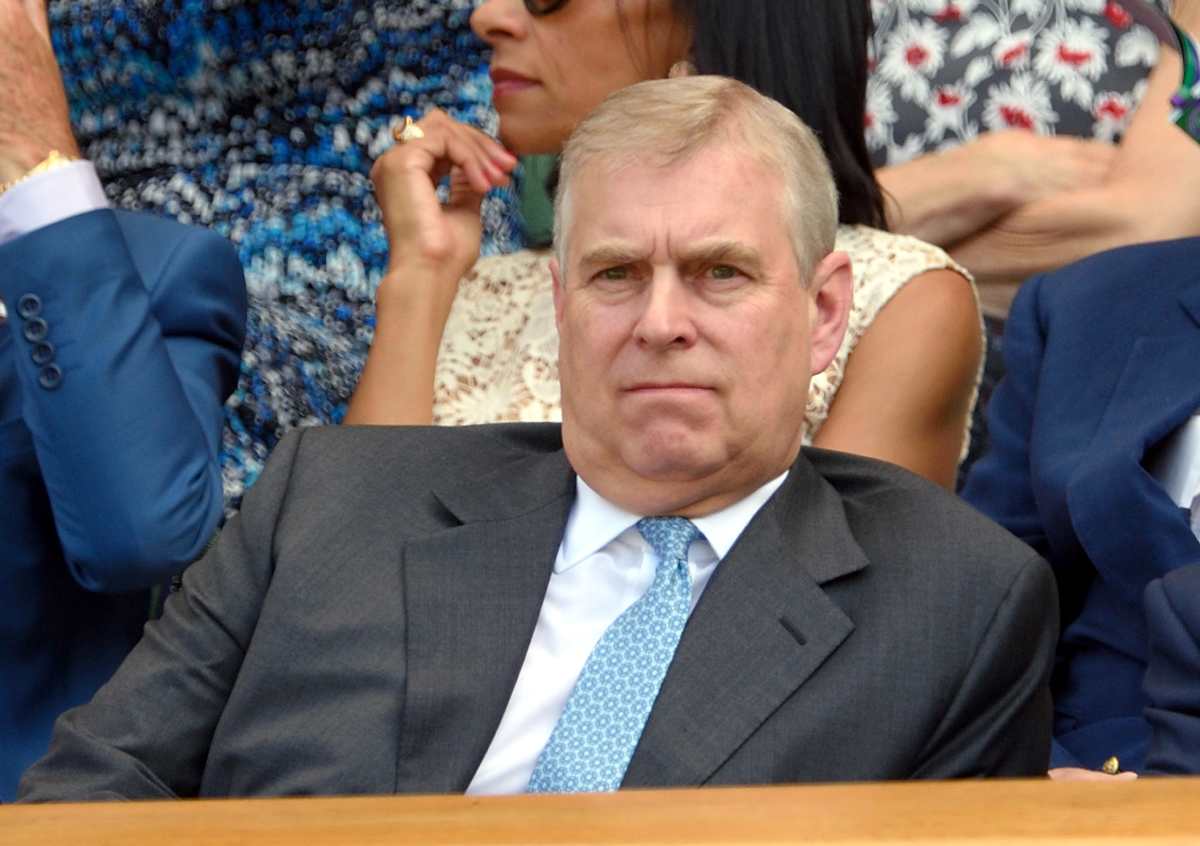
Davies continued, “I did a documentary in Welsh…. I called it a conspiracy of silence,” he revealed, adding, “People must have known. And if you knew a crime was being committed and you either did nothing or you aided and abetted it, that's a conspiracy to pervert the course of justice.”