All of Prince Harry's Legal Fights After His Royal Exit — Explained
Rather than accepting decisions made behind Palace doors, the Duke chose a far more public route, using legal action.
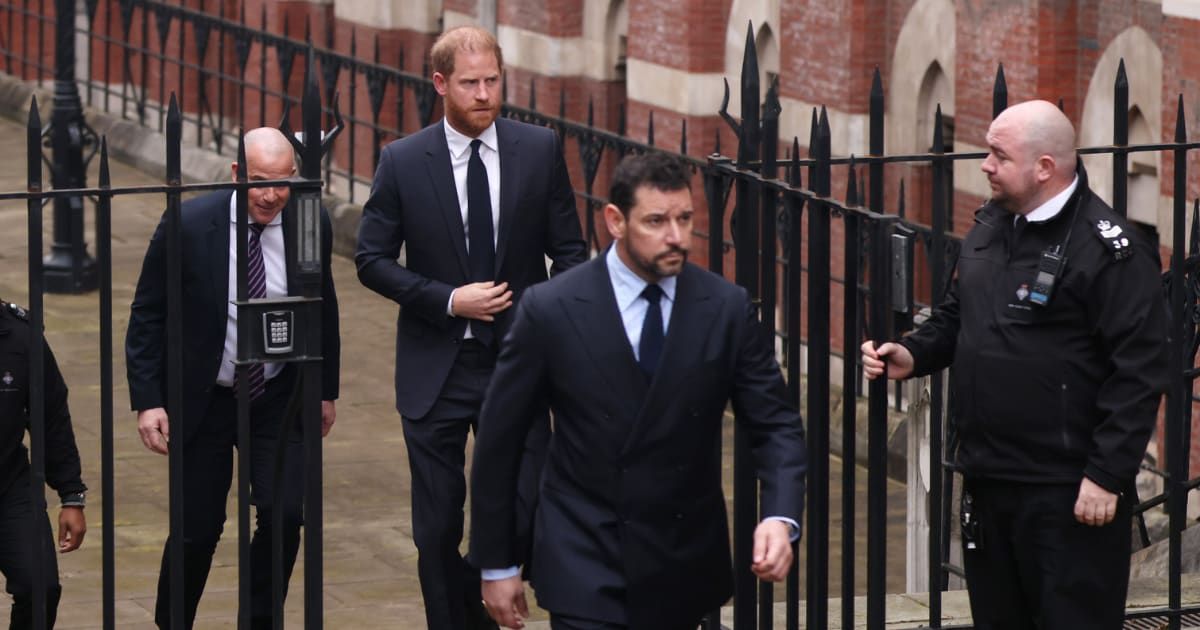


Prince Harry has become one of the first members of the modern British royal family to confront powerful institutions head-on through the courts. Rather than accepting decisions made behind Palace doors, the Duke of Sussex has chosen a far more public route, i.e., using legal action against the government decisions and long-standing media practices he believes failed to protect him and his family. Since stepping back from royal duties in 2020, these lawsuits have come to define Harry’s post-royal life.
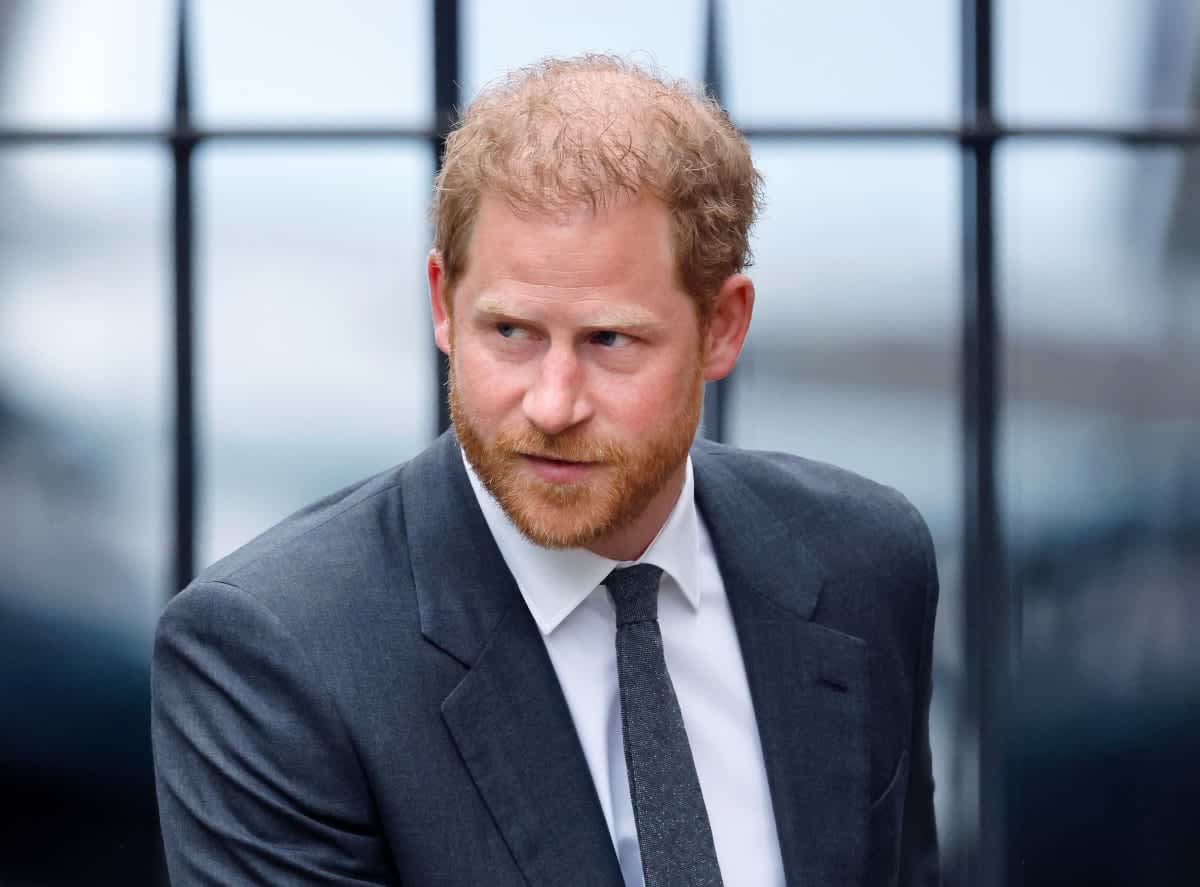
The most personal and politically sensitive of these cases has been his fight over state-funded security in the UK. After Harry and Meghan Markle ceased to be senior working royals, the Home Office removed their automatic entitlement to taxpayer-funded police protection. Harry has consistently argued that stepping away from royal duties did not reduce the level of risk they face. According to his legal team, the Duke, the Duchess, and their children — Prince Archie and Princess Lilibet — remain globally recognized figures and potential 'targets'.
In 2022, Harry sought a judicial review after being informed that private individuals are not permitted to access state security, even if they offer to pay for it themselves. His lawyers said the ruling left the family exposed during visits to Britain. In May 2023, the court rejected his request to privately fund armed police officers. The case faced another setback in February 2024, when the High Court dismissed his broader security claim. Harry appealed the decision in June 2024, but a year later, in May, the appeal was formally denied.
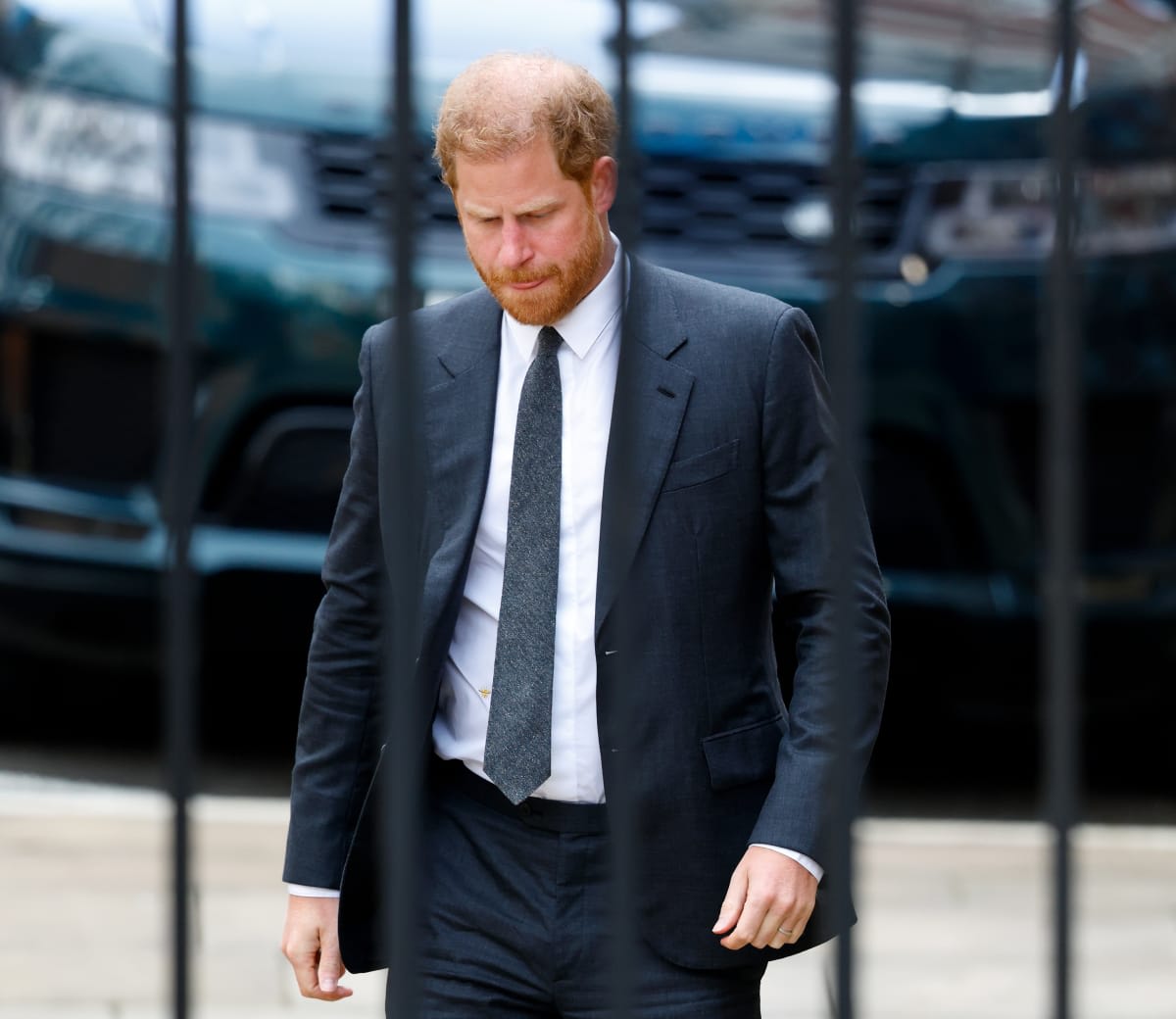
Other than the security dispute, Harry has pursued several legal cases against British newspaper publishers, accusing them of using unlawful methods to obtain private information. These lawsuits have placed him at the centre of renewed scrutiny of tabloid culture and press ethics in the UK.
One of the most significant cases involved Mirror Group Newspapers (MGN), the publisher of the Daily Mirror. Harry alleged that the group hacked his voicemail and relied on illegal practices to gather stories about him. MGN denied the accusations and argued it could not be held responsible for actions that occurred before the Human Rights Act came into force in 2000. In June 2023, Harry testified in court, becoming the first royal in more than 130 years to take the witness stand. His testimony focused on how personal details of his life repeatedly appeared in the press. In December 2023, the judge ruled in his favor, finding 'sufficient proof' that MGN had engaged in unlawful information gathering, including phone hacking.
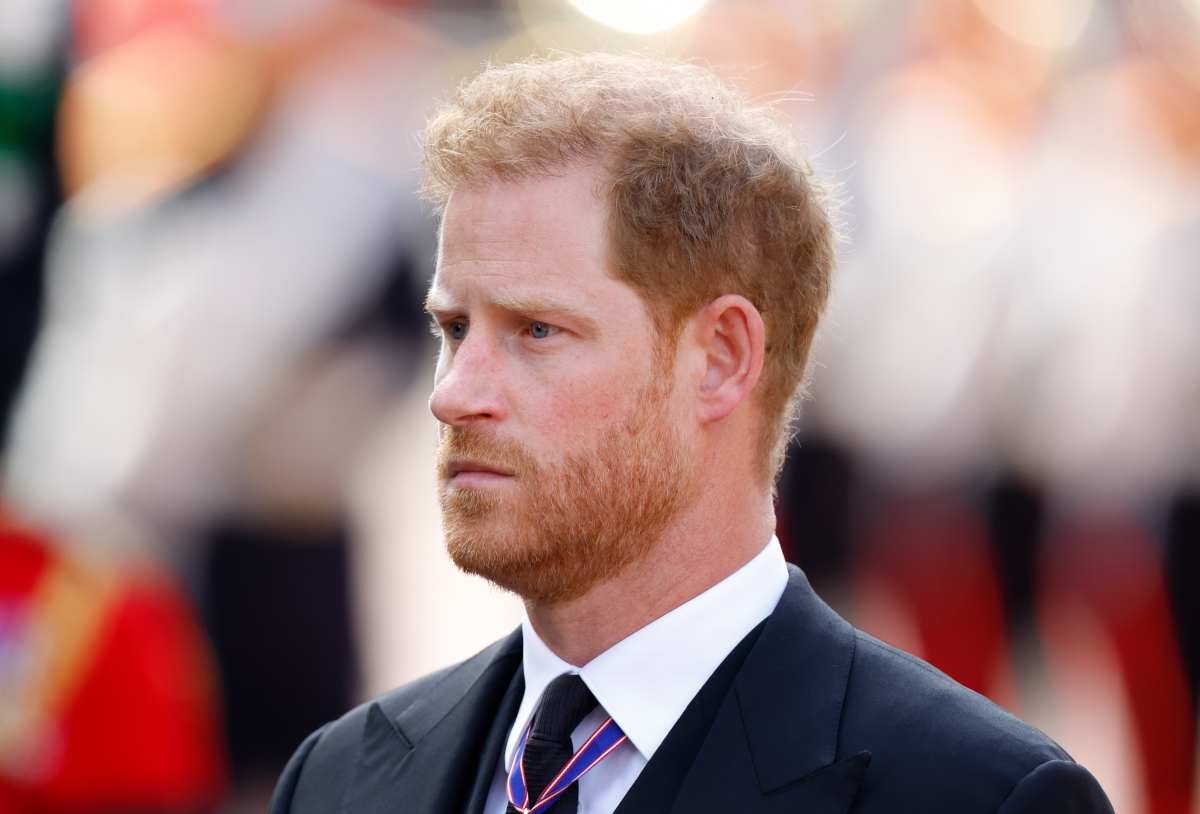
Harry also filed a lawsuit against News Group Newspapers (NGN), which owns The Sun. In this case, he accused the company of unlawful information gathering and claimed that his brother, Prince William, reached a large financial settlement with NGN in 2020. Harry further alleged there was a 'secret agreement' between the royal family and NGN that discouraged royals from suing the publisher.
NGN admitted that phone hacking took place at the now-closed News of the World but denied any wrongdoing at The Sun. The publisher also rejected the claim of a secret deal. In July 2023, Judge Timothy Fancourt allowed the case to proceed on unlawful information gathering claims but dismissed the phone hacking allegations because they were filed too late. He also said there was no evidence of a secret agreement. The case was ultimately settled in January 2025.
Another major legal front opened with Associated Newspapers Limited, the publisher of the Daily Mail and Mail on Sunday. Harry initially sued the company over a February 2022 article that suggested he had misled the public about his security lawsuit. His lawyers argued the article was defamatory, while the newspaper said it was entitled to comment. In July 2022, a judge ruled that the case could go to trial, but Harry later withdrew the libel claim in January 2024.
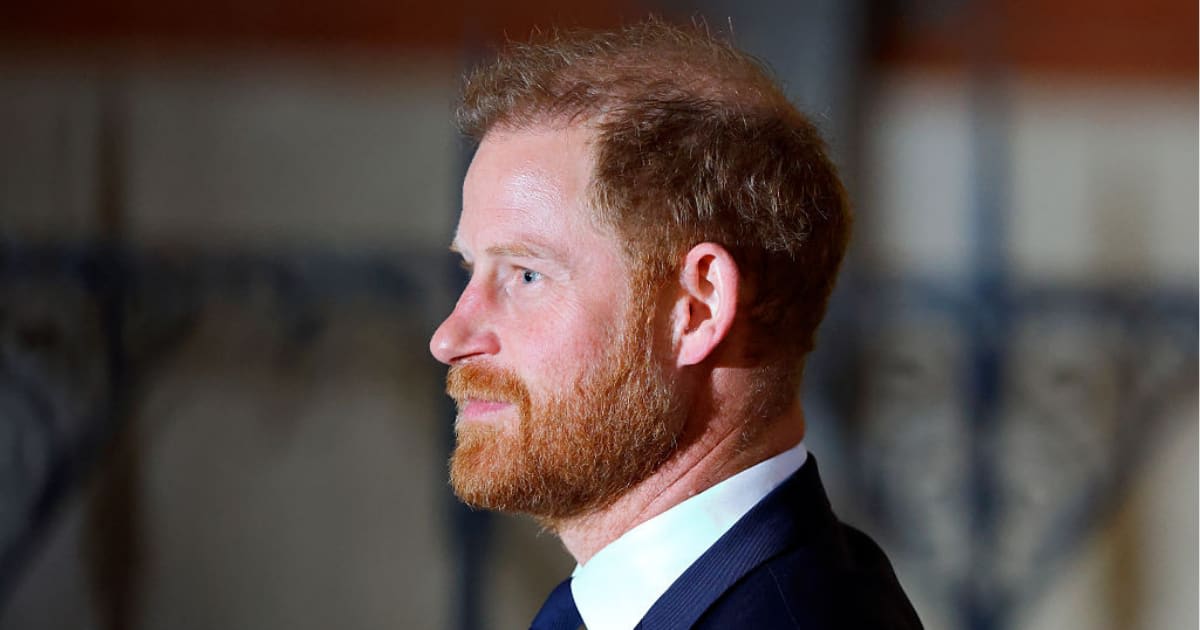
Harry is also part of a wider lawsuit against Associated Newspapers, alongside public figures such as Elton John and Elizabeth Hurley. The group alleges that the publisher used phone hacking and other unlawful methods to obtain private information. Associated has denied the claims and argued that they are too old to be pursued.
The case moved into a new phase in January 2026, when the trial began, and Harry took the stand for the second time. During his testimony, he said British tabloids had made his wife's life 'an absolute misery.' It also emerged during court proceedings that William and Kate Middleton had been named as alleged targets of phone hacking.
Even after losing his appeal over police protection in May 2025, Harry continued to challenge the process behind the decision. In July 2022, a judge allowed him to pursue a judicial review of RAVEC, the body responsible for royal and public figure security. Harry’s legal team argued that the committee’s original 2020 decision was flawed because he was not allowed to make 'informed representations' beforehand. Subsequently, in October 2025, Harry wrote a letter to the UK Home Secretary, Shabana Mahmood, requesting a review of his security arrangements while in the UK. This was shortly after it was reported that a stalker came very close to him twice during his September visit for the Wells Childs Awards.
While Harry ultimately failed to regain automatic government-funded security through the courts, the issue did not end entirely. In January 2026, RAVEC carried out a fresh review of Harry’s risk assessment. As per sources in the Home Office, the decision is likely to turn in his favor, a rare reversal that acknowledges the concerns he had raised for years.