What Prince William’s £250,000 Princetown Fund Reveals About His Approach to Royal Assets
EXCLUSIVE ANALYSIS: The Prince of Wales's £250k fund aims to strengthen the Princetown community by supporting its long-term future
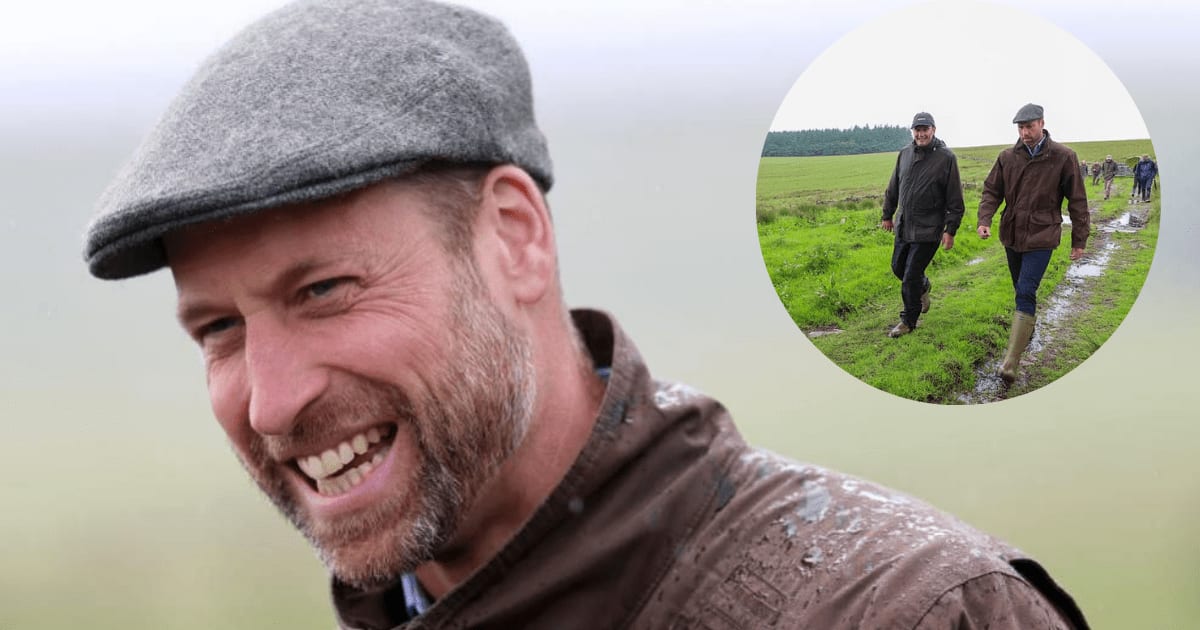


WHEN the Prince of Wales visits Princetown on Tuesday, he will not simply be unveiling another royal funding initiative.
The Princetown Community Fund has already been announced. The visit will instead put Prince William face-to-face with the community it is intended to support and offer a closer look at what his developing approach to the Duchy of Cornwall could mean in practice.
At least £250,000 is being made available for locally led social, economic and environmental projects, with grants ranging from £500 ($674) up to a whopping £40,000 ($53,928). For a small and relatively isolated Dartmoor community, that has the potential to make a tangible difference. But the real significance of the initiative extends far beyond the headline figure.
It raises a broader question about The Prince of Wales's stewardship: how can the wealth and assets of an inherited estate be used to create a visible and lasting benefit for the communities connected to it?
Princetown has a complicated relationship with one of the Duchy's assets in particular, Dartmoor Prison. The site has stood empty since July 2024 after high levels of radon were discovered in prisoner accommodation. Its uncertain future matters to a village where the prison has long been part of the economic and social landscape.
Despite being closed to prisoners, it remains operational to a limited extent, with staff continuing to work on the site as part of efforts to manage the presence of radon gas. As a result, the prison still requires ongoing staffing, maintenance and operational oversight, despite no longer housing inmates. This explains why the Ministry of Justice still pays rent to the Duchy of Cornwall.
As the eldest son of the Monarch, Prince William also possesses the title of Duke of Cornwall, and he's entitled to the profits generated by the accompanying Duchy estate. Subsequently, the Duchy of Cornwall receives £1.5 million a year through the lease of Dartmoor Prison.
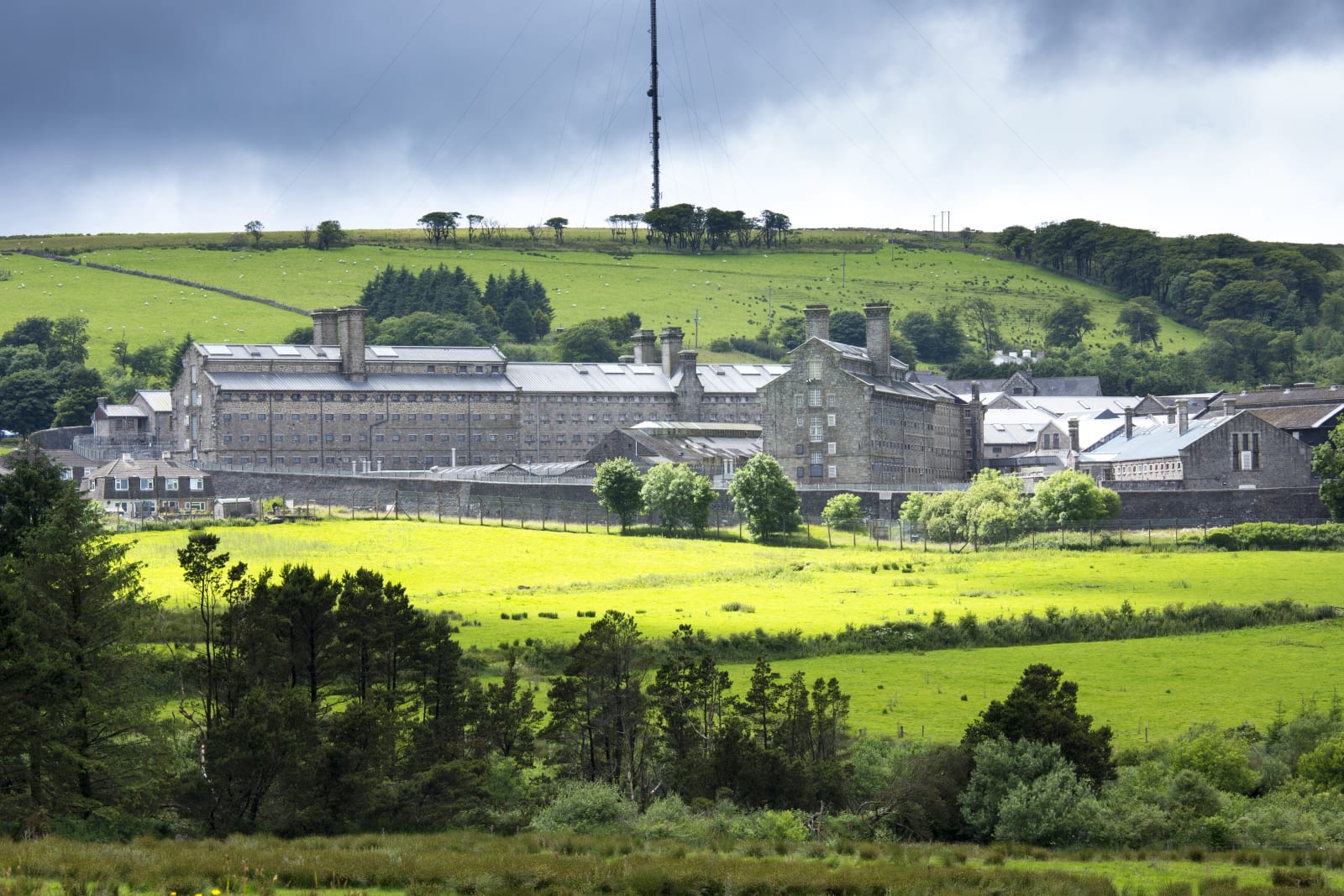
But from 2026–27, the Prince of Wales has asked for that rental income to be removed from the revenue from which he personally benefits and instead directed towards investment in Princetown and the surrounding area.
That context changes the significance of the £250,000 fund as it is not simply a standalone charitable gift from the Prince. It is one of the first practical expressions of a wider decision about what should happen to income generated by a Duchy. The principle behind it is potentially significant as money generated from a royal asset rooted in a community will be used to invest back into that same area.
Rather than the Duchy arriving in Princetown with a single solution determined elsewhere, local people will be given the opportunity to directly shape how some of the investment is used. A small grant could help a community organisation expand its work. A larger award could support facilities, employment, environmental projects or initiatives designed to attract people and economic activity to the village. The true value of the fund will therefore not necessarily be found in the original £250,000 figure, but in what that money enables local people to create.
William's Visit
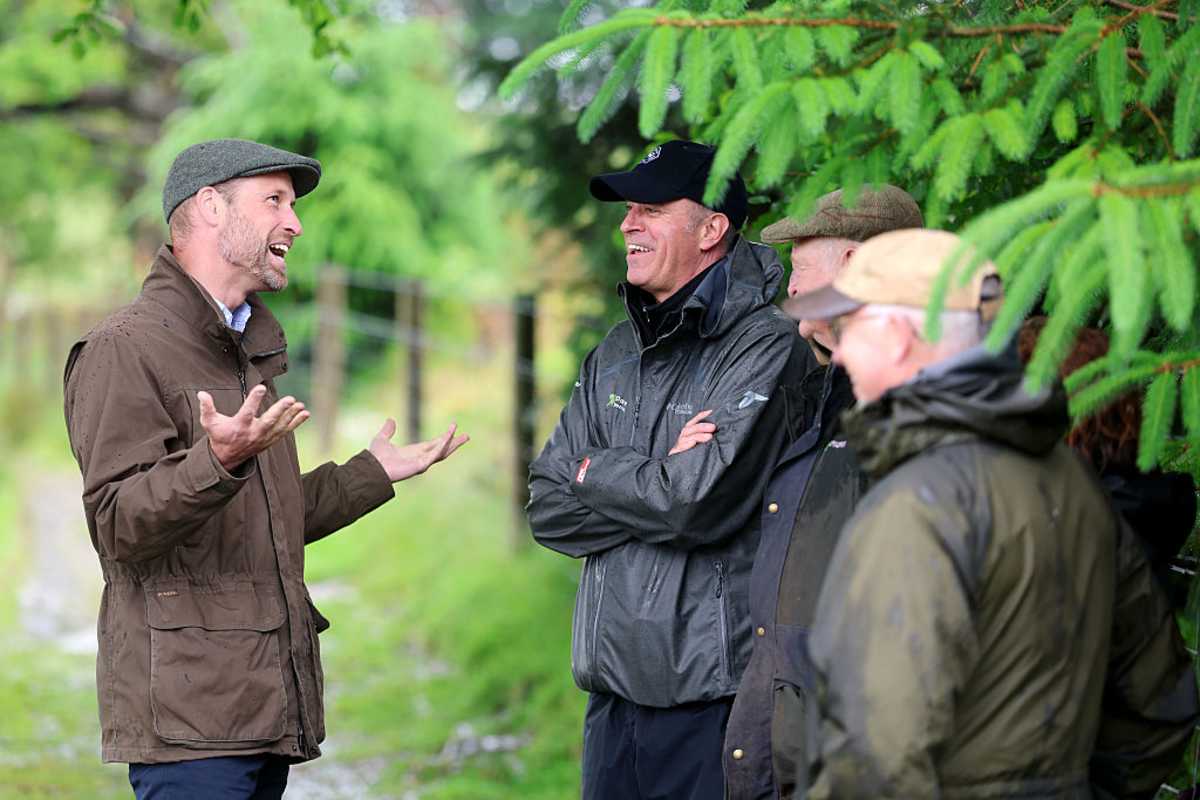
According to reports, Tuesday's visit will provide William with an opportunity to see some of that work directly.
The Prince is expected to visit Gather & Moor, a new community and cultural hub developed by the Duchy of Cornwall, meet representatives from Princetown Press and speak with residents who have helped develop a shared vision for the village.
He's also expected to visit Princetown's youth club, which has previously received Duchy funding to improve its facilities. Those engagements are important because they place the people who live in Princetown at the very centre of the story. A royal visit can generate national attention for a day but regeneration requires something considerably longer.
Since becoming Duke of Cornwall in 2022, William has not just inherited the Duchy's land and income, but also the responsibility - and scrutiny - that accompanies it. The Princetown initiative offers an interesting example of how he appears to be approaching that responsibility. The Duchy has committed to deploying more than £500 million over the next decade across communities, homes, local economies, renewable energy, farming resilience and environmental recovery.
Princetown therefore sits within a much larger ambition. For William, the challenge will be demonstrating that those commitments translate into measurable improvements for the people living on and around Duchy land. That is particularly relevant here because of the decision surrounding the £1.5 million annual prison rent as the redirection of that income may create an expectation that Princetown should eventually be able to see the results.
From royal visibility to lasting impact, there's a tendency for the success of royal engagements to be measured through what happens on the day: who the royal meets, where they visit and what they say.
But the more meaningful measure of this initiative will be seen much later down the line.
Prince William cannot determine the future of Dartmoor Prison by himself, nor can the Duchy solve every structural challenge facing a rural community, but he can determine how the institution he inherited responds. In Princetown, his answer appears to be that the Duchy should not simply extract value from the places in which it owns assets; it should also invest in their future.
That may ultimately prove more significant than the £250,000 headline it represents. The Prince's visit will last a matter of hours, but the real measure of its significance will be what remains in Princetown long after he has left.
Sadly, the cost of living crisis has meant that we're living in an age where many in the UK debate the value for money the Monarchy brings. But William's actions present far more than just societal handholding. Instead, he seems to want to bring direct and meaningful action for the communities he directly serves, to reap the benefits and decide their own future.