Real Reason Why Queen Elizabeth Nearly Had a Nervous Breakdown Many Decades Ago
This happened when the Palace had planned a grand ceremony for Prince Charles’s investiture.
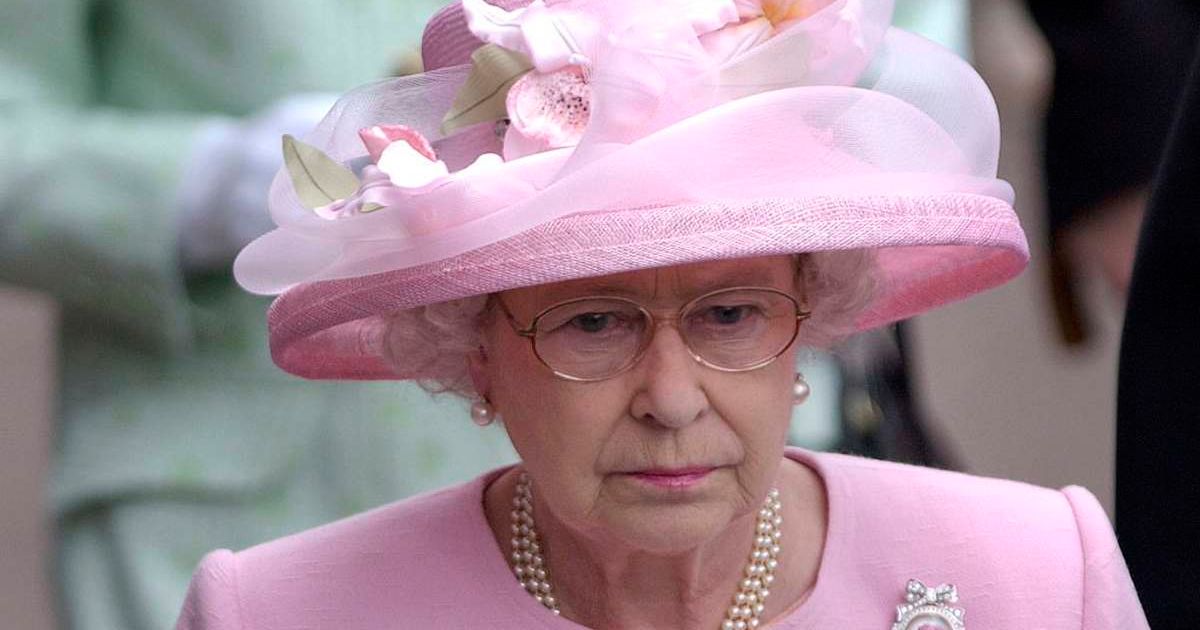


Over the years, several books and royal watchers have claimed that Queen Elizabeth II has experienced emotional strain at different points in her life. Such moments often came when the monarchy faced intense public criticism and internal challenges. However, many also believe that much of this is just speculation, as the late Queen was known for maintaining a composed public image. Nevertheless, in recent news, a royal biographer has once again revealed an incident when the late monarch allegedly came close to experiencing a nervous breakdown during the summer of 1969.
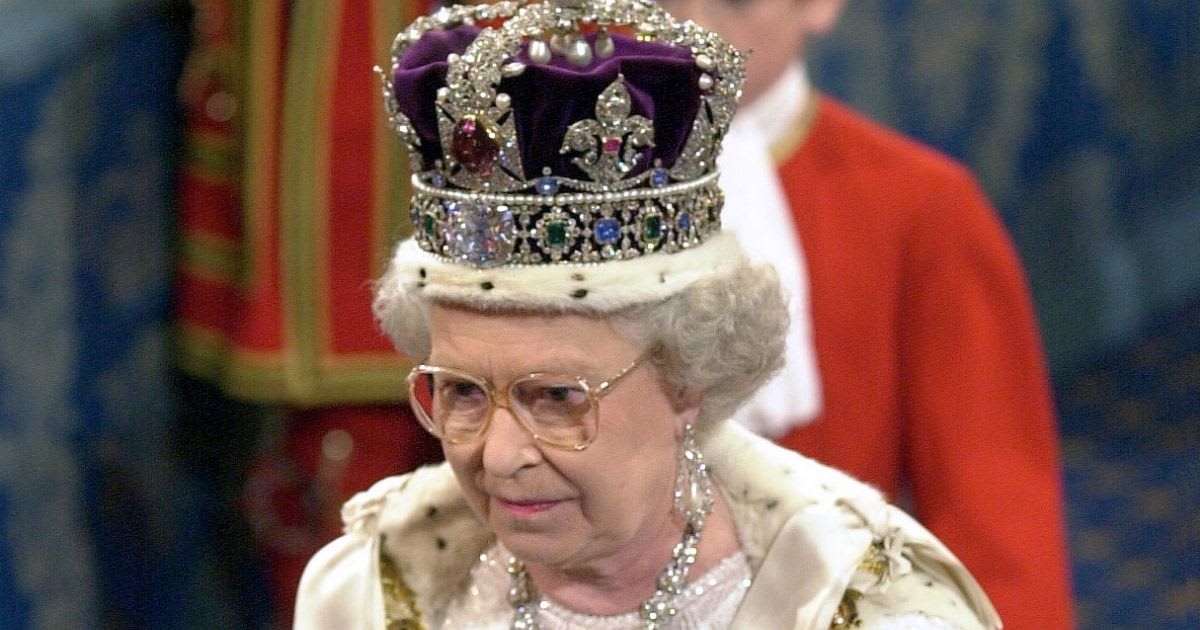
Robert Hardman, who carefully analyzed every detail of Queen Elizabeth II’s life in his book Elizabeth II: In Private. In Public. The Inside Story, has now offered fresh insight into a time when the Queen’s sudden withdrawal from public duties had a deeper underlying reason. While Buckingham Palace claimed that her absence was because of the flu, Hardman suggests that this was an excuse to protect the monarch during a period of personal strain. The royal biographer claimed that the summer of 1969 was very stressful for Elizabeth, mainly due to her son Charles’s investiture as Prince of Wales, as reported by the Daily Mail.
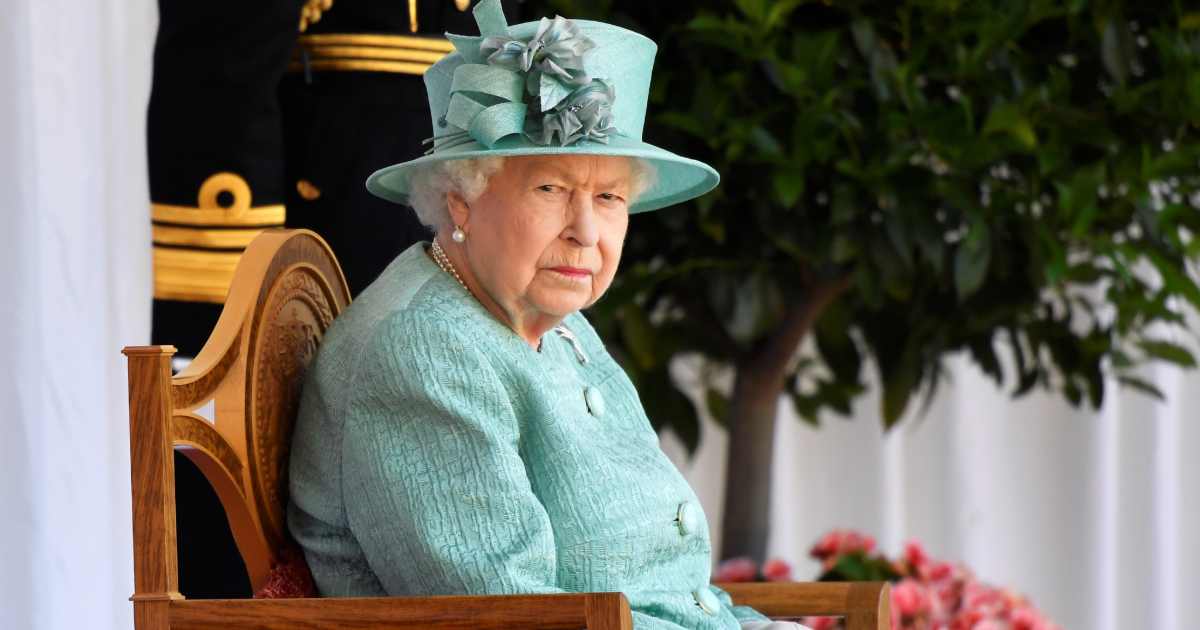
For the occasion, the Palace had planned a grand televised event for the global audience. But, in the weeks leading up to the ceremony, some serious security threats came up when a Welsh separatist group planted explosive devices in and around the castle where the ceremony was planned. This also resulted in the tragic loss of life both before and even on the day of the investiture. Hardman stated, "The ceremony was going to be the coronation mark two. It was a very tense moment. Only a few months later, the trouble started again in Northern Ireland."
He then went on to add, "It was all over the world, really - you just had the assassination of Martin Luther King and Bobby Kennedy in America. People were really nervous, worried about the direction the world was heading in." Speaking of the Queen's reaction to the whole scenario, he said, "The Queen had always taken the view that if something happened to her, she'd live with it - die with it. It went with the territory. But this was the threat of terrorism against her son, his event, and the family. Afterwards, Charles went off on a tour of Wales. The Queen went back to London to bed, cancelling all engagements for the week. Very, very unlike her." Interestingly, the Queen had been scheduled to attend the Wimbledon finals and several garden parties during this time, but the biographer mentioned that all of those engagements were ultimately cancelled.
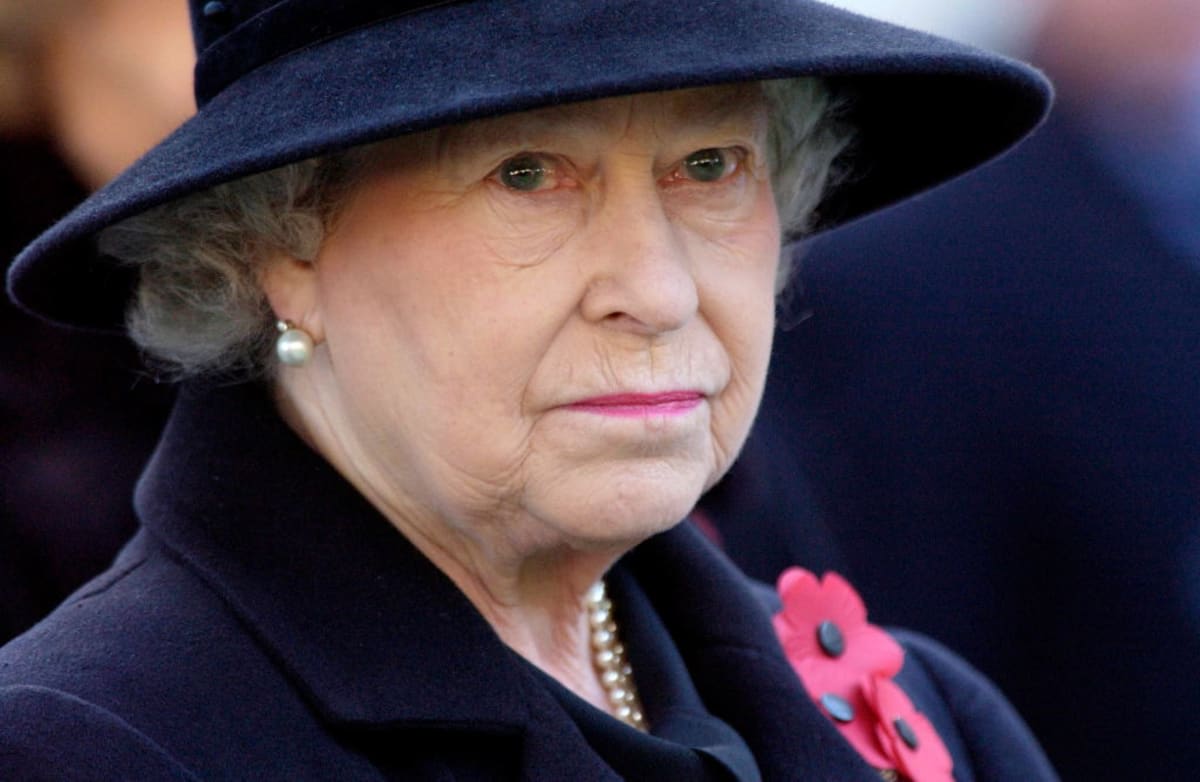
Robert Hardman also supported his version of events by suggesting that the official explanation may not have told the whole story, adding, “The Palace said she was suffering from the flu — an odd thing to be suffering from in early July. Someone very close to her team told me that it wasn't the flu, it was nervous exhaustion. I don't think you could call it a full nervous breakdown, because she was back on duty just over a week later — but it was the nearest thing to a nervous breakdown.”