Princess Diana ‘Defied Convention’ ― But the Comparisons to Queen Elizabeth Weren’t Fair, Says Expert
A royal expert defends the late Queen Elizabeth against decades of unfair tabloid comparisons regarding Princess Diana's headline-making 1983 tour choices.
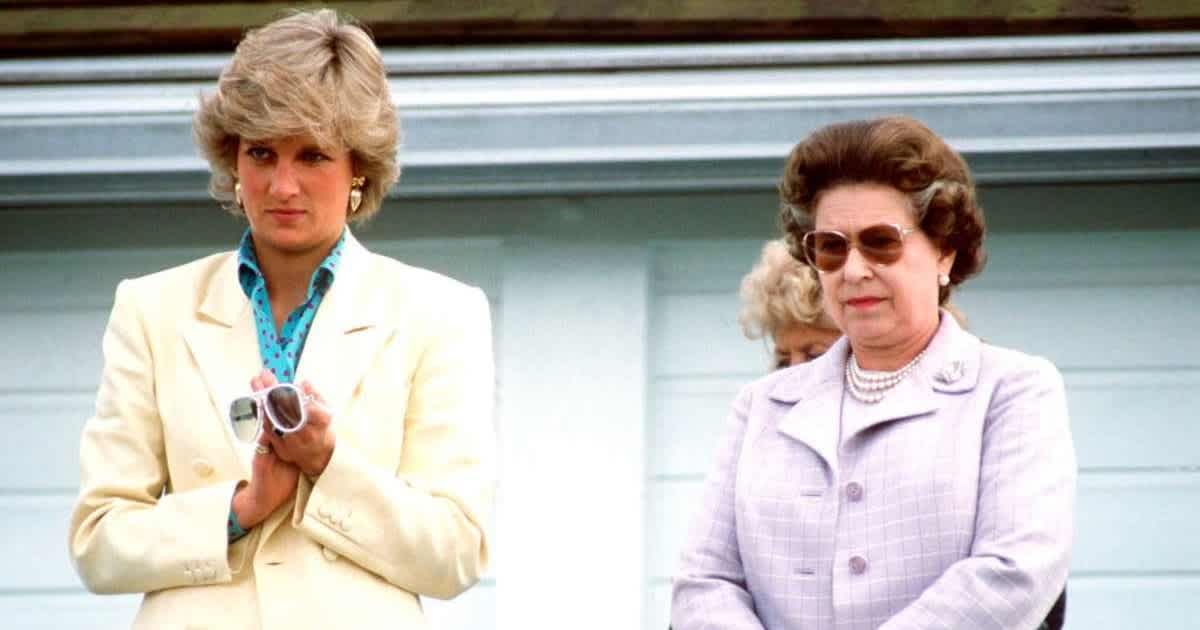


When Princess Diana brought a nine-month-old Prince William on her 1983 tour of Australia, the press instantly weaponized the moment, painting her as a revolutionary mother and Queen Elizabeth II as a cold monarch who abandoned her toddlers in 1953. But history is rarely that simple. In her book Queen Elizabeth II: Pocket Giants, royal expert Victoria Arbiter deconstructs this decades-old tabloid trope, suggesting that the late monarch did not deserve the backlash.
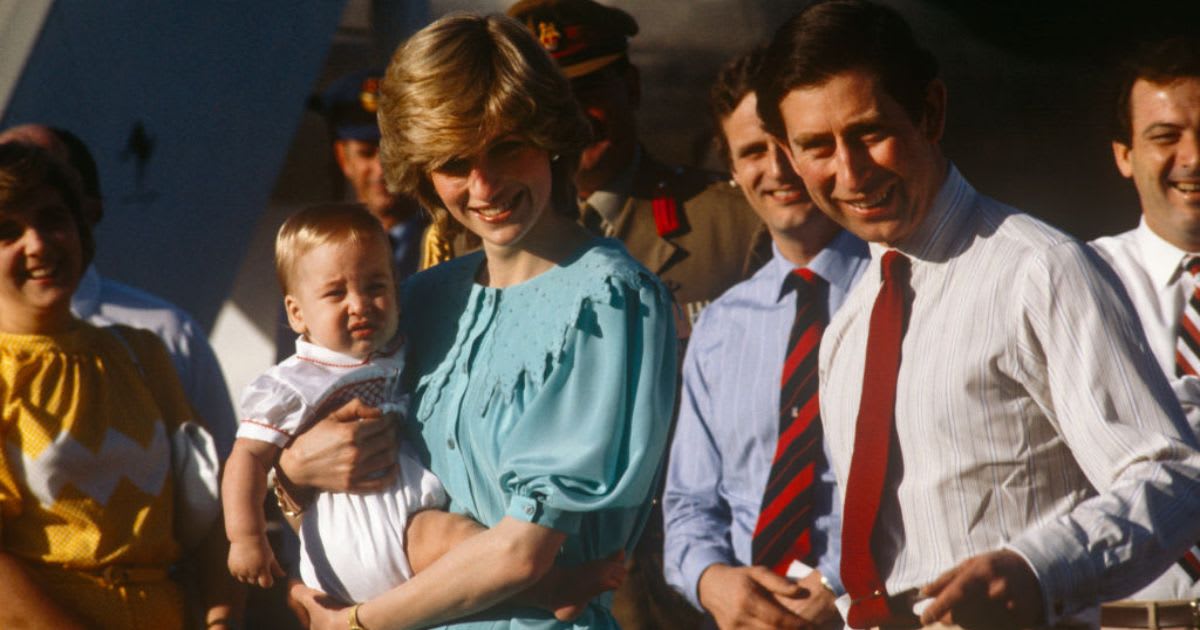
By looking past the headlines and examining a 30-year leap in aviation technology alongside vastly different constitutional duties, the expert noted that comparing the two royal women was quite unfair. In her book, she noted, "In 1983, Charles and Diana were lauded for taking their 9-month-old son Prince William on their 6-week tour to Australia and New Zealand....Pundits took to their columns, comparing the cold, unfeeling Queen who left her children behind to Diana, who defied convention and broke with tradition." The royal expert has significantly argued the unfairness in comparing the travel experiences of Queen Elizabeth and Princess Diana due to technological advancements. For instance, Elizabeth's 1953 tour involved a lengthy and challenging 17-hour flight to Bermuda, lasting six months, which made traveling with toddlers impractical.
In contrast, Diana's 1983 tour benefited from modern aviation, lasting six weeks while Prince William stayed at a ranch. "After a brief photo call, William and his nanny left for Woomargama, a working sheep and cattle ranch in South West Australia. He remained there for the duration of the tour, and his parents visited him several times," Arbiter stated. The public and media reception also differed significantly. Elizabeth faced large crowds upon arrival, whereas the Princess of Wales had a quieter welcome that allowed her to prioritize family. "People's attitudes towards royalty had shifted and, adored as she was, Diana was merely a princess, not The Queen," the royal author emphasized.
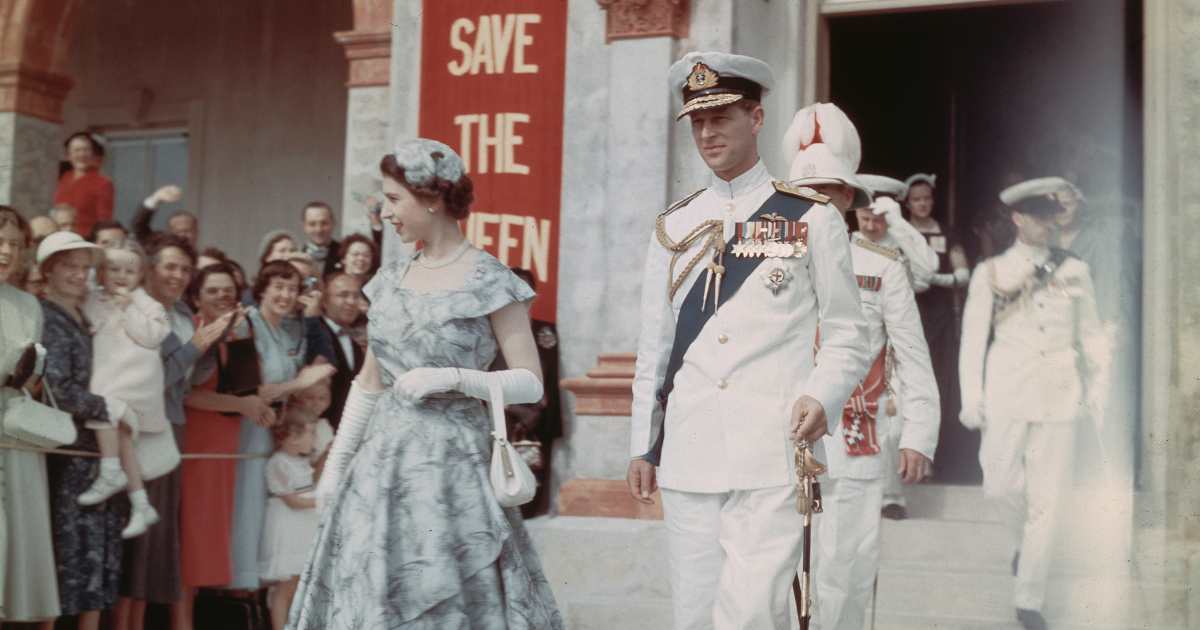
The late Queen's parenting style combined royal detachment with dedication and affection. Ascending the throne while her elder children, Charles and Anne, were young, her monarch duties often took precedence, resulting in long separations managed by nannies. This led to a formal dynamic, as exemplified by Charles recalling waiting for visits with her. However, with the births of Andrew Mountbatten-Windsor and Prince Edward a decade later, her approach softened into a warmer, more engaged style. While she upheld the public stoicism expected of her, she cherished private moments with her children.
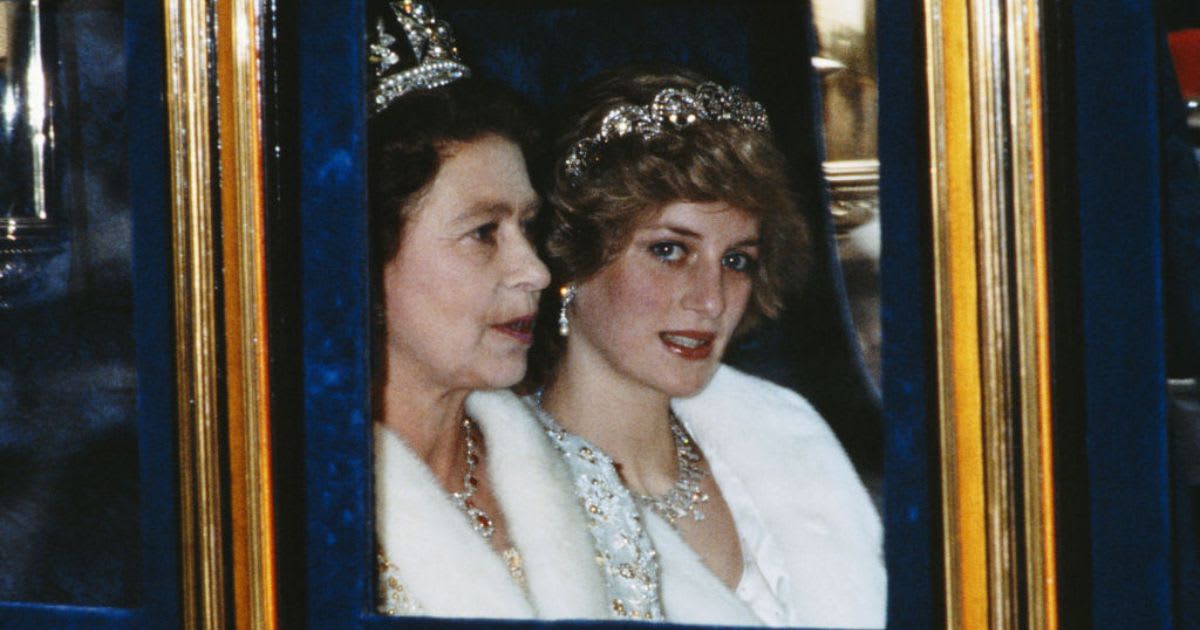
According to Town & Country, Historian Robert Lacey noted that the Queen preferred leaving her children with nannies instead of traveling with them, as she herself was raised similarly. "She had been brought up in that style herself, after all, with her parents leaving her at home and entrusting her entire schooling to a governess and home tutors," he highlighted. The Queen emphasized duty and absolutism to the monarch within a traditional system, shaping a future king through a hands-off approach. In contrast, Diana prioritized emotional transparency and physical affection, exposing her sons to life beyond the palace.