New Photo of King Charles With Guests Leaves People Outraged: 'It's Offensive'
Campaigners, scholars, and reparations advocates have spoken out after a photograph from King Charles's Commonwealth Day reception of Caribbean guests.
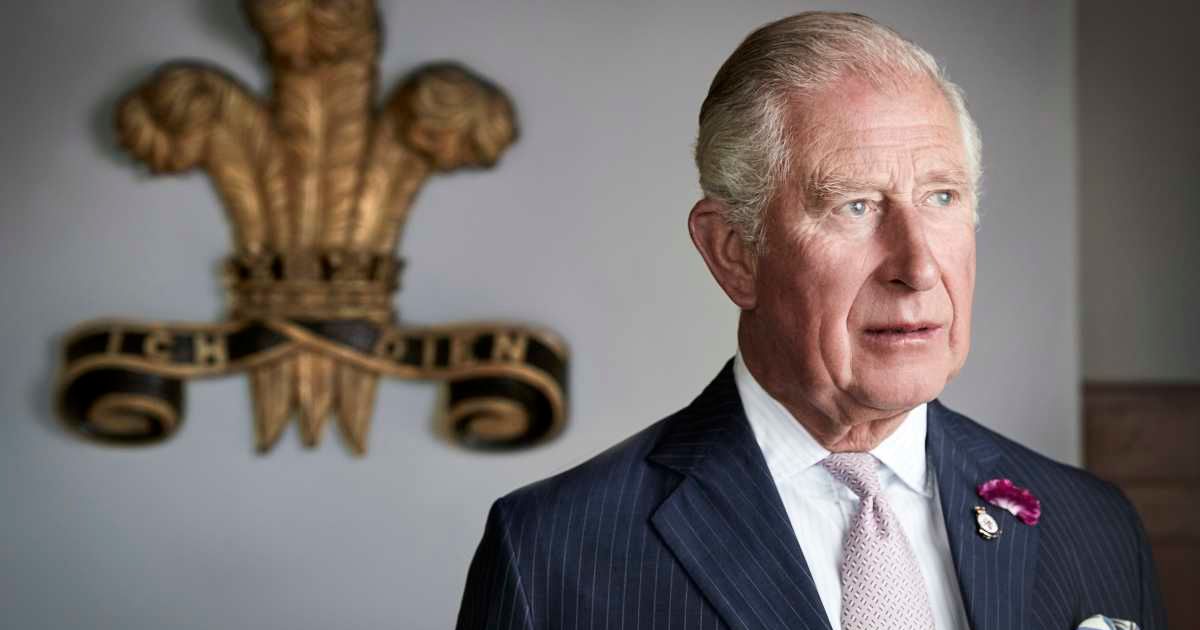


A single photograph from a routine royal reception has ignited a fierce debate about memory, accountability, and what it means to stand beneath the portrait of a king who profited from enslaved labor. On March 10, King Charles hosted a Commonwealth Day reception at St. James's Palace, welcoming several Caribbean representatives, including the foreign ministers of Jamaica, St. Kitts and Nevis, and Trinidad and Tobago, as well as Grenada's high commissioner to Britain, Rachér Croney, and other Caribbean diplomats.
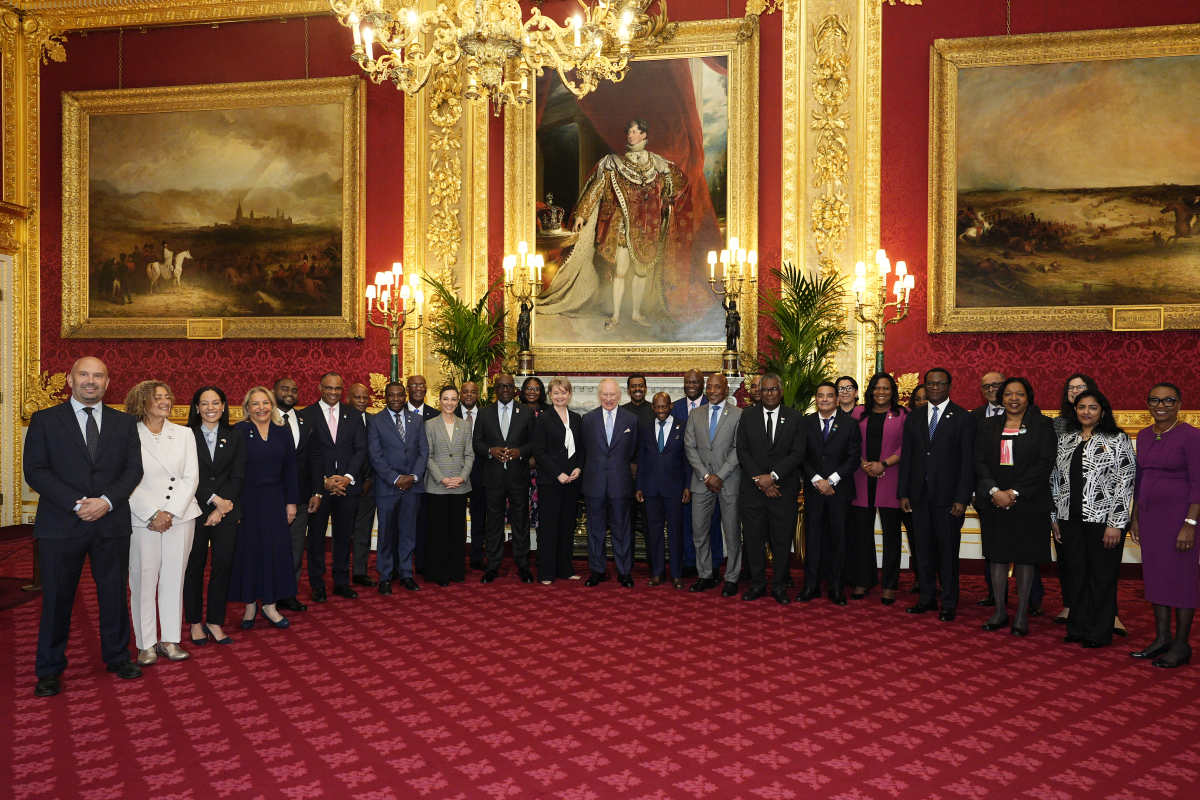
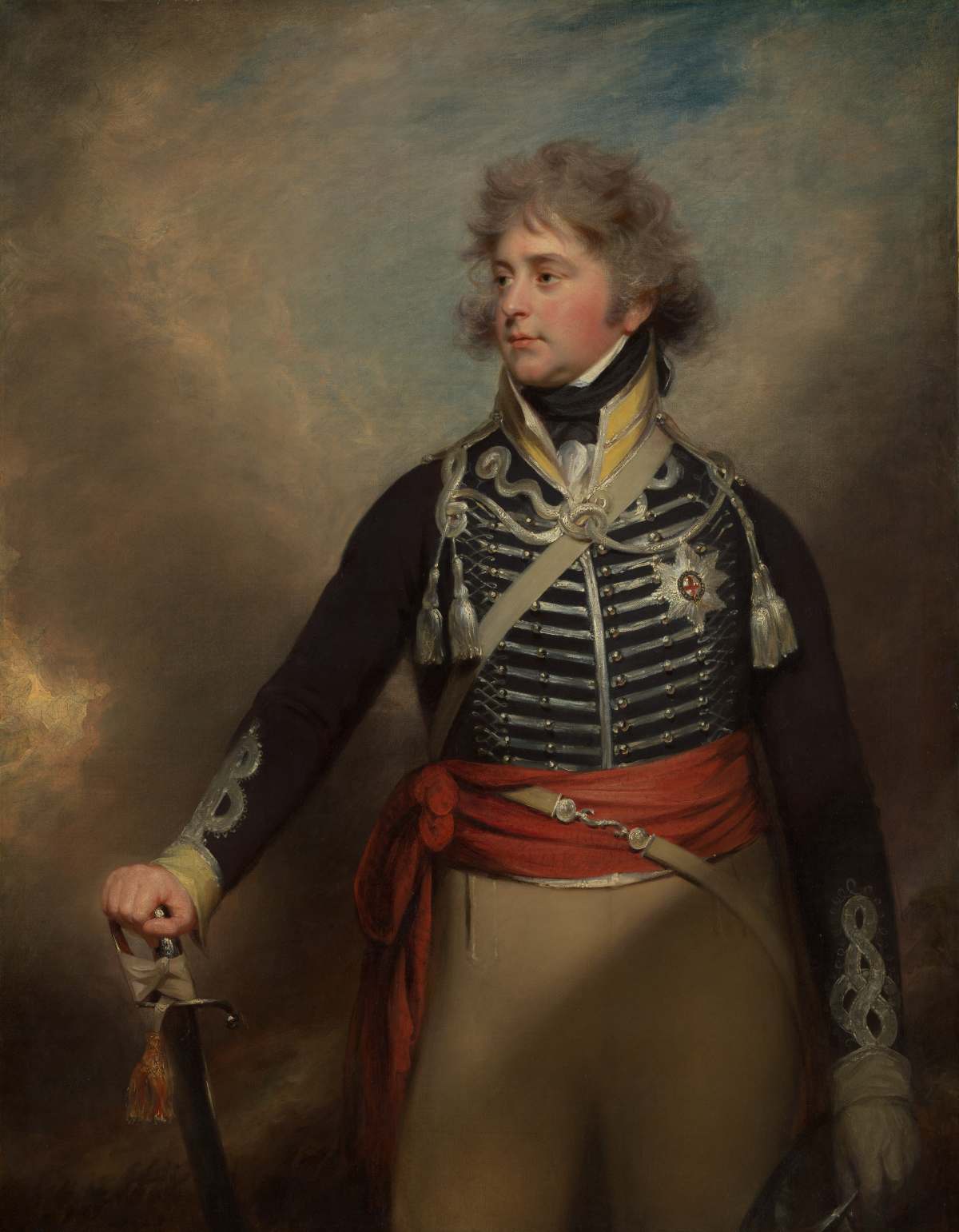
It was, on the surface, a diplomatic engagement. Charles and British Foreign Minister Yvette Cooper gathered with 29 guests for a group photograph. The image was subsequently shared by Caribbean foreign ministries and a high commissioner alike. But it was what loomed behind them that caught people's attention. Dominating the wall above the assembled group was a large portrait of King George IV — a monarch whose reign, research suggests, was directly tied to the profits of enslaved labor.
Independent scholar Desirée Baptiste, whose findings were reported by Reuters last year, uncovered that approximately $1,331 — equivalent to around $137,000 today — was paid into George IV's private coffers from two Crown-owned estates in Grenada, worked by hundreds of enslaved people throughout the 18th and 19th centuries. For those unversed, George IV reigned from 1820 to 1830.
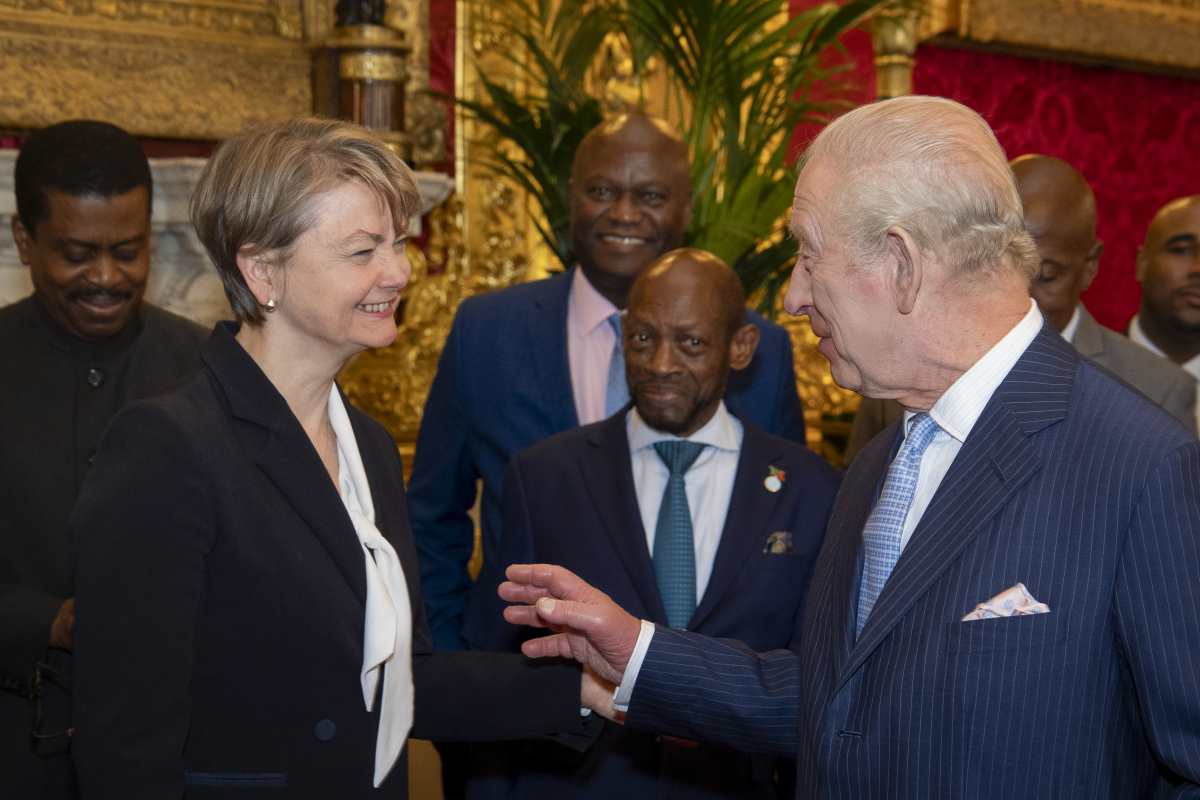
The reaction from reparations campaigners and scholars was similar. "It is offensive to have his portrait up," said Arley Gill, chairman of Grenada's National Reparations Committee. "It is doubly offensive to have persons of African descent with the king below a photograph of him. It just rubs salt in the wounds." Gill added that the controversy presented an opportunity, not only for the Palace, but for some Caribbean representatives themselves to better engage with the history of slavery and its long reach into the present.
Baptiste, whose research first brought George IV's financial ties to Grenadian plantations to light, described the photograph as a "diplomatic misstep" by the Palace, and called on Charles to "deepen his understanding" of the monarchy's involvement in slavery. The sentiment was echoed by Robert Beckford, a British professor of theology of Jamaican heritage, who framed the image in even starker terms. "Standing beneath royal portraits normalizes forgetting," he said, characterizing the group photograph as an act of "historical amnesia."
The timing is what adds a particular layer of complexity. Charles is not a monarch who has shied away from the subject entirely. In a 2022 speech to Commonwealth leaders, he expressed sorrow over the history of slavery, and has since backed a PhD study examining the royal family's direct role in the trade.