King Charles Urged to Move Ahead with US Trip to Clear Final Hurdle in Andrew Saga
British police have the cases but not the evidence — and a royal biographer says King Charles's upcoming visit to Washington may be the most realistic path to unlocking it.
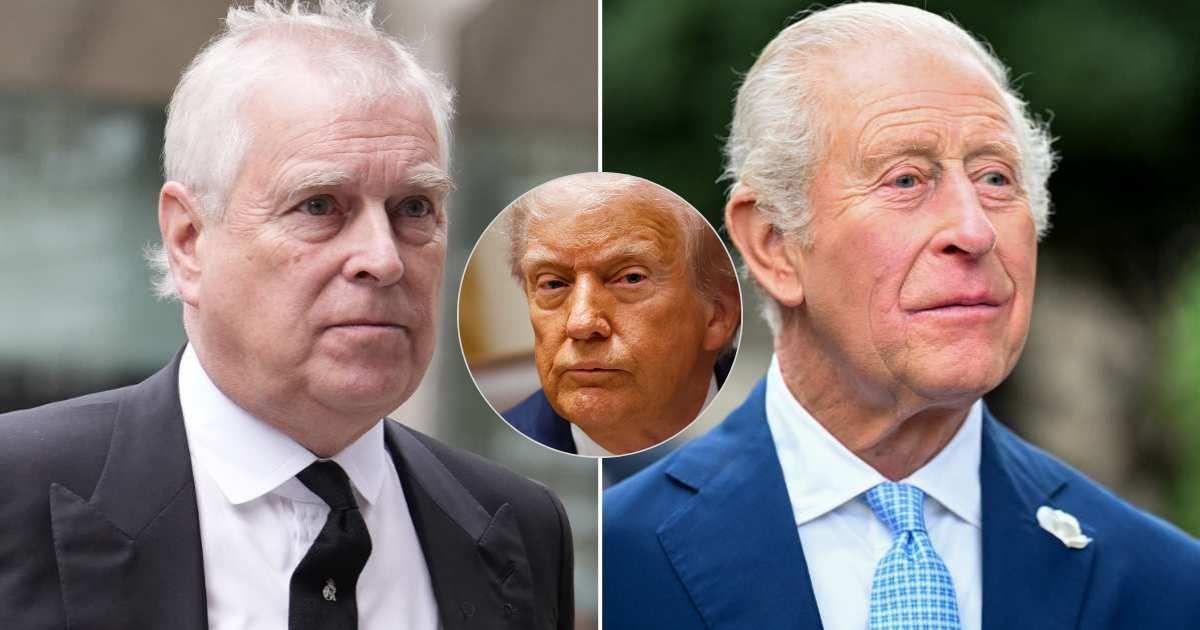


As King Charles III prepares for a state visit to Washington, a question is quietly gaining weight on both sides of the Atlantic — could the British monarchy succeed where law enforcement, legal petitions, and public pressure have all failed? The unredacted Jeffrey Epstein files remain locked away from the very investigators who need them most. Thames Valley Police and the Metropolitan Police are both actively investigating figures connected to Epstein's network, including Andrew Mountbatten-Windsor and former U.S. Ambassador Peter Mandelson — but their efforts have hit a wall.
The redacted versions of the Epstein documents released publicly are inadmissible in any potential court proceedings, rendering them largely useless to prosecutors. The situation has grown serious enough that Metropolitan Police Commissioner Sir Mark Rowley recently sat down with ABC News to make a direct, public appeal for the release of the full, unredacted files.
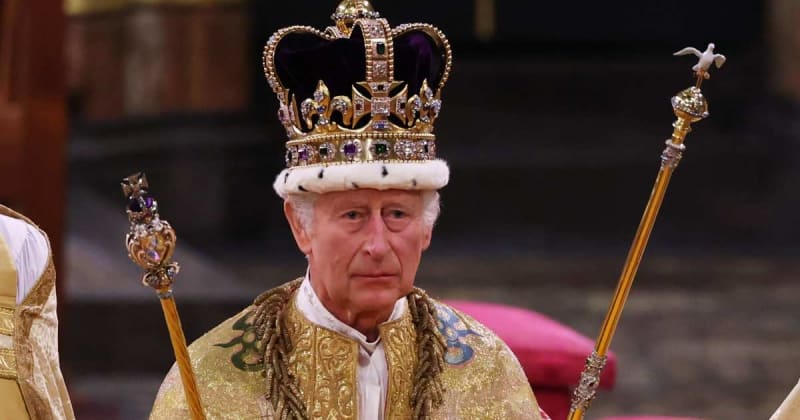
Historian and royal biographer Andrew Lownie, author of Entitled, a biography of Mountbatten-Windsor, said that Charles's trip, in light of Donald Trump's mocking remarks toward British Prime Minister Keir Starmer, should be unaffected, as he could use it for something far more significant. When asked whether the king could leverage the meeting to push for progress on the files, per Newsweek, Lownie said, "Yes. I think Trump is a bully, and I think you stand up to him. I think the King might well be able to persuade him to do things that might not be possible otherwise."
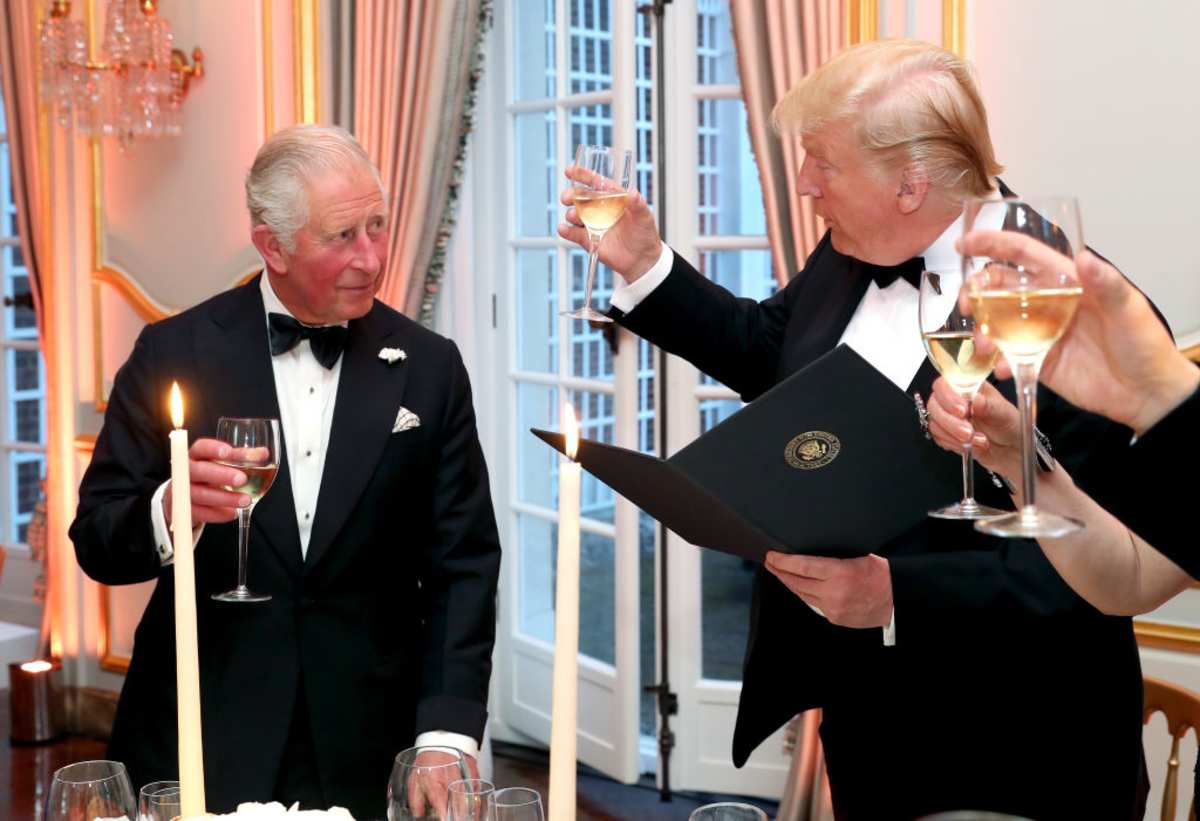
Lownie’s reasoning comes from the fact that Trump is volatile, while the monarch operates on entirely different terrain. He pointed out the enduring asymmetry between how Trump treats elected officials versus heads of state, said, "He can be rude to Keir Starmer," Lownie observed, "but I don't think he's going to be rude to the King." Putting it simply, there is a kind of diplomatic armour that comes with the crown. The stakes, Lownie insists, extend well beyond palace politics.
Justice for Epstein's victims remains unfinished business, and the machinery meant to deliver it has been frustratingly slow on both sides of the ocean. He noted that as far back as 2020, the Biden administration's Department of Justice formally requested Mountbatten-Windsor's witness testimony from the British Home Office — and received nothing in return. Now, with a new administration in Washington and investigations still stalled, the window for meaningful action feels narrower.
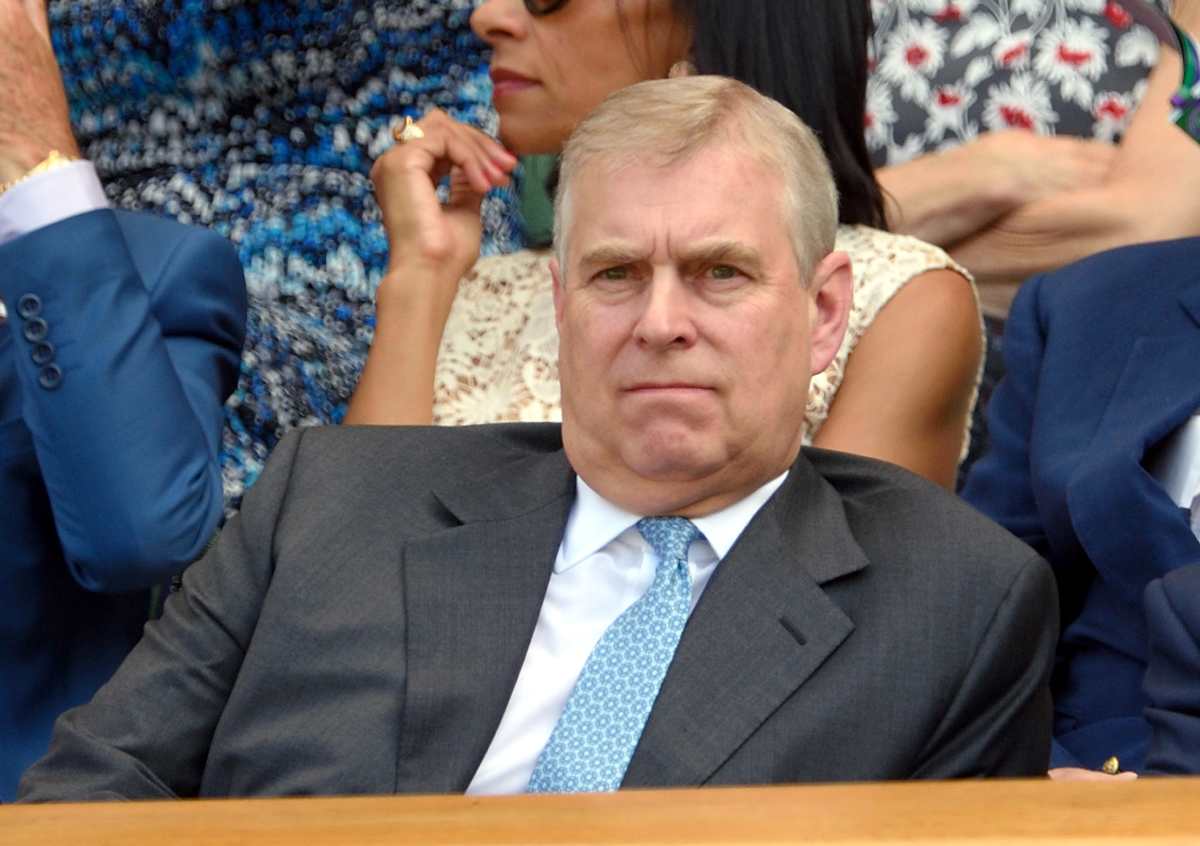
"For the sake of justice, for the sake of the victims, these people do need to be held to account," Lownie said, "but we all know how the DOJ has operated." He further added, "This is the sort of soft power in which the monarchy can actually be very effective. They can shame Trump. It's the old line, 'When they go low, you go high,' and I think he should go."
He acknowledged the personal discomfort the visit might entail for the King, but framed it as a necessary sacrifice in service of something larger: "I mean, he's going to have to hold his nose, poor chap, but there's more at stake here than Trump's ego and making trouble for Trump. I do think there's a lot of good stuff that could go on, quite separate from this, and you've got more chance of rectifying this problem if the king goes than if he doesn't go."