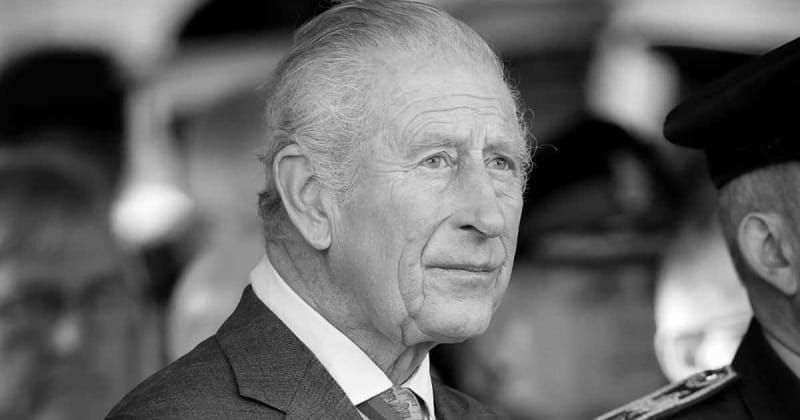
Trump Has a Major Update on Charles' US Visit — and It's Unlikely to Sit Well With the Brits
A new poll shows nearly half of Britons think King Charles should skip the trip—and Trump's latest remarks are unlikely to change their minds.
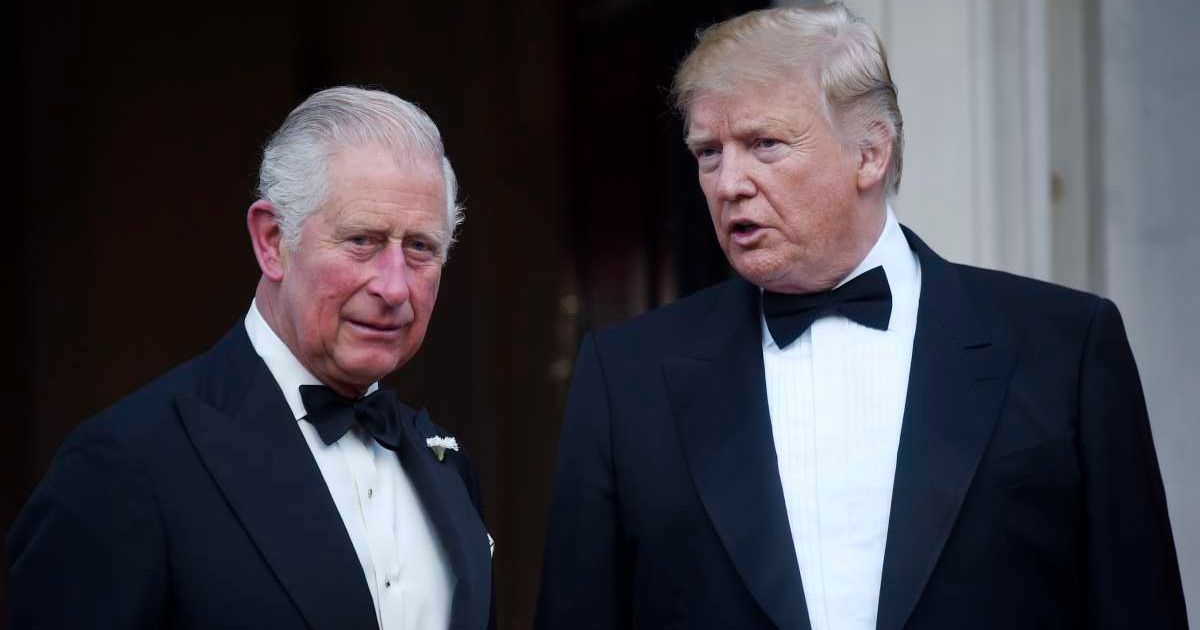


The question of whether King Charles should cross the Atlantic for a state visit to the United States has been simmering for weeks—and Donald Trump just turned up the heat. Speaking at the White House on St. Patrick's Day while hosting Irish Taoiseach Micheál Martin, the US president told reporters that the British monarch would be making his way stateside "very shortly." He further added, "I do look forward to seeing the king. He's going to be coming, as you know, very shortly."
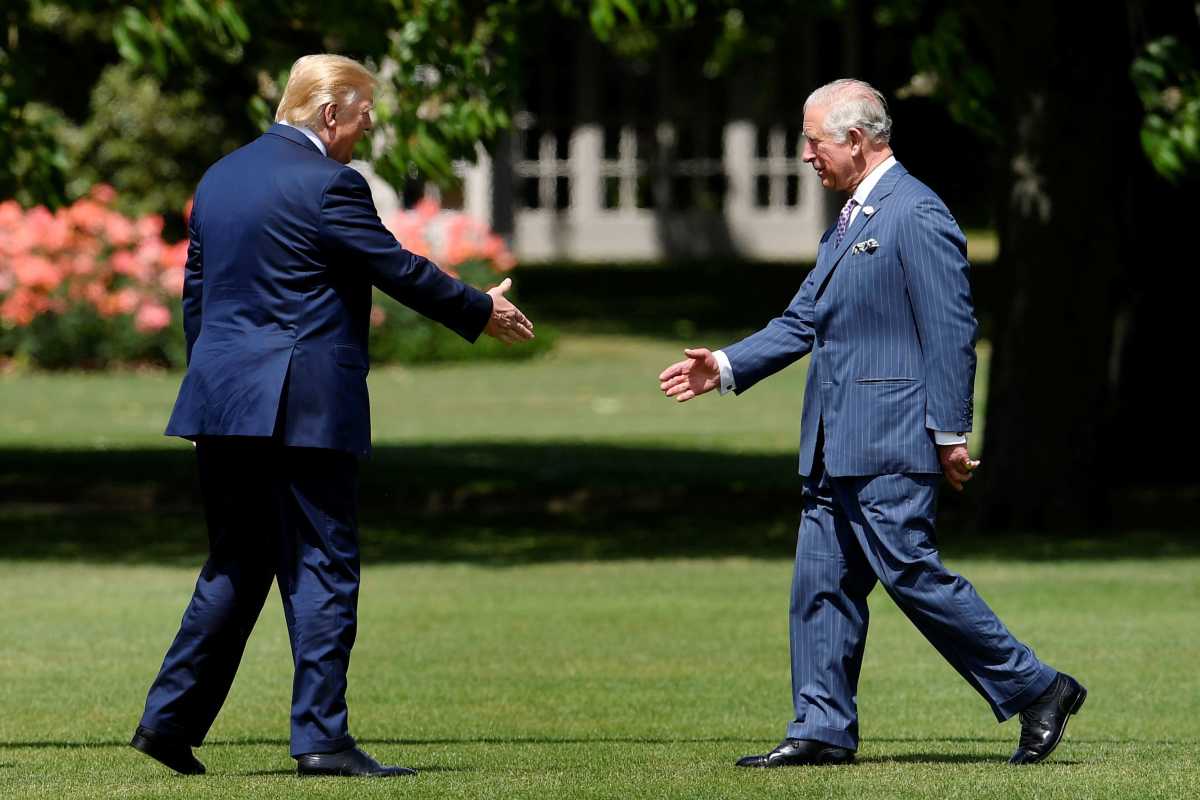
However, Buckingham Palace has yet to formally confirm any plans. King Charles and Queen Camilla are widely expected to travel to Washington and New York in April, with the visit loosely timed to coincide with the build-up to America's 250th anniversary of independence next July. Diplomatic niceties aside, the backdrop makes this anything but a straightforward trip—a fact the British public seems clearly aware of. Recently, a new YouGov poll had put the public's unease in figures—46 percent of Britons believed King Charles should decline the invitation altogether, while just 36 percent thought the visit should go ahead. Eighteen percent remained unsure.
The diplomatic backdrop against which those numbers land makes them all the more loaded. Relations between London and Washington have grown visibly strained in recent weeks, fraying over the ongoing conflict in the Middle East. UK Prime Minister Sir Keir Starmer initially refused to allow American aircraft to use British military bases for offensive operations against Iran—a stance Trump did not take kindly to. Starmer subsequently reversed course, authorizing what Downing Street described as "defensive" strikes on Iranian missile sites, with RAF aircraft also deployed to intercept Iranian drones. The climb-down, however, did little to smooth things over.
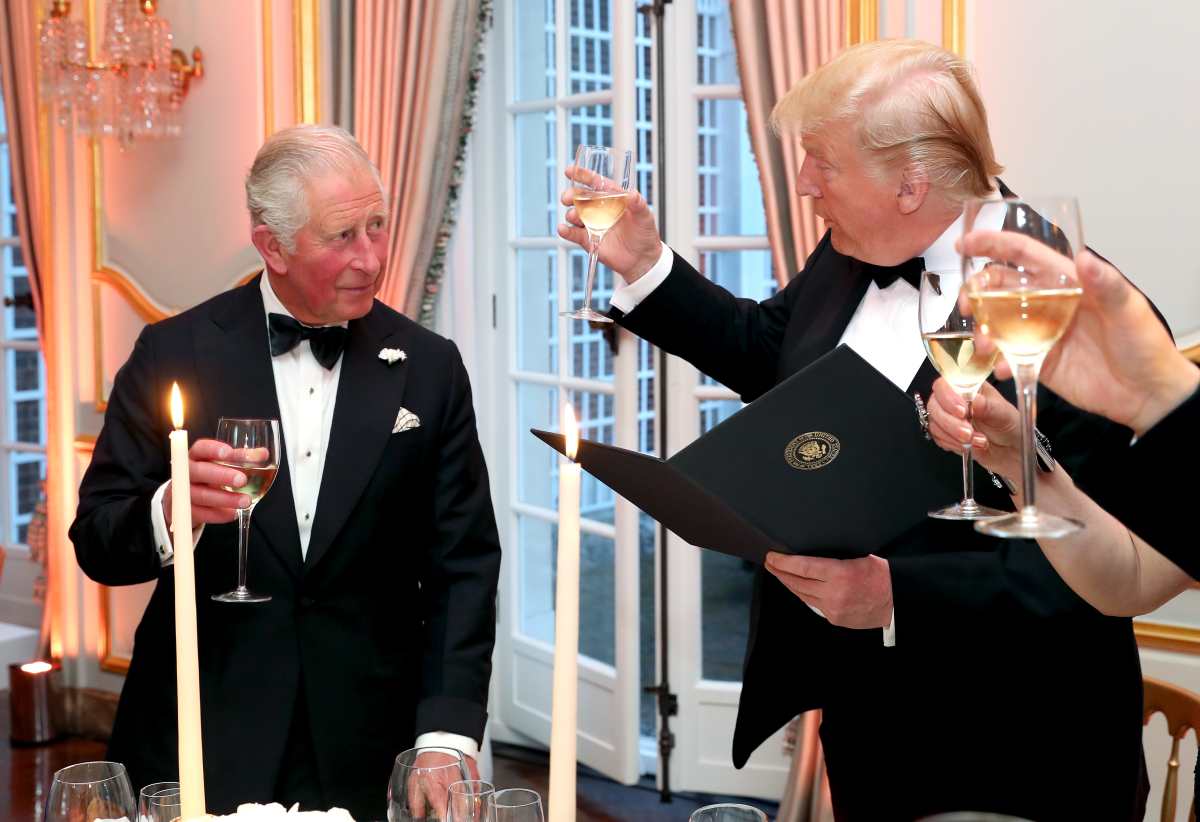
Trump made that abundantly clear on Tuesday. When asked whether his relationship with the British prime minister had been damaged, the president did not hesitate to say that Starmer had made "a big mistake" in his response to US calls for support. It was not the first time Trump had taken aim. He had previously described Britain's position on the conflict as "terrible" and dismissed the prime minister with a cutting comparison: Keir was "not Winston Churchill." Starmer, for his part, has maintained that Britain will not be drawn into a "wider war." The relationship between the two governments, once described as special, is looking considerably less so.
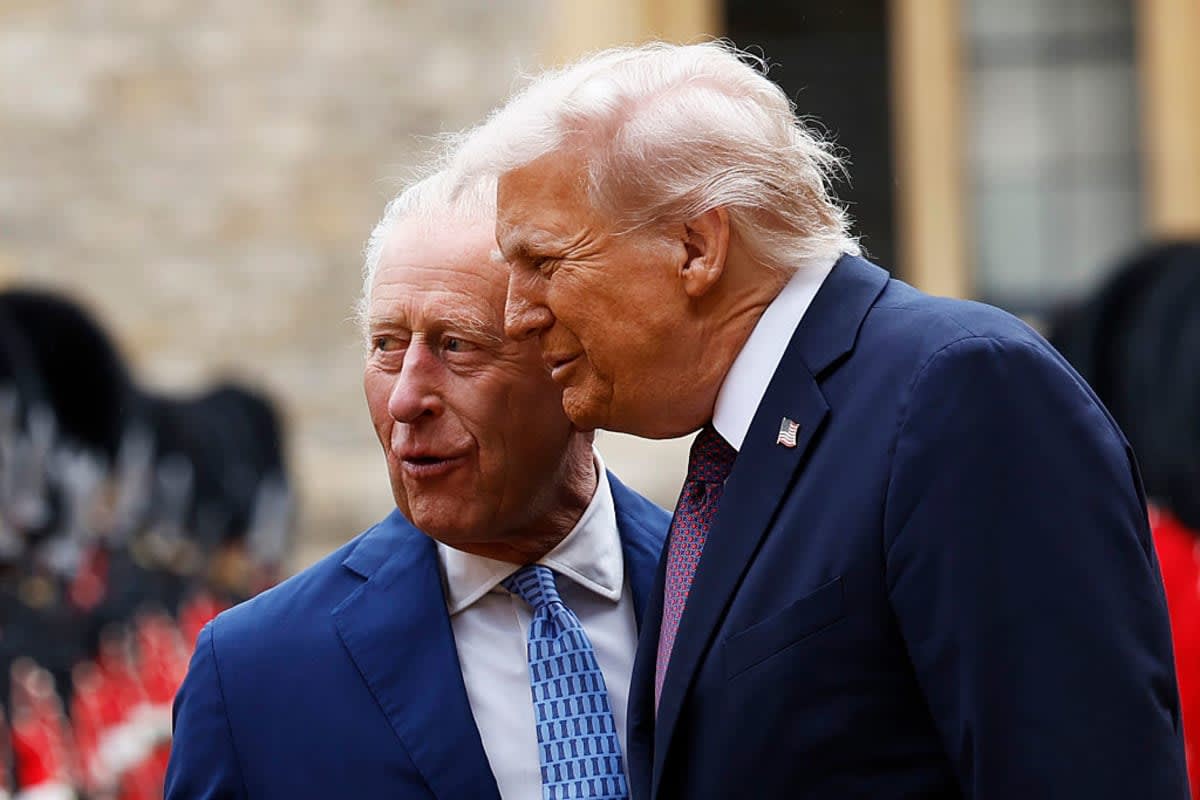
And then there are the tariffs. Trump's sweeping trade measures have not spared Britain, casting a long shadow over what was already a complicated relationship. With British exports facing the prospect of steeper costs in the American market, the economic tensions layered on top of the geopolitical ones paint a picture that is difficult to dress up. It is, in short, not the friendliest of climates for a royal visit—and yet one appears to be happening regardless. Which means that when Charles steps onto American soil, his famous charm and diplomatic grace will be put to perhaps their sternest test yet.