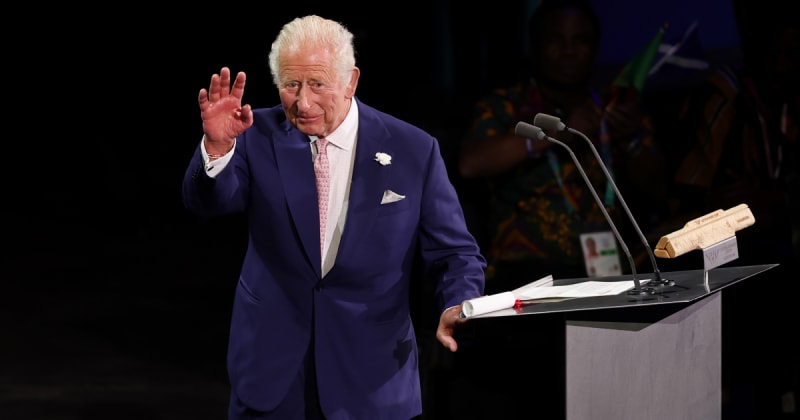
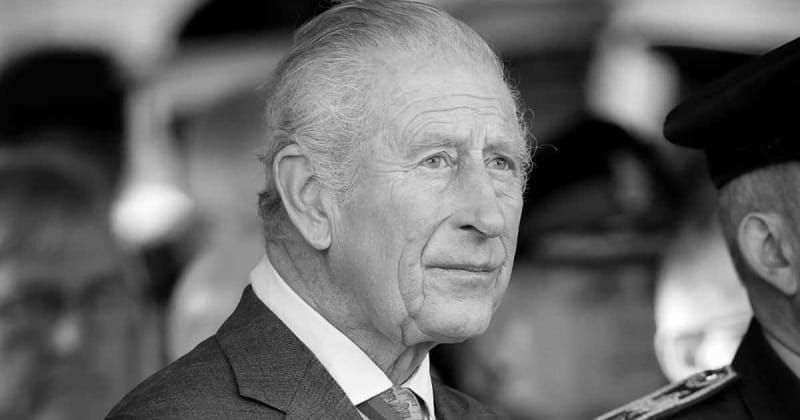
King Charles References Welsh Survival Anthem While Protesters Sing It in Opposition
About 30 protesters had gathered outside the Senedd, expressing their opposition to the Monarchy.
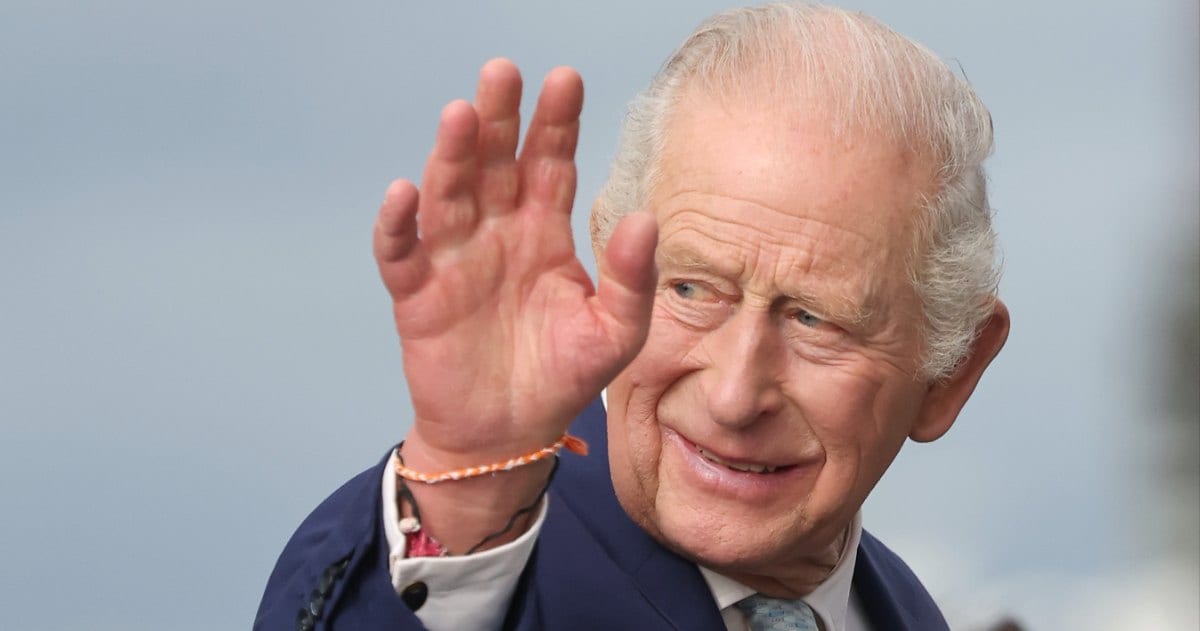


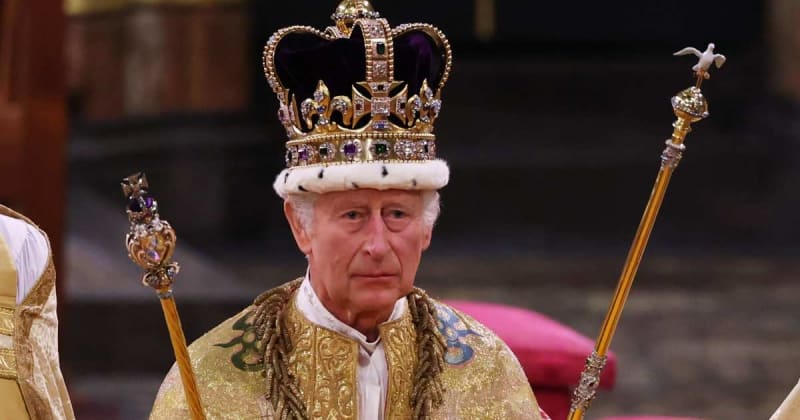
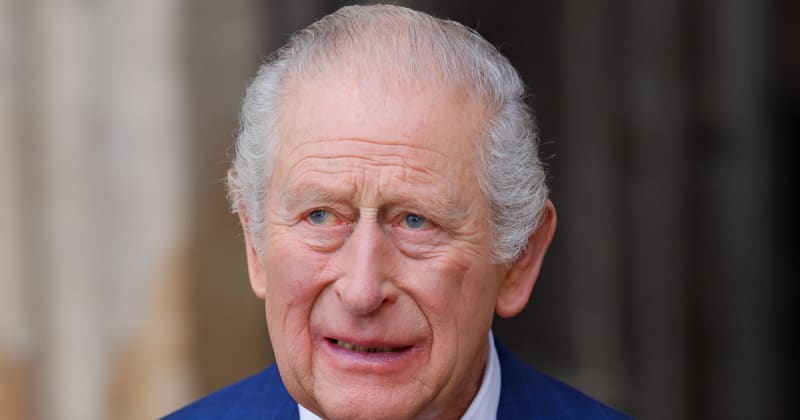
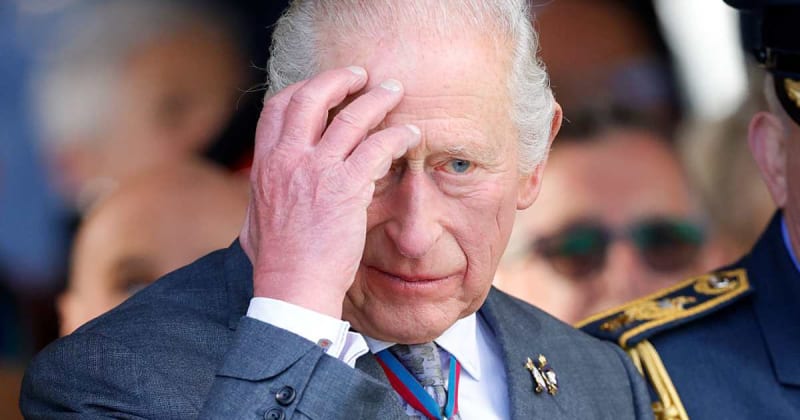
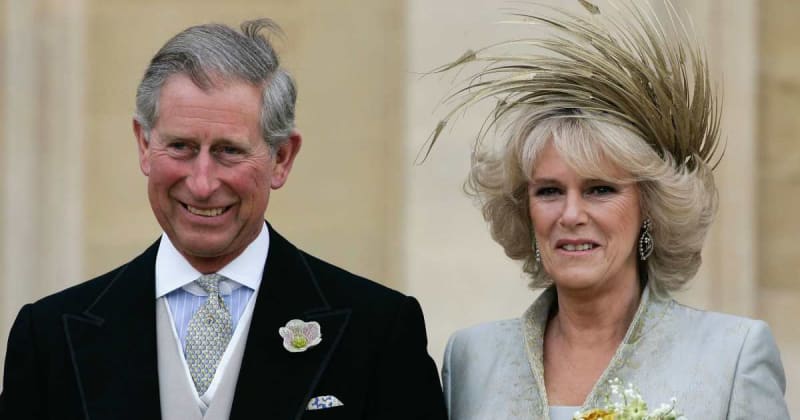
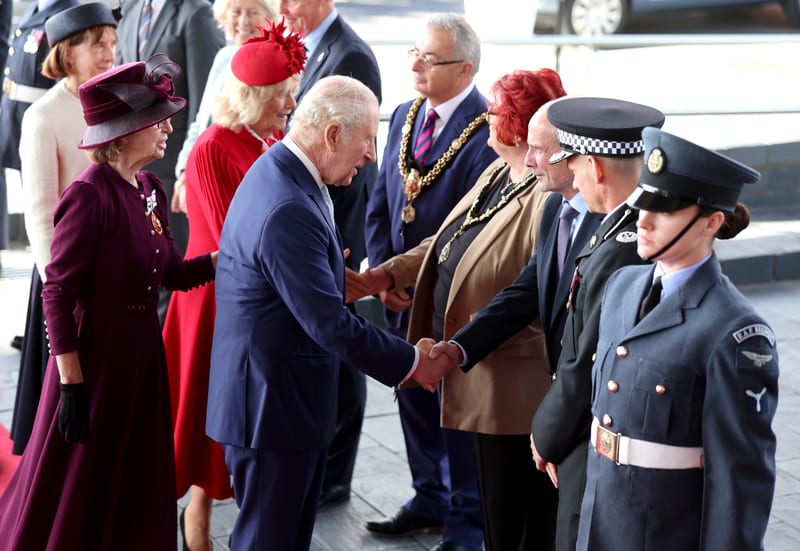
King Charles and Queen Camilla turned heads as they arrived in Cardiff for a significant royal engagement: officially opening the new term of the Senedd, the Welsh Parliament. Notably, this marked the first time Charles took part in the ceremony as King and Head of State. Despite the occasion, the visit was briefly disrupted by ongoing protests, with chants of "Not my King" echoing in the background. However, Charles remained undeterred as he stepped up to address the assembly, opening his speech by acknowledging both the new and familiar faces in the chamber.
During his address, the King made a point to note that these familiar faces could well be described as "Yma o Hyd"—referencing the iconic Dafydd Iwan anthem, which translates to "we're still here." He then transitioned to expressing his concern for the environment before praising the Welsh people's deep "sense of belonging" and sharing how "touched" he was to see community members present. Reaffirming his personal connection to the nation, Charles added, "I've always felt immensely privileged and proud to have had such a special connection with Wales."
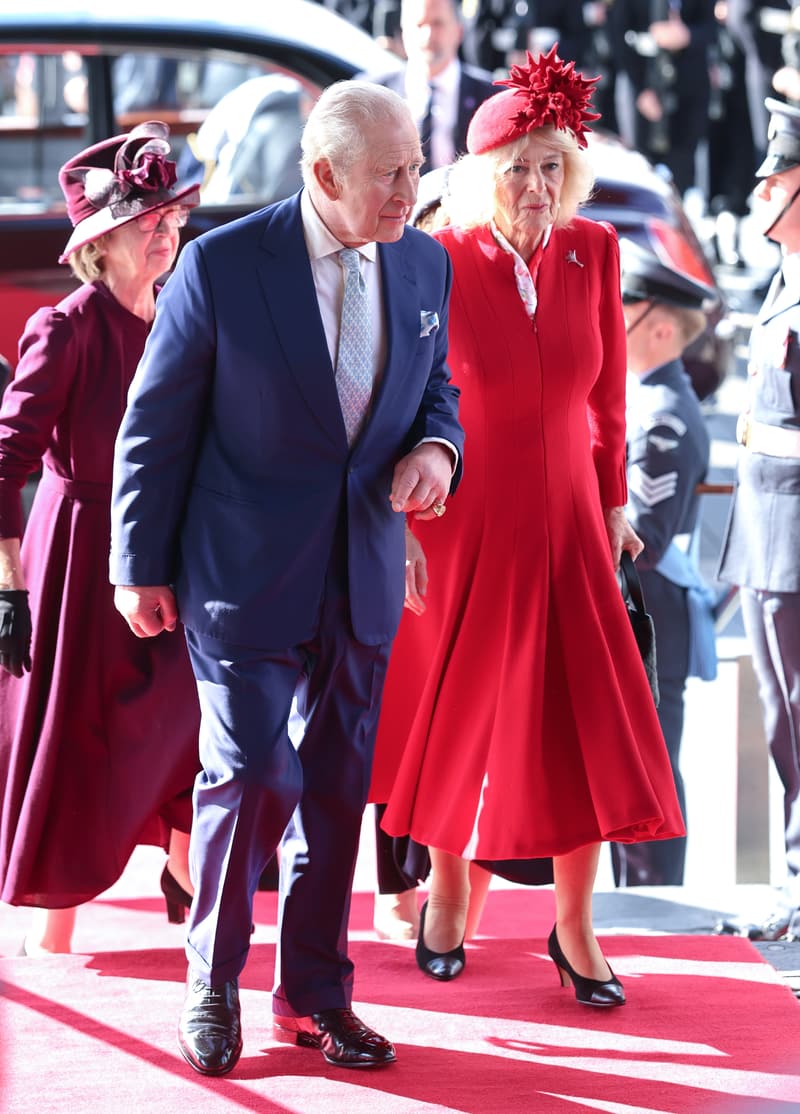
He added, “A connection with its language, its culture, and its landscape.” However, as the formal ceremony concluded, the BBC reported that protesters began singing "Yma o Hyd," the very folk song, meaning “We’re still here,” that the king had referenced in his speech. Written by the celebrated Welsh folk singer and politician, Dafydd Iwan, the song recounts the 1,600-year history of Welsh survival, serving as an anthem of resilience for the people of the nation. Given its cultural weight, the song's unexpected role during the royal visit made the moment particularly striking.
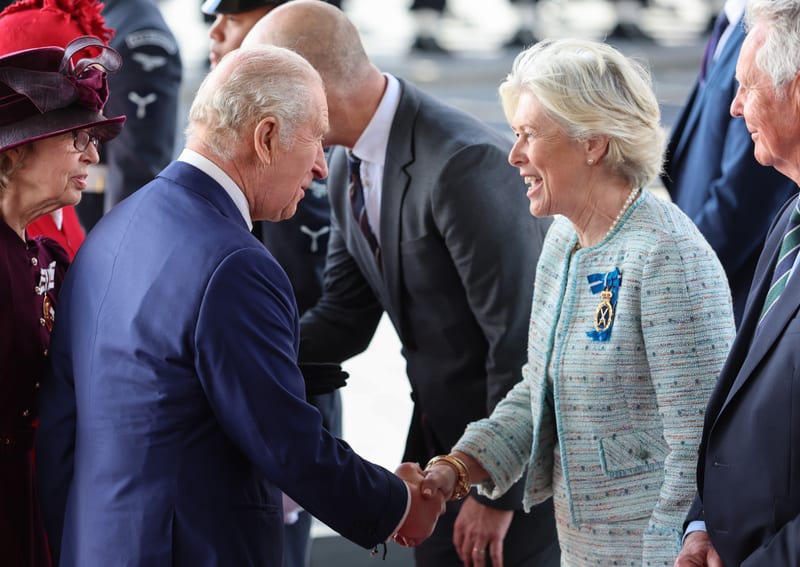
Ultimately, the protesters seemed to reclaim the song after Charles’ reference, turning the moment into a pointed expression of their opposition to the monarchy. Reports indicate around 30 demonstrators gathered on the steps outside the Senedd, remaining vocal throughout the engagement. Following the disruption, one protester, who was reportedly wearing a traditional Welsh costume, was arrested by police after refusing to comply with a dispersal order. As reported by the BBC, he incident capped off an already contentious visit, which had drawn controversy earlier after a planned reading by Wales’ National Poet, Hanan Issa, was dropped from the official programme for being deemed "political." The decision added a notable layer of tension to the royal event.