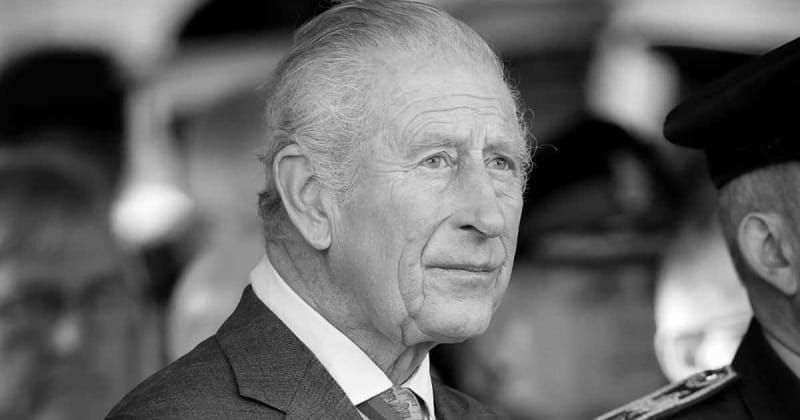
King Charles Has One Chance to Define His Legacy in the US — But It Will Take Courage: Ro Khanna
Ro Khanna says the King's US state visit is a once-in-a-generation opportunity. The palace just has to say yes.
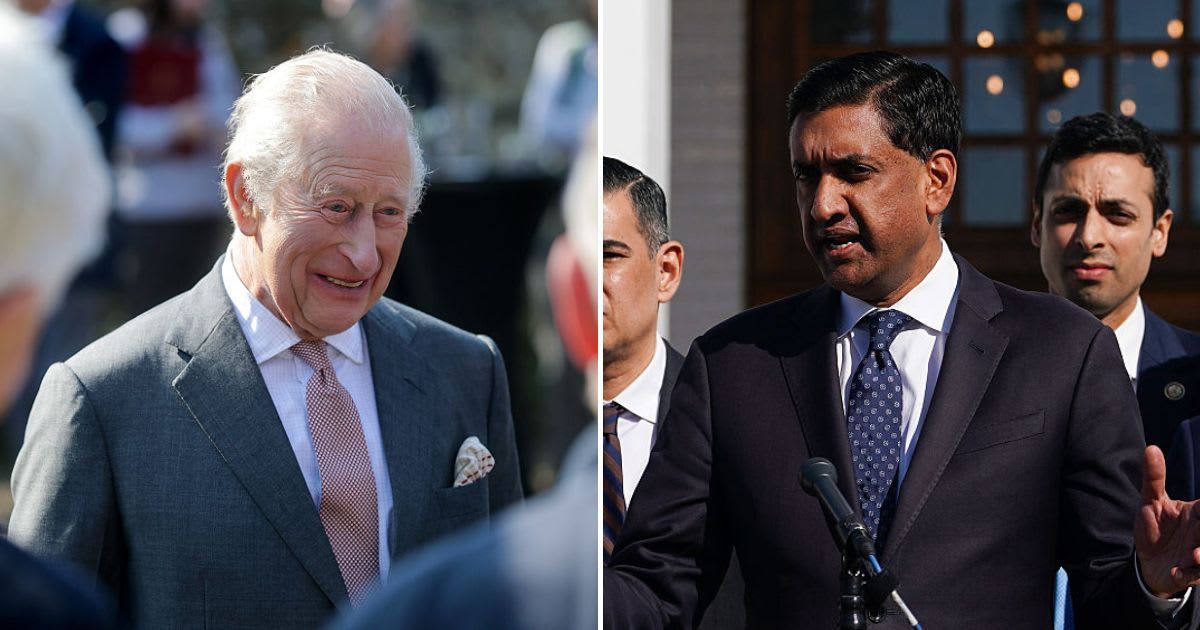


Every monarch arrives in history with a question attached to them: What will they stand for? For King Charles, that question is about to be asked on one of the world's biggest stages—and a Democratic congressman from Capitol Hill believes he already knows the answer, if only Charles is willing to reach for it.
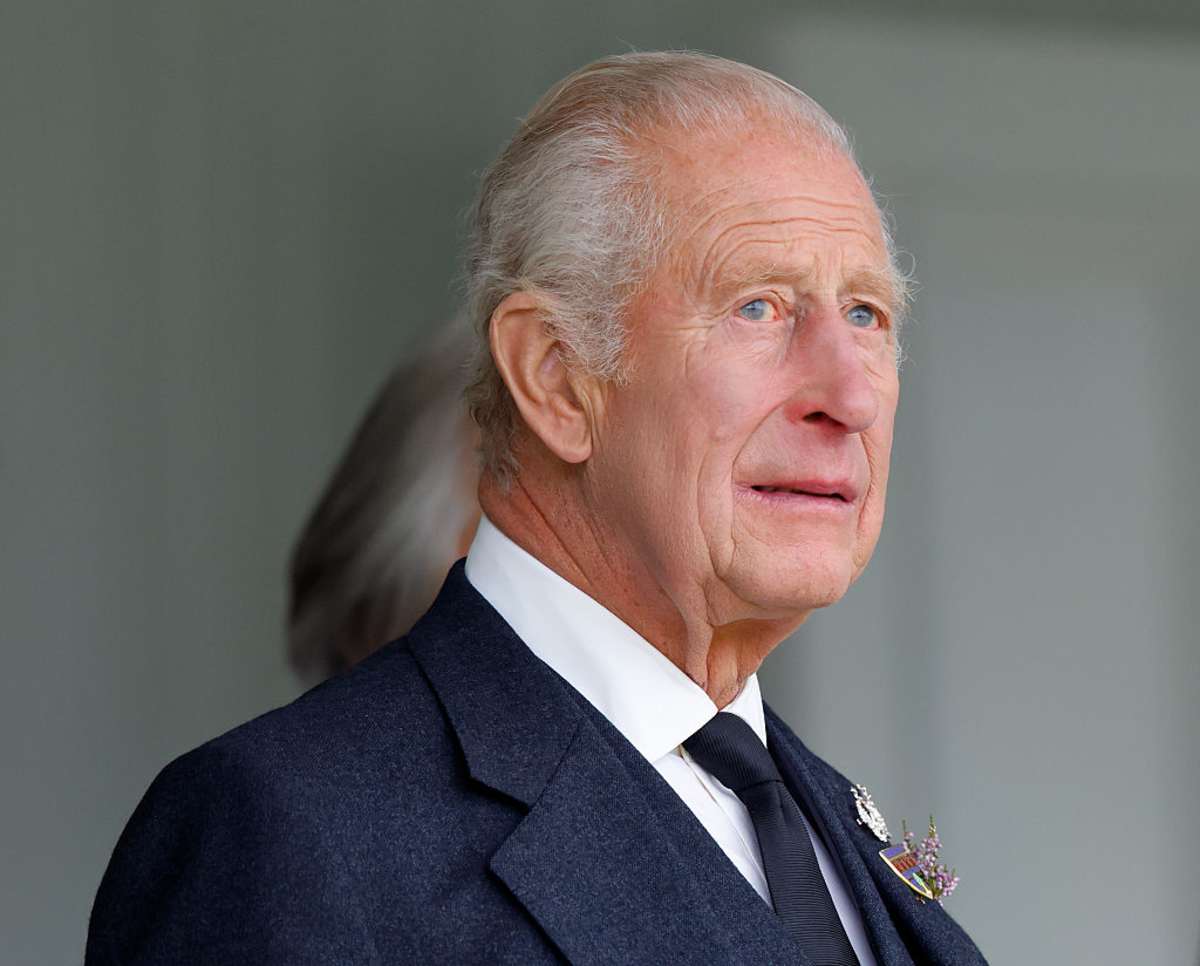
Ro Khanna, the California congressman, spent the past year forcing the Jeffrey Epstein files into public view, co-authoring the Epstein Files Transparency Act alongside Republican Thomas Massie, and is candid about where the fallout has hit hardest. "Other countries like Britain are taking more action on it," he said to The Sunday Times. "Good for the British people for doing that, good for countries like Norway for having accountability. There is more accountability in other places." With 3.5 million documents already released and more still to come, the scandal's reach has long since crossed the Atlantic. Which is precisely what makes Charles's upcoming US state visit so full of possibility, and, if mishandled, so full of risk.
Last week, Khanna published an open letter calling on the King to meet with Epstein survivors during his visit—to hear, in their own words, how institutions that were supposed to protect them failed them instead. It is, on its face, an extraordinary ask. Khana said, "This could be a defining moment for the monarchy to keep it relevant to my generation in the 21st century," he says. "My generation and those younger don't have much tolerance for institutions that feel they're apart from democratic society or above norms. So this is an opportunity for the King to say that the modern monarchy is going to be a force for public good."
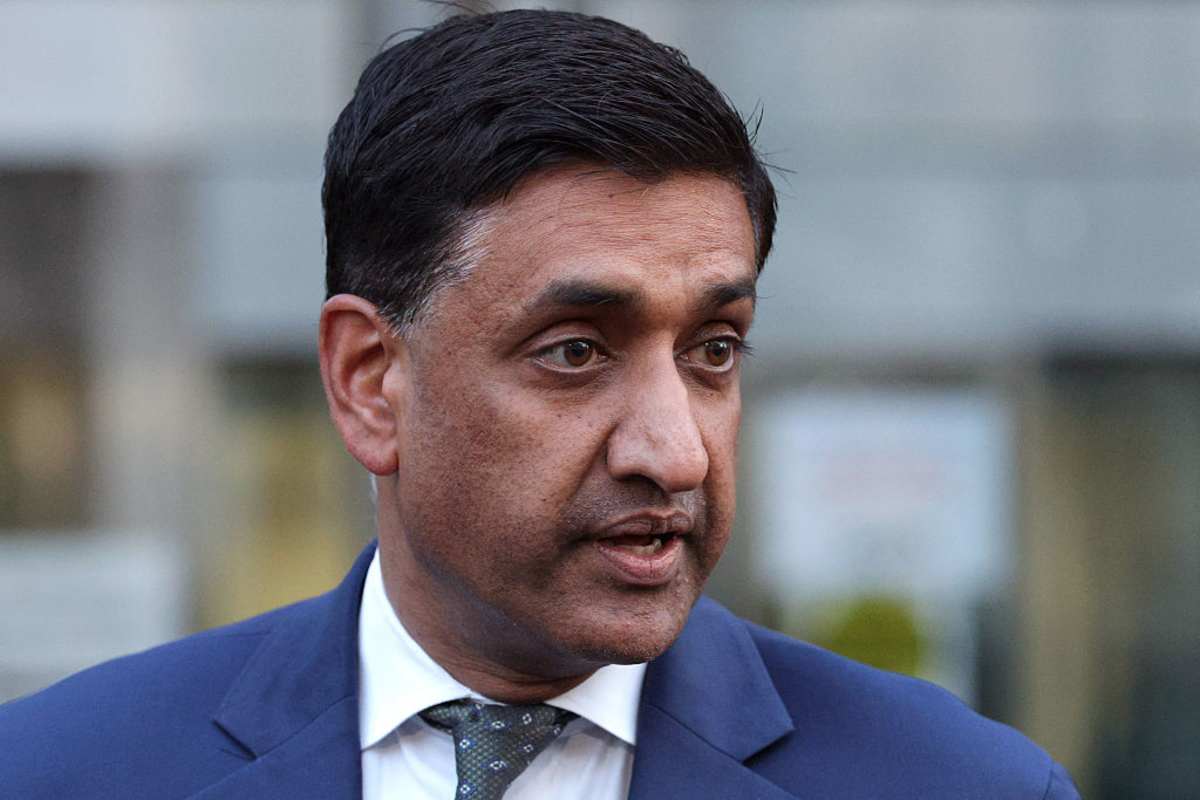
Buckingham Palace's current position is that a meeting with survivors cannot go ahead—the reasoning being that it could interfere with ongoing police investigations, including those involving Andrew Mountbatten-Windsor. Khanna is unmoved. "That's typical staff," he says. "The staff always says no. My hope is that the King will look at this from the perspective of his historical legacy." He is careful, too, to pre-empt the obvious objection: this is not a request for Charles to wade into his brother's legal exposure. "He does not have to get into any of the legal matters concerning his brother. The survivors have told me they don't want to discuss any of the legal matters with him." The ask, stripped to its core, is about acknowledgment—not litigation. "He's there as one of the respected world leaders, saying that these women were abused and that justice was denied, and he is calling for justice."
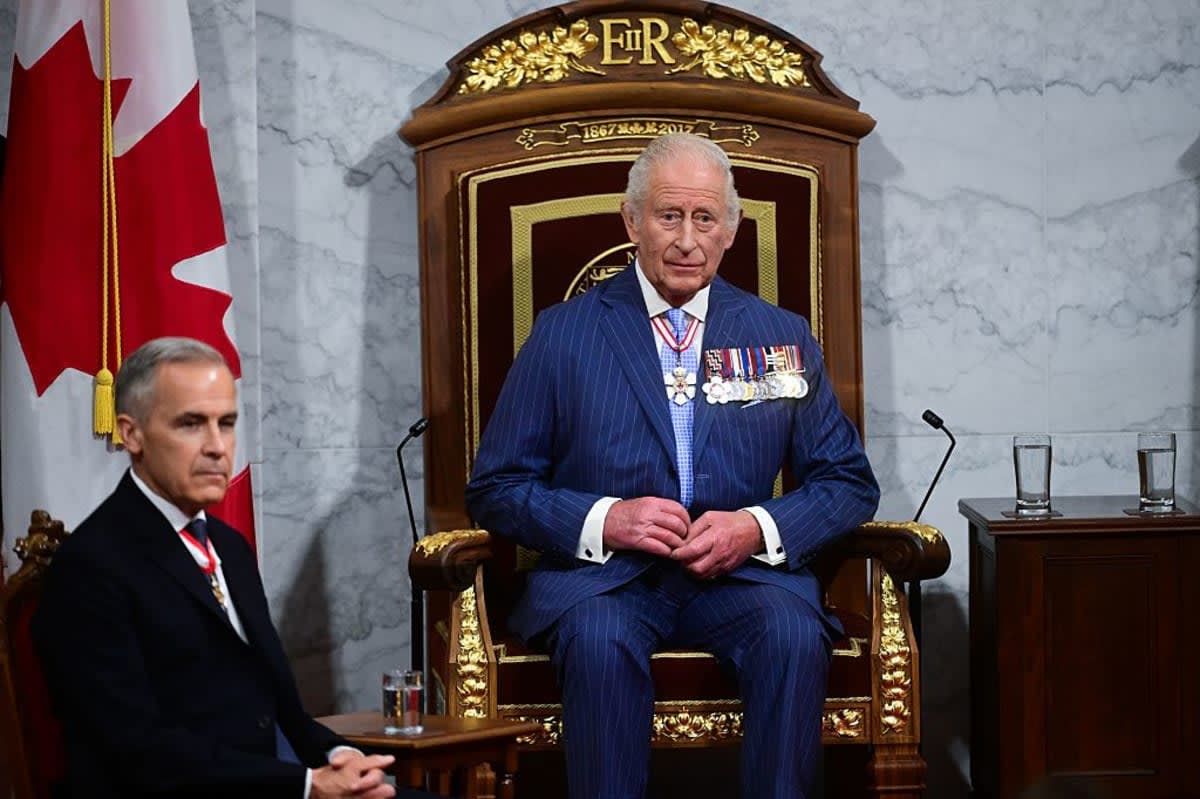
Should a private meeting prove impossible, Khanna has a secondary proposal—one that requires no legal navigation whatsoever. Charles is expected to address Congress during his visit, and Khanna believes that the platform alone could be transformative. "One thing that the King could do in his remarks to Congress is to acknowledge the importance of the Epstein Transparency Act that we passed, the importance of America leading in that for transparency for the world, and how important it is for every nation to stand by the survivors and make sure they have justice. His making those remarks as part of his address to Congress, I also believe, would go a long way."