King Charles Breaks Into a Dance in Bahamas — and The History Behind It Is Impossible To Ignore
The monarch will be spending three days in the scenic region attending various local engagements before heading out to Guyana.
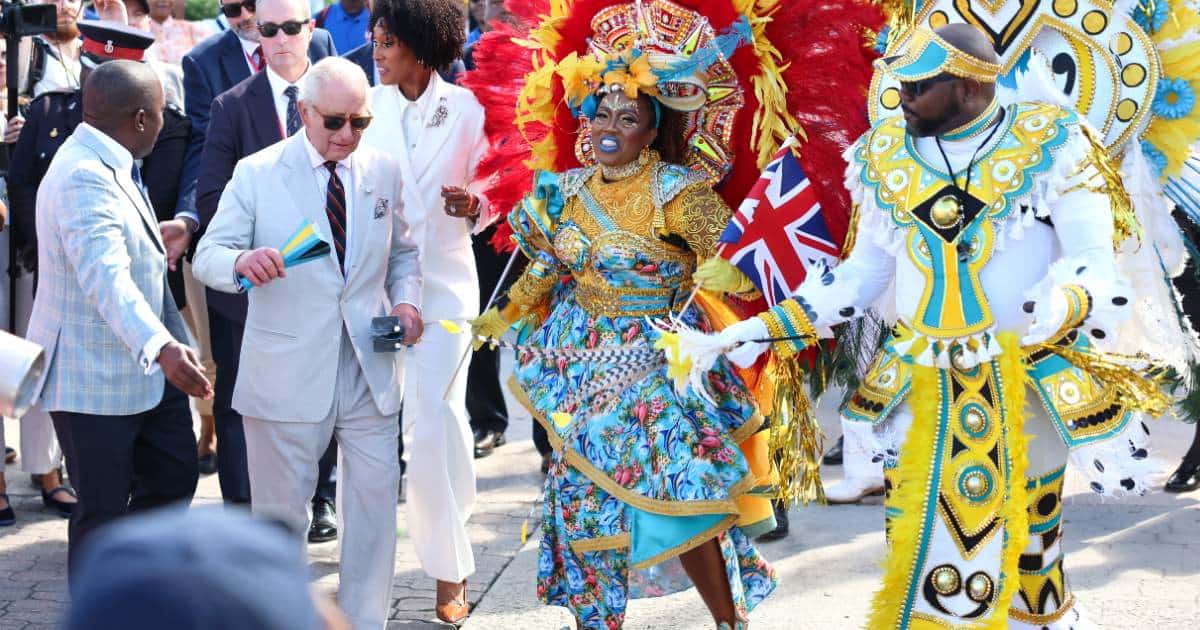


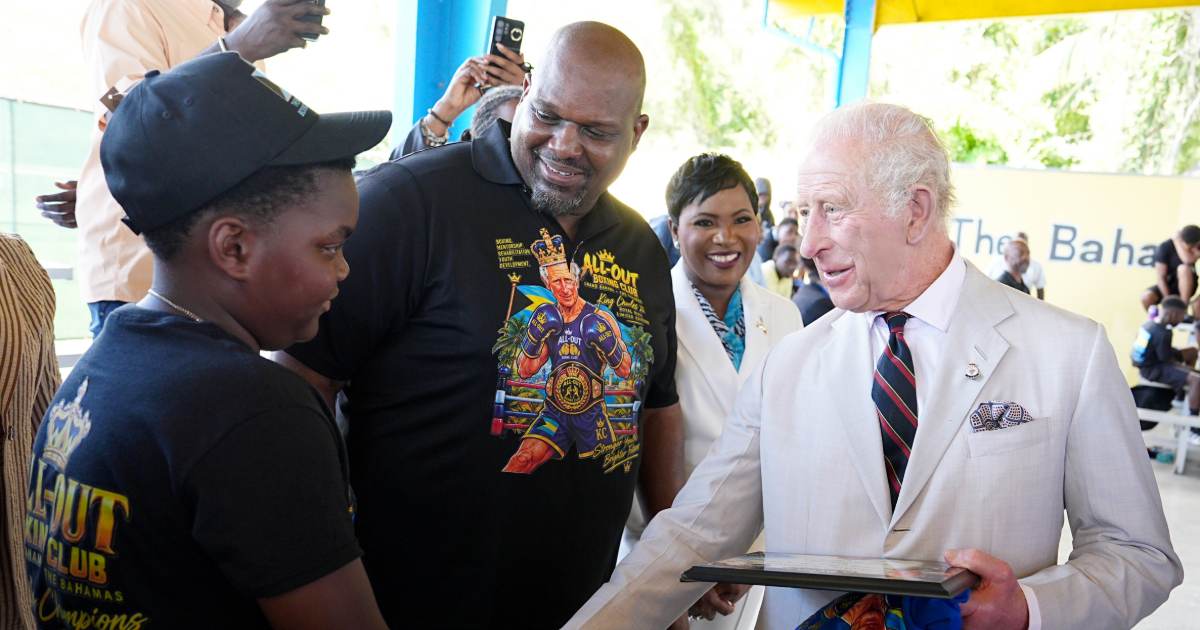
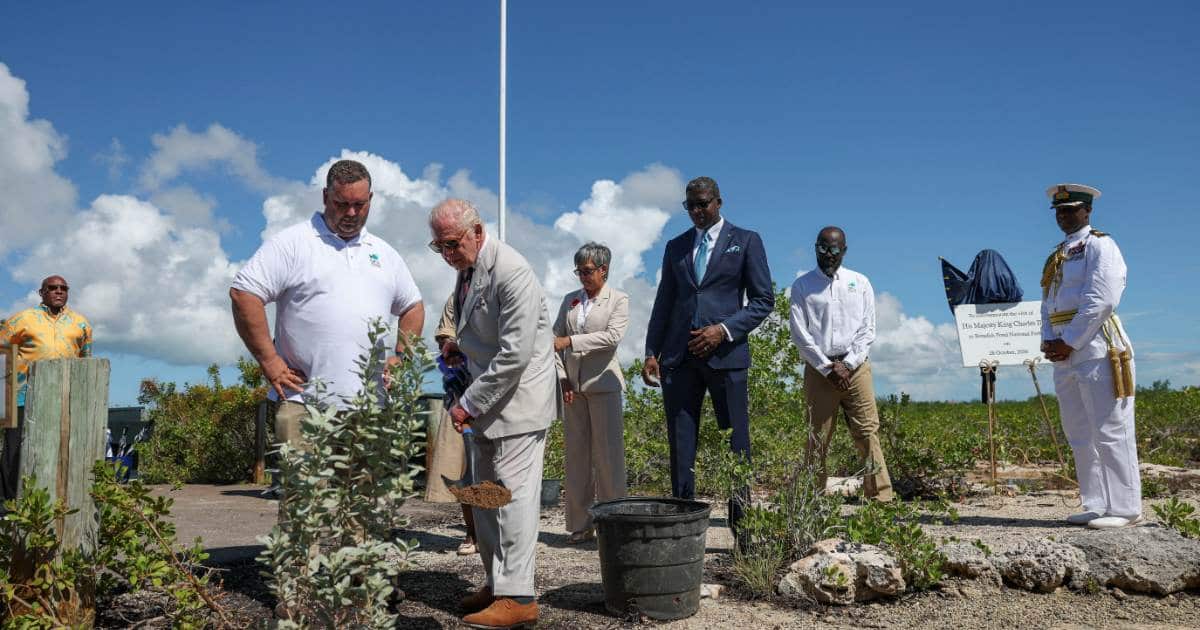
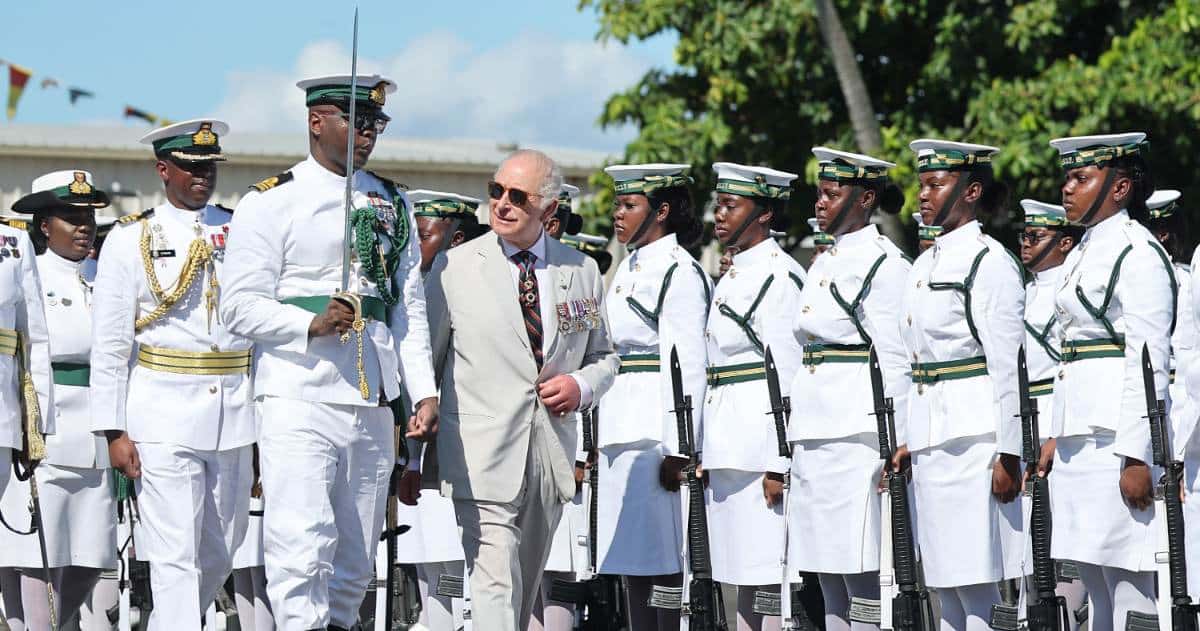
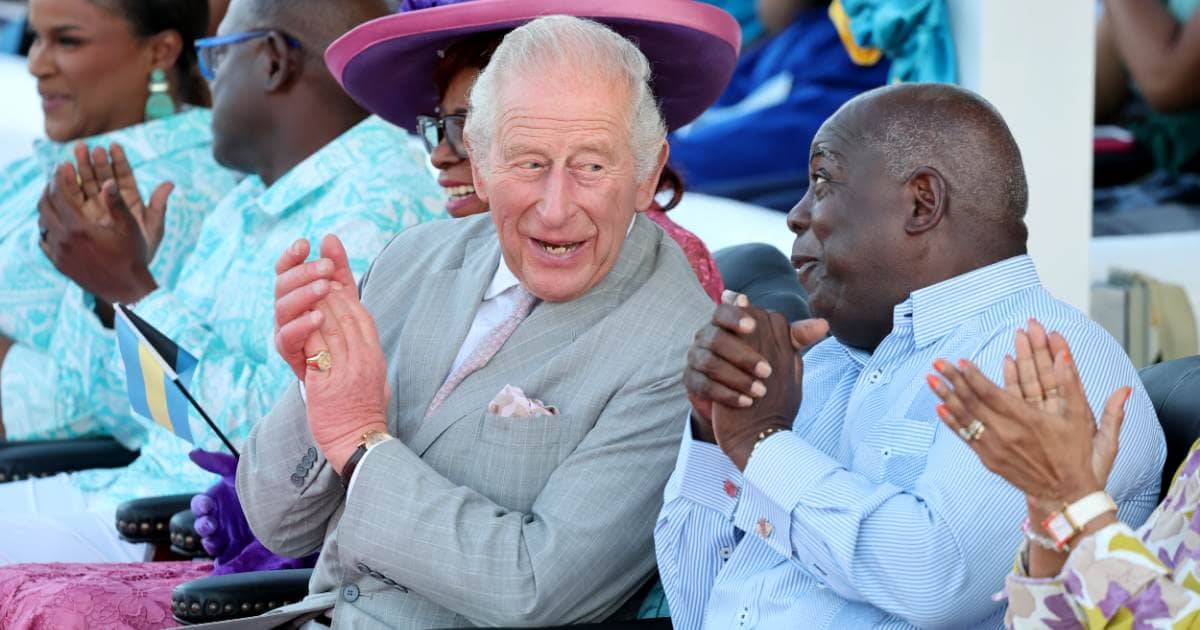
King Charles is currently undertaking a nine-day tour of the Caribbean. A busy schedule awaited him on the second day in the Bahamas, his first stop. After a slew of official engagements, a colorful Junkanoo street parade greeted him, beginning its route at Parliament Square before the monarch met Prime Minister Philip Davis. The street parade looked like a joyful celebration of Bahamian culture, but it may have carried far more symbolism than it appeared.
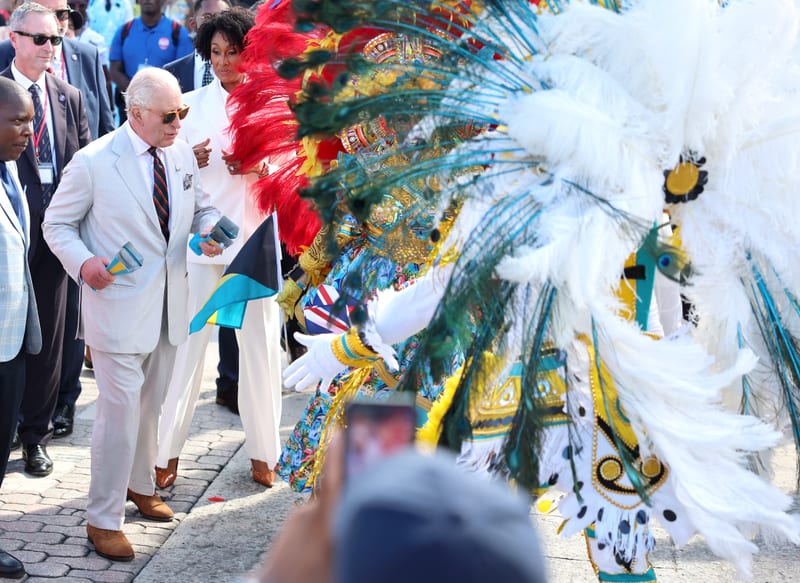
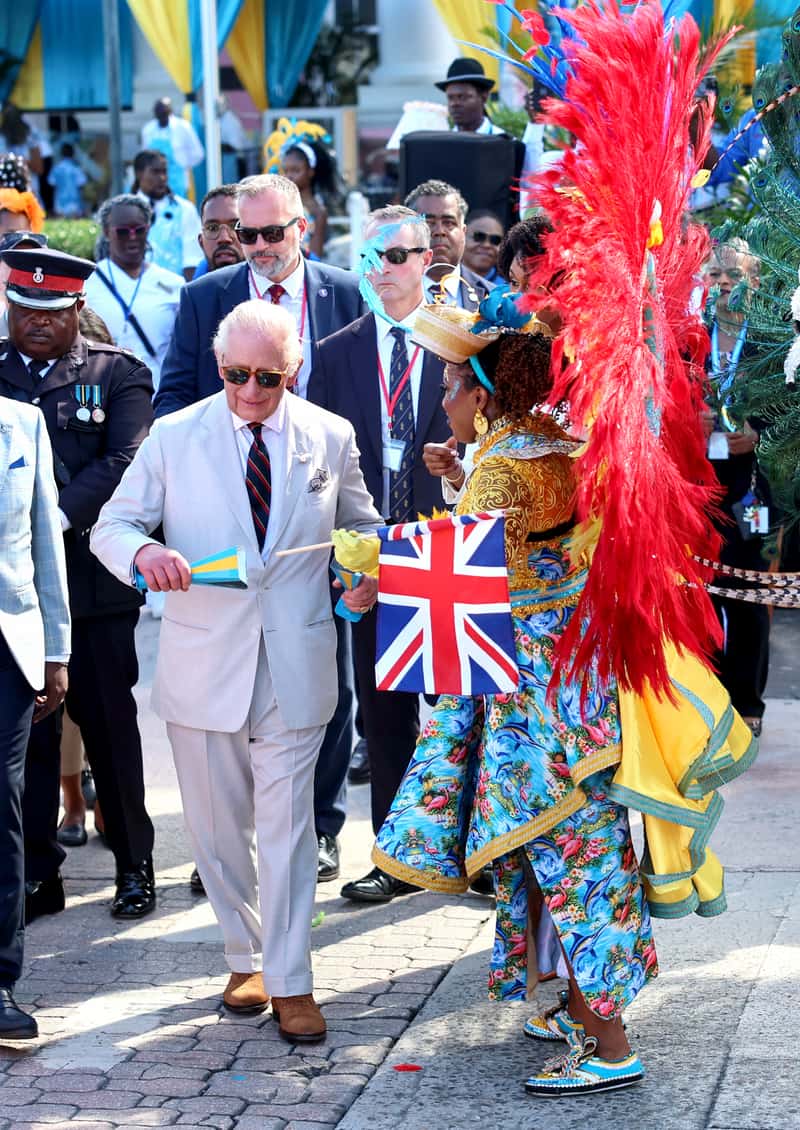
Charles broke royal protocol and enthusiastically joined a vibrant celebration, shaking a leg with performers at a street party rooted in the history of slavery and cultural resistance. He watched much of the parade from the sidelines before carnival dancers encouraged him to take part, and he joined in with handbells. The celebration took place around Parliament Square, home of the Bahamian House of Assembly, during his first official visit to The Bahamas as King.
Junkanoo is steeped in history. The tradition is widely traced to enslaved Bahamians, who used drumming, costume, and dance to hold on to their West African heritage and, in their own way, push back against the plantation owners who enslaved them. In The Bahamas, it is said to date back to the 1700s, and its costumes and drumming resemble West African mask dances.
That gives Wednesday a full-circle feel. A dance born of resistance now served as a welcome for the country’s head of state, who stepped off the sidelines to join the performers. It came a day after the King acknowledged the great suffering and injustices of the past in his first remarks on arrival.
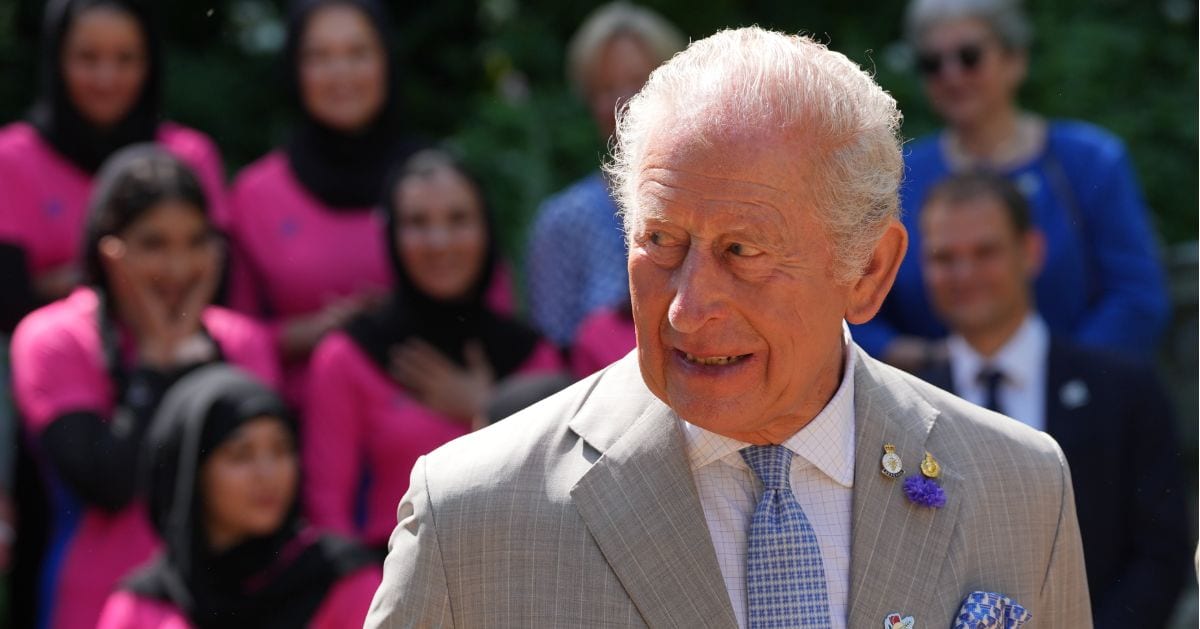
At Parliament Square, the King also met with Bahamian students in The King's Foundation Building Craft Program. The initiative, in collaboration with the Lyford Cay Foundations, aims to preserve and promote traditional building skills. Participants are trained in various heritage trades such as carpentry, stonemasonry, blacksmithing, shingle roofing, and lime plastering.
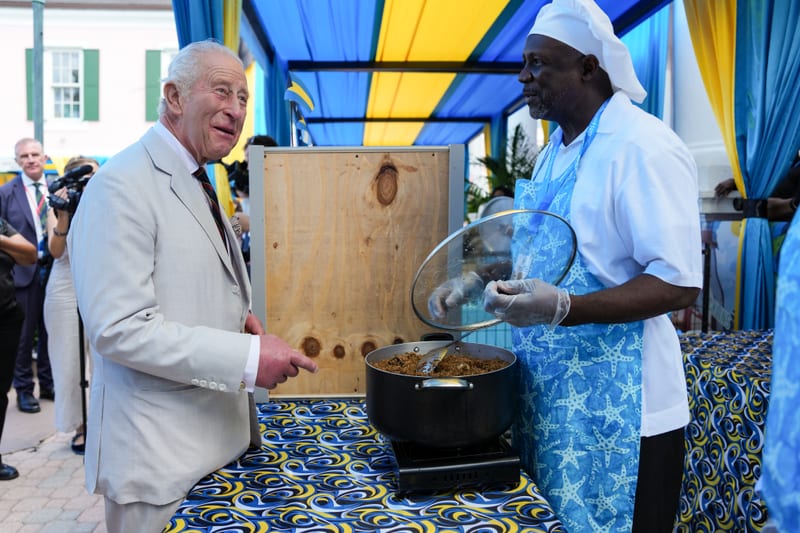
He also toured exhibition stands showcasing local arts, crafts, local delicacies, and cultural products, engaging with artists and greeting the public. His Majesty then met Mrs. Arlene Nash-Ferguson and Mr. Silbert Ferguson on Bay Street, who introduced him to Educulture, a museum dedicated to the Junkanoo tradition, and shared insights into its cultural significance.
The monarch will spend three days in the scenic region attending local engagements before heading to Guyana for a two-day state visit. Queen Camilla is expected to join King Charles during the final leg of the tour in Antigua and Barbuda.