King Charles and Queen Camilla’s Biggest Challenge Won’t Be Trump — It’s Diana’s Memory
Forty years after a princess danced her way into the American heart, a King and Queen arrive to find the music hasn't quite stopped.


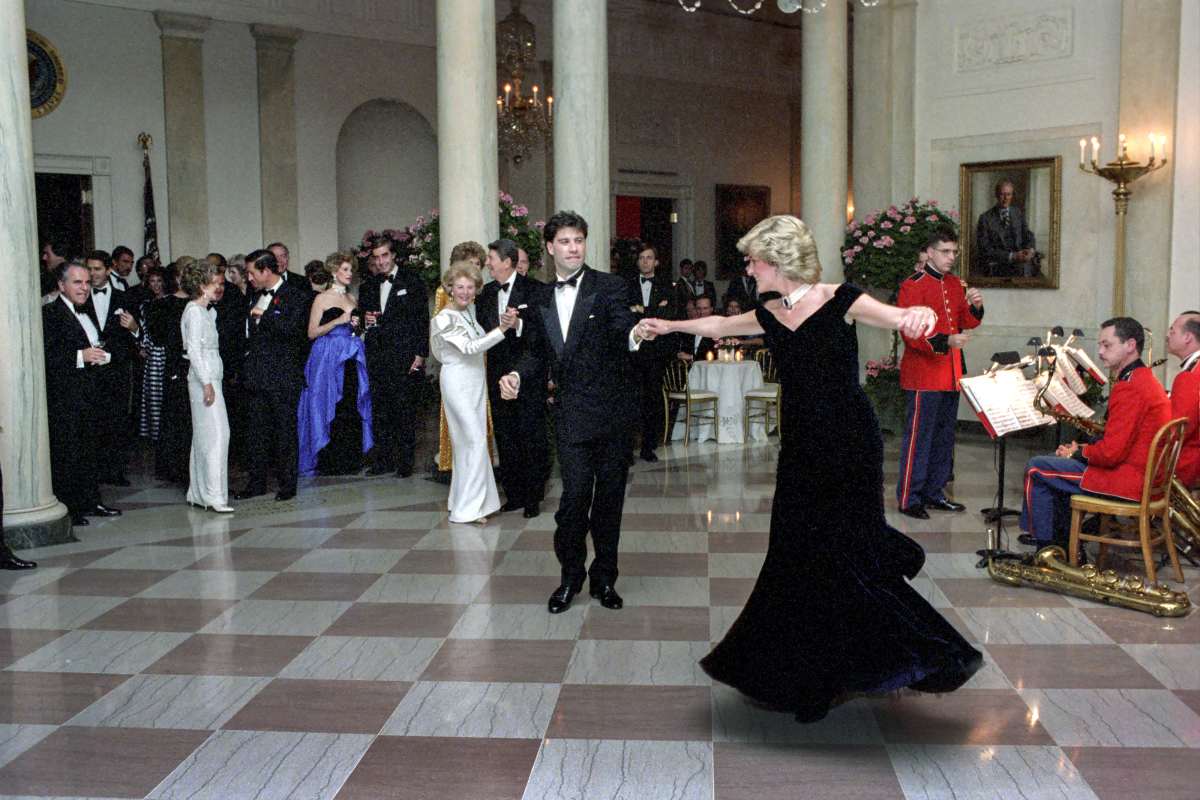
There is a photograph that lives rent-free in American minds. A ballroom. A gown. John Travolta's extended hand. And a princess dancing her heart out. That was November 1985. Reagan was in the White House, the Cold War was still cold, and a young woman from across the Atlantic walked into Washington and almost brought the White House to a stop. Not with politics or diplomacy; just her mere presence was enough. America has never fully recovered. It hasn't particularly tried to.
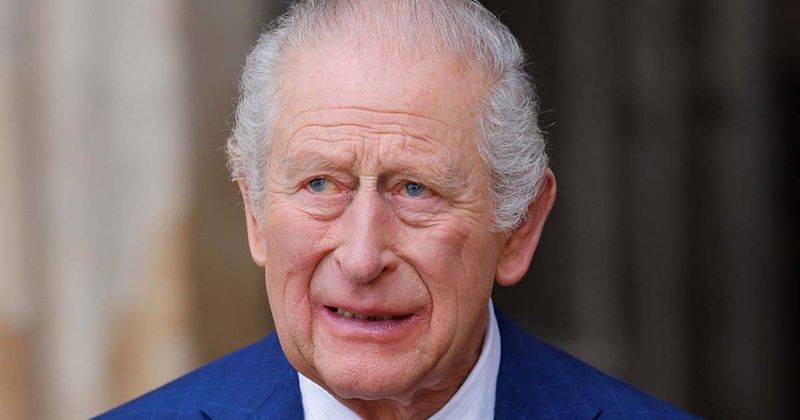
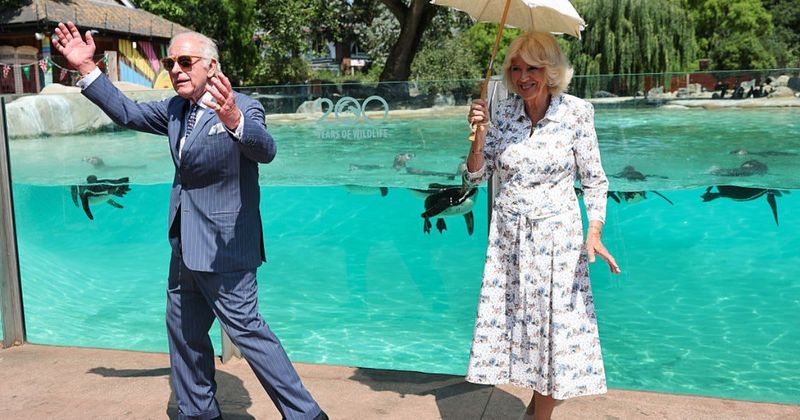
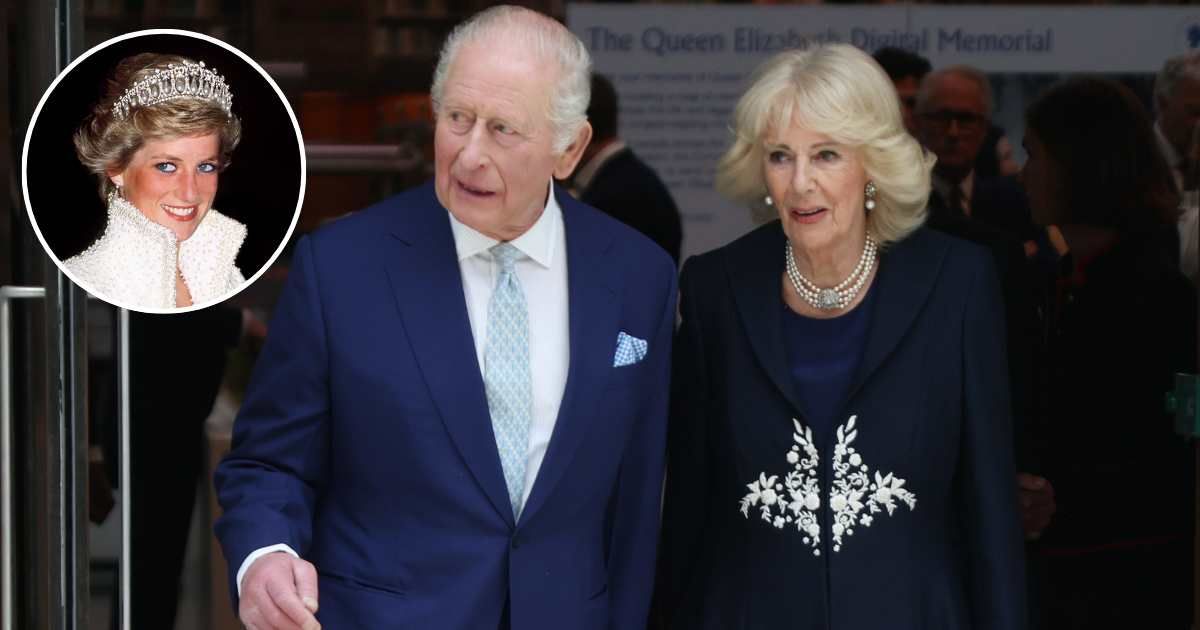
40 years later, a king and a queen will land on the same soil. It will be dignified, successful, and correct in every way. They'll shake hands, give speeches, do whatever it is one does on a state visit — particularly one arriving amidst strained transatlantic ties. The cameras will search, out of habit, for a ghost. And the man at the center of it all, older now, serious, with more runs on the board than most people have bothered to count, will get on with the work.
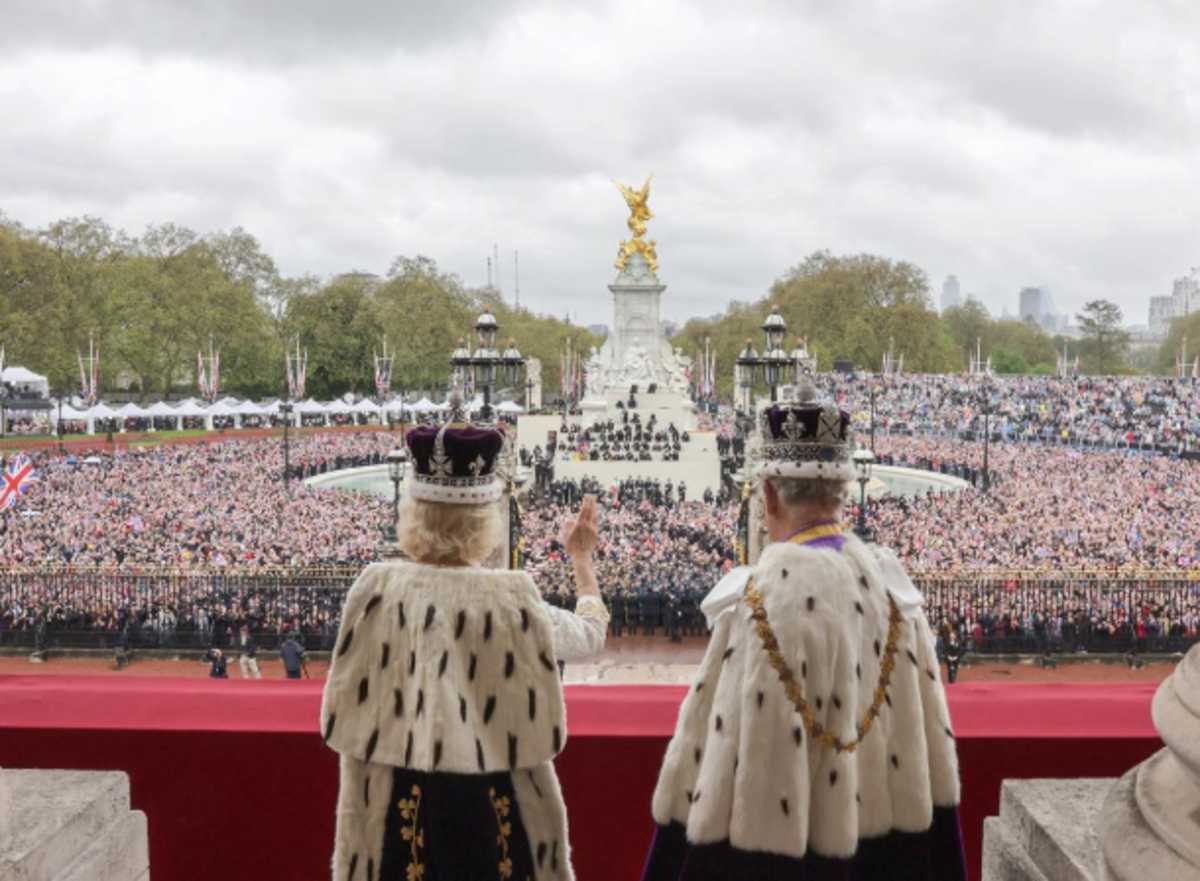
On the other hand, Camilla has grown, slowly and sometimes painfully, into a Queen Consort of real grace and wit. People who've watched her up close say she's earned it. She has been careful with the press, knowing when to step back, when to let her husband have his moment. By any measure, the work has been done. And yet there's a version of this visit that exists in the official itinerary, and another that lives somewhere in the American gut. In that second version, the wrong person got the fairy tale. The story ended too soon, in a Paris tunnel, and nothing that came after has quite added up. This is not, it should be said, the first time Charles will have to navigate that current.
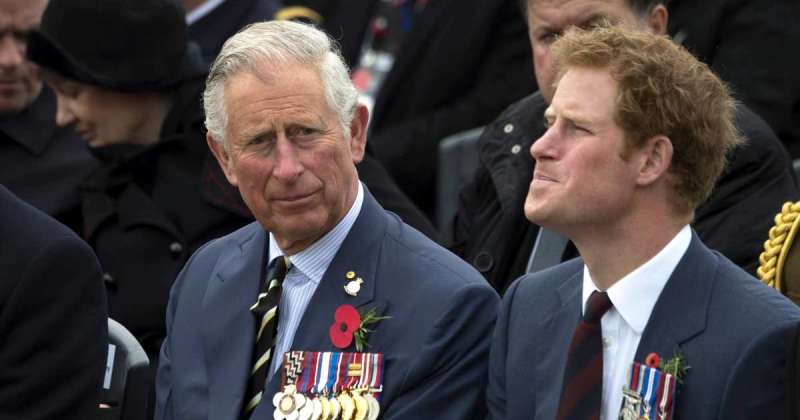
When he and Camilla — then the Prince of Wales and Duchess of Cornwall — toured the States in 2005, the official purpose was to bolster transatlantic ties and promote British tourism. Unofficially, it was Charles introducing his new bride to America. It did not go smoothly. An opinion poll that week claimed 81 percent of Americans were indifferent to their visitors. Television stations, apparently feeling the point hadn't quite landed, pulled archive footage of Princess Diana dancing with Travolta at that 1985 White House dinner and ran it alongside tour coverage.
The Washington Post contrasted the glittering 1985 affair with what it called a dull, dreary White House dinner. Camilla, it noted, had committed "the selfless act of wearing such a dull ensemble that she made First Lady Laura Bush look as though she had stepped from the cover of a glamorpuss magazine." Aides noted privately that Charles found it difficult to feel at ease in a country still so gripped by Diana's memory.
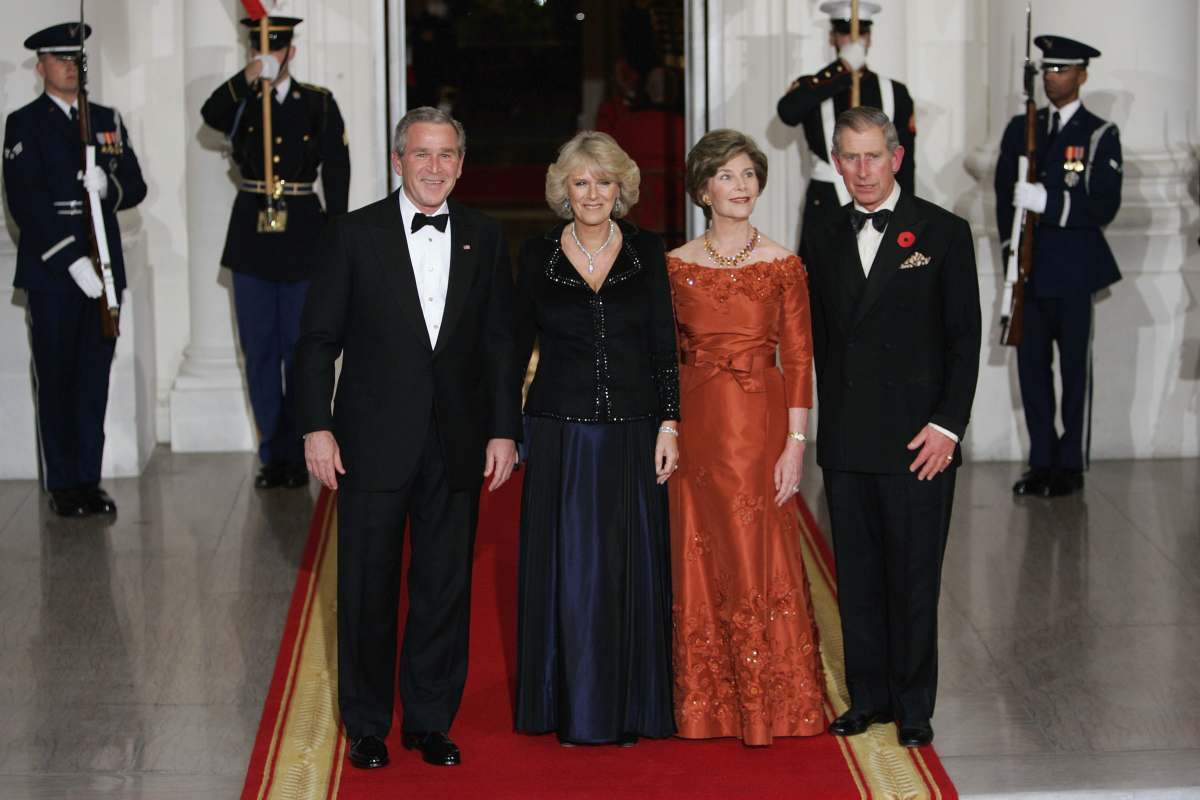
20 years on, the rooms are different. So is the man walking into them, and the host, too. By 2015, when the couple visited again, the temperature had softened. Coverage that once led with Diana's ghost was now noting, almost with surprise, that Americans had quietly warmed to Camilla. The third person in the marriage had become, somewhere along the way, a person in her own right.
But what makes the current situation all the more volatile is that Trump's affection for Diana was, by his own account, considerable. He spoke about her often, reportedly pursued her after her divorce, and found her exceptional. In his 1997 memoir The Art of the Comeback, Trump wrote that his only regret "in the women department" was never having had the opportunity to court Lady Diana Spencer, calling her "a genuine princess, a dream lady."
Which isn't Camilla's fault. She was never built for myth. Diana was — the looks, the vulnerability, the way she could make grief feel personal even on a television screen. Camilla operates at a different register entirely. America has never really been in the room with her. It has only ever seen her from a distance, where Diana still wins. History is rarely kind to people standing where someone else once stood, even when they've done nothing wrong.
The opinions expressed in this article belong to the author alone and are not attributable to The Royal Observer or its editorial team.