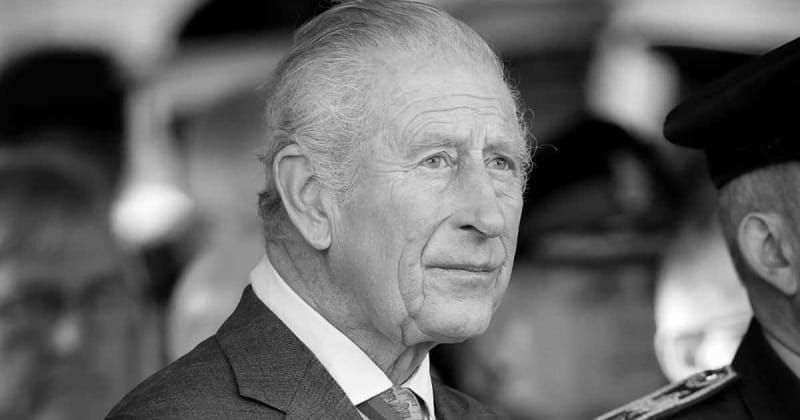
Inside the ‘Secret Plots’ Threatening King Charles’ US Visit — and Why It Could Make Things Awkward
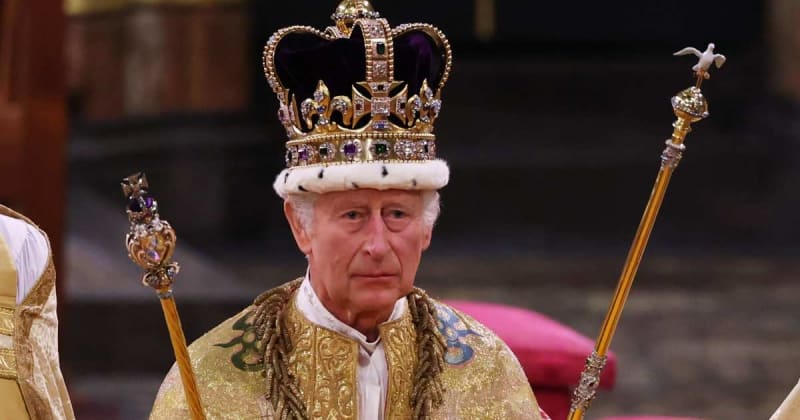
As King Charles touches down in Washington, D.C., carefully-timed plots threaten to cast a dark shadow over his four-day trip.
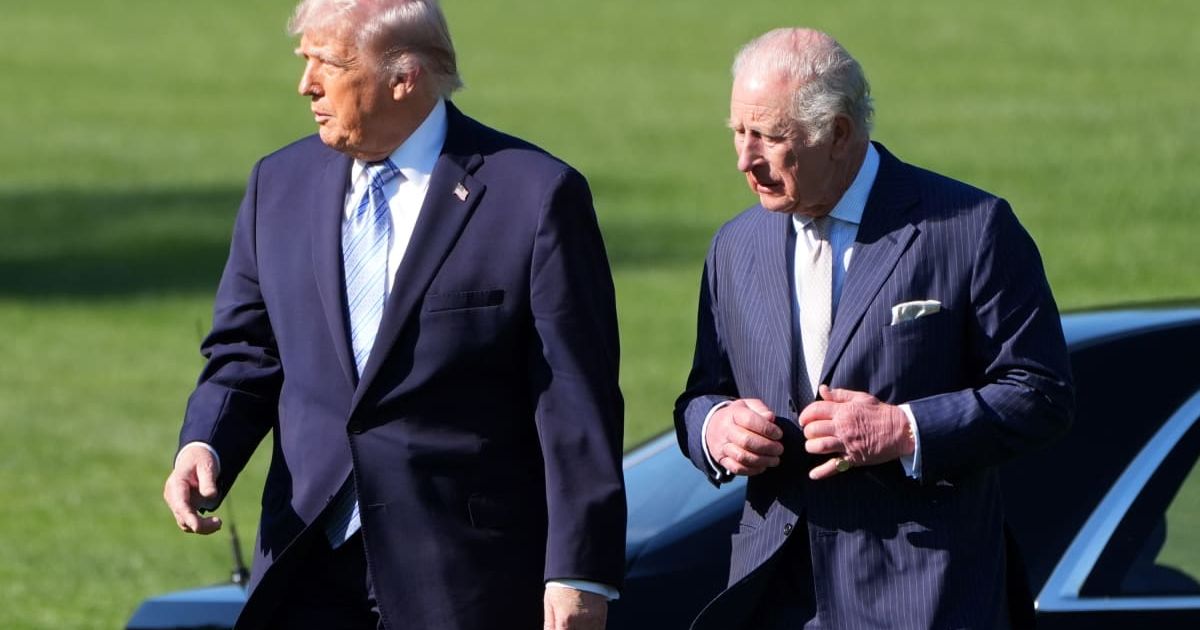


As King Charles touched down in Washington, D.C., on April 27 for his US state visit, he remained oblivious to the 'secret plots' that could overshadow his four-day trip. While the monarch is expected to remain politically neutral, many have questioned his decision to meet Donald Trump, who has criticized UK Prime Minister Keir Starmer over differing views on the Iran war. And let's not forget the ongoing scrutiny around Andrew Mountbatten-Windsor, with calls for accountability continuing to surface across both sides of the Atlantic.
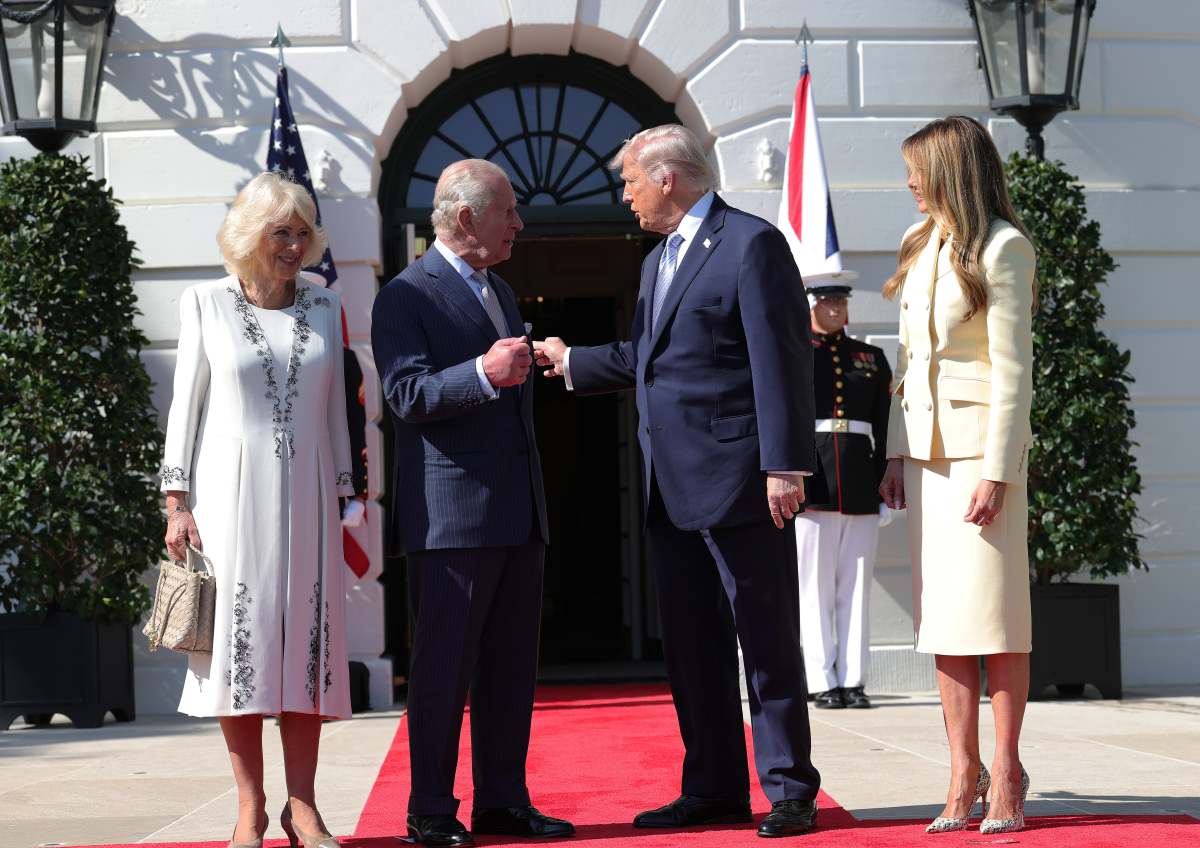
In a biting commentary for the Independent, political correspondent Alex Hannaford lifted the lid on the well-timed line of questioning that could make things awkward for Charles. Per his view, the King's decision to meet with Trump after his public attack on Starmer is already raising eyebrows. Trump's barrage of criticism against the UK PM has raised questions over whether the US and the UK's 'special relationship' is nothing but a facade, putting the burden on Charles's shoulders to avoid picking sides. He opined, "Whether the pomp and ceremony of a royal visit to 'celebrate the historic connections' between the UK and US will be able to paper over these cracks is another issue."
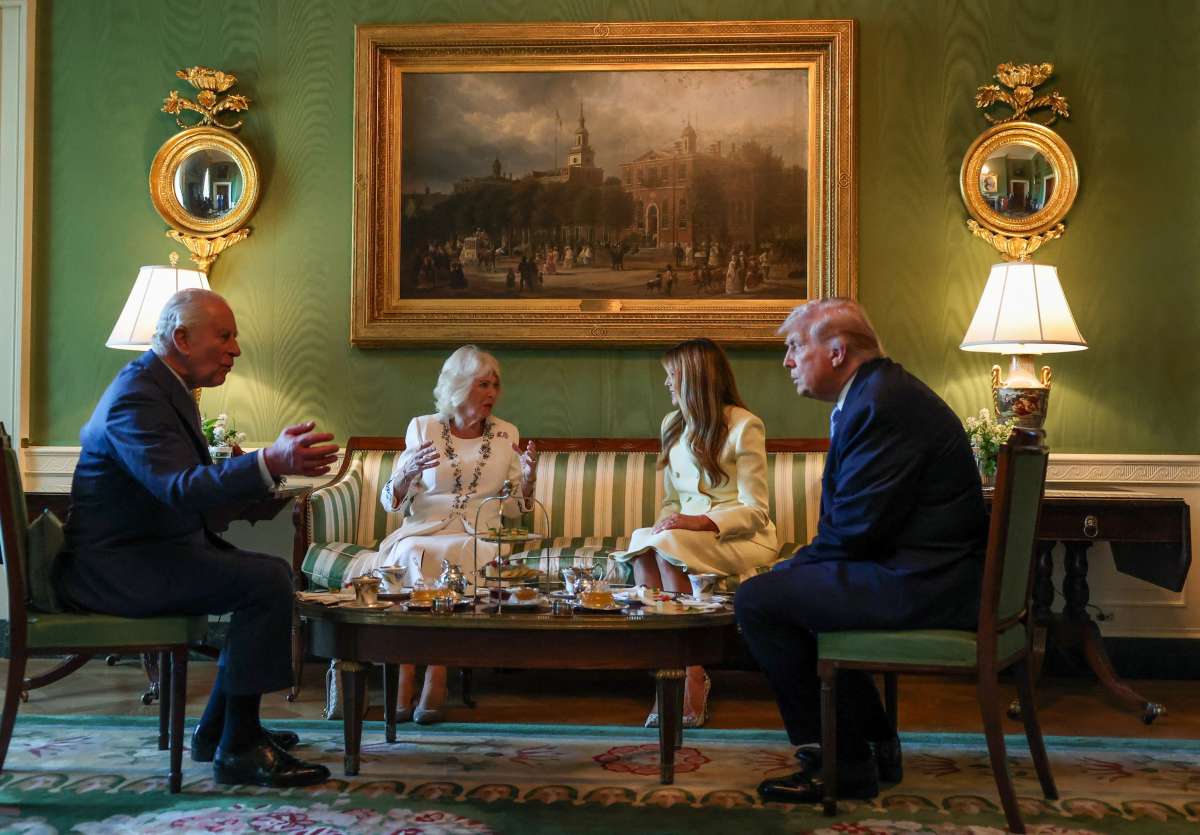
Another pressing issue that threatens to overthrow Charles's diplomatic visit is Mountbatten-Windsor's many scandals. US Representative Robert Garcia, who had previously called for the former prince to testify before Congress, said his arrest was an "enormous step forward." He added, "It's time for the United States to end this White House cover-up. President Trump and his Epstein administration are not above the law." Moreover, Charles rubbing shoulders with Trump, who enjoyed a close friendship with Jeffrey Epstein, doesn't make up for very good optics either, prompting a broader debate about how far the monarchy is willing to go in the name of political diplomacy and good relations.
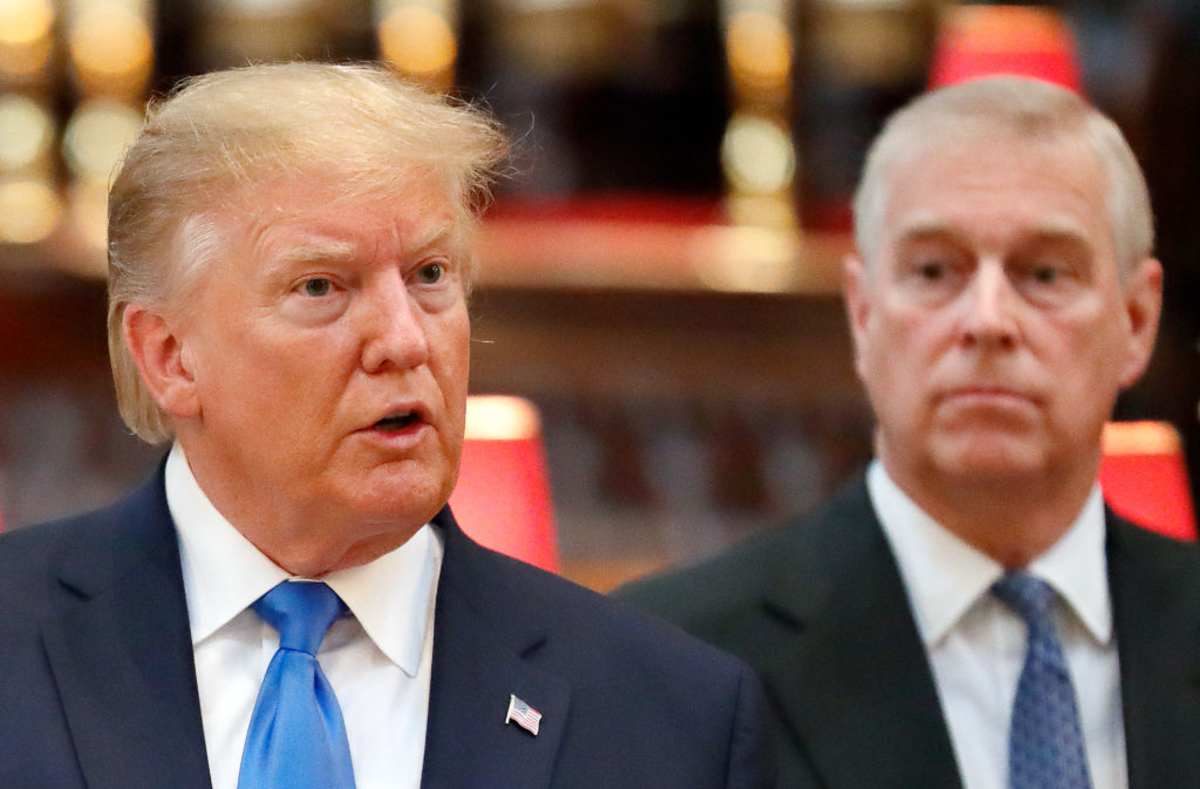
While a meticulously crafted Palace statement has previously said that King Charles's "thoughts and sympathies have been, and remain with, the victims of any and all forms of abuse," alas, this may not satisfy his critics in Washington. Many believe the King should have taken the time to meet Epstein's victims and apologize on behalf of his brother. Hannaford penned, "Yet the mere suggestion that Charles publicly press Mountbatten-Windsor to testify places him[Charles] in a perilous position, raising difficult questions about the boundaries between family, accountability, and protecting the Crown."
To make matters worse, in Washington, the monarchy does not receive the same praise and respect it often commands in the UK. Correspondents there, including British reporters based in the US, tend to ask tougher questions. If those questions go unanswered, it can push them to press even harder, often in a more public and direct way, certainly bad news for Charles. For some observers, the visit may also be viewed as an attempt to placate a controversial administration, which they believe is leaning towards authoritarian tendencies.