Forcing Andrew Out of Royal Lodge Could Be a Decision Charles May Regret Soon
An expert warns that King Charles's move against Andrew has opened a wider debate on royal privilege, and MPs may again snoop around Crown properties.
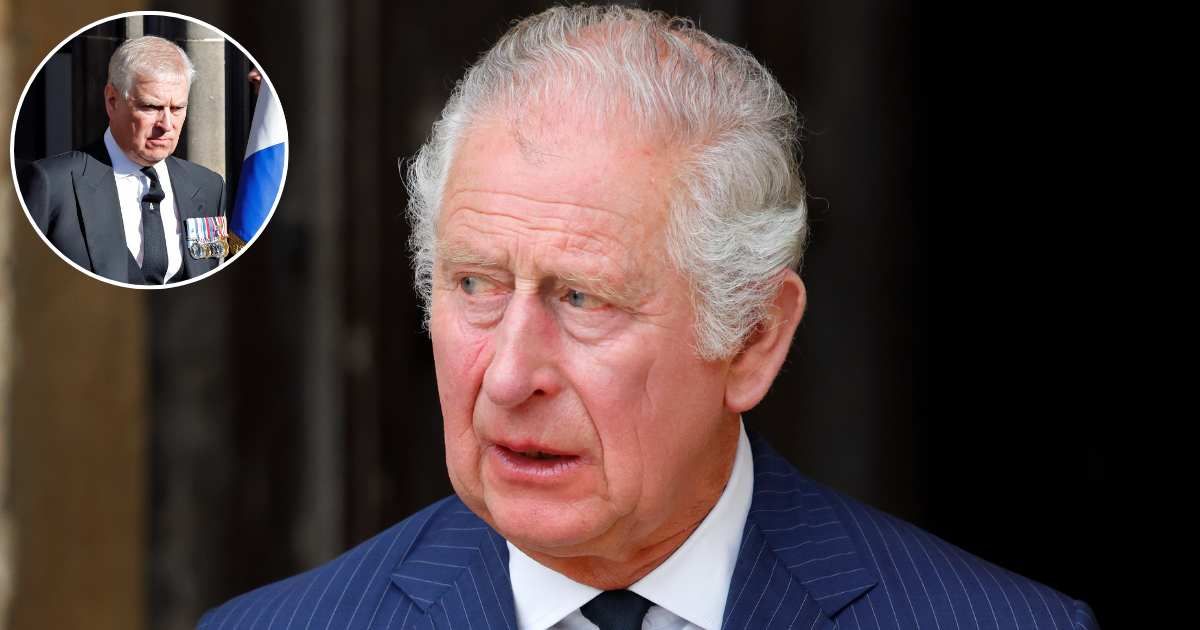


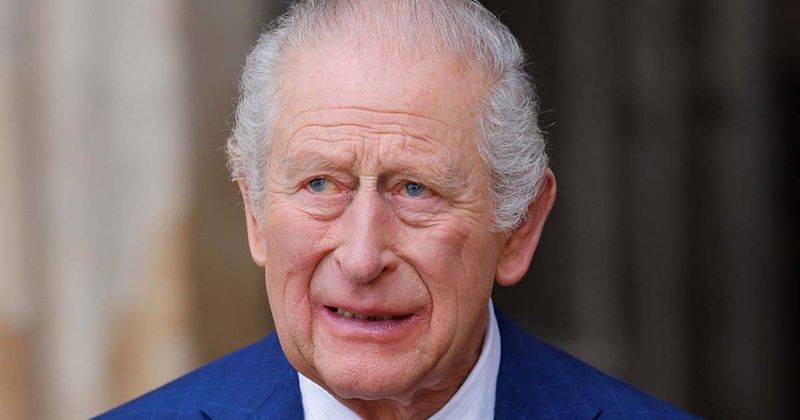
Andrew Mountbatten-Windsor’s problems are far from over, and now, chances are even the wider royal family may get pulled into them. According to royal commentator Richard Kay, King Charles’s decision to force his younger brother out of Royal Lodge has stirred concerns far wider than the former Prince’s tenancy. Although the monarch only intended to draw a firm line and restore the Firm's credibility, the decision has prompted a fresh parliamentary examination of how the royal family members have leased some of the Crown Estate’s most valuable properties.
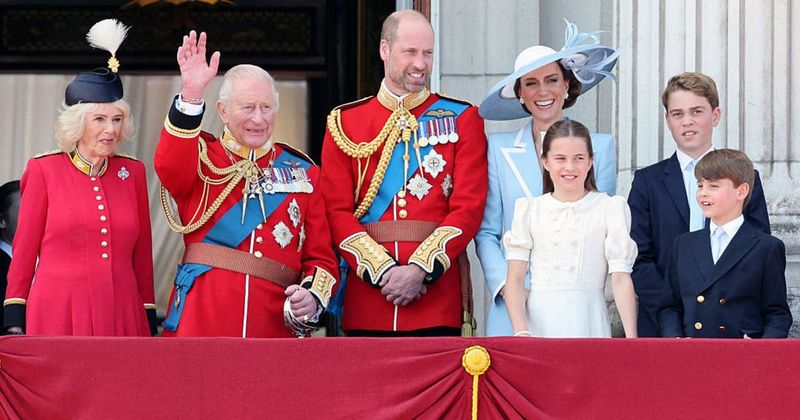
As per Kay in his write-up for the Daily Mail, the shift in political mood is unmistakable. While the images of the royal family at the recent German state banquet projected a confident and united front, beyond the castle walls, “the mood is chillingly different.” Public outrage over Mountbatten-Windsor’s ‘peppercorn rent’ deal for the Grade II-listed property has renewed accusations of royal excess, and MPs on the Public Accounts Committee are preparing to scrutinize other longstanding agreements. As Kay put it: "The Andrew problem is now being perceived as the extreme manifestation of a wider culture of excess and questionable royal entitlement."
At the forefront of the scrutiny is the Duke and Duchess of Edinburgh’s lease at Bagshot Park, a 120-room Surrey property that originally cost about $6,600 a year before rising to a higher market rent after refurbishment. There's also Princess Alexandra’s modest annual rent of roughly $3,570 for Thatched House Lodge. Even Prince William and Princess Kate’s agreement for their new home, Forest Lodge, has been placed on the committee’s review list. Though the couple’s 20-year lease complied with Crown Estate rules and was independently valued, MPs intend to review it as part of their wider inquiry.
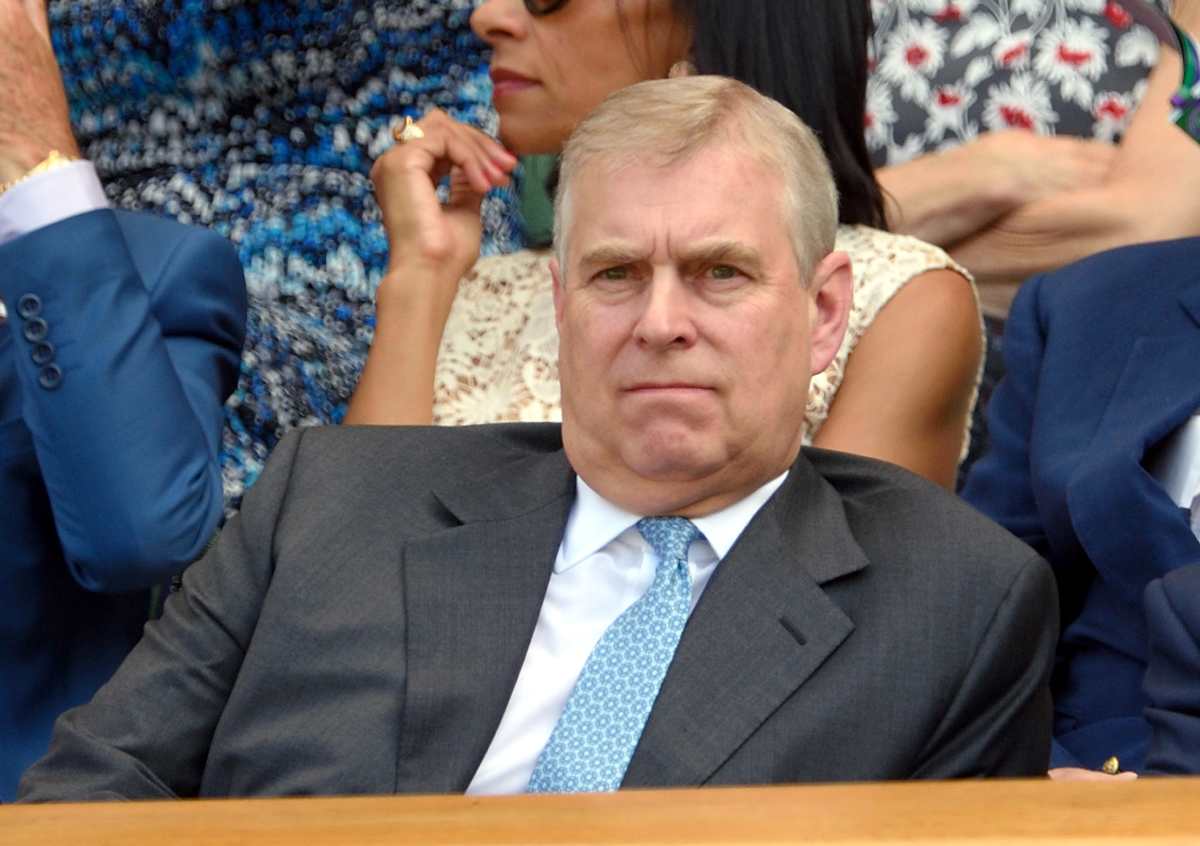
For many inside royal circles, the deeper issue is not the properties themselves but the way Charles handled Mountbatten-Windsor’s removal. Some remain uneasy that the monarch chose to strip his brother not only of his Dukedom but also of his princely title. As one former advisor told Kay, “Seeing what the King can do with a swish of his famously ill-functioning pen has emboldened critics who would like to shake up the whole royal system. They sense vulnerability.” Others, meanwhile, argue that the King had little room to maneuver. Kay points out that the public anger surrounding the disgraced royal’s ties to Jeffrey Epstein had become constant, and "his possession of titles and honors was bound up in his occupancy of a royal home that reeked of extravagance."
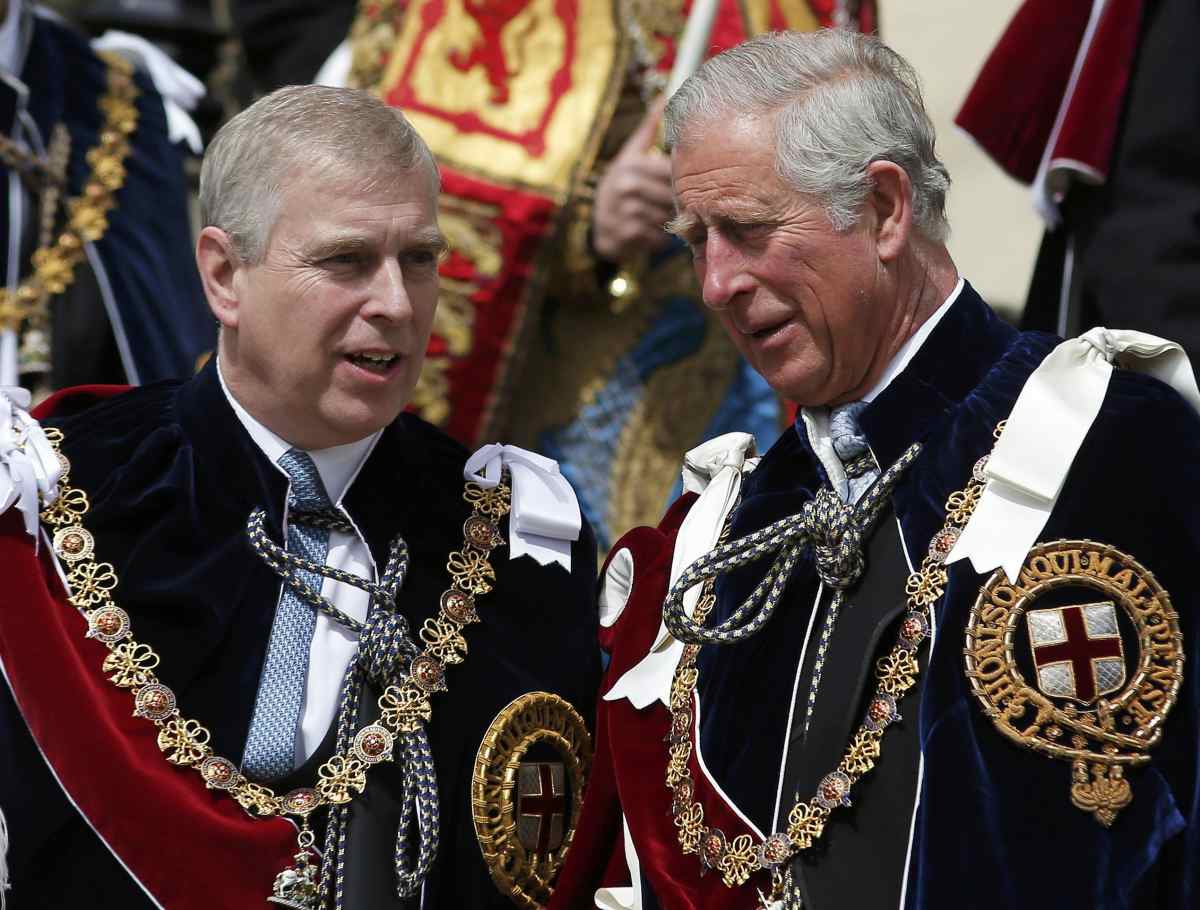
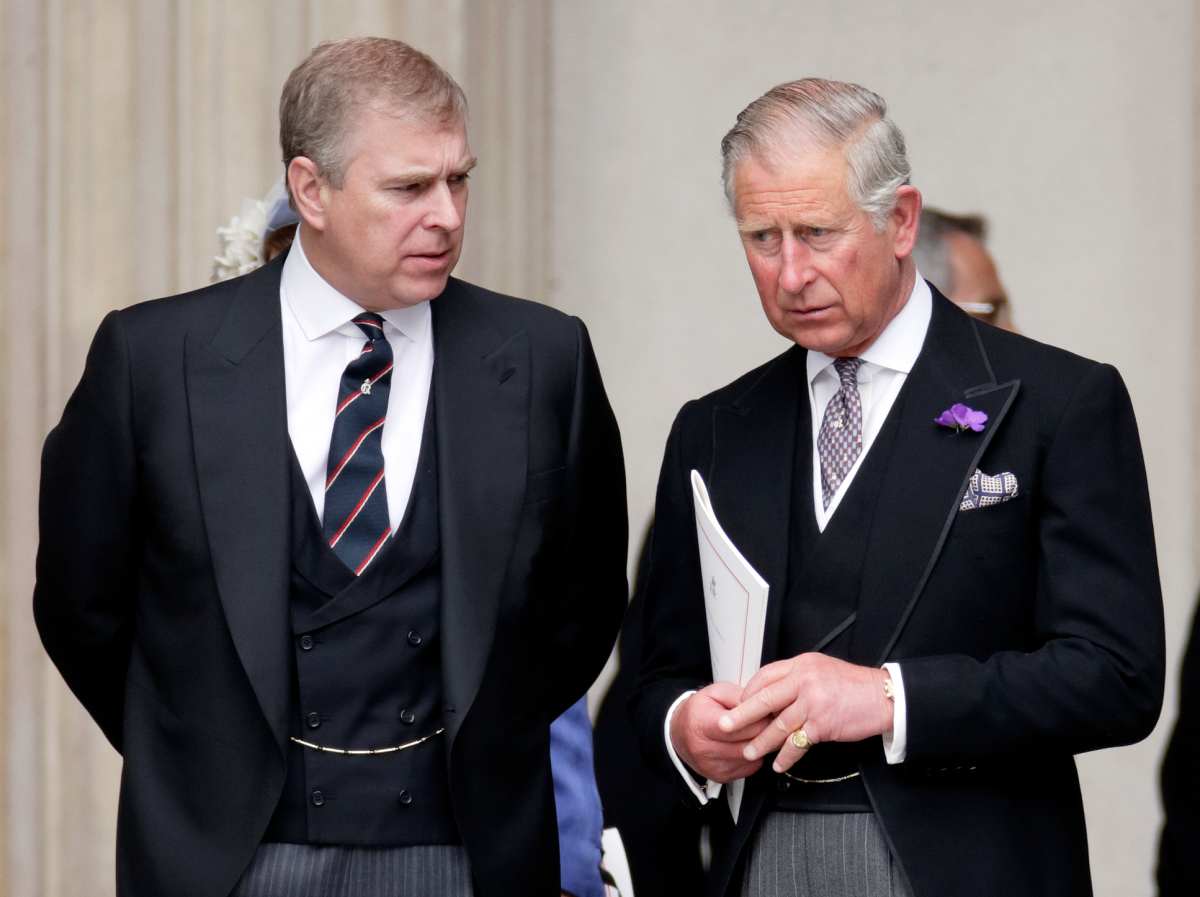
The tension surrounding the 30-room property is rooted in a far older dynamic between the King and his brother. Kay described it as “a complex story of brotherly harmony punctuated by ill-feeling, envy, and open hostility.” The residence, which Queen Elizabeth granted to Mountbatten-Windsor after the death of the Queen Mother, became central to his identity, and he believed giving it up “would be an admission of wrongdoing,” something he has consistently denied. So, by removing the former Prince from Royal Lodge, Kay argues, the “King has opened a Pandora's box that will have Left-wing MPs licking their lips as they pore over royal affairs.”