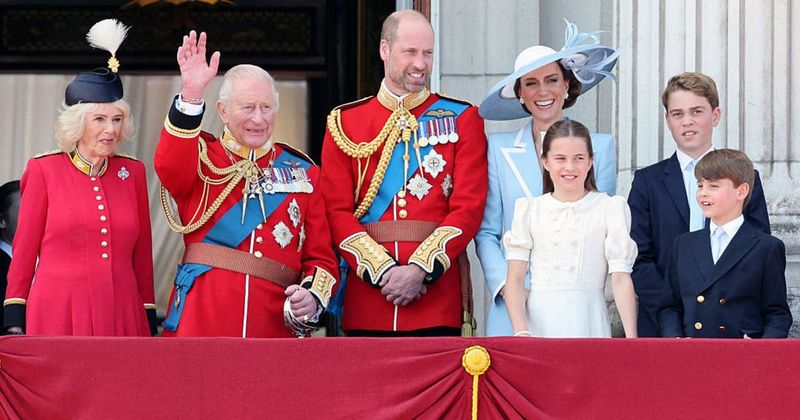
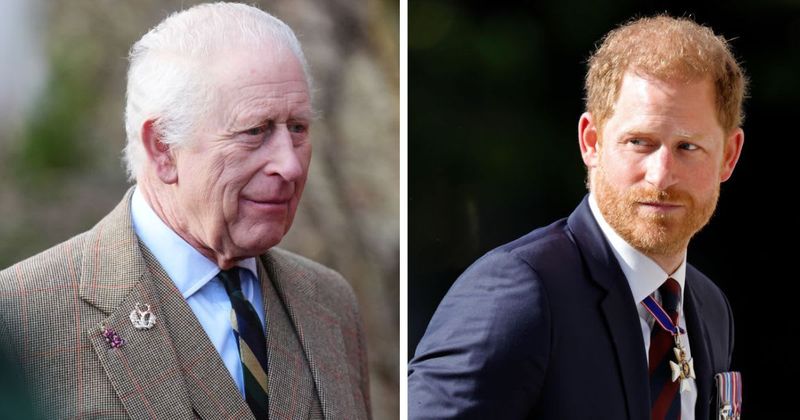
Expert Reveals How King Charles Overshadowed Prince Harry and Meghan Markle on US Visit
Royal commentator analyzes how King Charles’s US visit effectively "schooled" Harry and Meghan on the difference between duty and PR.
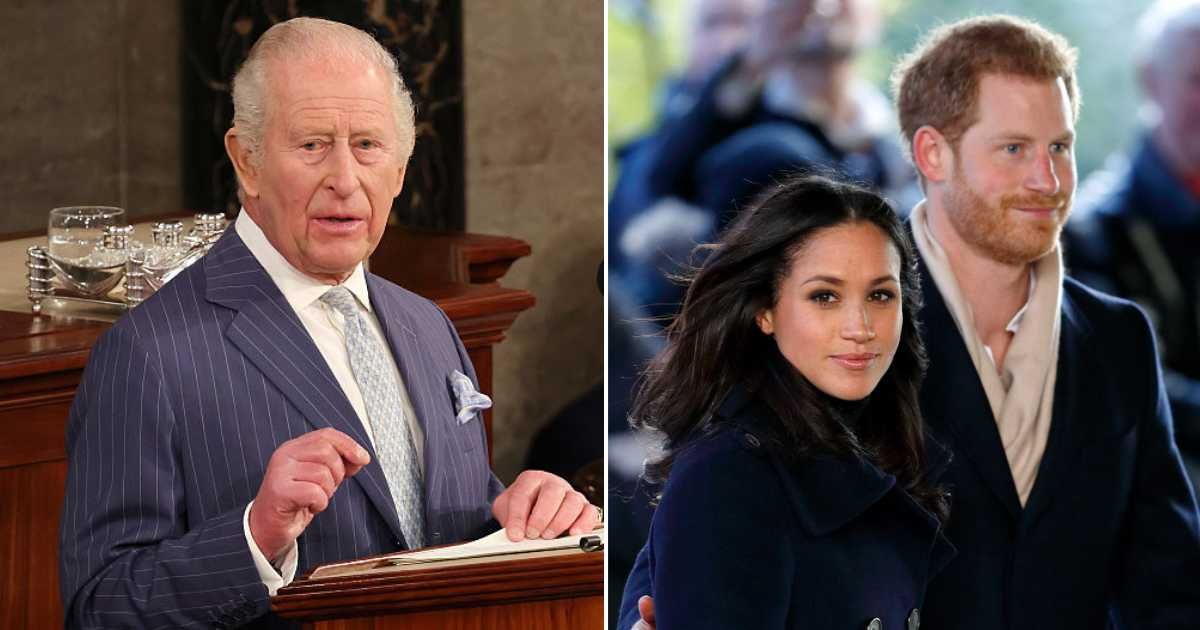


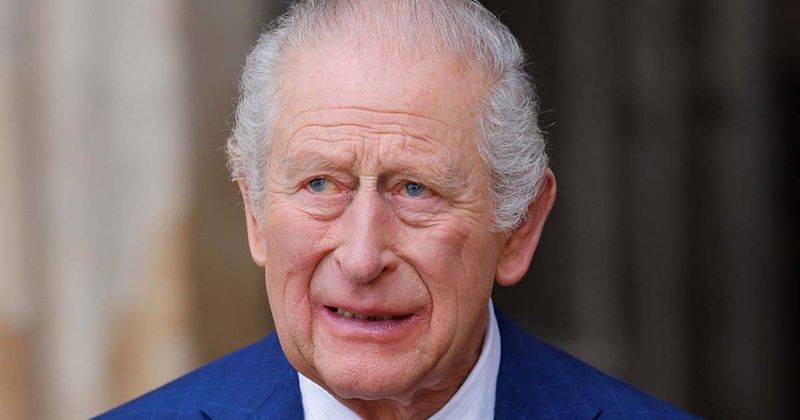
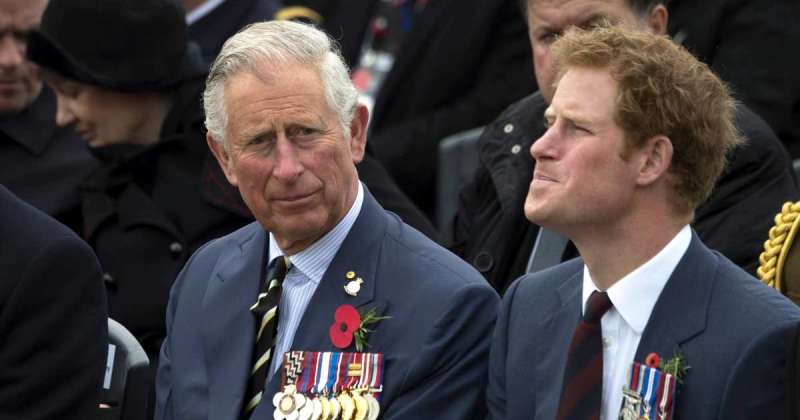
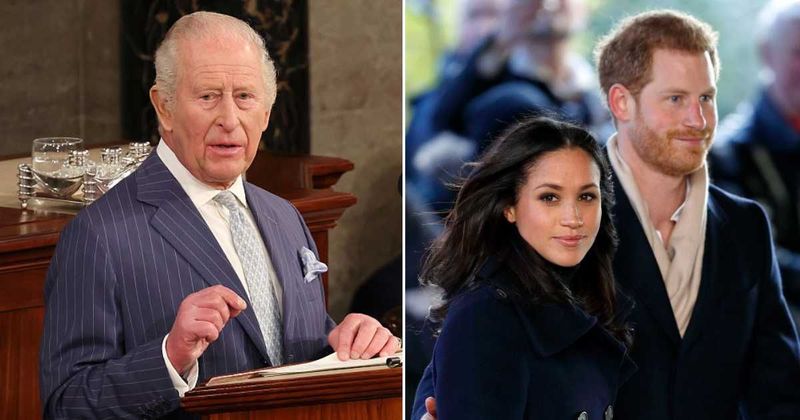
There's a lot of buzz around the relationship between King Charles and Prince Harry after reports of the son's desire to meet his father in Sandringham to mend things. But the monarch's speech during a recent US state visit has sparked an intense debate among royal commentators. It highlighted the contrast between the institutional prestige of the monarchy and the high-visibility celebrity brand established by Prince Harry and Meghan Markle. As the monarch addressed a joint session of Congress, his reception was so monumental that it served as a powerful testament to the soft power of the British Crown. According to royal commentator Chris Riches, the King’s 'calm authority’ has effectively overshadowed the Duke and Duchess, making the recent outbursts appear completely insignificant.
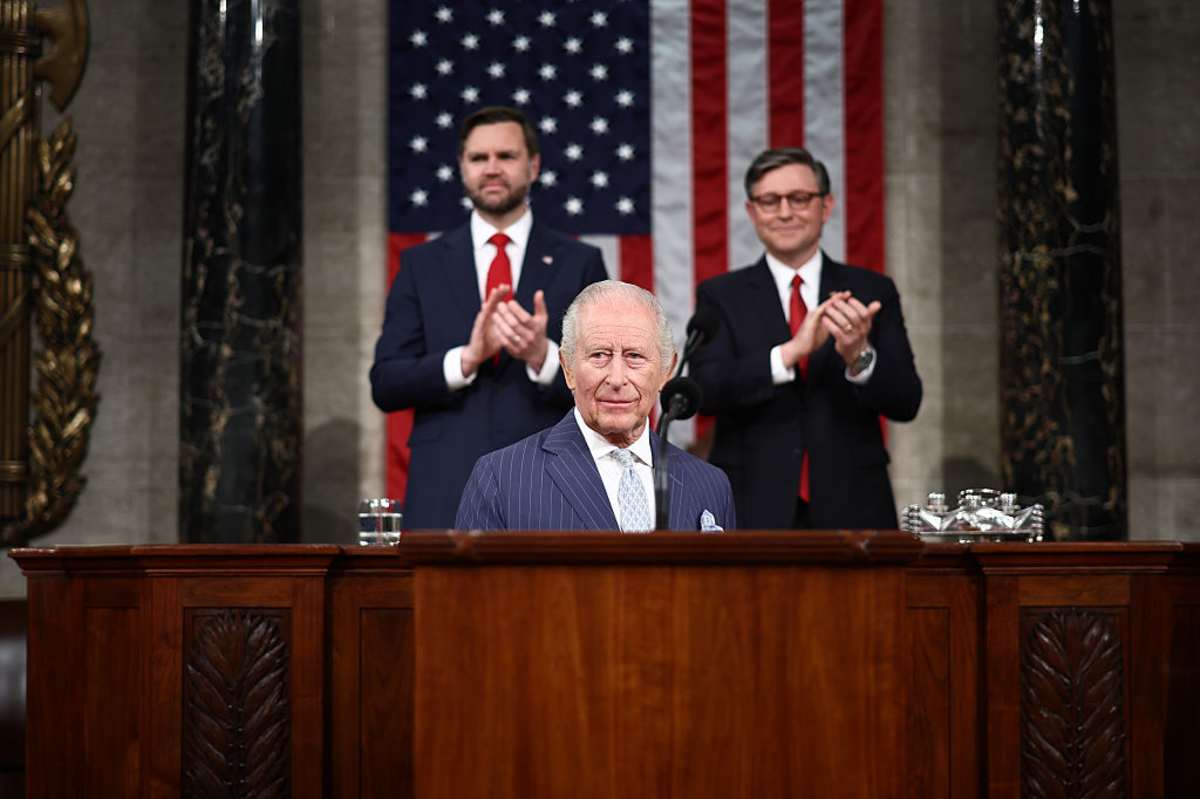
Writing for The Express, Riches suggests that the sight of Charles receiving 12 separate standing ovations will be a bitter pill for Harry and Markle to swallow, asserting that “it's a respect they will never achieve.” According to the commentator, the distinction lies fundamentally in character, noting that a ‘selfless’ monarch’s presence commands attention, while the perceived selfishness of the Sussexes only triggers collective eye-rolls and public frustration. The critique heavily focuses on the contrasting agendas of the father and son. While Charles worked to underscore the ‘indispensable’ partnership between the UK and the US during a ‘volatile’ era, the Duke of Sussex has been accused of using his platform for personal goals.
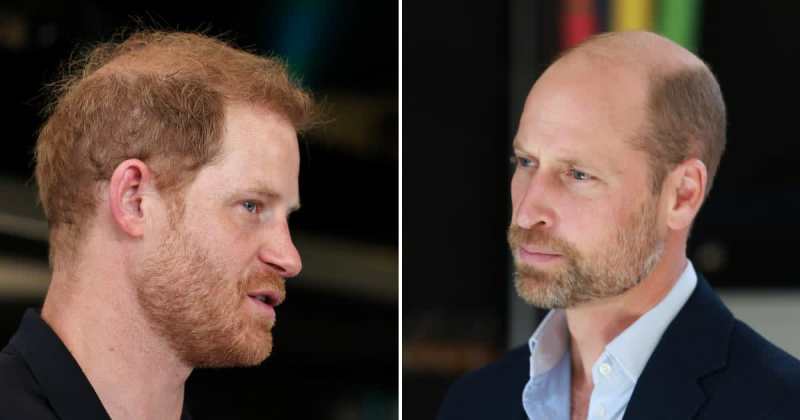
Riches notes, “While one speaks for his country, of what unites us and a new world hope, the other two bemoan their 'tough' lot in life, trash Britain and target the monarchy for personal gain.” The maturity gap was most visible during their specific interactions with US leadership, highlighting a distinct difference in how each party conducts itself. While King Charles sought to “tactfully soothe” the diplomatic relationship between Donald Trump and Keir Starmer, Harry chose a more confrontational path. Riches dismissed the Prince’s recent Ukraine speech, where he lectured the US President on ‘leadership,’ as a disastrous move that invited public mockery, stating, “Trump responded, 'Prince Harry is not speaking for the UK, I think I am speaking for the UK more than Prince Harry.'"
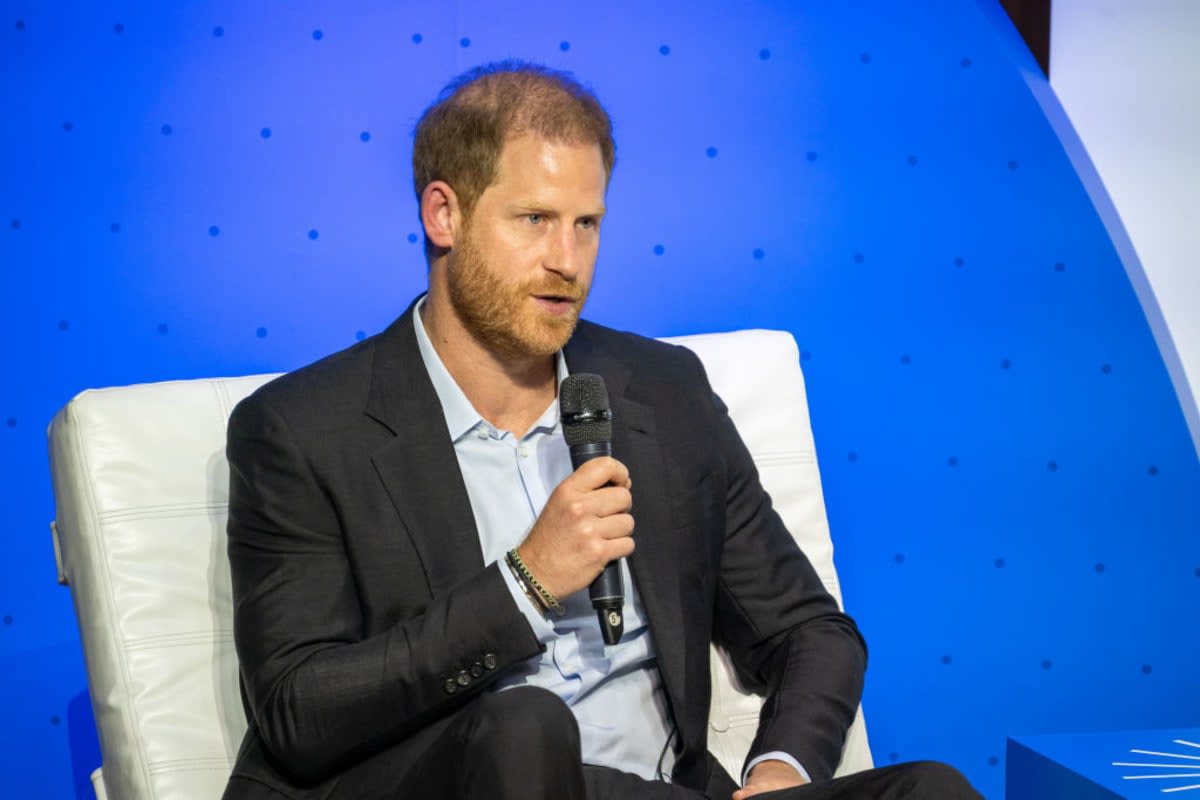
Riches pointed out the irony of a former working royal trying to influence international policy, noting that “You can imagine furious Trump's response to being lectured by a privileged former working royal and his wife who make money selling jam, scented candles and exposing family's secrets in books and TV shows.” The commentator identified Harry’s Achilles Heel as a “fervent, almost maniacal, belief that he is right on everything,” which is a quality that is directly in conflict with his father’s more measured strategy. Riches maintains that true diplomacy requires a refined touch, focusing on the skills of gently coaxing figures in power rather than a confrontational approach.
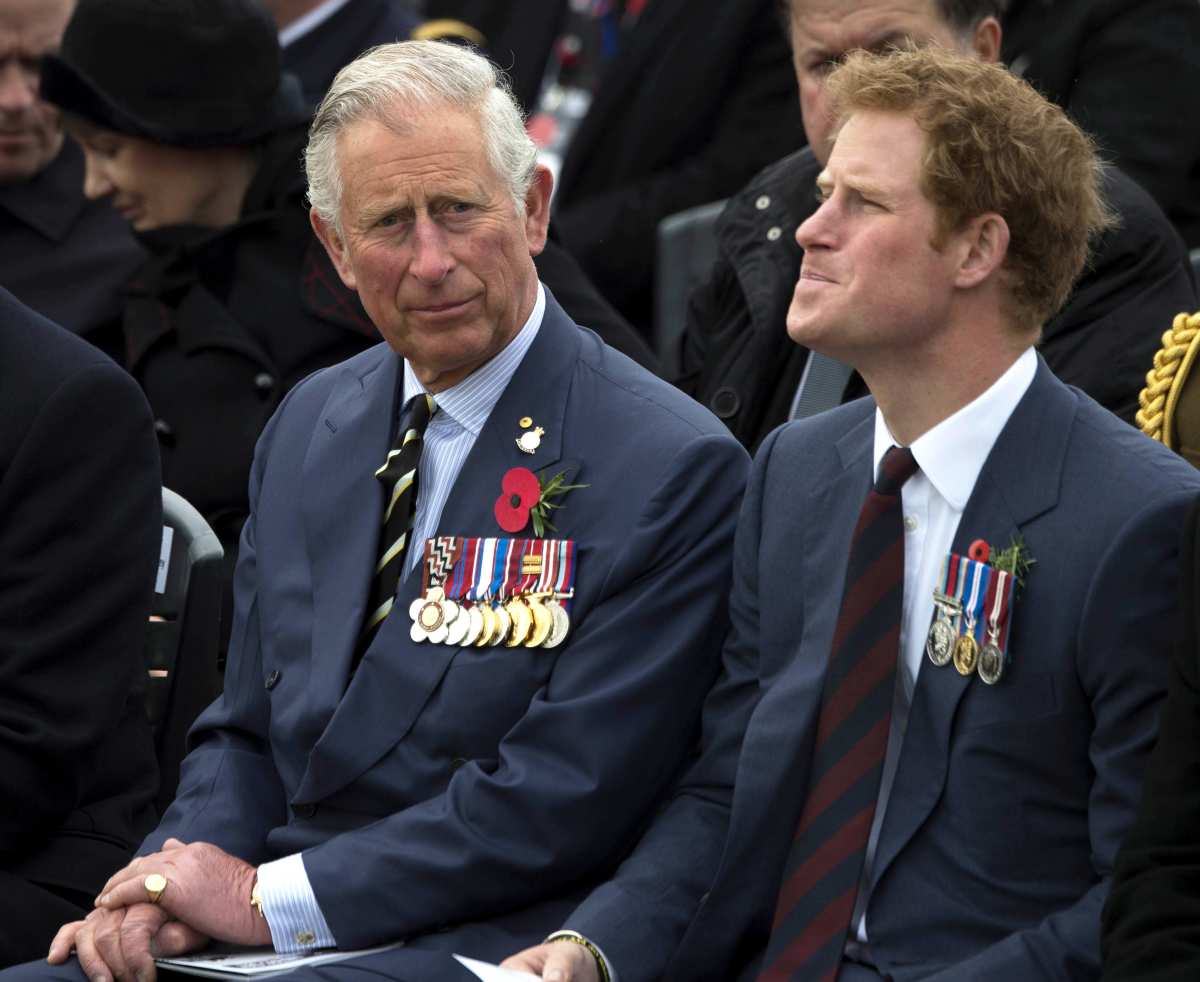
The visit served as a reminder that true royal influence is built on duty rather than PR. By navigating the world stage with such composure, Charles has effectively emphasized that the Sussexes struggle to project any real diplomatic power. Concluding his write-up, Riches notes that the sharp contrast resembled a masterclass in royal conduct, observing, “Diplomacy is a skill, and Harry and Meghan have just been schooled.”