Charles Hosts 200 Guests at the Palace — and Kate Proves Again Why She’s the Crown’s Biggest Asset
As the monarchy fights for relevance in an age of indifference, one woman is quietly making the case that it still means something.


The monarchy's longest-running problem has never been scandal. Scandals, it has survived. Abdications, affairs, divorces, tabloid decades, the institution has a remarkable talent for outlasting its own embarrassments. What it has never quite solved is something more structural, that being the problem of distance. The glass coach, the velvet rope, the practiced wave from a balcony three floors up. A family trained, across generations, to be observed rather than known. Princess Diana knew it, that's why she was loved. Prince Harry and Meghan Markle understood this, at least for a while. Whatever one makes of how their story ended, they had a genuine gift for making people feel seen — not patronized, not processed through a handshake line, but actually seen.
When they left, the institution lost something harder to name than popularity — it lost its most visible proof that real people lived inside it. This makes a quiet moment at Buckingham Palace recently worth paying attention to. Because it suggests the hope didn't leave with them.
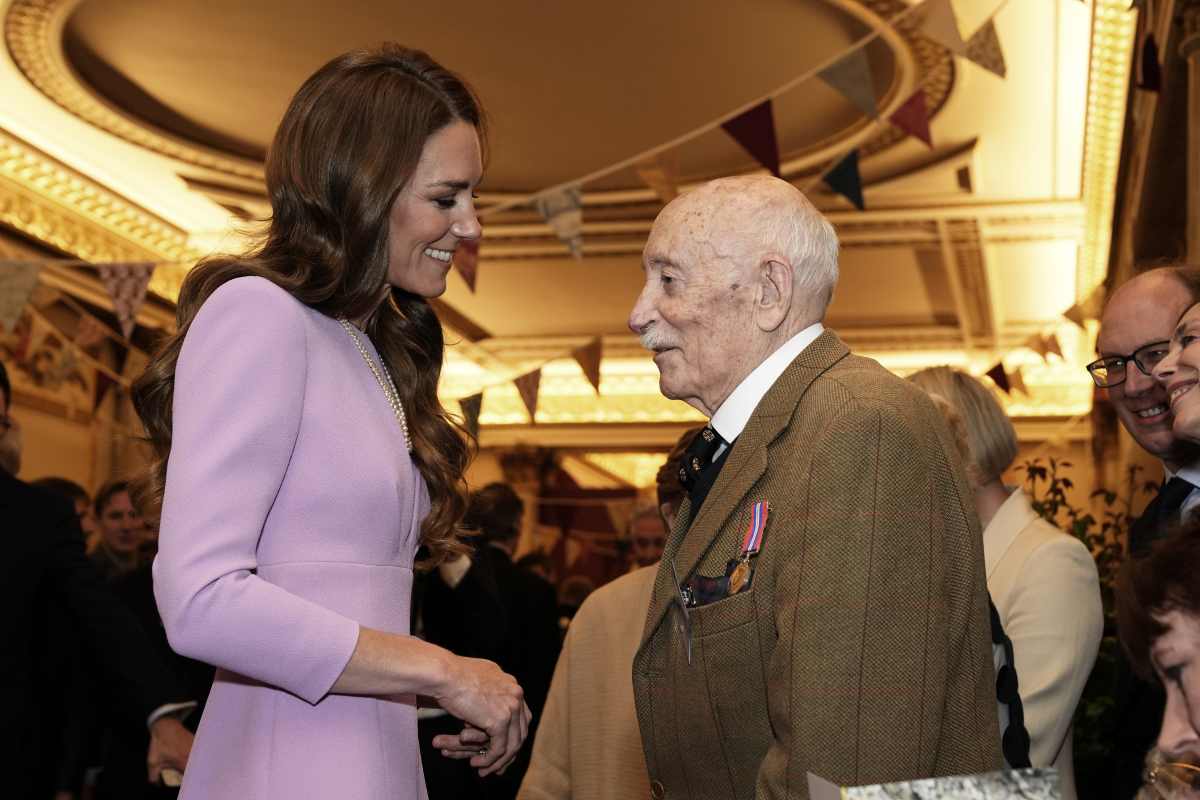
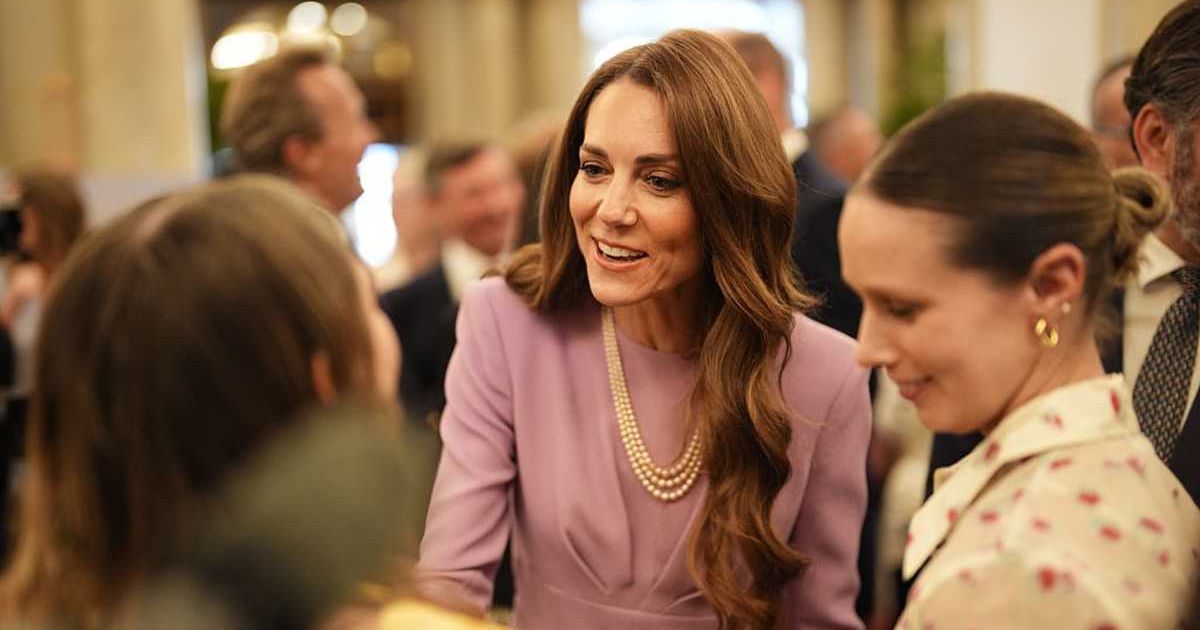
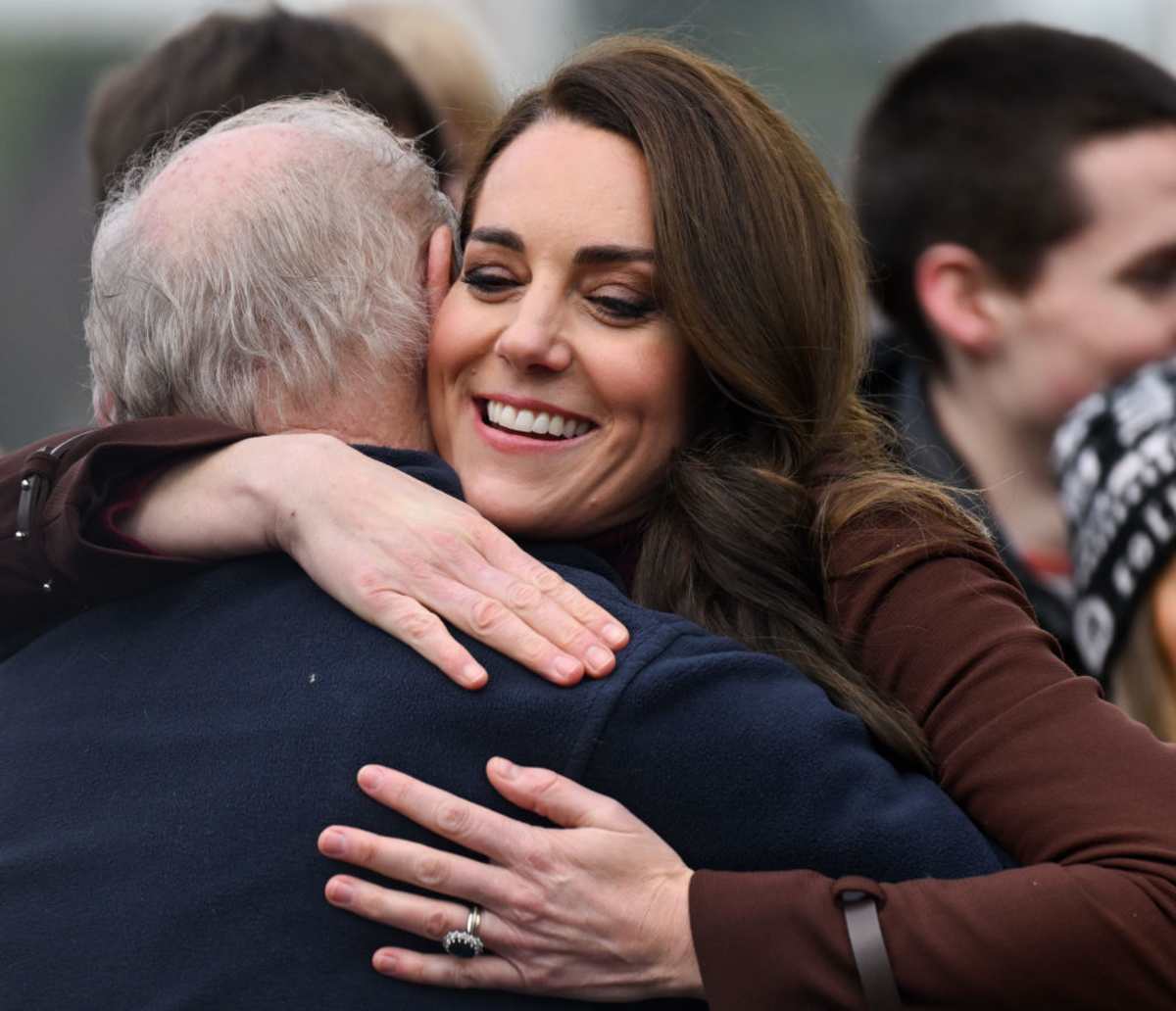
It was at that same reception — 190 guests gathered to mark what would have been Queen Elizabeth's 100th birthday — that Princess Kate spotted an 88-year-old man named Tony Gledhill standing alone. His wife had recently died. Before she did, she had made him promise to attend. Kate walked over, held his arms, and pulled him into a hug.
That instinct has a paper trail. In 2014, at an East Anglia Children's Hospice event, Kate met Leigh Smith, a mother who had lost her infant daughter to a rare heart condition. As she was leaving, she pulled her close and said, "You're a very brave lady, and I'm just so, so sorry." Both of them were in tears. Then there was Liz Hatton, a 17-year-old photographer diagnosed with an aggressive cancer, whose dying wish was to photograph people she admired. Kate made sure she was one of them. The image of the two of them together said more about what the Princess of Wales actually stands for than any official statement ever could. Liz died that November.
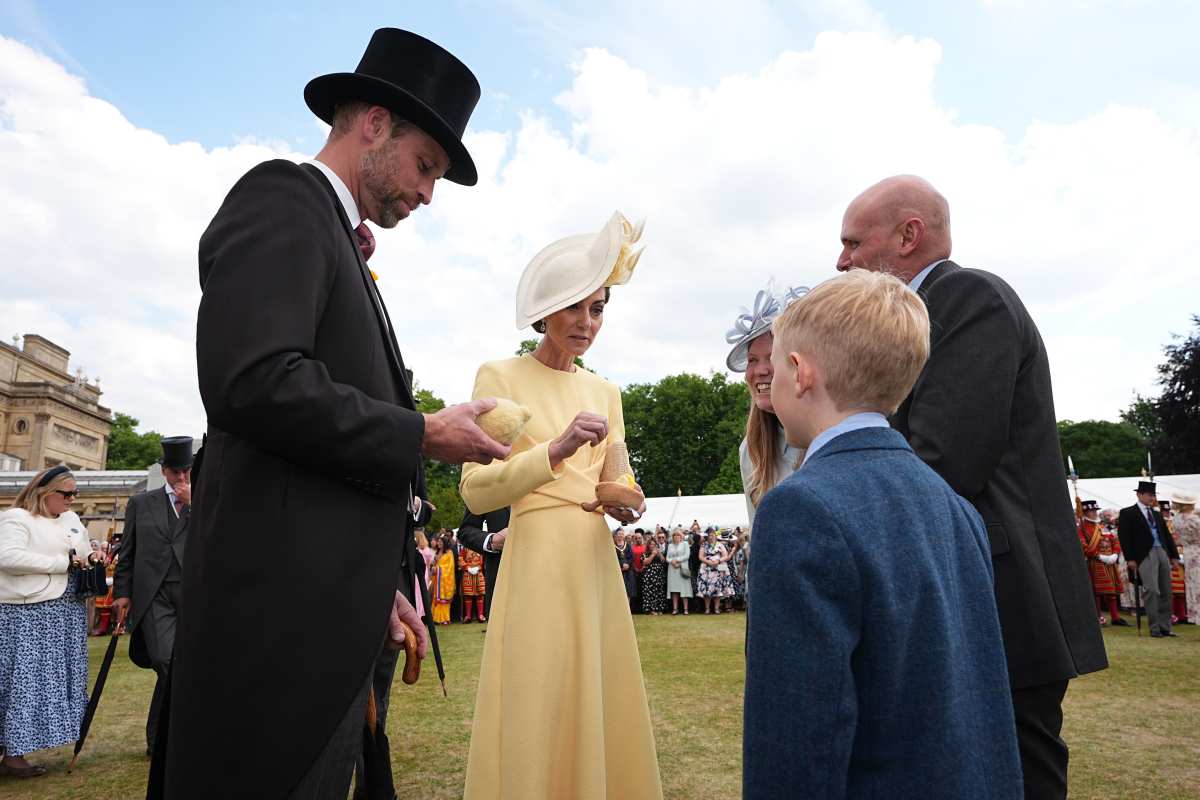
At last year's Royal Variety Performance, she found a quiet moment with Jessie J, who had also been through cancer. "Mum to mum," Jessie said afterward, "I just wanted to give her a hug."
That's not all. During a visit to Cornwall, Kate spotted her old schoolteacher in the crowd, broke away from the walkabout, and went straight over. "I remember exactly the classroom and everything," she laughed, mid-embrace. And she did all of it, breaking away for the engagement she was there for, without having the need to do it.
Here, one must remember, the monarchy is at an inflection point that it cannot spin its way out of. A decade of family drama, an existential argument about relevance, and a generation under forty that increasingly struggles to articulate why any of this should matter to them. Pageantry isn't the answer. Another carefully worded statement isn't the answer. What the institution needs is proof that there are actual human beings inside it.
And Kate has mastered how to provide that. She carries the tradition without being suffocated by it. She knows when to be the Princess of Wales and when to just be a person — and crucially, she seems to understand that the second thing is what makes the first thing worth anything at all.
The monarchy has survived worse. Whether it survives indifference is a different question. The answer, if there is one, probably looks a lot like an 88-year-old widower getting a hug from someone who didn't have to notice him but did.
The opinions expressed in this article belong to the author alone and are not attributable to The Royal Observer or its editorial team.