Pressure Mounts on King Charles as Jamaica Seeks Legal Route for Slavery Reparations
A historic petition could put King Charles in the middle of Jamaica’s decades-long fight for slavery reparations from Britain.
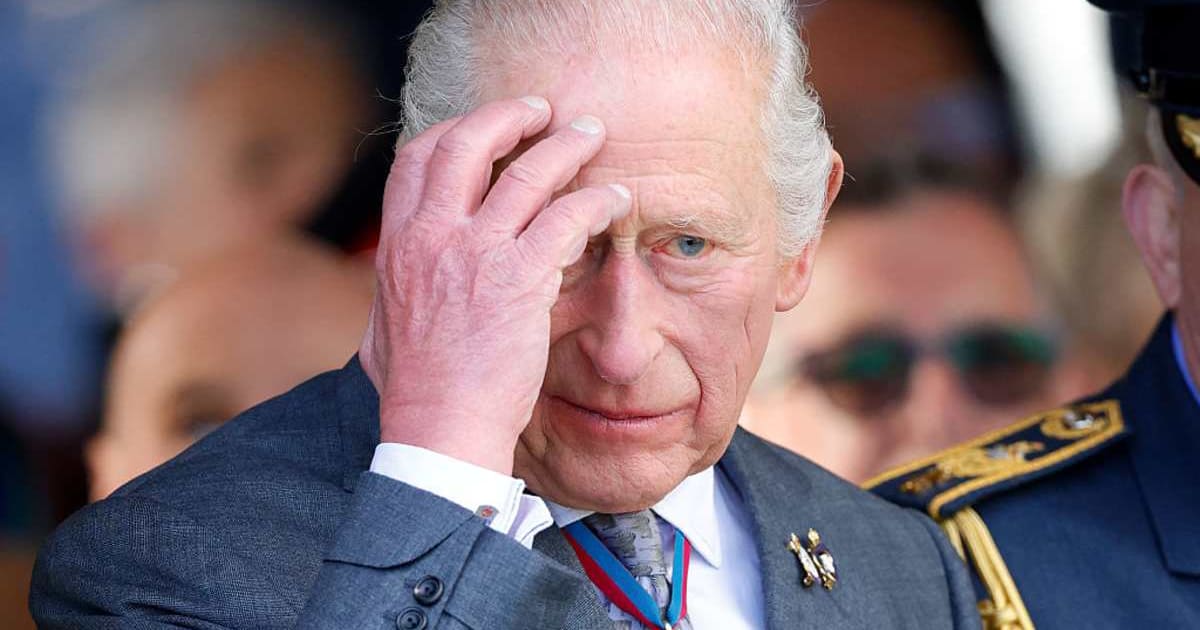


Immense pressure has befallen King Charles recently over an age-old debate: slavery reparations. Jamaica will be taking the formal route and bringing its case directly to the reigning monarch during an upcoming visit to London. Ministers from the Caribbean nation are set to present a formal petition, asking the King to consider the country’s long-running push for reparatory justice.
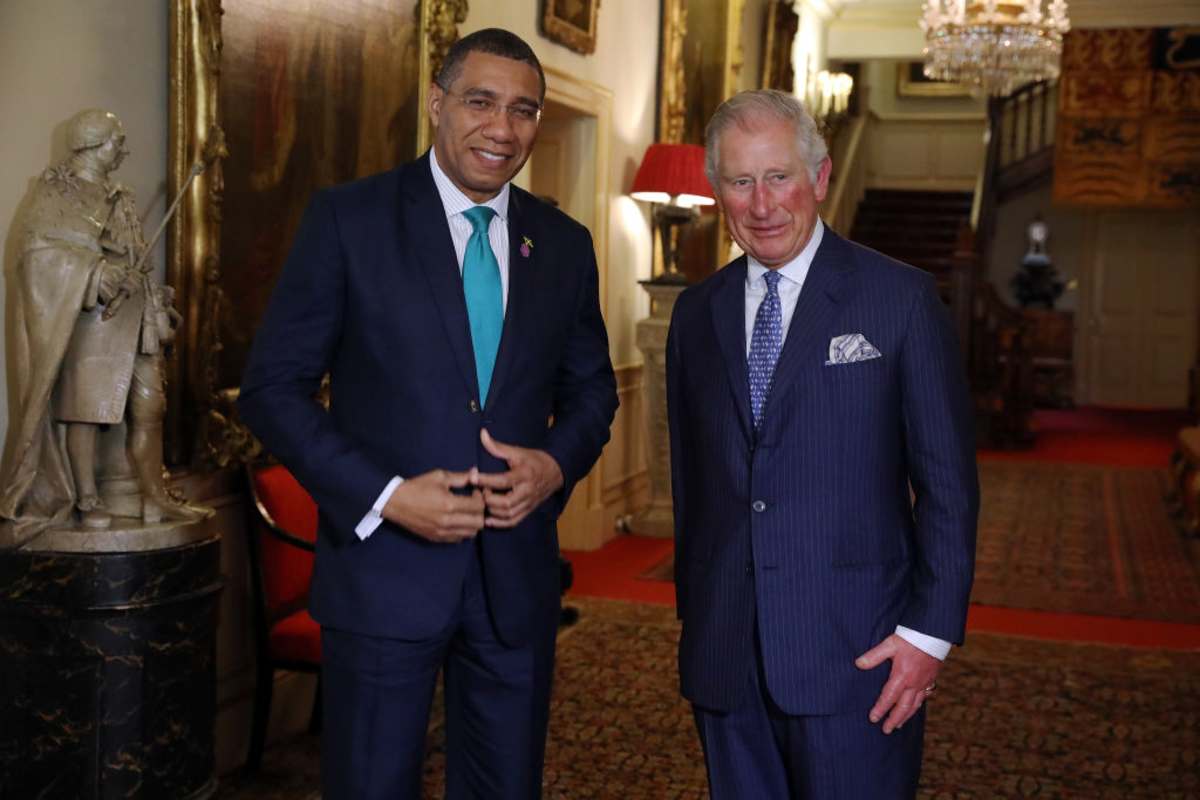
There is also a legal element to Jamaica’s latest move. Rather than simply presenting its demands before the King, the petition will ask Charles to refer three questions concerning transatlantic chattel slavery to the Judicial Committee of the Privy Council. Charles holds the position of Jamaica’s head of state, while the committee serves as the island’s highest court of appeal.
The request also comes against a complicated history between Jamaica and Britain. The Caribbean nation remained under British rule until 1962 and had a major role in the transatlantic slave trade. As many as one million Africans were transported to Jamaica between the 1500s and 1800s.
Leading the delegation is Jamaica’s Culture Minister Olivia Grange, who will travel to London to formally lodge the historic petition with the King. If submitted as planned on Monday, Jamaica will become the first Commonwealth state to use this particular legal route in its pursuit of reparatory justice. The delegation is also expected to meet with the British Museum to discuss the repatriation of cultural artifacts taken from the country.
Under the Judicial Committee Act of 1833, the British monarch holds the authority to refer legal matters to the London-based Judicial Committee of the Privy Council for an advisory opinion. While Britain has stated in recent years that it will not pay financial reparations for slavery, Caribbean leaders continue to call for a formal apology and measures including debt cancellations.
The scale of the transatlantic slave trade was enormous, with an estimated 12.5 million Africans forcibly transported by European nations between the 16th and 19th centuries. Those who survived the journey across the Atlantic were then enslaved on plantations in the Caribbean and elsewhere, where they were subjected to extreme brutality.
As reported by the Daily Mail, Grange said, “The petition filing will be a milestone moment in Jamaica's history. As members of the Commonwealth, our citizens are exercising their right to petition the King to ask him to refer the issue of slavery reparations to the Privy Council. We look forward to a positive programme of engagement around this issue.”