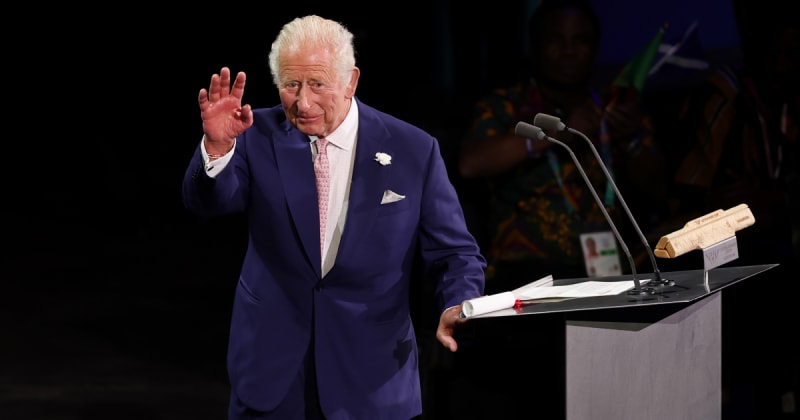
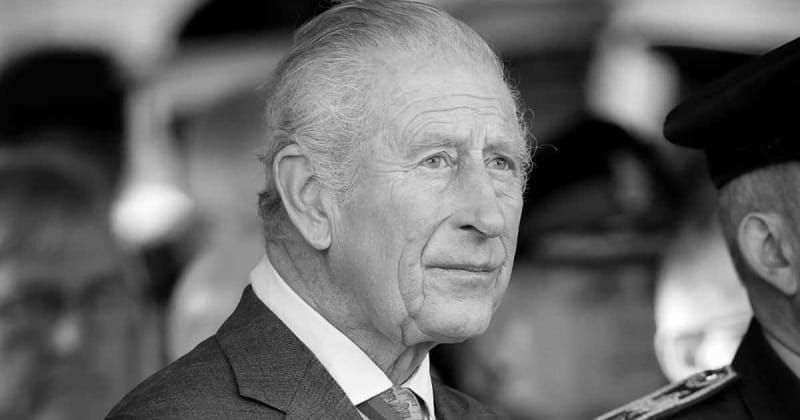
King Charles's First Training Aircraft Set to Return to the Skies for 80th Service Anniversary
In 1969, then-Prince Charles learned to fly on the de Havilland Canada DHC-1 Chipmunk, the beginner aircraft of the Royal Air Force.
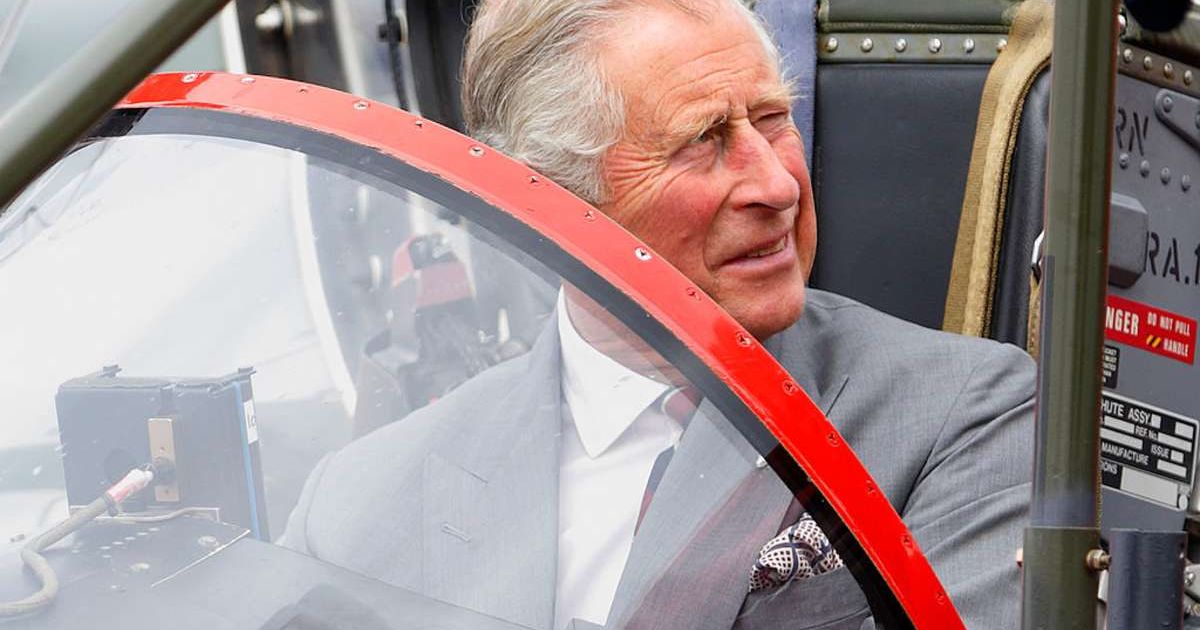


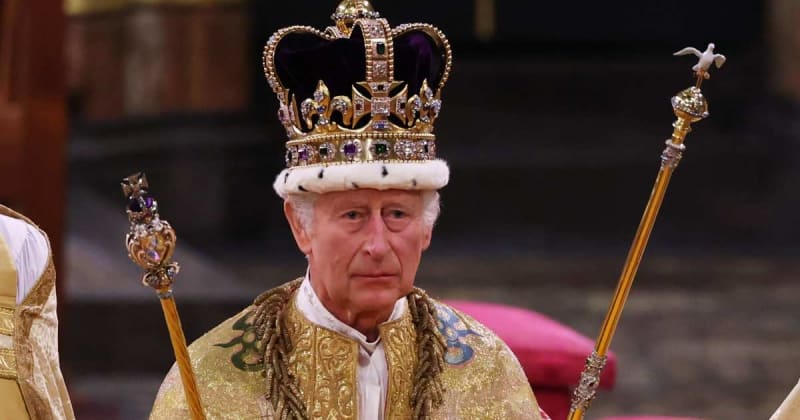
After a challenging start to the year, King Charles has finally received some good news, as the aircraft used for his first aviation training is set to take to the skies at Shuttleworth's Wings & Wheels Air Show on May 30. In 1969, the then-Prince of Wales learned to fly on the de Havilland Canada DHC-1 Chipmunk, the standard beginner aircraft used by the Royal Air Force. The occasion marks 80 years since the aircraft first entered service, making the upcoming event especially poignant for the King.
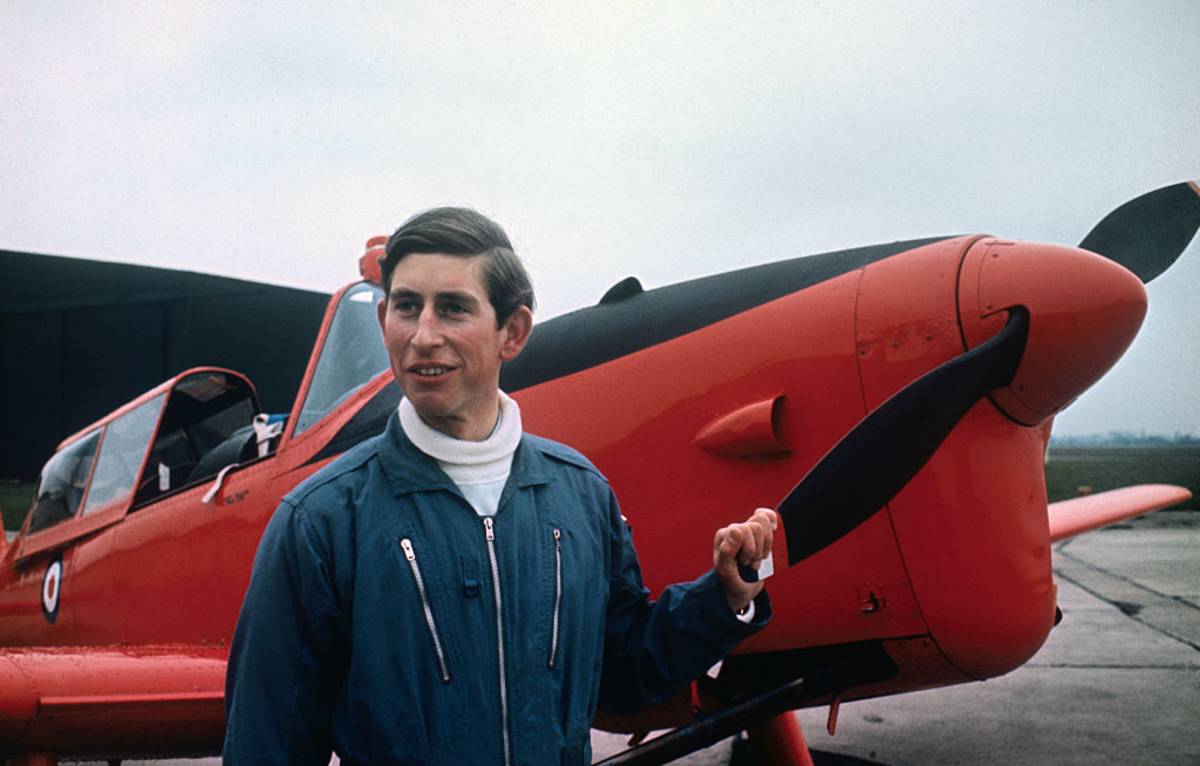
As reported by GB News, four other aircrafts, along with the Chipmunk, will be participating in Shuttleworth's tribute. The then 20-year-old Charles, who was a student at Cambridge, completed his maiden solo flight on January 14, 1969, securing his private license merely two months later. Seven months after that, the RAF recognized his achievements, awarding him the Preliminary Flying Badge on August 2, 1969. He continued his aviation training, culminating in the presentation of his RAF wings in August 1971. The Chipmunk plane marked the future King's starting point of military training before he moved on to more complex aircraft.
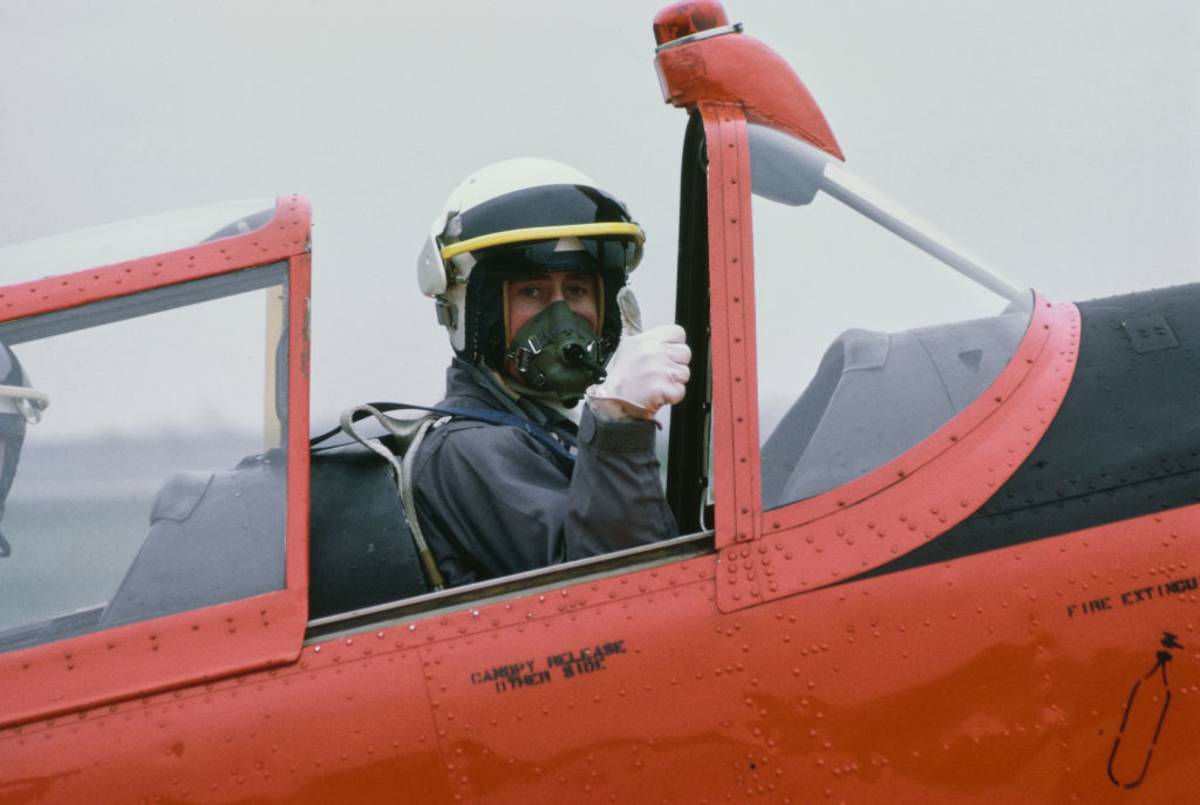
Interestingly, the Chipmunk aircraft's royal association extends far beyond Charles. The late Queen Elizabeth's cousins, including the Duke of Kent, aka Prince Edward, as well as Prince Michael, have also used the aircraft for flying lessons. Built in 1952, the trainer later became part of the RAF Queen's Flight, where it was used from September 20, 1960, to June 12, 1964. Since then, it has found its permanent home with the Henlow Chipmunk Group, who have kept it in excellent condition so it can still fly at displays and commemorative events. The upcoming formation display will highlight the Chipmunk's global service, with aircraft representing Canada, Portugal, the Royal Navy, and the Royal Air Force.
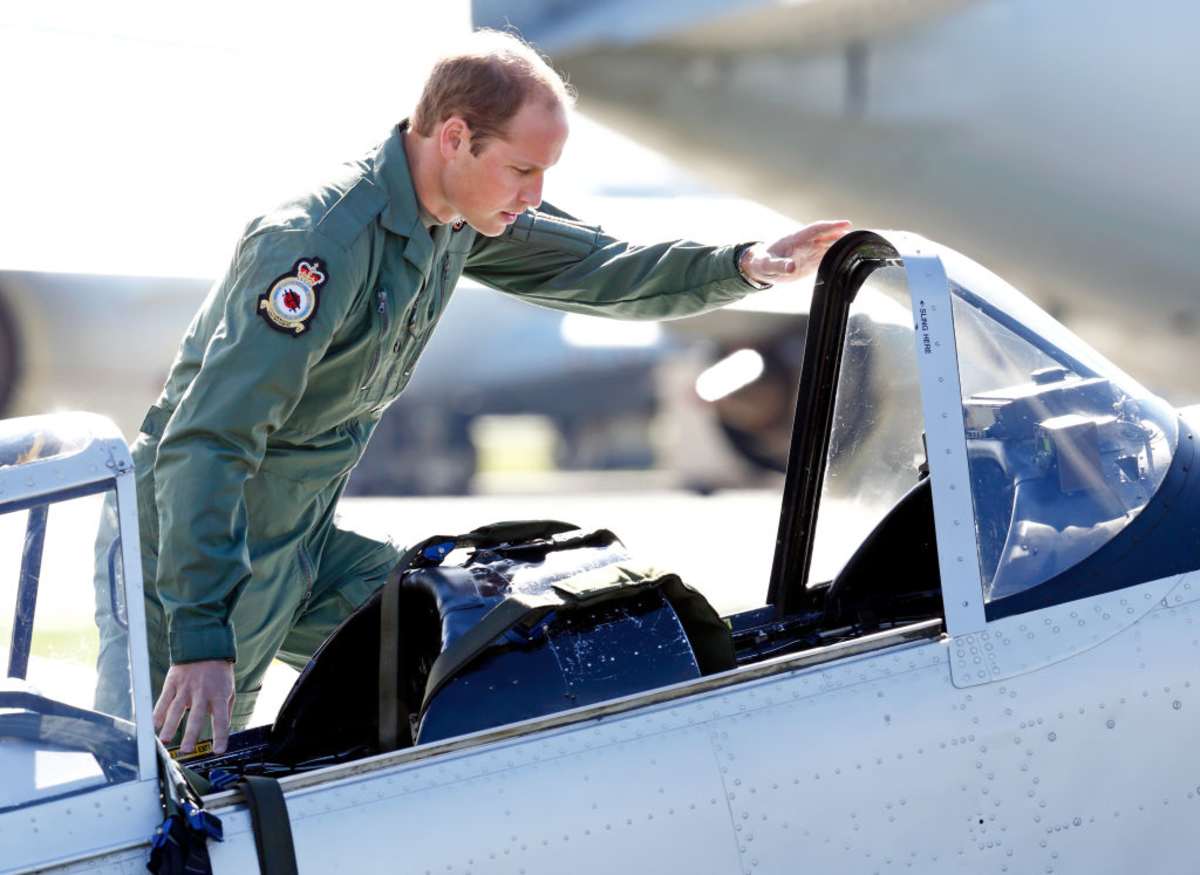
Unsurprisingly, just like his father, Prince William also received his initial training sessions on the same aircraft during his military training in 2006. The basic two-seat trainer's easy-to-learn controls and reliable handling make it ideal for learning basic flying skills such as takeoff, navigation, and landing. William's training sessions on the aircraft were responsible for him later qualifying as a helicopter pilot and serving in the RAF's Search and Rescue Force, building a respected flying career.
That being said, speaking about Shuttleworth's upcoming event, James Butt, the aviation coordinator, revealed, "We are pleased to include the Royal Chipmunk in our celebration of the Chipmunk's 80th anniversary at Wings & Wheels. It is an aircraft with a lot of character and has a notable place in British aviation history, thanks to its strong ties to the royal family." The Havilland Canada DHC-1 Chipmunk has been with the Shuttleworth Trust since 2001. Visitors can also anticipate a rare display featuring Europe's only airworthy pair of Grumman FM-2 Wildcats, along with Rich Goodwin's Jet Pitts S2SE, among the guest aircraft.