I Saw The King At Westminster Abbey This Week - Here is What Really Happened
EXCLUSIVE: His Majesty appeared at Westminster Abbey for a religious ceremony, but what was the significance and what actually happened when I attended?
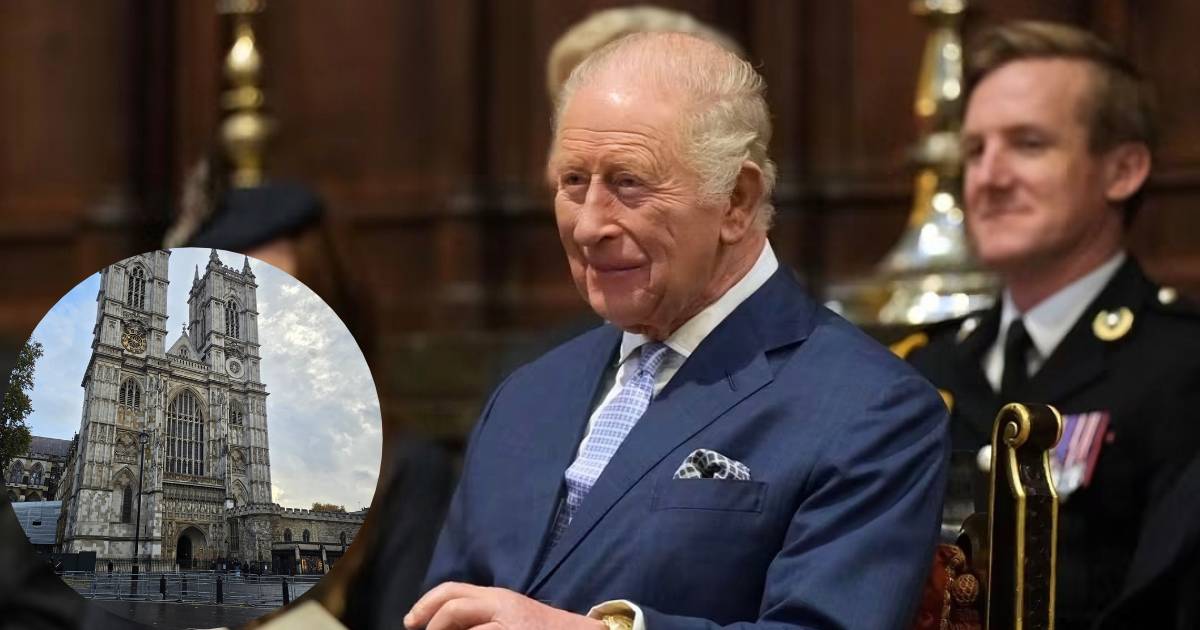


THIS WEEK, His Majesty King Charles III attended the Inauguration of the Church of England's Twelfth General Synod.
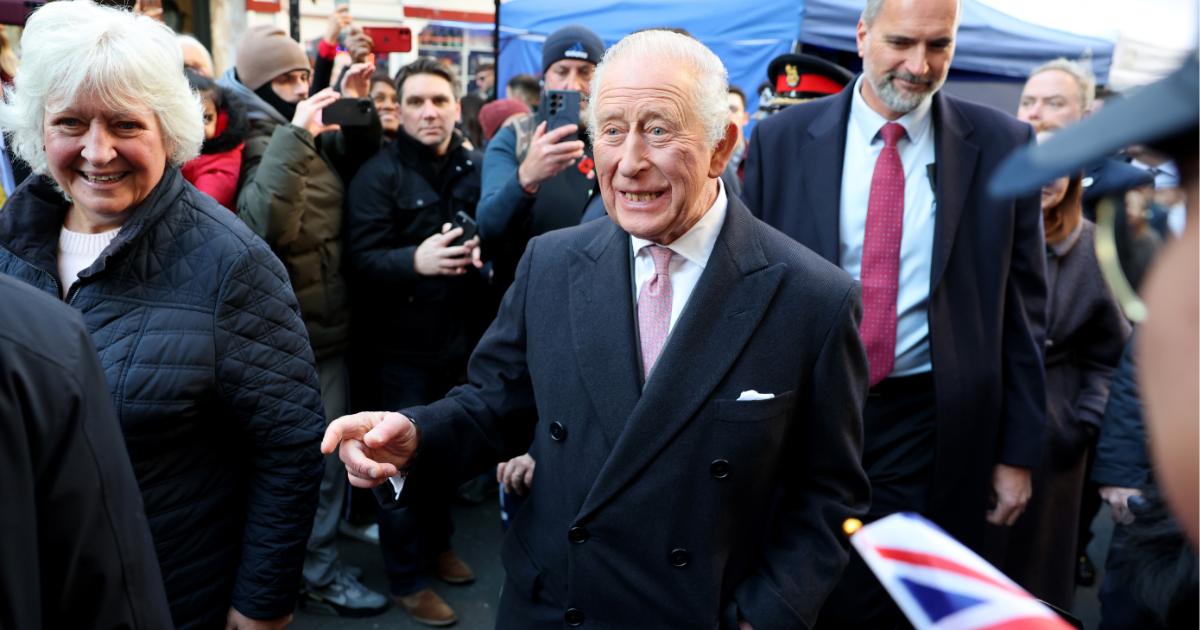
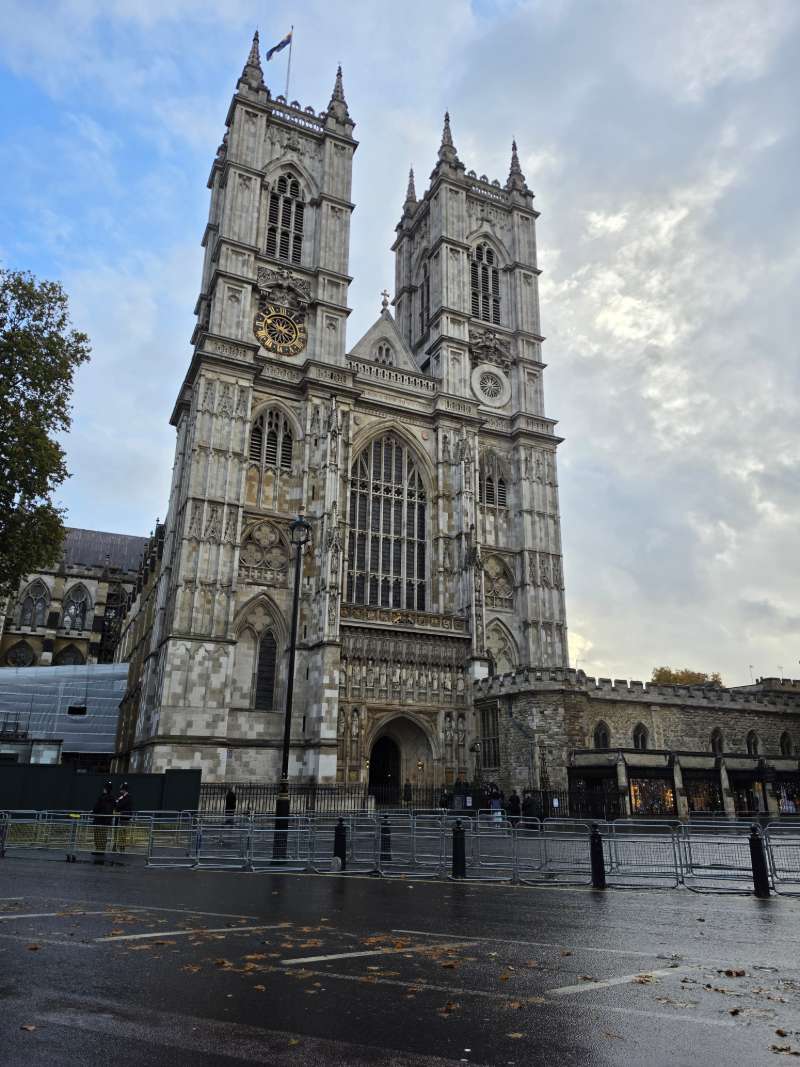
Despite the utterly miserable November weather, the rain did very little to discourage those hoping to catch a glimpse of the monarch.
I travelled into central London to cover the occasion for The Royal Observer, determined not to let the wet and dreary conditions prevent me from witnessing another important royal moment.
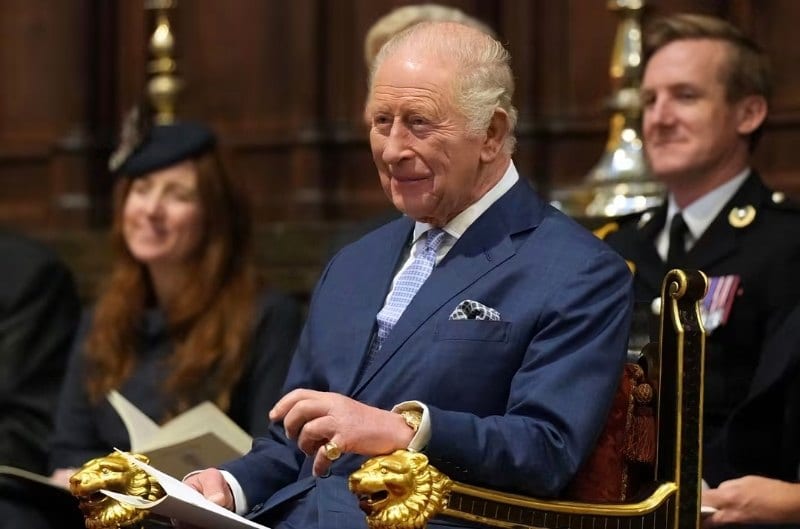
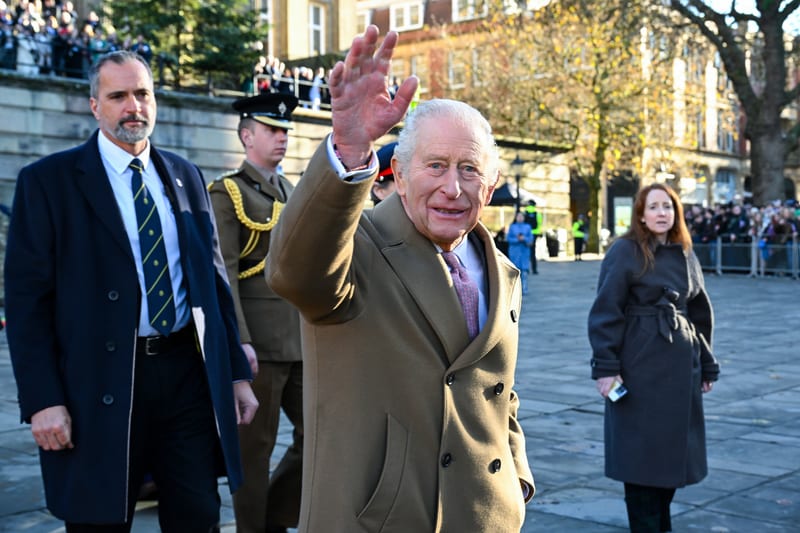
Outside of Westminster Abbey, the atmosphere in the heart of the UK capital was one of anticipation as people waited for the King's arrival. Although umbrellas and raincoats were certainly needed, the weather did surprisingly little to dampen the enthusiasm of those hoping to see His Majesty. I was secretly just hoping his aides had a umbrella this time in case he needed one - if you know, you know!
From where I was standing, it was clear that even an ordinary, rainy Tuesday in November could attract public interest when the King was carrying out his duties.
While major royal occasions such as Trooping the Colour and Remembrance Sunday often draw considerable attention, engagements like this one are equally important in understanding the responsibilities of the monarch.
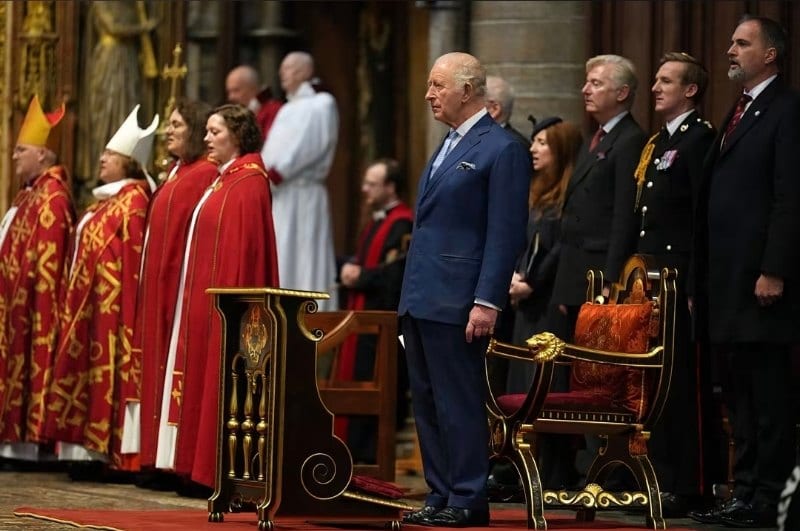
The King attended a Service of Holy Communion at Westminster Abbey to mark the beginning of the newly elected General Synod, the national assembly responsible for considering legislation, worship, doctrine and other matters affecting the Church of England.
The General Synod brings together bishops, clergy and lay representatives, providing a forum for discussion and decision-making on issues concerning the Church and its future. Its work includes considering Church legislation, debating important matters affecting congregations and helping shape the direction of the Church of England.
As it's leader, it was vital that King Charles attended.
The occasion was particularly significant because it marked the first General Synod inauguration of King Charles III's reign. His late mother, Queen Elizabeth II, maintained a longstanding relationship with the Church throughout her 70-year reign, attending General Synod inaugurations and delivering addresses on the Church's responsibilities within society.
Its another moment proving the King's commitment to his Christian Faith, despite the earlier backlash the King recieved, earlier this year, after he added commitment to "other faiths" onto his duties as Monarch in the updated Soverign Grant 2025/2026.
This engagement is just further proof that the King remains completely committed to his faith whilst promoting interfaith dialogue. His mission and core values suggest that those two things are never exclusive.
As Supreme Governor of the Church of England, King Charles holds an important constitutional and ceremonial position, reflecting the historic relationship between the monarchy and the established Church.
Although the Archbishop of Canterbury is the Church's most senior bishop, the monarch's role remains an important part within its own constitutional framework. The King's attendance therefore represented more than another engagement in the royal diary. It was an opportunity to reaffirm the relationship between the Crown and the Church of England while continuing a tradition associated with previous monarchs.
Following the service at Westminster Abbey, His Majesty travelled to Church House in Westminster, where he formally inaugurated the Twelfth General Synod and delivered an address to its members.
The inauguration marked the beginning of a new five-year period for the Synod, during which representatives will consider issues affecting the Church, its congregations and its role within communities across England. The monarch's constitutional responsibilities extend beyond state ceremonies and diplomatic visits, and his relationship with the Church of England remains one of the distinctive features of the British monarchy.
For King Charles, who has frequently spoken about the importance of faith, service and community, the occasion also reflected an aspect of his reign that can sometimes receive less attention than his environmental work, soft diplomatic role or any overseas engagement.
For me, standing outside Westminster Abbey offered another opportunity to witness those responsibilities being carried out in person. One of the things I particularly enjoy is being able to capture these engagements and ponder on their significance.
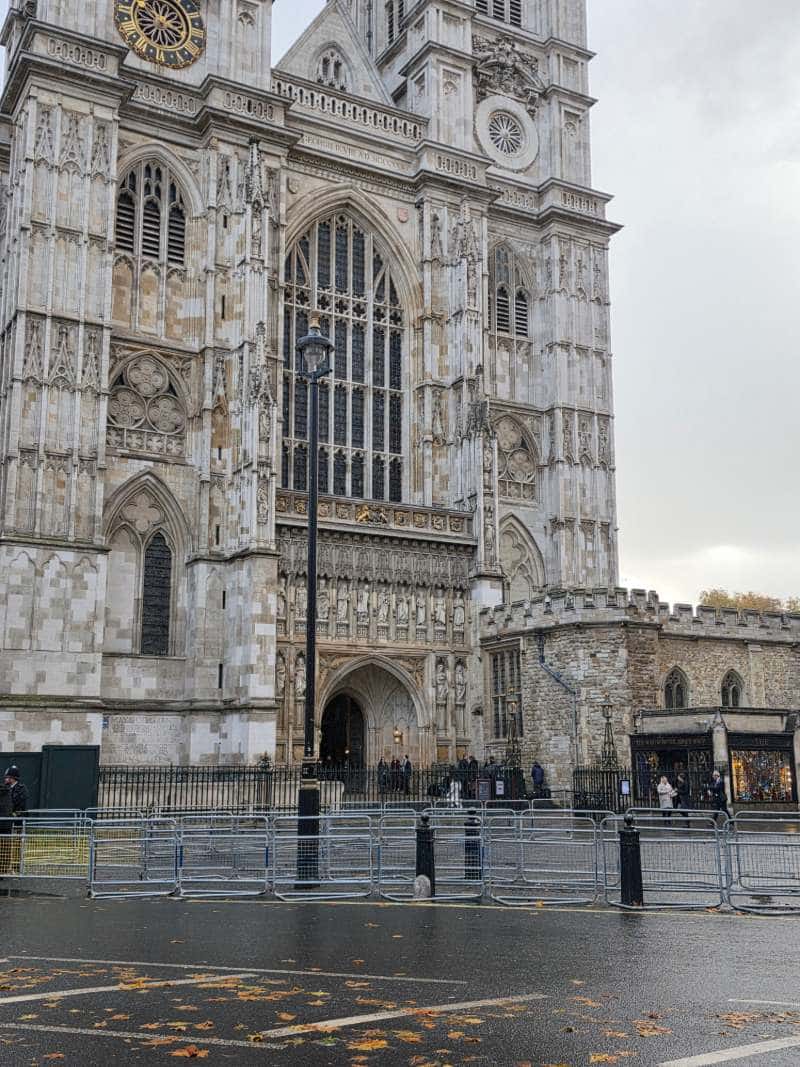
While standing outside in the November rain is not necessarily the most glamorous part of royal reporting, it is very much part of the experience.
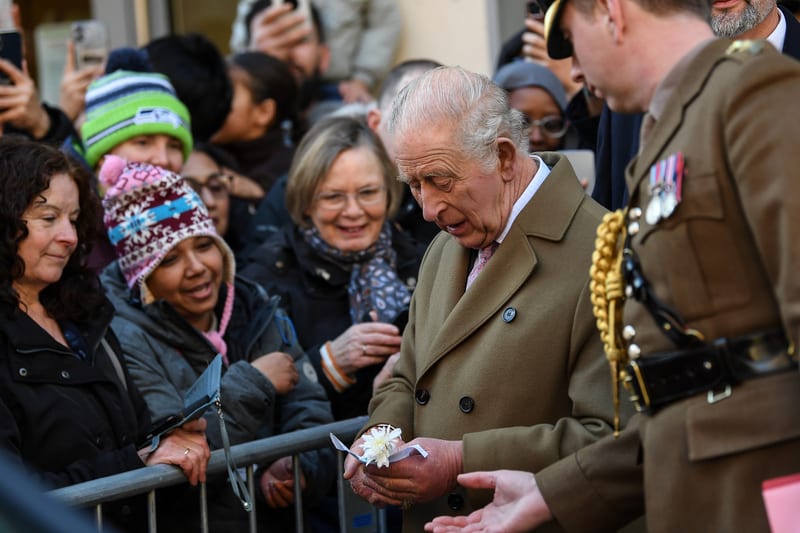
One might expect poor weather to discourage people from waiting outside, particularly for an engagement that was not a major national celebration, but I was pleasantly surprised by the continued interest from those gathered around the Abbey.
Even when the conditions are far from ideal, there's something special when people go to such lengths to catch even a glimpse of the King.
As one of Britain's most historic religious buildings, Westminster Abbey itself also provided an impressive setting for the occasion. It's hosted coronations, royal weddings, state funerals and other significant national ceremonies for centuries. It was here that King Charles and Queen Camilla were crowned in May 2023, making his return for the General Synod inauguration another occasion linking the monarchy with the Church's history. Over a decade ago, this was the place where Prince William and Princess Catherine also tied the knot in 2011.
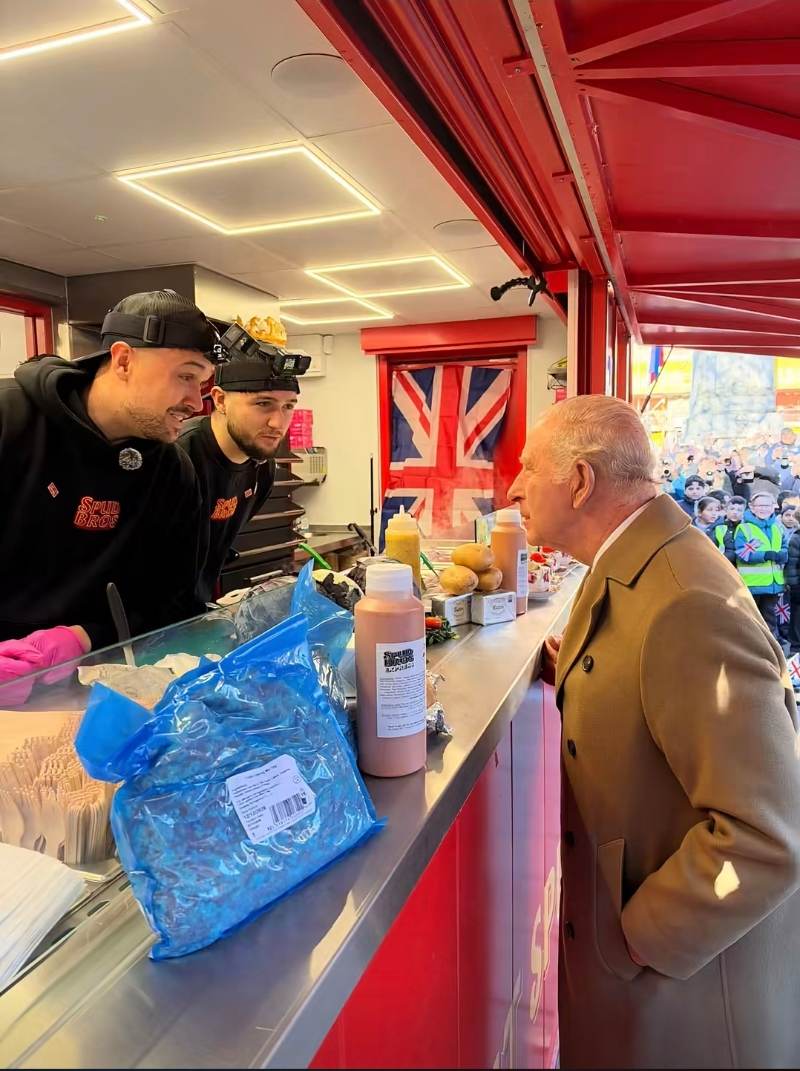
Of course, this engagement was very different from the grandeur of a Coronation or the splendour of a wedding. There were no enormous crowds lining the streets for a national celebration, but the occasion carried its own constitutional and religious importance.
And perhaps that is why these smaller royal engagements also deserve recognition and a place in the spotlight. They provide an opportunity to understand the everyday responsibilities of the King beyond the more widely publicised moments of royal life.