Expert Says Andrew May Portray Himself as Victim in Memoir: ‘No Limit to His Delusions’
Royal expert Andrew Lownie warns that casting himself as a victim could be reputationally fatal.
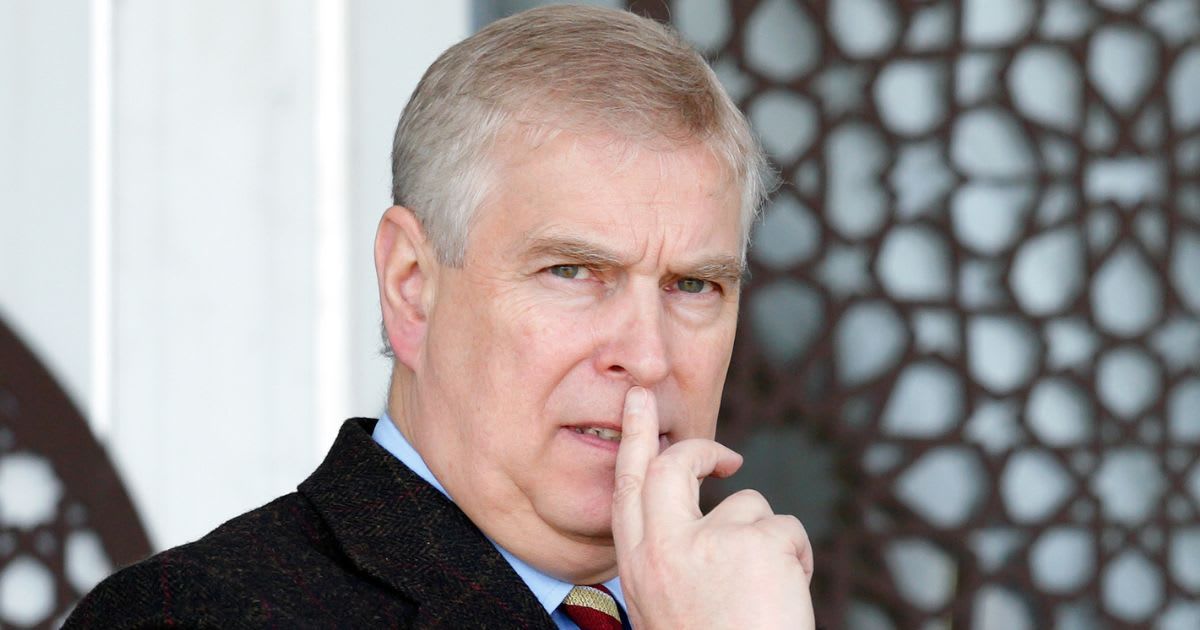


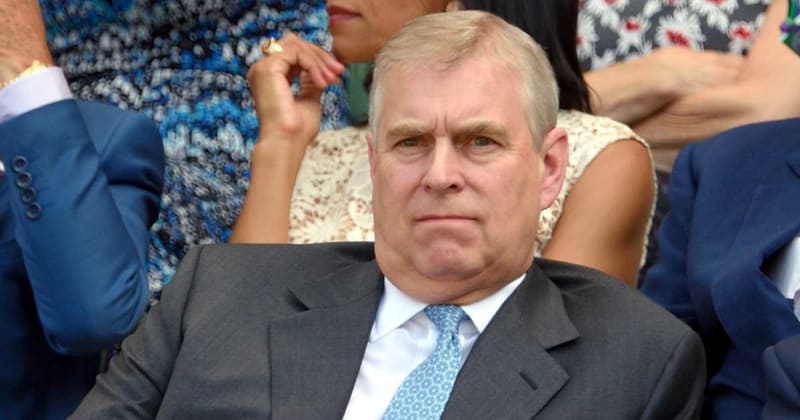
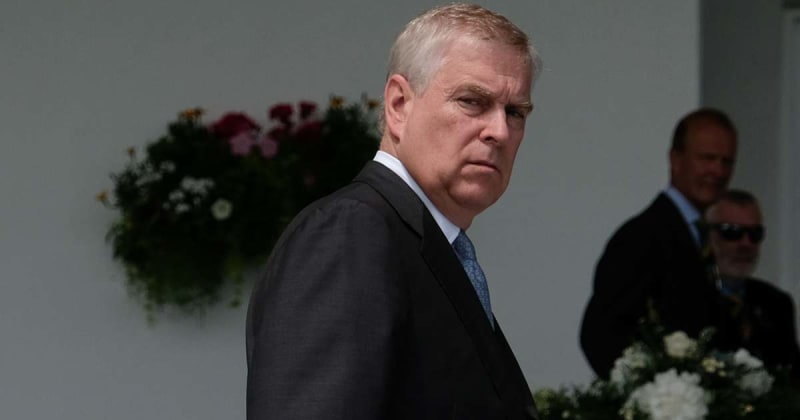
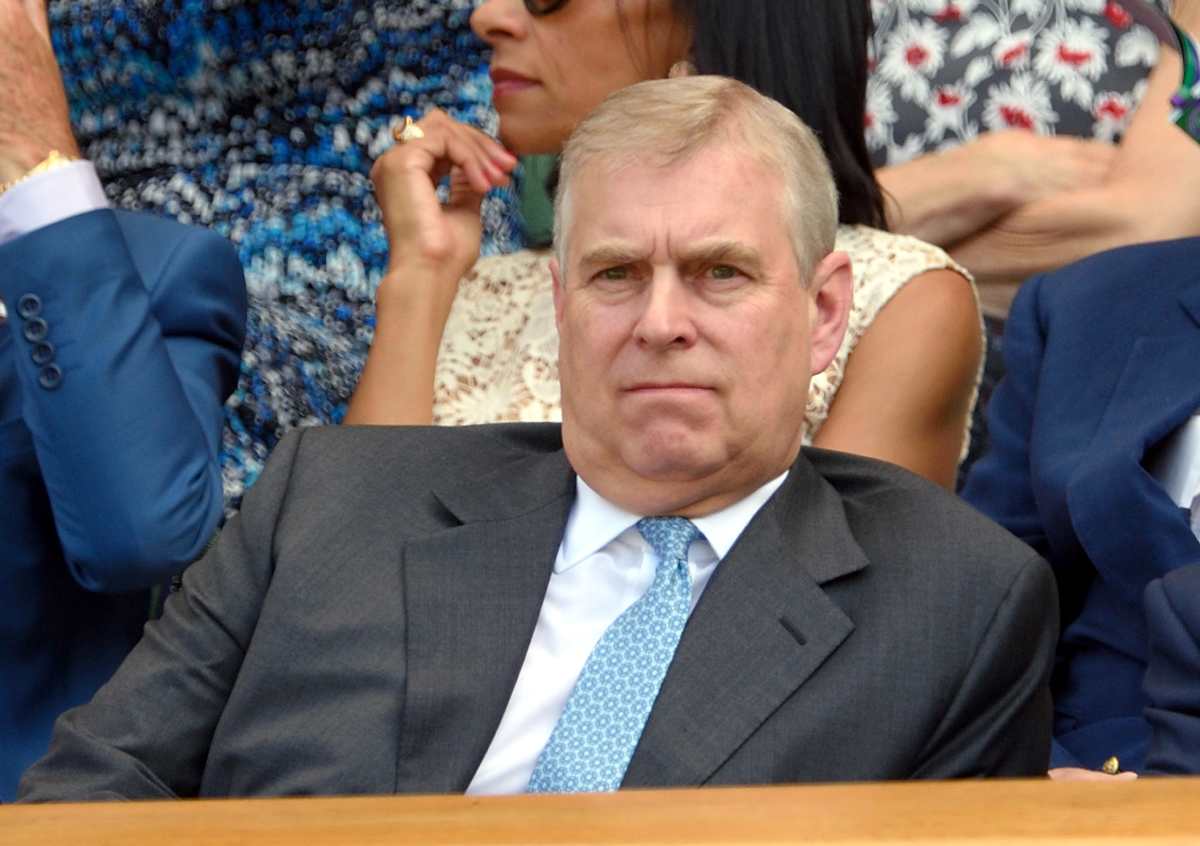
The disgraced Duke of York has spent years in silence, watching his public standing collapse under the weight of scandal, suspicion, and his own misjudgments, as seen in the 2019 Newsnight Interview, where he appeared as if he was not in touch with reality. Now, reports suggest Andrew Mountbatten-Windsor may be considering breaking that silence in the most provocative way possible: by telling his story on his own terms, and following in the footsteps of Prince Harry. The problem, royal historian Andrew Lownie argues, is not just that such a move would be ill-advised. It would not be very kind. Lownie further called the former prince delusional, stating, "As I learnt researching and writing Entitled, there is almost no limit to Andrew’s delusions about his status and reputation."

According to reports, Mountbatten-Windsor is said to be weighing a memoir that would frame him as a casualty of “wokeness” and the #MeToo movement. AOL quotes a palace aide who claims, “At its core, this is a financial problem for Andrew… His liabilities are mounting, legal costs have not eased, and there is little willingness within the family to step in.” The suggestion is that a book deal could offer both money and a chance at reputation repair.
Lownie, however, is unconvinced. Taking to his Substack, he wrote, “I find it hard to believe that Andrew has any money troubles.” He believes the financial distress narrative is a familiar royal tactic rather than a reflection of what is actually happening. Lownie, referring to what he wrote in his earlier book, ‘Traitor King’, said about King Edward, who abdicated the throne. He said that Edward VIII once pleaded poverty to secure a larger allowance, despite having vast personal wealth tucked away. The parallel, he suggests, is hard to ignore.
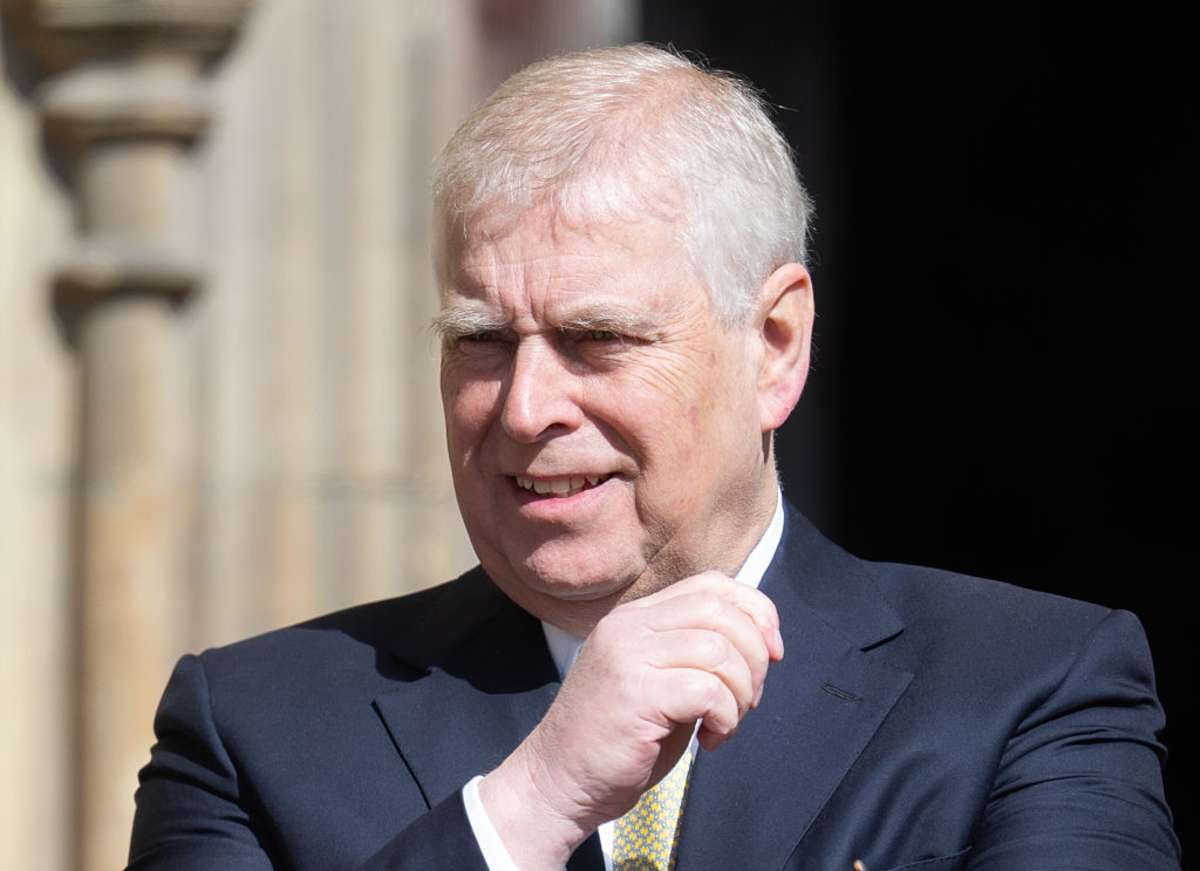
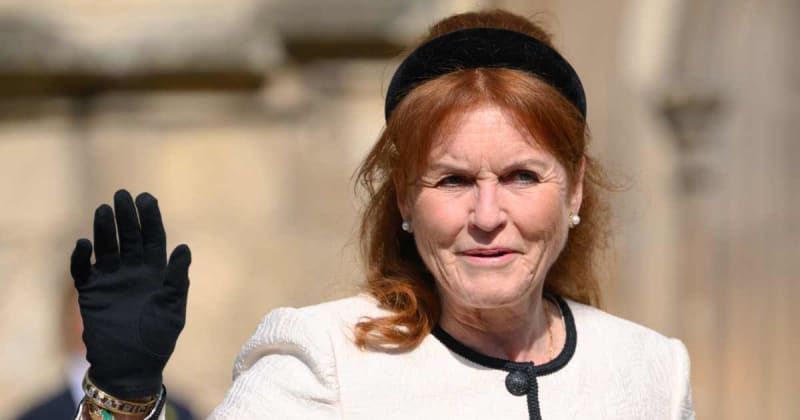
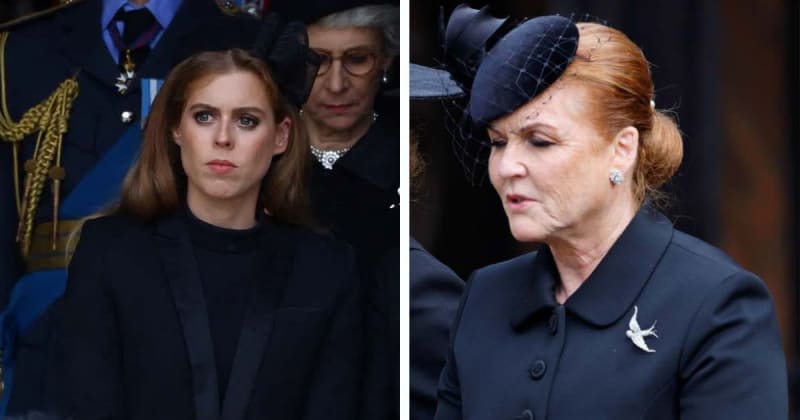
Questions also linger over Sarah Ferguson’s finances, particularly the £4 million ($5.3 million) raised from the sale of her Belgravia mews house. “Few would feel the cold hand of poverty with such a sum,” Lownie observes, adding that claims of penury from the former duchess are likely exaggerated.
Ferguson, after all, has already published two memoirs, most recently in 2011. Lownie struggles to see what new ground she could cover, noting that the most significant development in her life since then was “a well-established friendship and financial links to the most notorious s-- offender of the 21st century.” It is not exactly the stuff of redemption arcs.
What makes Mountbatten-Windsor’s alleged plans especially troubling, Lownie argues, is the attempt to cast himself as a victim of #MeToo — a narrative that echoes defenses once used by Jeffrey Epstein’s inner circle. In Michael Wolff’s The Last Days of Jeffrey Epstein, friends, including Steve Bannon, are described as believing Epstein was unfairly targeted, dismissing his crimes as the excesses of a “playboy.” Even Peter Mandelson has since admitted he regrets believing Epstein’s explanations over his 2008 conviction for procuring a minor.
Against that backdrop, Andrew’s apparent desire to reframe events looks less like reflection and more like denial. One source quoted claims, “Andrew feels deeply wronged by how events have unfolded… He is fully convinced that public opinion would soften if his version of the story were fully aired.” A memoir that paints Mountbatten-Windsor as a wronged man would not just strain credibility, Lownie argues, it would be “incredibly offensive to the actual victims of Jeffrey Epstein.” That offence is sharpened by the former Duke's continued refusal to cooperate with US authorities or Congress.