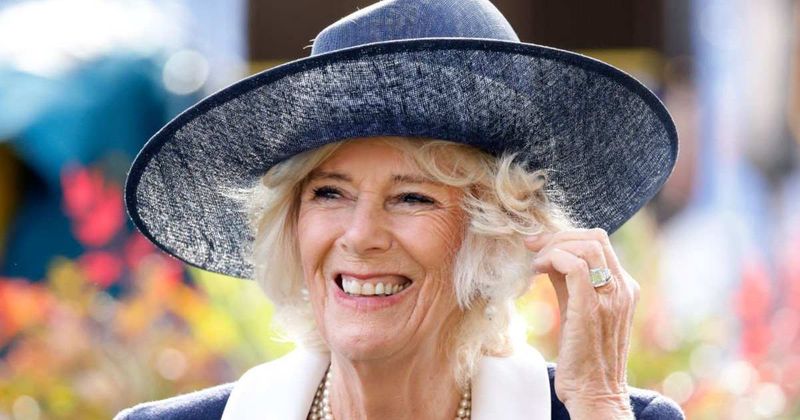
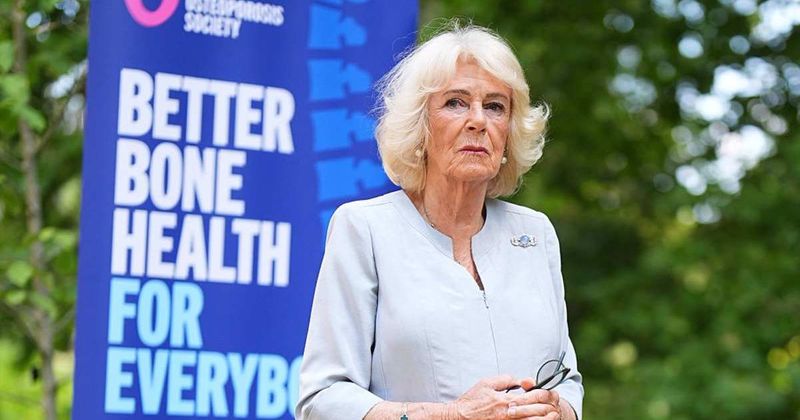
Camilla's Brooch During Latest Outing Was No 'Accident' But a 'Deliberate' Message Amid Andrew Saga
Amid Andrew's fallout, Queen Camilla embraced the 'never complain, never explain' mantra as she attended church on February 1.
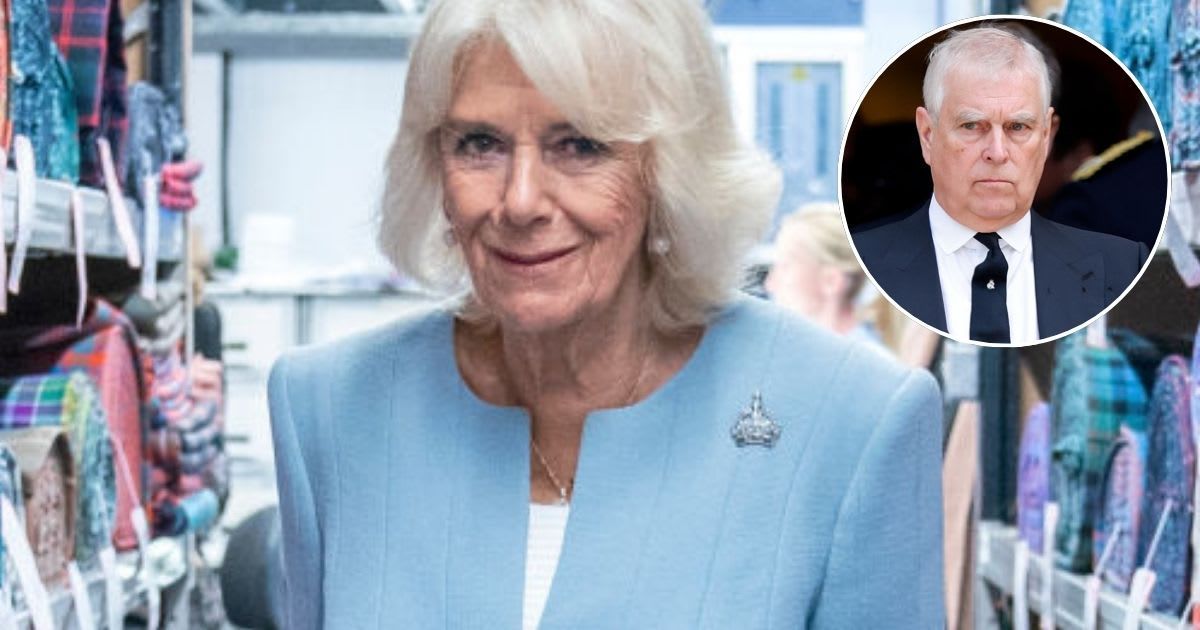


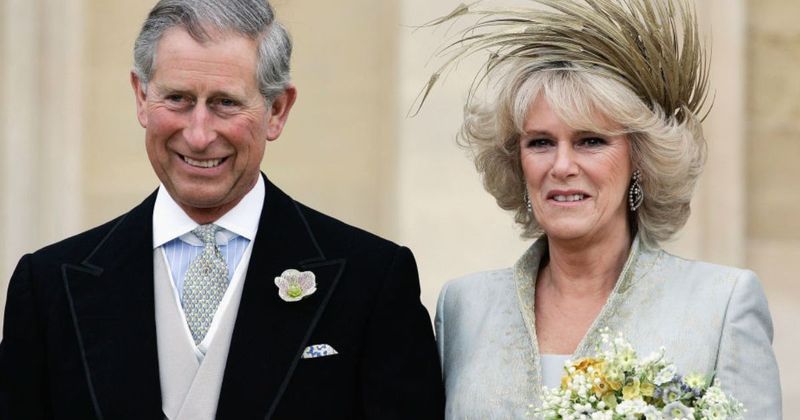
After a fresh batch of the Epstein files was released on January 30, the royal family once again found themselves in the spotlight. As expected, newly surfaced emails and photos cast Andrew Mountbatten-Windsor in an unflattering light. Amid the fallout, King Charles and Queen Camilla embraced the royal family's mantra of 'never complain, never explain' as they attended church on February 1. Analyzing their appearance, jewelry expert Justin Daughters believes that Camilla's brooch carried a deliberate message, symbolizing duty to the Crown.
King Charles III and Queen Camilla attend a morning church service at St Mary Magdalene church on the Sandringham Estate pic.twitter.com/OCz3GJbiXs
— Joe Giddens (@jjgiddens) February 1, 2026
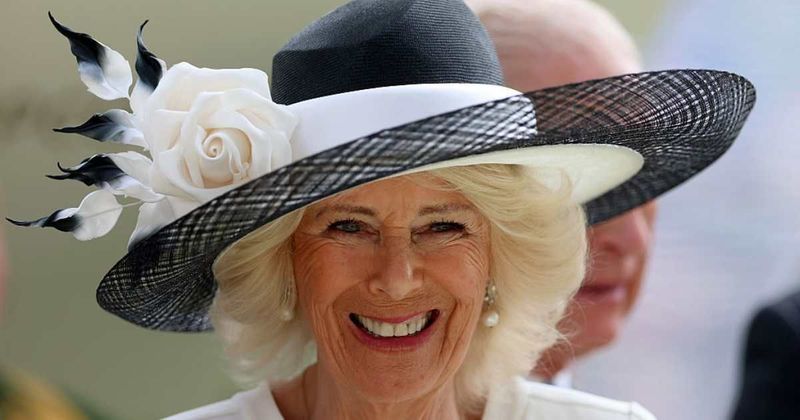
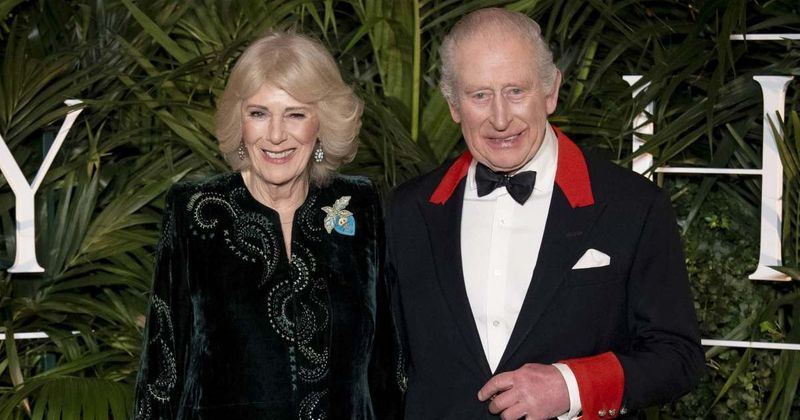
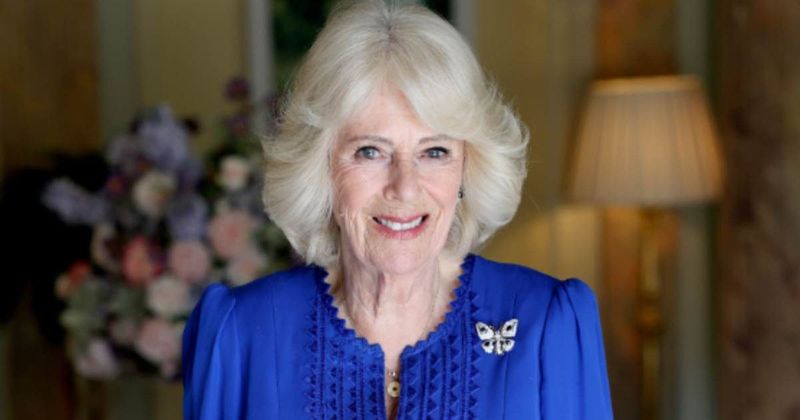
The King and Queen kept their heads high as they attended the Sunday service at St. Mary Magdalene's Church. While Camilla's Anna Valentine coat and faux fur-trimmed hat were fashionable, it was her sparkling diamond brooch that commanded attention. Commenting on her well-timed decision to wear the piece, Daughters told Marie Claire, "When Queen Camilla chose to wear this brooch, the message was quiet but deliberate…They are never decorative accidents — they are signals." He added, "Unlike necklaces or earrings, brooches don't frame beauty. They frame intention. Positioned close to the heart, they carry symbolic weight — loyalty, remembrance, duty."
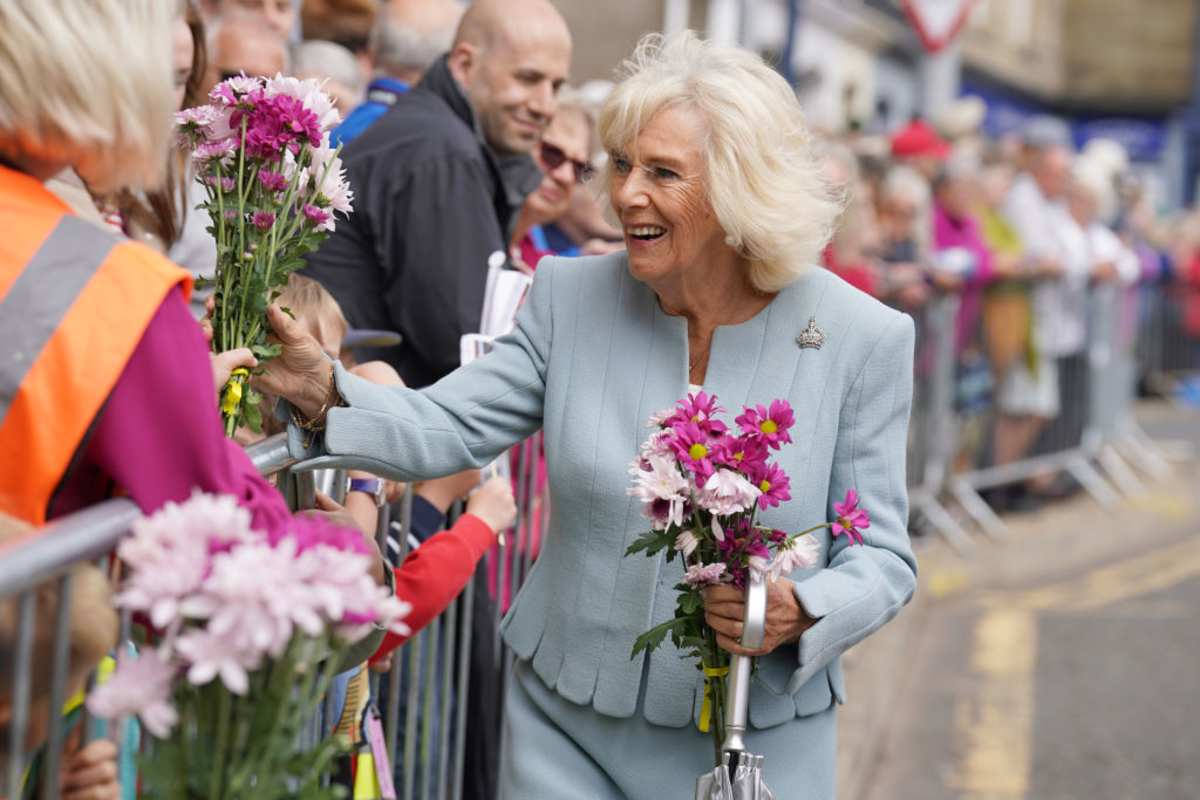
The brooch, shaped like a Tudor crown, has diamonds, with a small emerald, ruby, and sapphire along its base. While the story behind it remains a mystery, it is widely believed to be a gift from Charles ahead of their 2023 coronation. Camilla had first debuted it during a 2023 visit to Scotland as part of the first Holyrood Week. Analyzing its significance amidst Mountbatten-Windsor's fallout, Daughters explained, "In moments like this, jewelry isn't about embellishment — it's about authority without excess. This is jewelry that asks to be noticed second, not first. It doesn't interrupt the moment. It supports it. That restraint is a very deliberate royal instinct."
According to Tatler, the brooch crown's design carries particular weight, as it represents the Tudor heraldic crown, a symbol used in both the King's and Queen's royal cyphers, as well as their shared monogram. Also known as Henry VIII's crown, it is a historic emblem of monarchy, the original version of which was destroyed during the English Civil War in 1649. In modern royal symbolism, it has replaced St. Edward's Crown in Queen Elizabeth's coat of arms, reinforcing its association with authority and continuity.
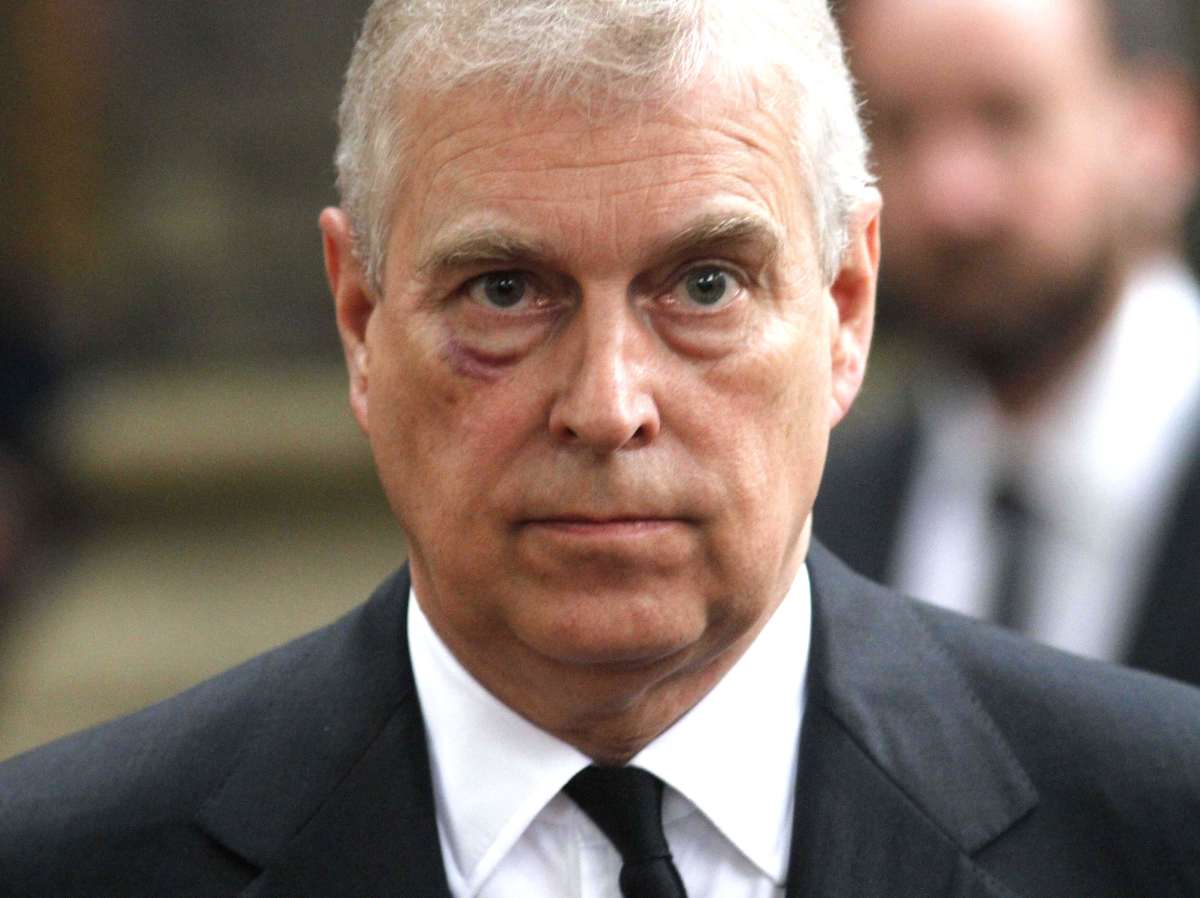
As for Mountbatten-Windsor, the new batch of files released by the US Department of Justice paints him in a horrific light. An email, dated September 27, 2010, showed the former Duke of York inviting the disgraced financier to Buckingham Palace. He said, "I am just departing Scotland, should be down by 1800. I'll ring you when I get down if you can give me a number to ring. Alternatively, we could have dinner at Buckingham Palace and have lots of privacy. A." The scathing correspondence came two years after Epstein was convicted of indecent relations with a minor.