Ailing Charles Gets Candid About the Legacy He Wants to Leave Behind: 'I’d Fall Into Despair'
The King revisits decades of environmental advocacy in a revealing new film, narrated by Kate Winslet.
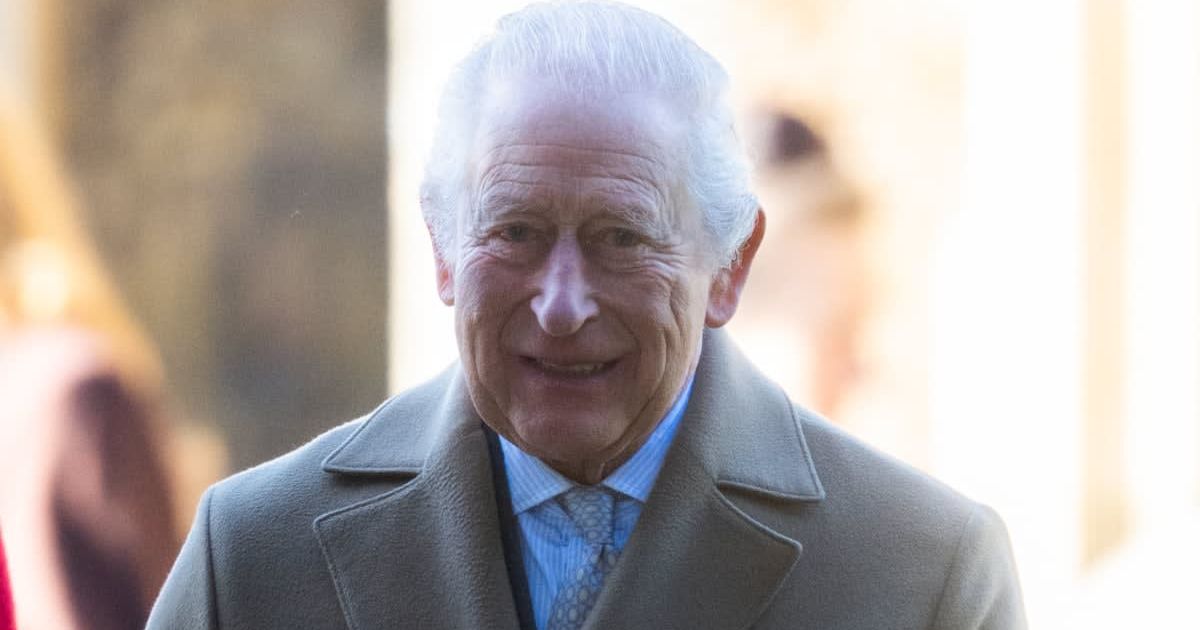


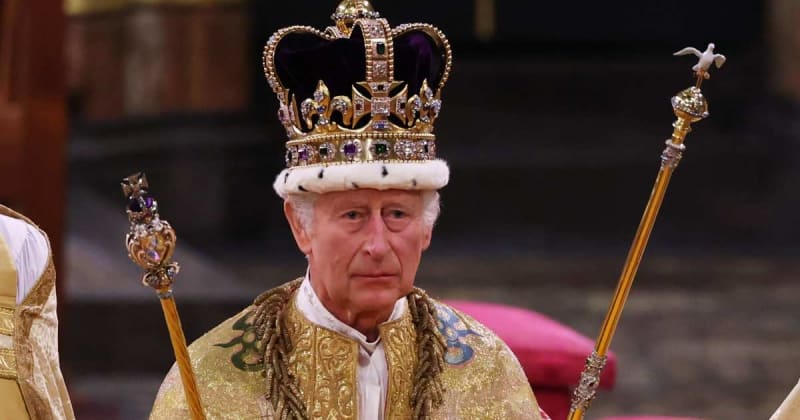
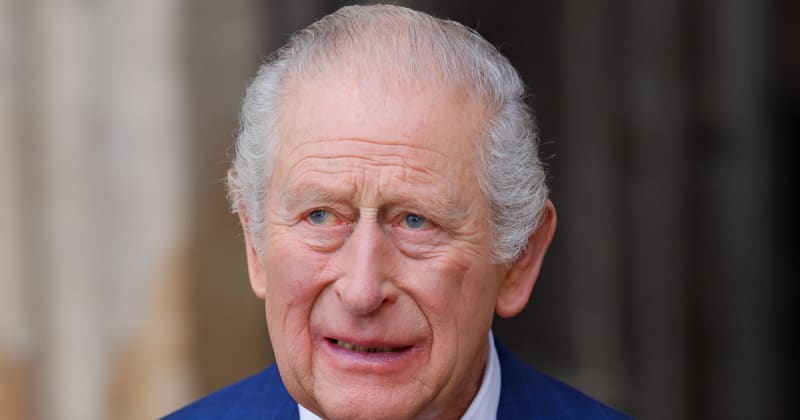
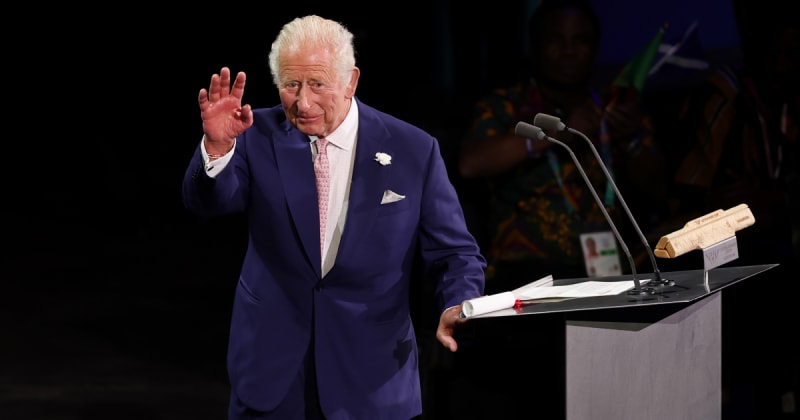
King Charles has spoken openly about the legacy he hopes to leave behind in a new documentary, reflecting on his lifelong commitment to nature and environmental harmony. In Finding Harmony: A King’s Vision, the monarch looks back on decades of advocacy and shares why protecting the natural world remains his central mission.
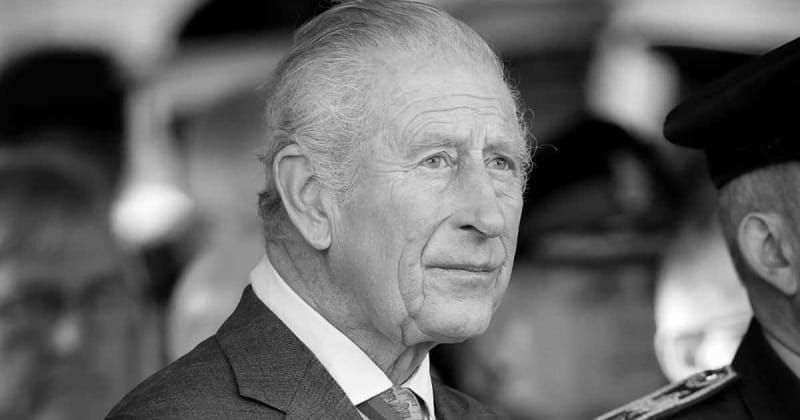
The King, now 77, in the 90-minute Prime Video documentary, speaks openly about time, responsibility, and regret, and about why environmental harmony has remained his lifelong cause. “By the time I shuffle off this mortal coil, there might be a little more awareness of the need to bring things back together again,” he says, in one of the film’s most personal moments.
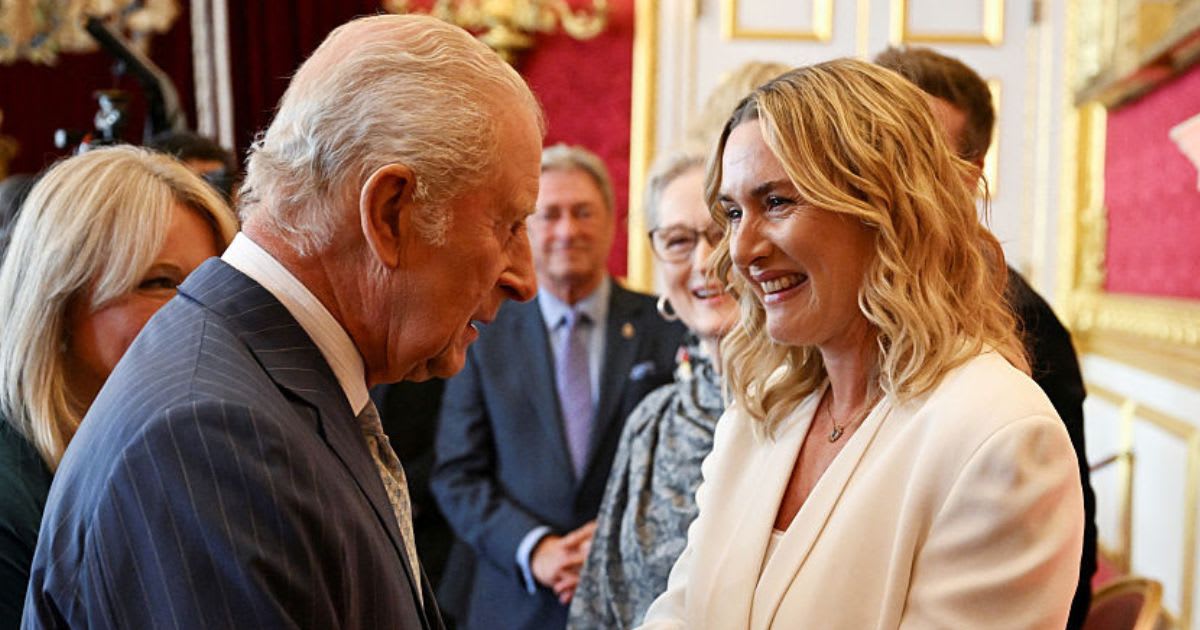
Narrated by Kate Winslet, the documentary traces Charles’s philosophy of working with nature rather than against it — an idea he admits was once dismissed as eccentric. “The underlying principles behind what I call harmony, I think, we need to follow if we are going to somehow ensure that this poor old planet can support so many,” he says. “It’s unlikely there is anywhere else.” He added, “We are nature ourselves, we are a part of it, not apart from it.”
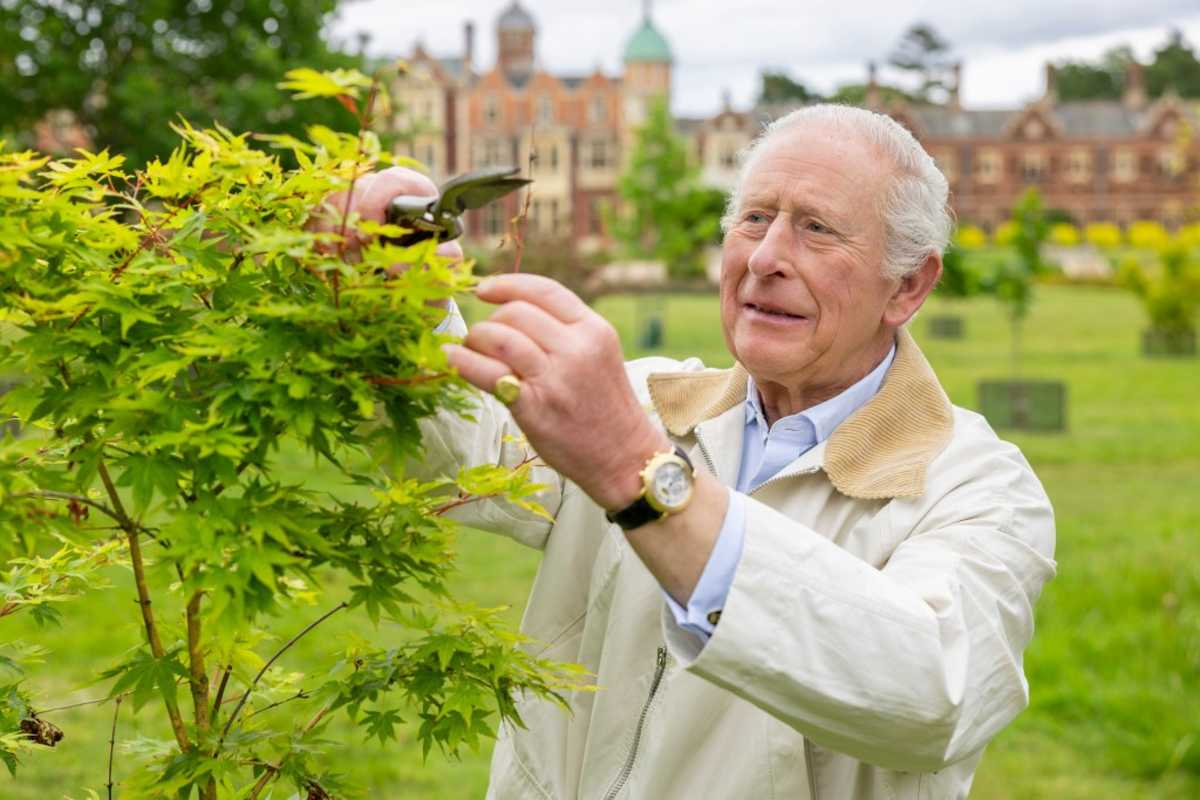
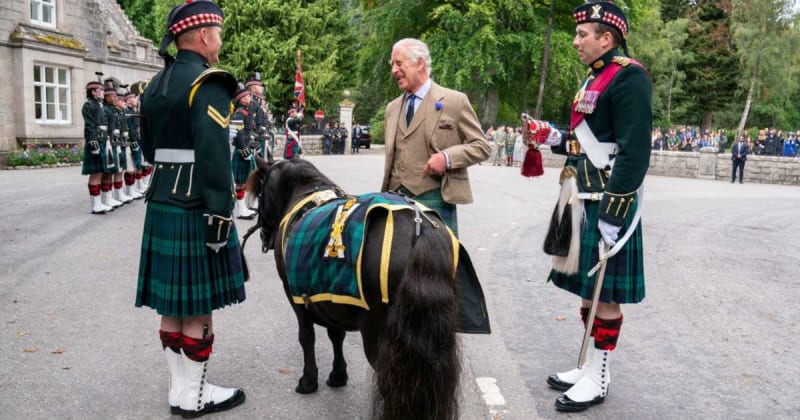
That belief was not always fashionable. In the 1980s, Charles was widely mocked after admitting he spoke to his plants because 'they respond.' Looking back, he acknowledges the ridicule. “All this sort of thing was considered completely bonkers to say the least.” The film, which airs in February, features intimate home footage of Charles as a child — running through gardens with Queen Elizabeth and her corgis, playing on beaches with Princess Anne, leading ponies through fields, fishing with Prince Philip, and later sharing outdoor moments with young Princes William and Prince Harry. Nature, it suggests, was never an interest he acquired; it was always there.
“I’ve always loved the countryside,” the King says. “I’ve always adored being outside, and as I got older I took more and more of an interest… for me it’s an essential part of life to have that connection with the world outside.” That connection, he reveals, is not just emotional but essential to his well-being. His gardens, animals, and the insects that thrive there, he says, help sustain his mental health. In particular, he admits he has a soft spot for birds. “There is something irresistible about a swift swooping and that incredible cry they make, the speed they go at. For me, swallows, swifts and housemartins are absolutely critical, if they didn’t come back each year I’d literally fall into despair.”
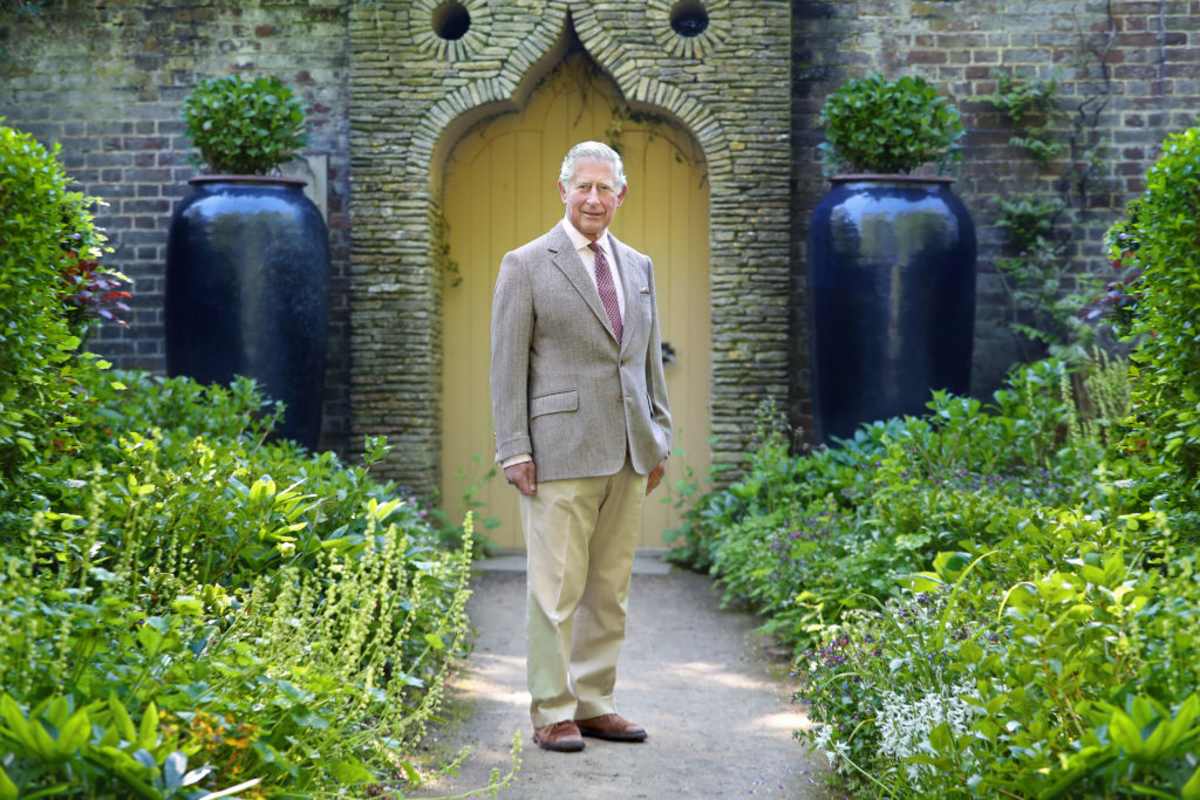
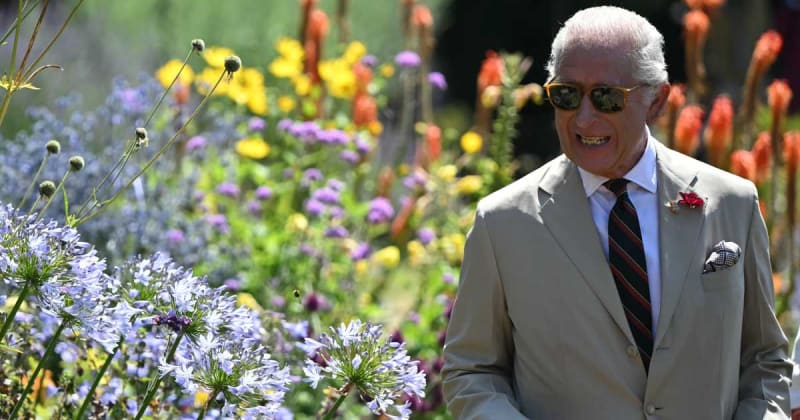
The film also explores his work at Highgrove, where he is seen feeding chickens — housed, amusingly, in a coop named Cluckingham Palace — and walking among trees he planted decades ago. “The beeches I planted right at the beginning… It’s unbelievable how much they’ve grown,” he says. “I thought I’d never live to see… the fact that I have is praise be to the Lord frankly.”
Hidden among those trees is The Sanctuary, a small building Charles commissioned to mark the millennium. Built using earth and straw from Highgrove, he said, “I built it to mark the millennium, but it’s all built with earth and straw from here.” Asked if it’s where he finds harmony, he replies, “A little bit, I hope, and ask for more of it really, for everybody else.”