Insider Claims Royal Family Isn’t Ready to ‘Hand Over’ Andrew to Police — But Not William
Insiders describe a growing divide within the royal family over shielding the former Duke of York from scrutiny as William pushes for accountability.
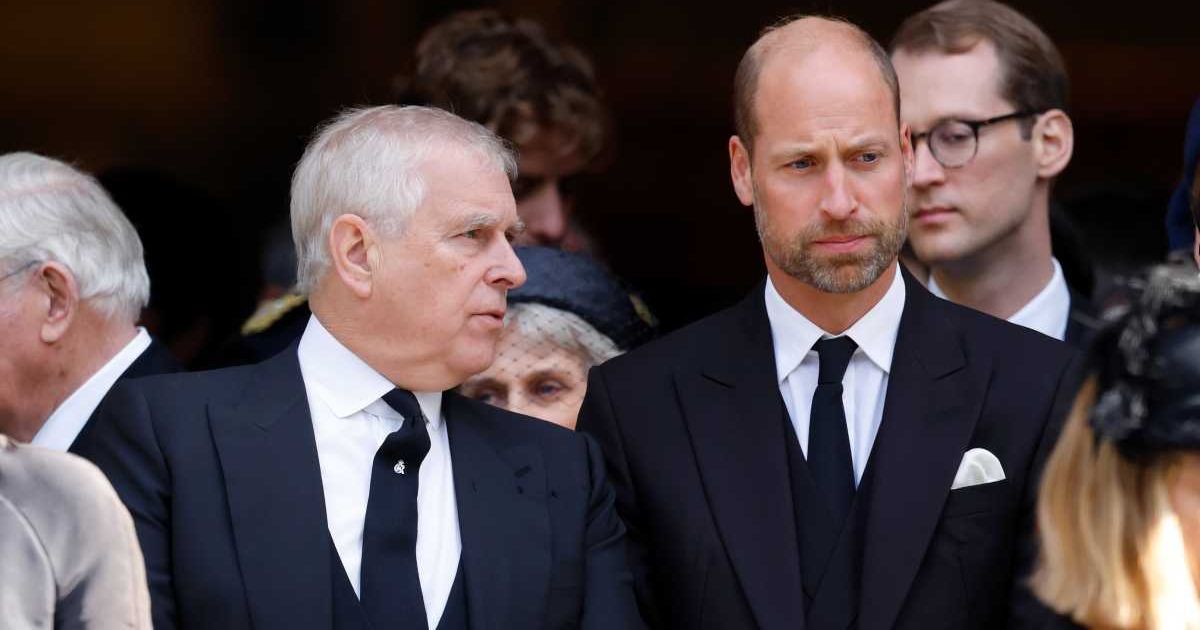


Andrew Mountbatten-Windsor, for sure, is not a working royal; he has been stripped of his princely titles, patronages, and public relevance, but he has not been cast adrift. Far from being left to face the consequences suggested by the latest Jeffrey Epstein files, the former Duke of York, and current disgraced royal, continues to benefit from something more enduring than rank, that is, institutional protection.
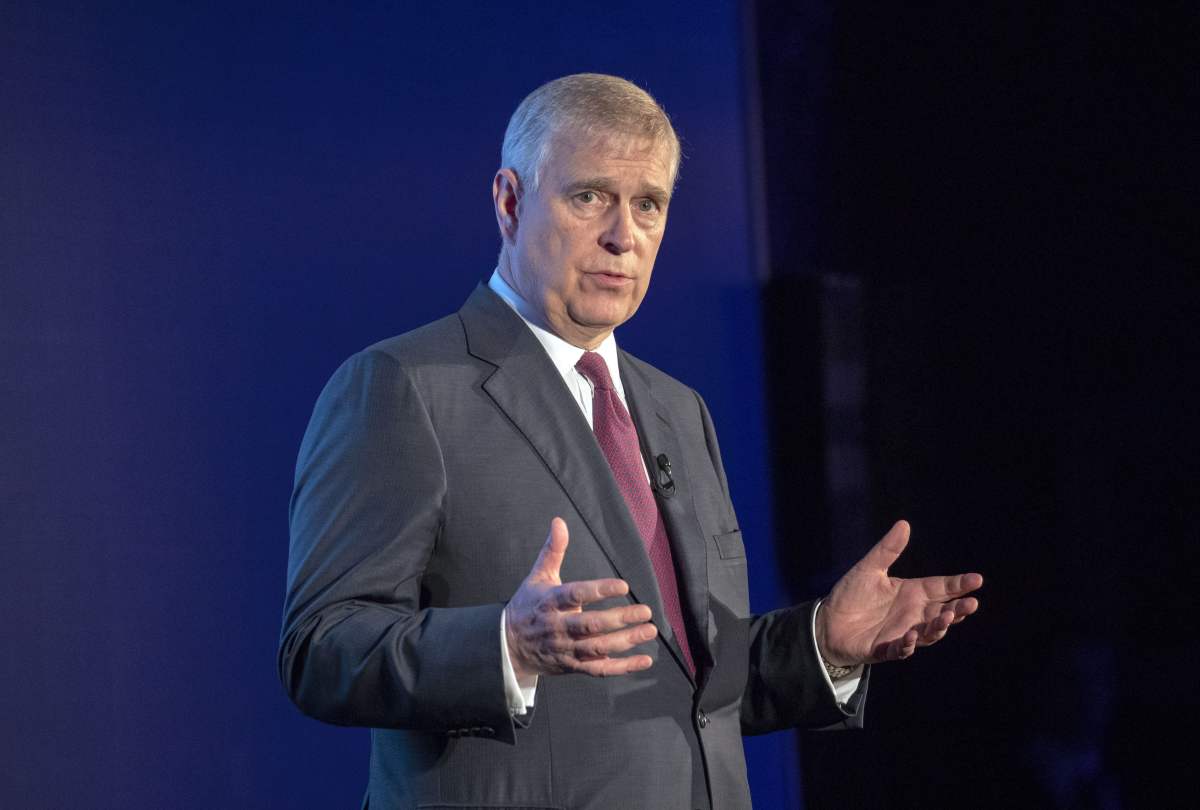
Sources familiar with internal palace discussions say the British Royal Family is still unwilling to allow Mountbatten-Windsor to be exposed to formal police scrutiny. Despite the steady erosion of his public standing, the instinct within royal walls, insiders suggest, remains one of defence, when in fact, it should be detachment. “They’re still circling the wagons,” one insider revealed to Rob Shuter. “No one wants Andrew questioned. The instinct is still to protect. The British Royal Family is not prepared to hand over Prince Andrew to police scrutiny—and behind the palace walls, protection remains firmly in place."
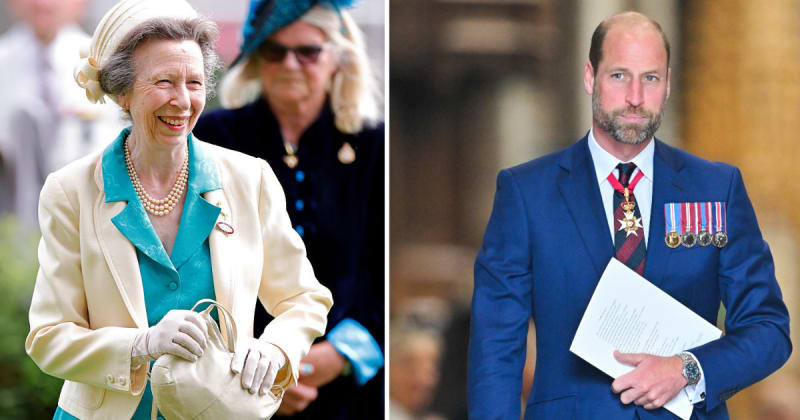
Shuter took to his Substack, describing the protection not as overt intervention but as quiet resistance, a desperate effort to keep matters contained, internal, and beyond the reach of external authorities. For those involved, Mountbatten-Windsor’s situation is treated as a problem of damage limitation. According to the sources who spilled the beans, King Charles III, along with Princess Anne and Prince Edward, are all said to be sympathetic to this approach. Their preference, per the same sources, is not for confrontation, but to minimise the fallout while avoiding any step that could draw ‘the firm’ further into scrutiny.
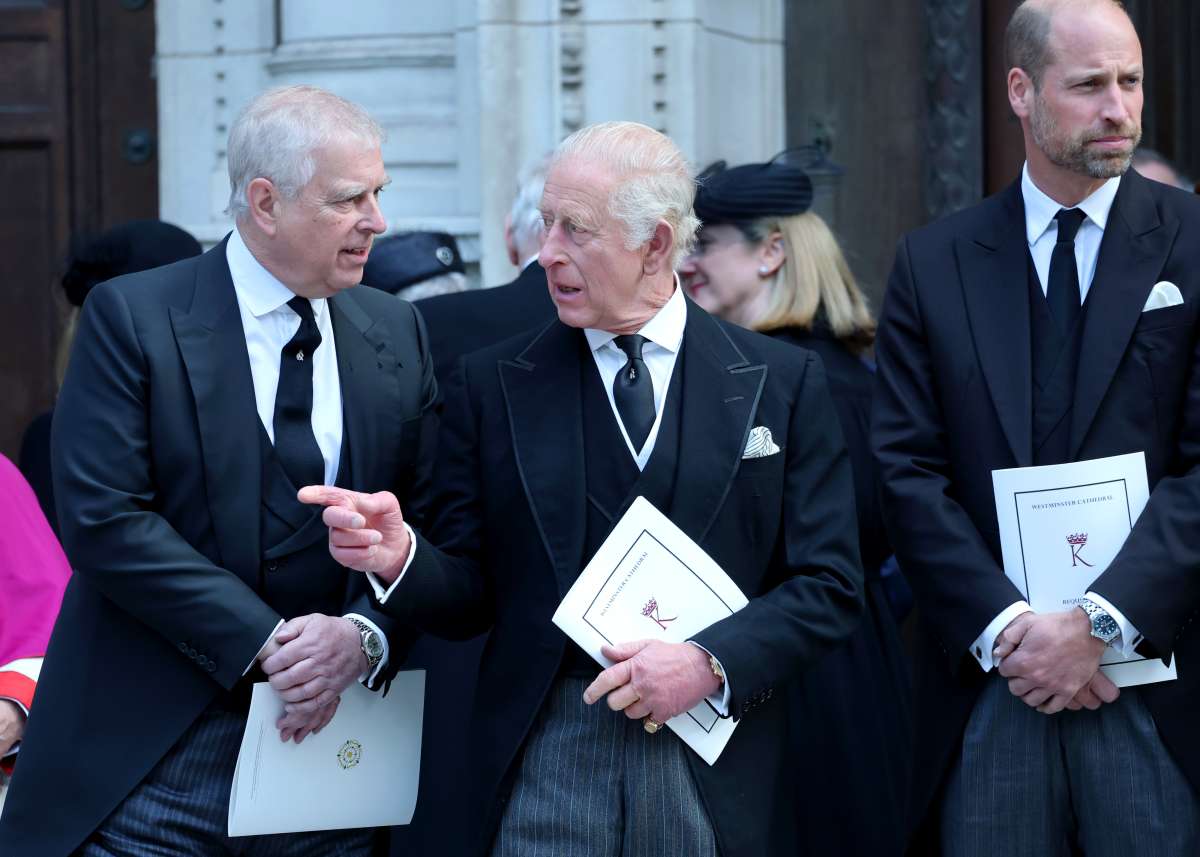
“They want this managed privately,” a source explained. “Handled internally. Kept away from authorities.” Such thinking reflects an old royal habit of keeping family problems private and staying removed from public scrutiny. Andrew’s official role may be over, but the instinct to protect him, sources say, has not faded.
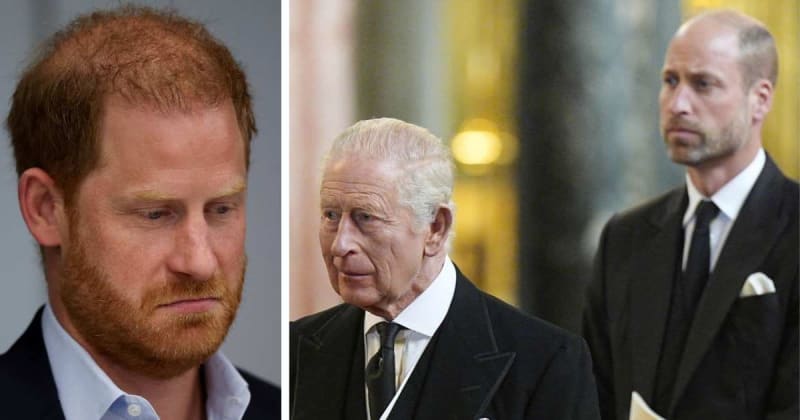
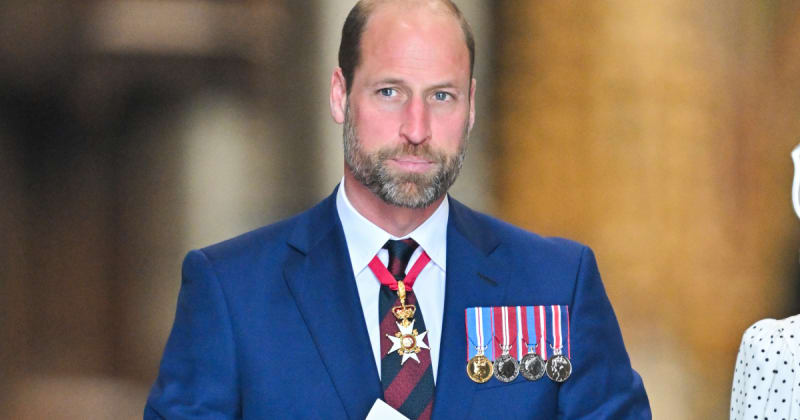
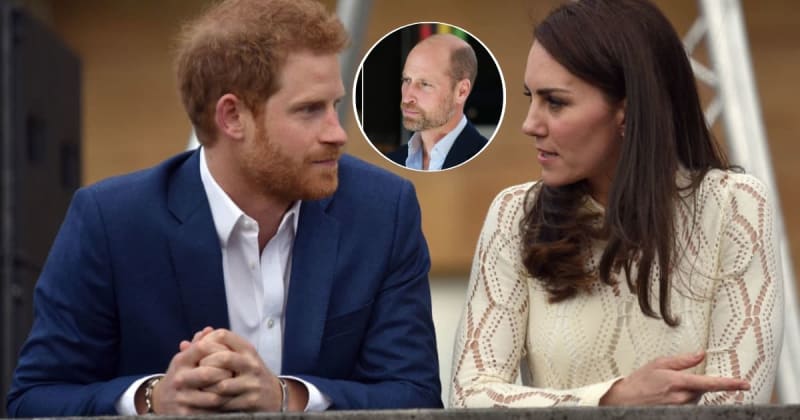
But amongst all of this, the only exception is Prince William. He has gone on to be increasingly at odds with this protective stance, privately warning that continued shielding of his uncle risks inflicting lasting harm on the monarchy’s already fragile credibility. “William thinks Andrew is radioactive,” an insider said. “And that shielding him makes the whole family look complicit.”
Behind the scenes, the split has sharpened into a broader question about how the monarchy should operate in modern Britain. Senior royals are said to favour loyalty and quiet containment, while William is focused on public trust, accountability, and the Crown’s long-term credibility. “This is a generational split,” one source notes. “William understands public accountability. The others still believe in royal immunity.”
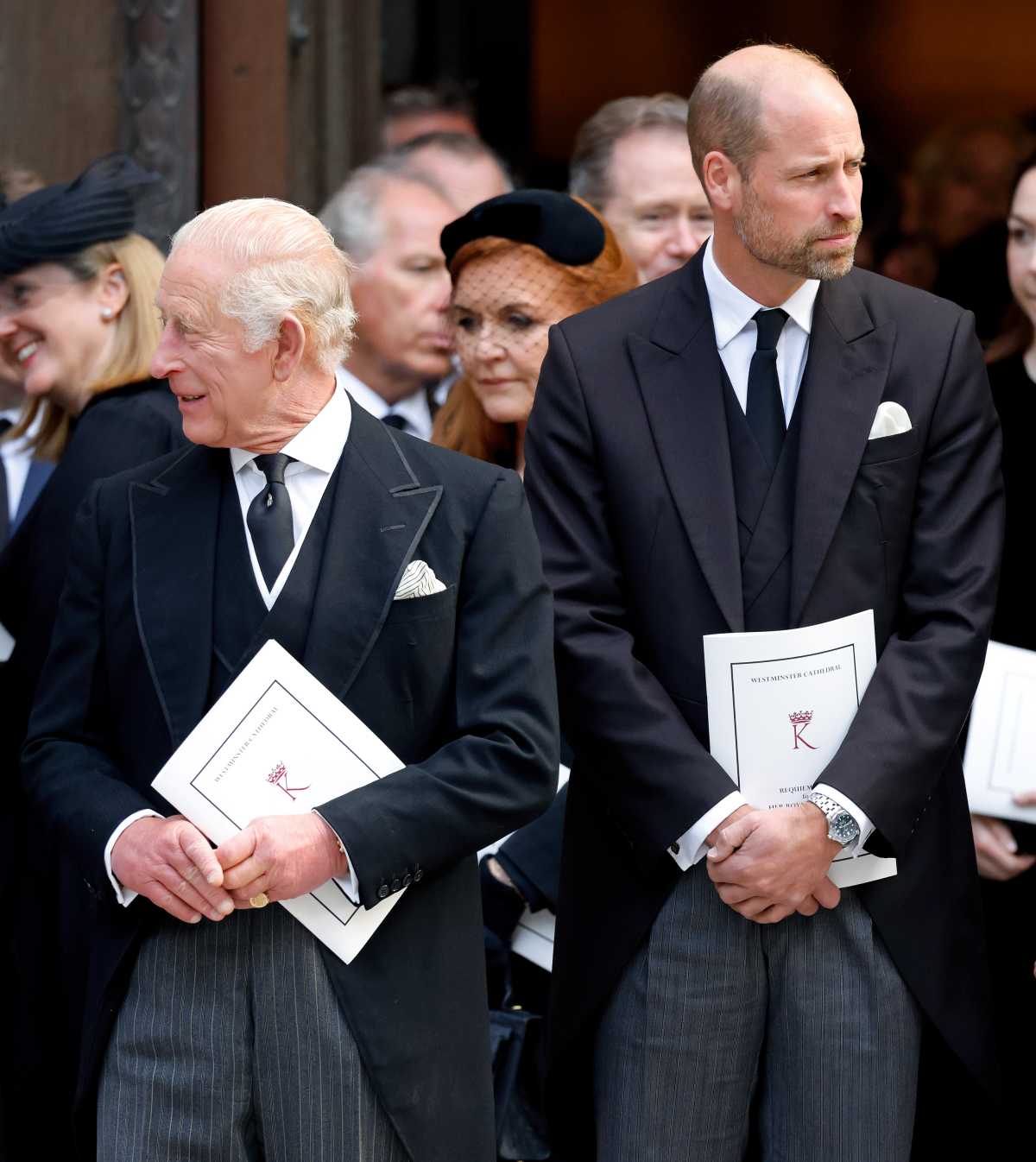
For William, the concern goes beyond questions of right and wrong. In a climate shaped by transparency and deep scepticism of institutions, even passive protection carries a cost. Silence, in his view, no longer shields the Crown; it steadily weakens it.It is this thinking, sources suggest, that has shaped William’s determination to ensure the Mountbatten-Windsor problem does not become his inheritance. The controversy, years in the making, was something he reportedly wanted dealt with during King Charles’s reign rather than allowed to follow him onto the throne. That resolve is said to have played a role in the decision to strip his uncle of his remaining titles and styles, leaving him publicly reduced to Andrew Mountbatten-Windsor.