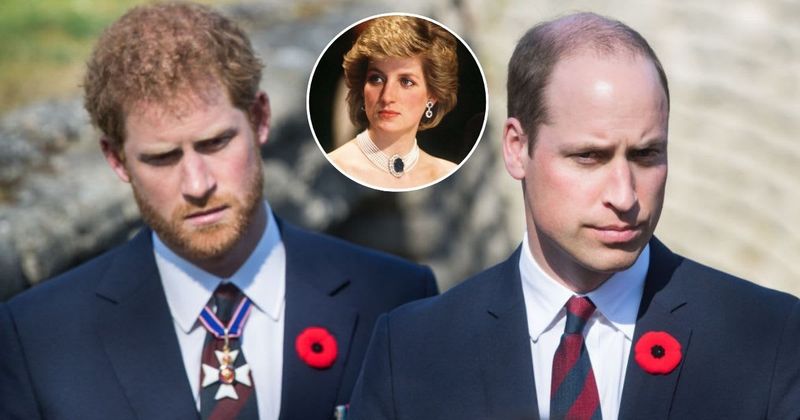
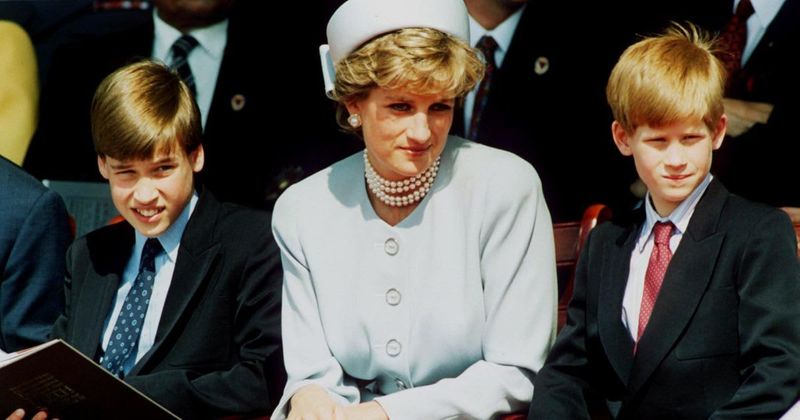
Prince Harry Chokes Up as He Brings Up Mom Diana in Testimony Against UK Tabloids
The Duke said standing up to the press has come at a personal cost — but silence was no longer an option.
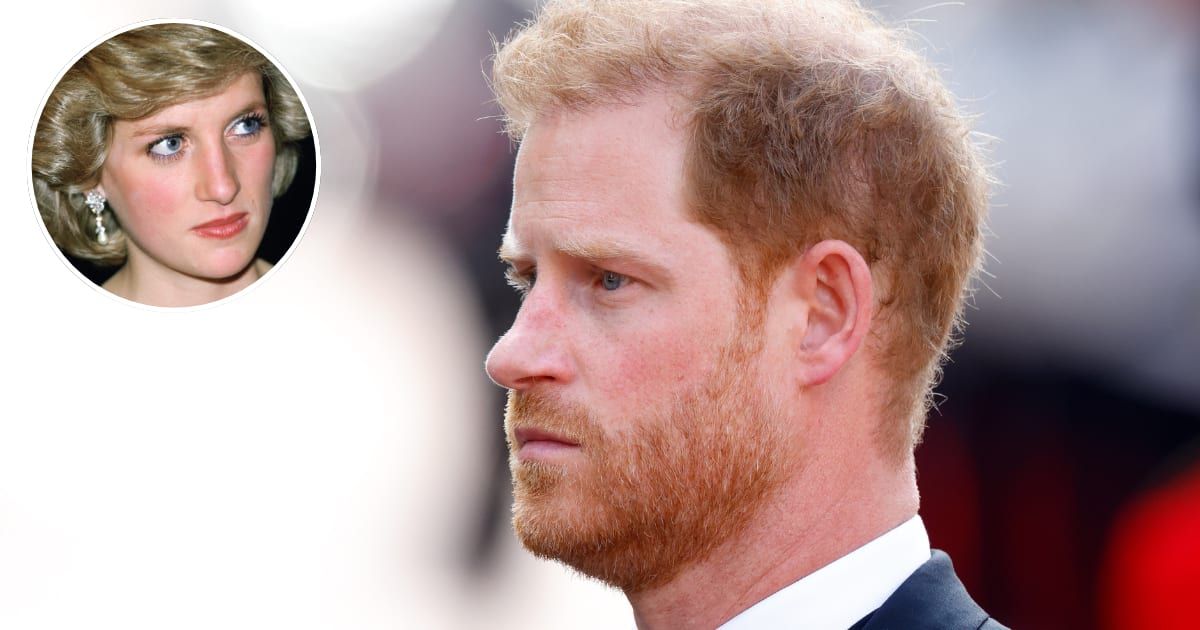


Prince Harry has never hidden his anger toward UK tabloids. But standing in a courtroom and facing them directly was different, and it left him almost in tears. Inside a London courtroom on Wednesday, the Duke of Sussex appeared visibly shaken as he wrapped up his testimony in his privacy case against Associated Newspapers Limited, the publisher behind the Daily Mail and Mail on Sunday.
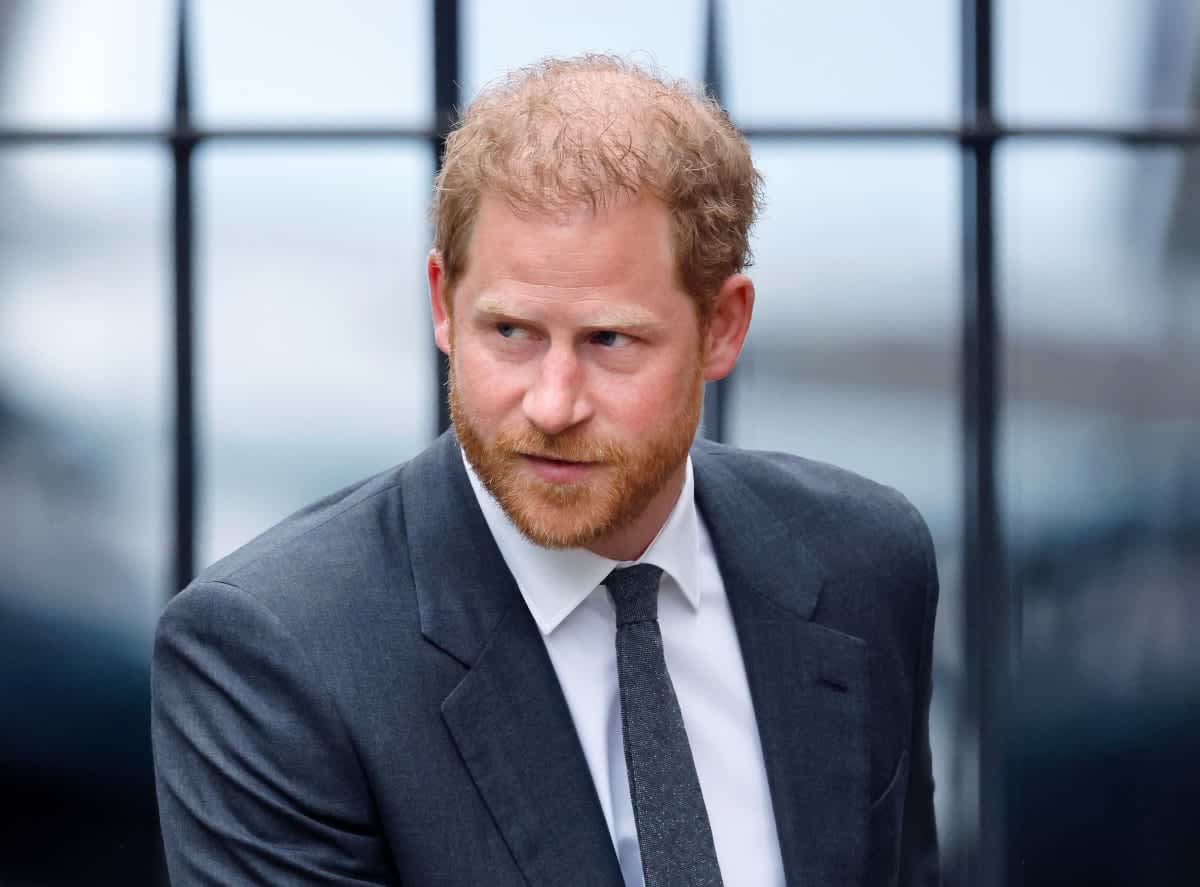
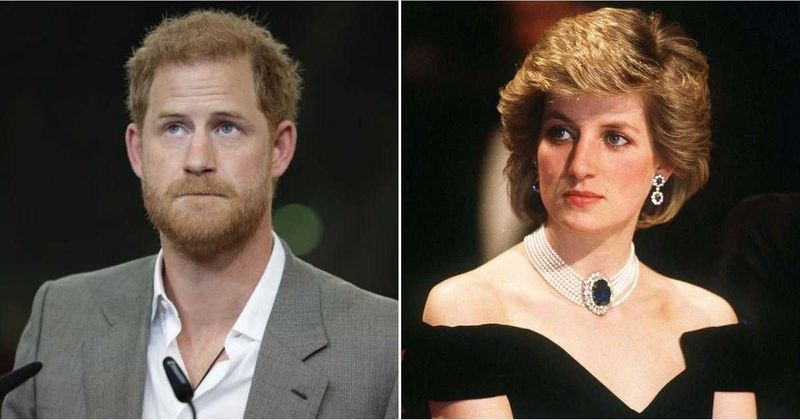
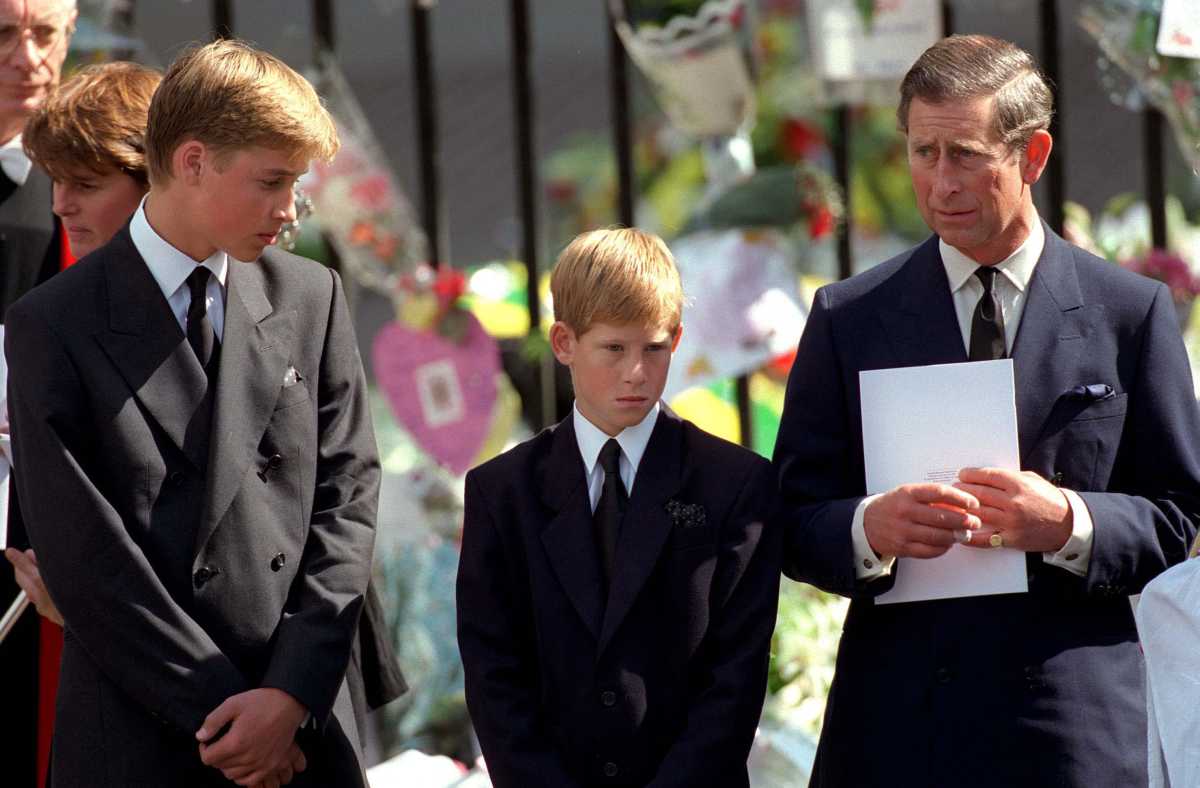
The most poignant part of his testimony came when he referenced his mother, Princess Diana, whose death in 1997 followed a relentless media pursuit. In his written witness statement, Harry linked his long-standing distrust of the press directly to her experience. “Following the death of my mother in 1997, when I was 12 years old and her treatment at the hands of the press, I have always had an uneasy relationship with them,” the witness statement read. “However, as a member of the Institution, the policy was to ‘never complain, never explain.’ There was no alternative; I was conditioned to accept it.”
Those present said Harry looked close to tears as he explained why he believes the legal battle was unavoidable, even though it has forced him to relive some of the most painful chapters of his life. “I think it’s fundamentally wrong [for Associated Newspapers Limited] to put us through this again when all we [claimants] required is an apology and some accountability,” Harry told the court. “It’s a horrible experience, and the worst bit of it is, by standing up here, they continue to come after me and make my wife’s life an absolute misery.”
Harry had flown in alone from California, where he lives with his wife, the Duchess of Sussex, and their two children, to appear in person at the trial, which began earlier this week. The Duke is one of seven high-profile claimants bringing the lawsuit, alongside figures such as Sir Elton John and actress Elizabeth Hurley. Together, they accused Associated Newspapers of engaging in unlawful information-gathering practices during the late 1990s and early 2000s. The allegations include the use of private investigators, covert surveillance through listening devices placed in homes and vehicles, and the illegal acquisition of information via corrupt payments to police officials.
Associated Newspapers has firmly denied all claims, dismissing them as 'preposterous,' 'unsubstantiated,' and 'highly defamatory,' insisting there is no credible evidence to support the accusations. Harry was the first witness to be called — a day earlier than expected — and his testimony offered insight into why he believes these stories could not have been sourced legitimately. When questioned about why he did not challenge certain articles at the time of publication, Harry pointed to the constraints of royal life. “I wasn’t able to complain because of the institution I was in,” he said. “It would have been very difficult. Never complain and never explain.”
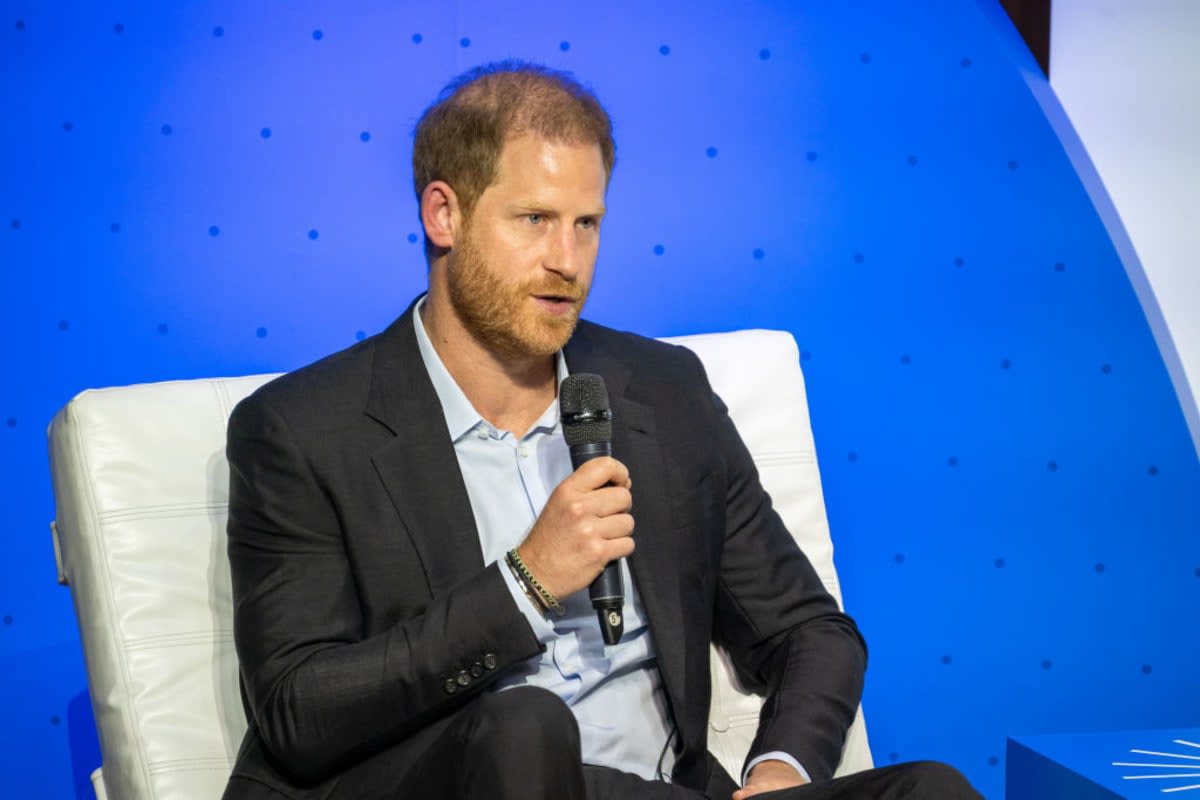
His legal team has identified 14 articles published between 2001 and 2013 that they say relied on unlawfully obtained material. Many of them focused on Harry’s former girlfriend, Chelsy Davy, during the height of his media scrutiny.
Harry and Meghan Markle stepped back from their roles as senior royals in 2020, relocating to California later that year. According to Harry, it was only after leaving the UK that he began to grasp the scale of the alleged press intrusion fully. “It is not an exaggeration to say that the bubble burst in terms of what I knew in 2020 when I moved out of the UK,” he said in his witness statement.