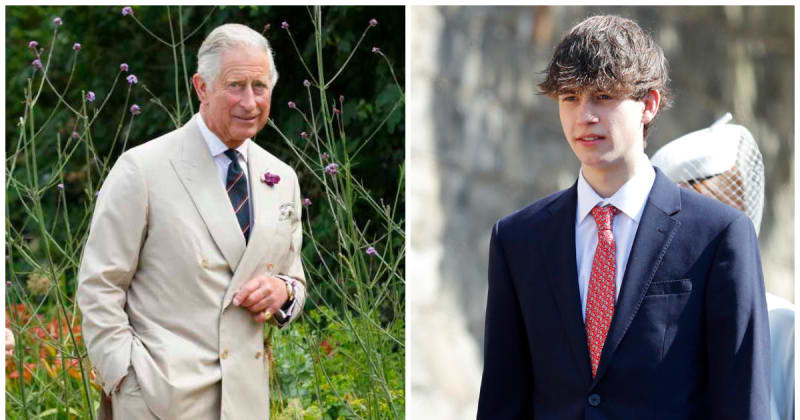
US Congressman Warns the Epstein Scandal Could Be the ‘End of the British Monarchy’
US congressional investigators say no one, including the King, is above questioning.
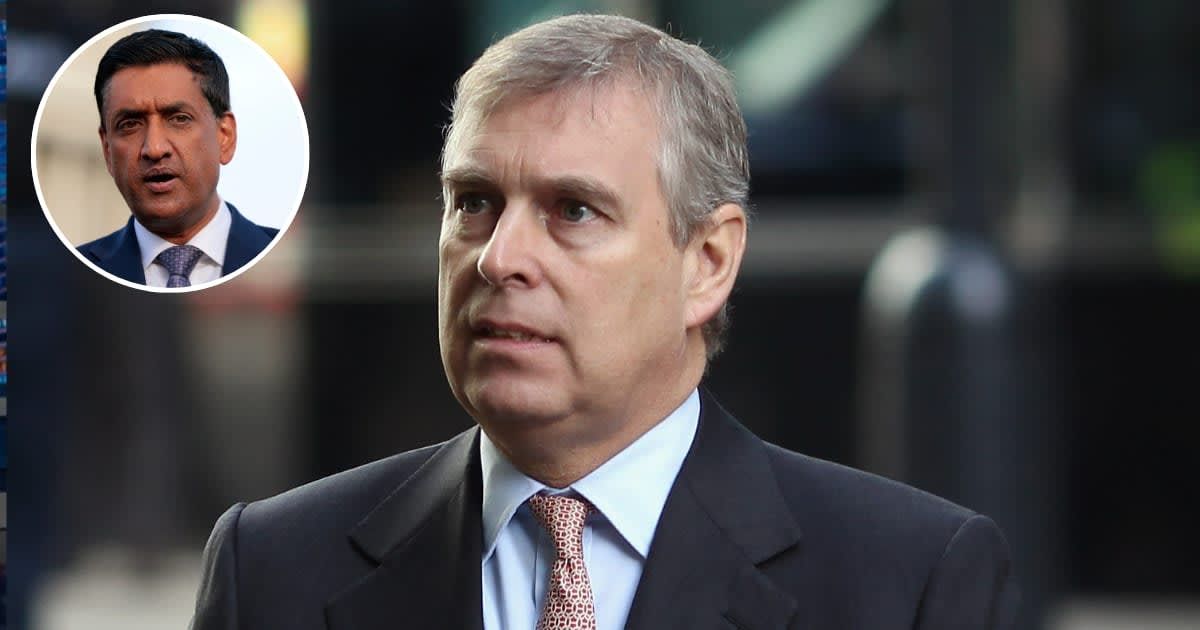


The fallout from the Jeffrey Epstein affair is no longer being framed as a reputational crisis, and all due credit to Andrew Mountbatten-Windsor. In Washington, some lawmakers now argue it strikes at something far larger—the future credibility of the British monarchy itself. That warning has come from Congressman Ro Khanna, a senior Democrat and a member of the US congressional committee examining the Epstein case, who has suggested the scandal could push the institution into its most precarious position yet. For the unversed, Khanna was a driving force behind the Epstein Files Transparency Act, the legislation that ultimately led to the public release of thousands of documents linked to the disgraced financier.
Speaking to Sky News, Khanna warned that the monarchy is already struggling to find its footing. "I think this is the most vulnerable the British monarchy has ever been,” he said. “They ought to ask the King and Queen questions, and maybe this will be the end of the monarchy.” Per Khanna, now the issue goes beyond Mountbatten-Windsor’s conduct and extends to what King Charles may have known—and when. “If they don't have answers, if they're implicated in the Epstein case, it's not a good look for the British monarchy,” he warned. “The King has to answer what he knew, what he knew about Andrew, and just stripping Andrew of a title is not enough.”
Khanna, in his argument, also put forth that Mountbatten-Windsor must direct scrutiny in the United States, dismissing the loss of royal status as an inadequate response to allegations of such gravity. “Andrew needs to come before our committee and start answering questions. I don't think the appropriate punishment is that you no longer get to be a prince. There's got to be more than that.”
He went further, questioning the cultural norms that shield senior royals from interrogation altogether. “They need to answer, the King and Queen, I don't understand the British custom (that) someone's asking the Queen a question, and the Queen is offended that she's being asked a question? I mean, come on. She wears the same clothes, she eats the same food, she's just a human being, she needs to answer the same questions everyone does.”
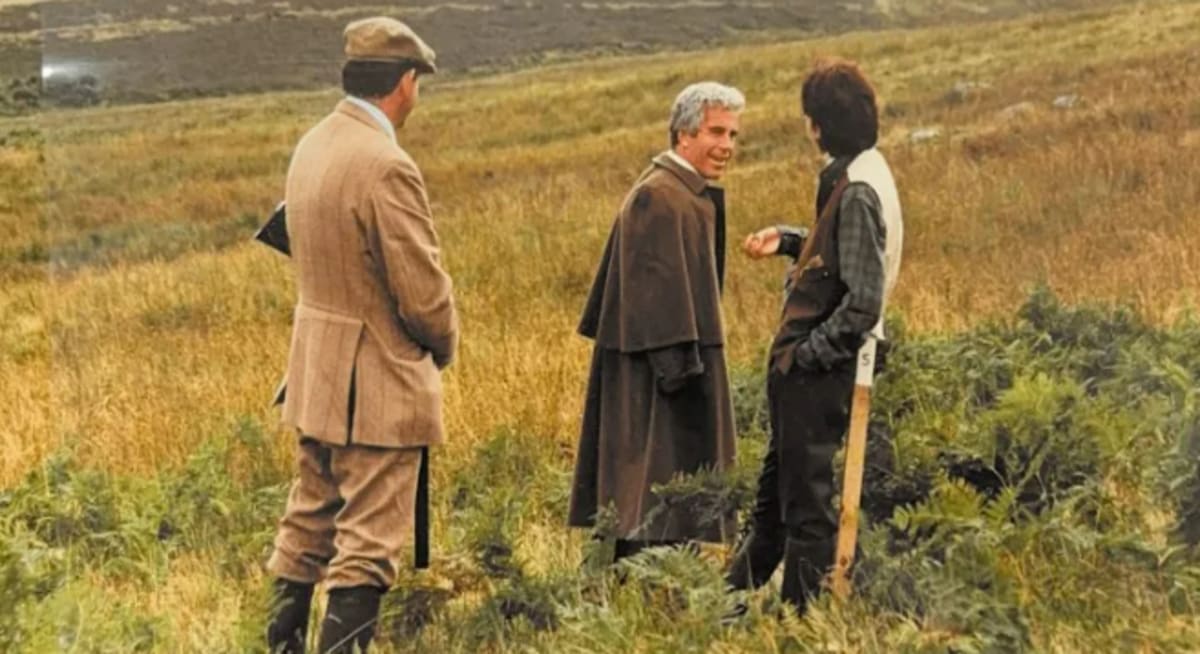
Mountbatten-Windsor has repeatedly denied any wrongdoing, and there has been no suggestion that the wider Royal Family was directly involved in Jeffrey Epstein’s crimes. However, Epstein’s proximity to royal life has long fueled public unease. The convicted pedophile was invited to Buckingham Palace and visited the Balmoral estate, while his longtime associate and convicted sex trafficker Ghislaine Maxwell was photographed at Sandringham in the company of Andrew.
Khanna is not alone in sounding the alarm about the monarchy’s waning relevance. Earlier, Daily Mail columnist Amanda Platell struck a similar note, warning that the damage caused by Mountbatten-Windsor's Epstein links may be difficult to reverse. “It pains me deeply as a lifelong monarchist to ask the question on so many people’s lips,” she wrote for the Daily Mail. “But how can the royals ever recover from the sordid disgrace the former Prince Andrew has brought upon them as a result of his association with Jeffrey Epstein?”