How Princess Diana's One Childhood Hobby May Have Doomed Her Marriage to Charles Before It Began
According to a new book, Diana's emotional openness that endeared her to millions may have also led to her biggest heartbreak.


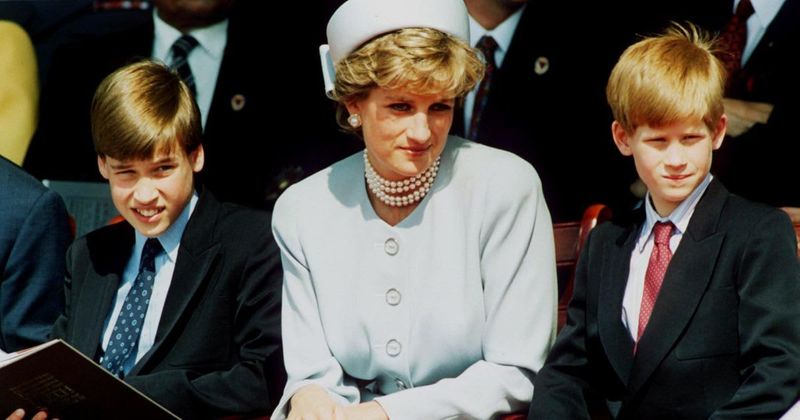
Princess Diana's compassion cemented her status as one of the most beloved figures in modern royal history. Whether she was comforting AIDS patients or warmly embracing strangers on walkabouts, her rare ability to connect with the public earned her the enduring title of the "People's Princess." However, a new book suggests that the very emotional vulnerability that endeared her to millions may also explain the deep heartbreak of her private life. The profound emotional availability that the world adored ultimately strained her marriage to King Charles.
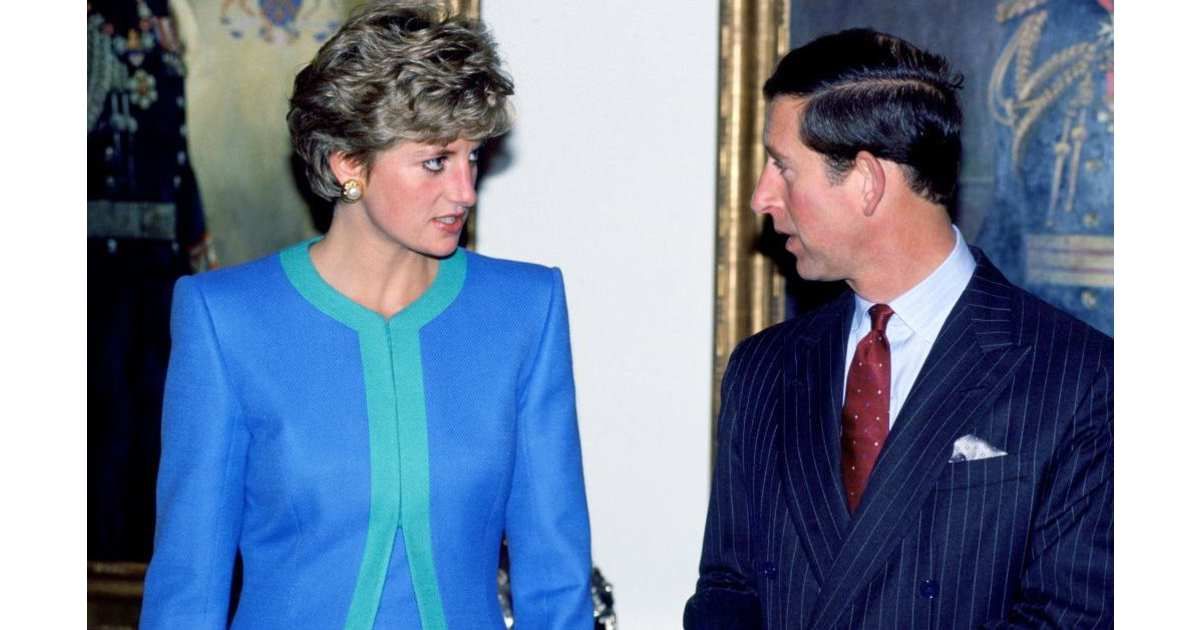
Journalist and royal author Catherine Mayer, in her new book, In Divide and Rule: Royal Women and Their Battles, examined the forces that shaped Diana long before she entered the royal family. Sharing bits of her early teen years, Mayer evaluated the reasons behind Diana's longing for love and how it negatively impacted her married life to Charles. “She was, without doubt, one of the most compassionate and empathetic people I’ve ever met,” one of her oldest friends recalls in the book. According to Mayer, Diana's compassion was not merely for public display; she continued making similar visits away from cameras and headlines.
Yet Mayer suggests that Diana's emotional generosity was also rooted in a longing for connection that began in childhood. The Princess was deeply affected by her parents' divorce and grew up surrounded by romantic fiction through her step-grandmother, bestselling novelist Barbara Cartland. “The source of reading for her entire year. She literally had a whole drawer filled with these things,” one schoolfriend told Mayer. The author argues that these stories may have shaped Diana's expectations of love.
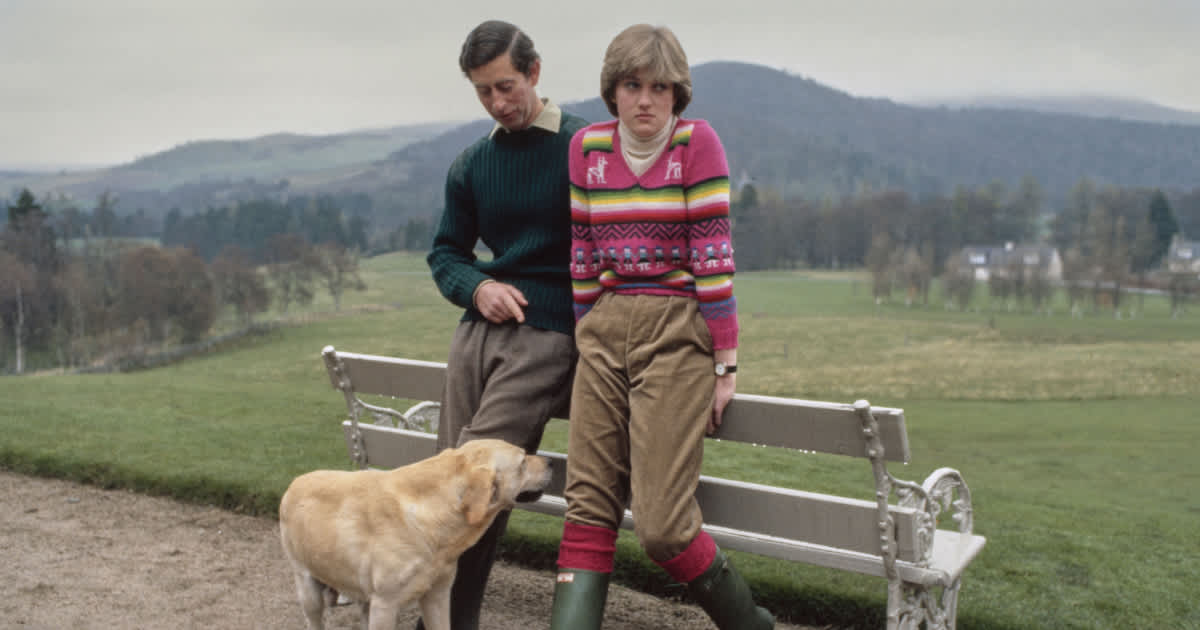
Many of Barbara Cartland’s romantic heroes were emotionally detached men whose true feelings could only be unlocked by a devoted woman. According to Mayer, a young Diana likely saw Prince Charles in a similar light. Blinded by a naive, youthful infatuation, she genuinely believed she could be the one to change him. “If Diana failed to spot that Charles was incapable of giving her the love she craved, it cannot have helped that the love she craved was a fiction — a modern-day version of courtly love,” Mayer shared in her book.
Mayers noted how "Charles fitted the Cartland mould in one respect: his emotional unavailability. The reticence of Cartland’s heroes belies agonies of loneliness. Wounded by past trauma and hemmed in by convention, they hide the emotions—but never fear!" She continued how the stories made Diana believe that "a good woman can unlock their hearts. It is a meme that repeats throughout every one of Cartland’s 723 books and across the wider romance genre, including variations of the Cinderella story."
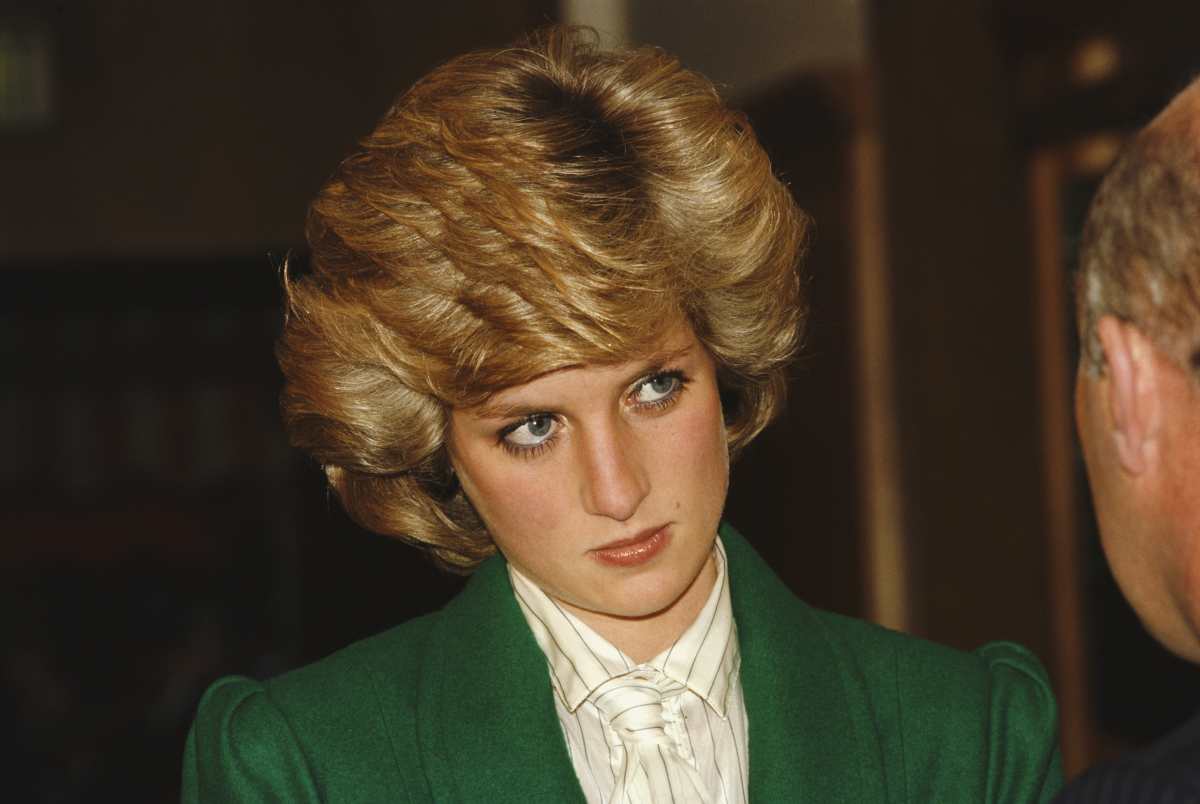
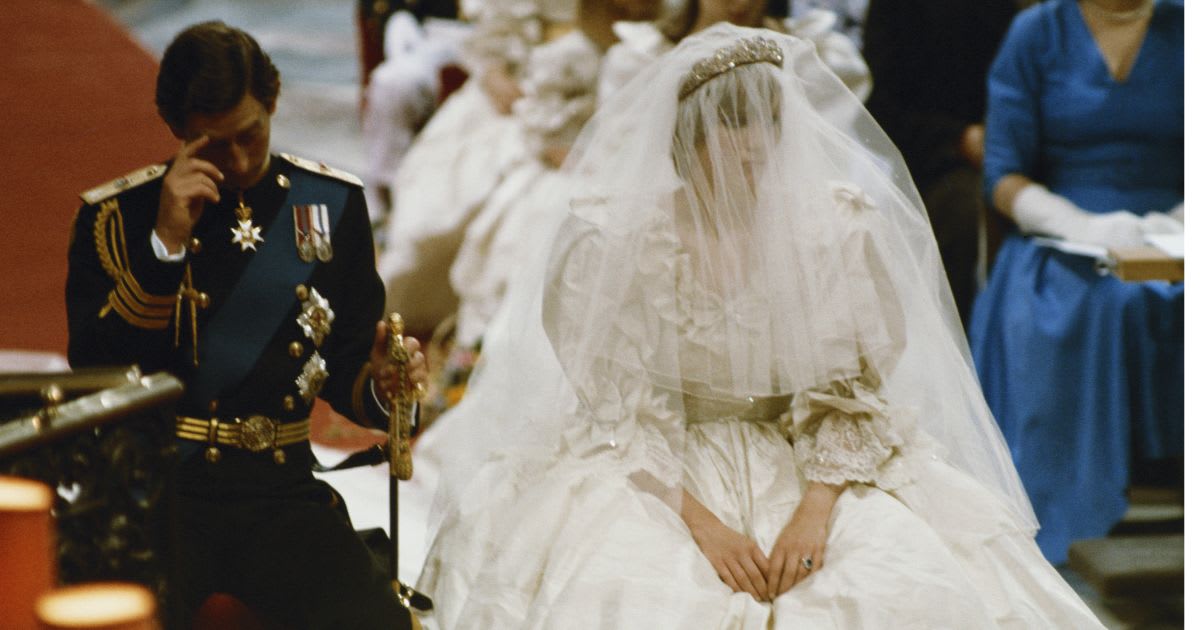
However, by the summer of 1981, reality was beginning to challenge those romantic ideals. According to the book, Diana expressed doubts shortly before her wedding. “At the last minute, she told her sisters that she wanted to call it off. They replied that it was too late; her face was on the tea towels.” Her friends reportedly also sensed tension in the days leading up to the ceremony. One recalled Charles becoming unusually upset over a missing cufflink before a pre-wedding event at Buckingham Palace. Only later did they understand its significance: it was a gift from Camilla Parker Bowles. A relationship that would continue to cast a shadow over the marriage and ultimately become their bane.