Epstein Allegedly Donated $50,000 to Prince William-Backed Charity — Years After His Conviction
WildAid, the passion project, was also supported by King Charles, then Prince of Wales.
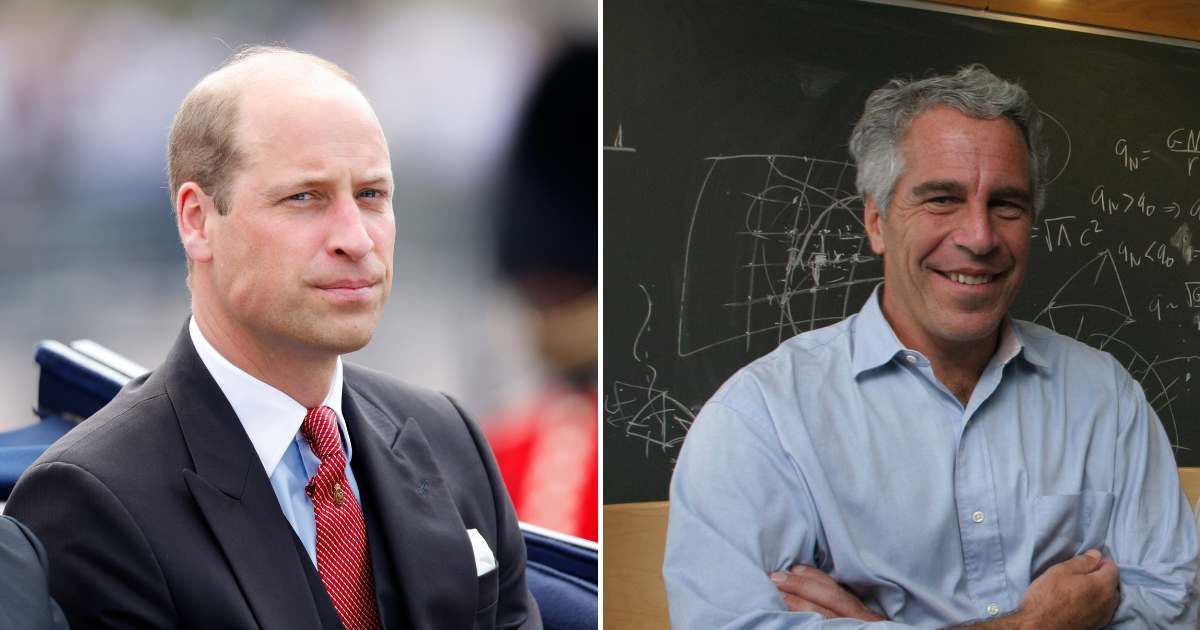


For years, the shadow of Jeffrey Epstein’s crimes clung stubbornly to Andrew Mountbatten-Windsor. Now, newly released documents suggest that the disgraced financier’s shadow may have brushed closer to the heart of the monarchy than previously understood — not through personal association, but via philanthropy, reputation laundering, and a charity backed by the King and the future king.
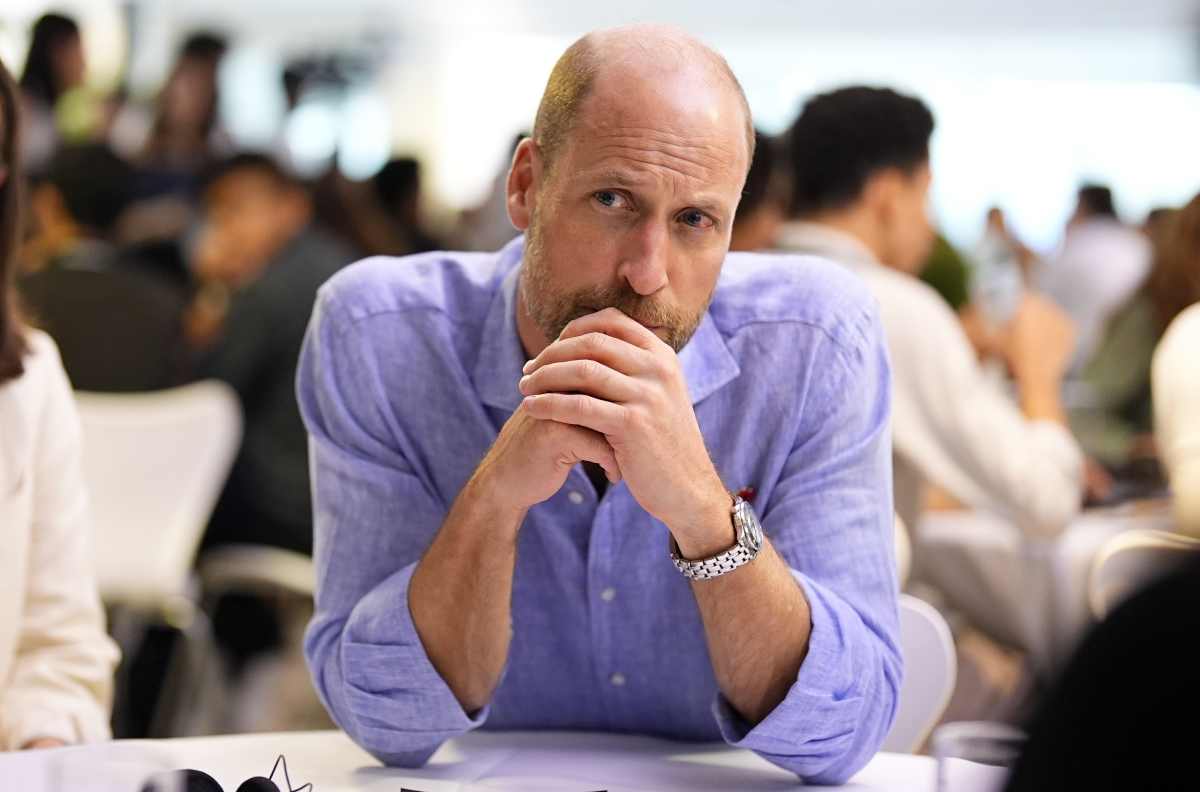
Documents released by the US Department of Justice reveal that Epstein donated $50,000 to wildlife conservation charity WildAid in November 2013 — several years after his conviction for sexual offences involving a minor, the same year, Prince William was announced as one of the organization’s ambassadors. WildAid is also supported by King Charles, then Prince of Wales, the i Paper reported.
There is no suggestion that the Prince and Princess of Wales were aware of Epstein’s donation, nor that William had any direct involvement in fundraising decisions. But the correspondence paints a revealing picture of how Epstein continued to move within elite philanthropic circles, long after his criminal conviction, raising questions about whether sufficient safeguards were in place to protect senior royals from reputational fallout.
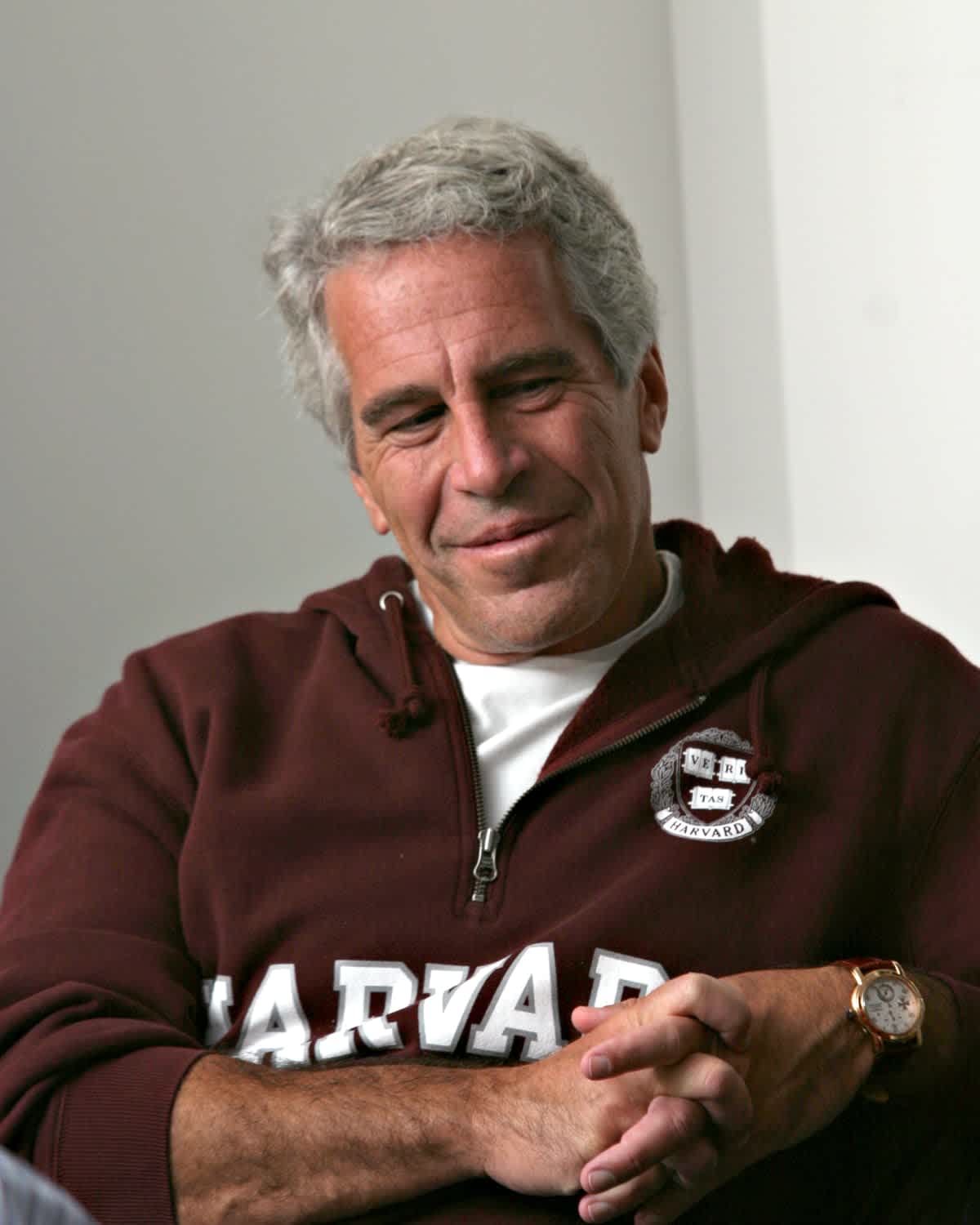
What the files do show is how Epstein appeared determined to use charitable giving as a vehicle to rehabilitate his public image, a strategy that he relied not just on writing cheques, but on proximity to respected institutions and high-profile figures. The emails, sent in 2014, also invite scrutiny of WildAid’s internal processes, particularly around due diligence. By that point, Epstein’s criminal history was well documented, as was his controversial friendship with ex-Prince Andrew — coverage that had already caused deep embarrassment to the royal family. Epstein was released from prison on 22 July 2009 after serving 13 months of an 18-month sentence.
The specific emails, sent in 2014, also raise questions about whether Kensington Palace should have done more due diligence to ensure that the then-Duke of Cambridge and his father were not at risk of embarrassment.
In early 2014, WildAid’s leadership continued to engage directly with Epstein following his 2013 donation. In January, the charity’s managing director, John Baker, wrote to Epstein’s office seeking to arrange a meeting in New York between him and WildAid’s senior figures, including co-founder and executive director Peter Knights. "Thanks again for the generous donation from Jeffrey Epstein in 2013," the email said. The exchange did not stop there. A month later, after WildAid launched new public awareness campaigns in London targeting the illegal trade in wildlife products such as rhino horn and ivory, Baker again reached out to thank Epstein for his financial support.
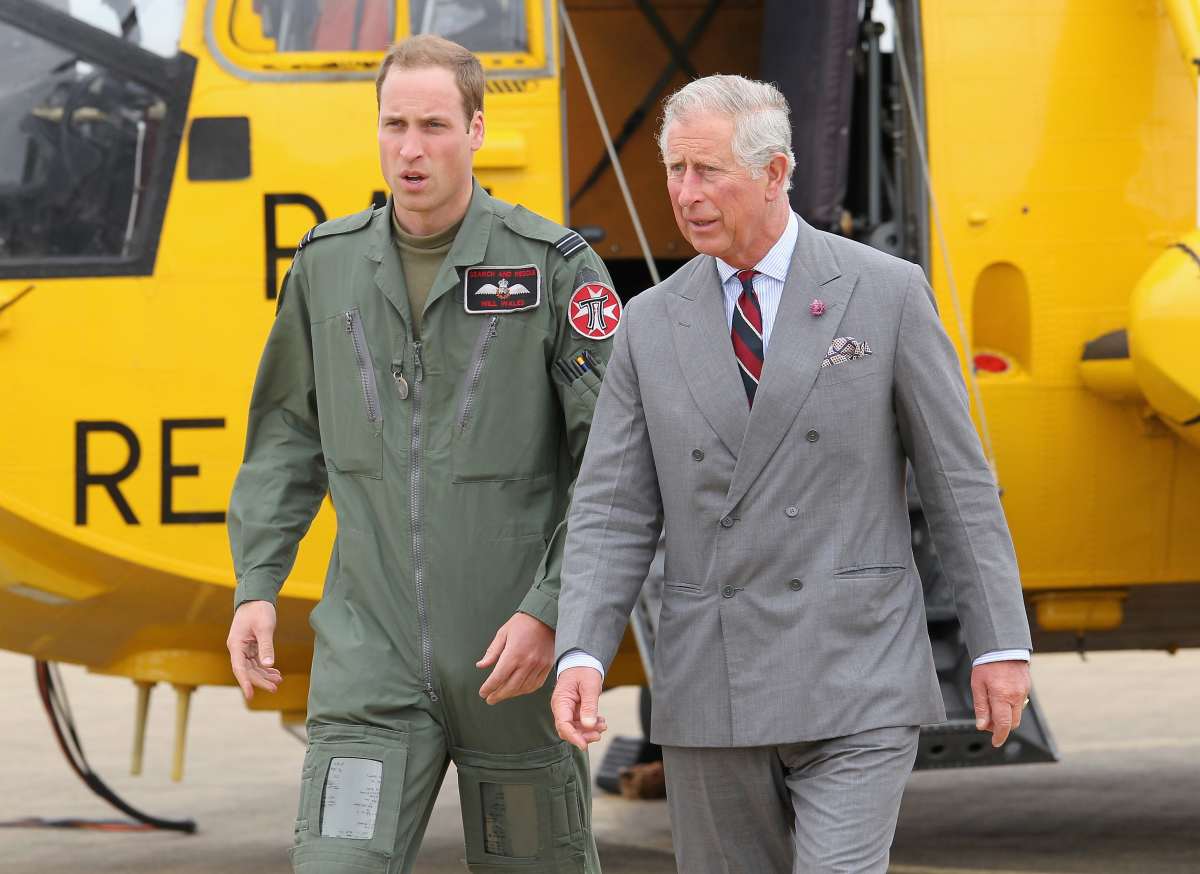
"With thanks for the generous support from Jeffrey Epstein and Enhanced Education, we launched our two newest rhino horn PSAs [public service announcements] in London yesterday," he emailed again. Taken together, the emails indicate that Epstein’s donation was subsequently referenced in connection with campaign activity and publicity involving senior royals and other high-profile ambassadors. Epstein and his team were encouraged to share media coverage of events attended by William and fellow WildAid ambassadors, including actor Jackie Chan, alongside extracts from speeches by Charles, praising the charity’s work.
The episode is a living example of how easily philanthropy can become a Trojan horse, serving respectability by association.