Charles and the Royal Family's Forgotten Documentary That Landed the Crown in Hot Waters
The 'Royal Family' documentary, which aired in 1969, faced public ire for its perceived vulgar displays of wealth, power, and prejudice.
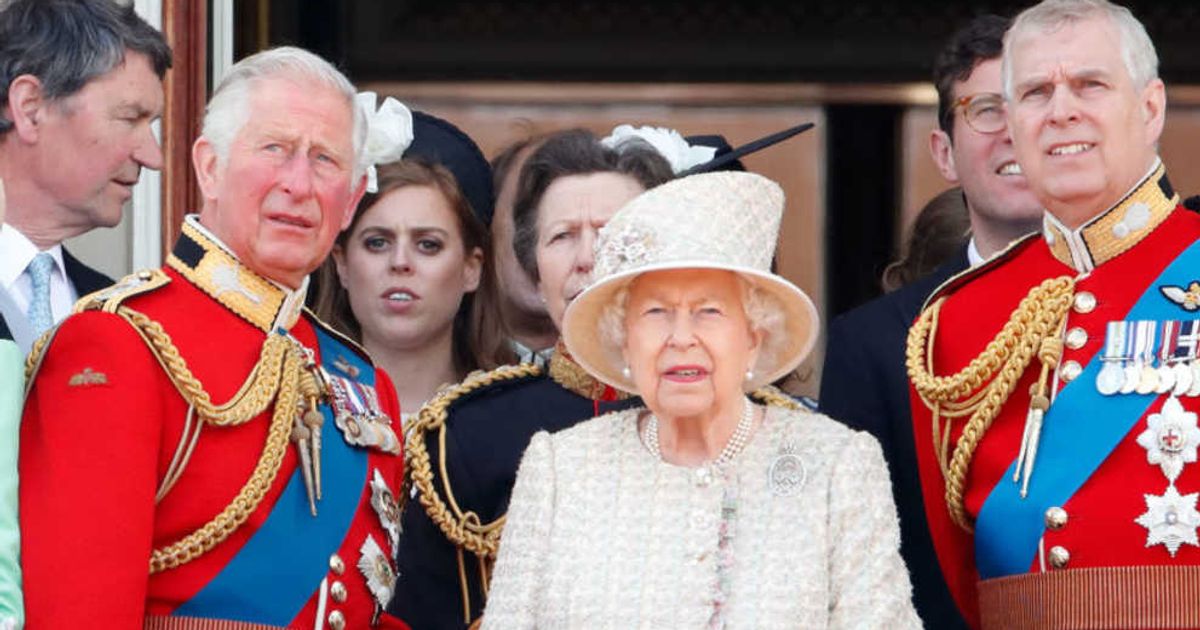


King Charles' voice in his new documentary carries more polish than protest, as he has used his position to remind people that the environment deserves care. His commitment to conservation was on display in his new eco-film, Finding Harmony: A King's Vision, which premiered on January 28 in Windsor Castle. While the work was widely praised, another royal documentary that aired 57 years ago faced public ire as it exposed the monarchy's perceived prejudice, power, and a desperate attempt to appear relatable.
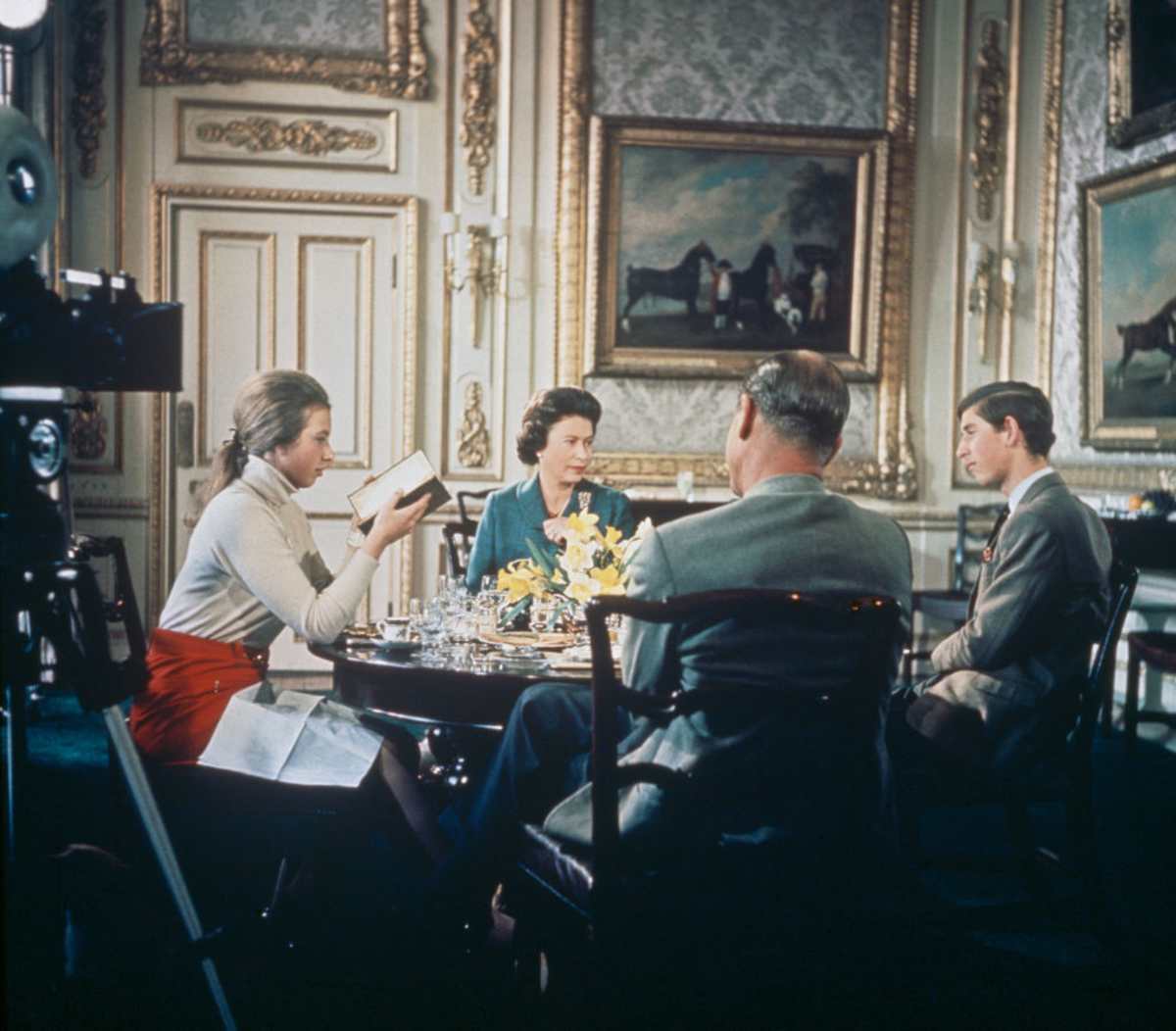
The BBC special Royal Family documentary, which aired in 1969, was heavily criticized for lifting the curtain too far on royal life. What was intended as an attempt to modernize the monarchy and present the royals as relatable figures was seen as ordinary, and to some extent, indulgent. The film, shot over a period of years, featured the late Queen Elizabeth and Prince Philip, then-Prince Charles, Princess Anne, and other close family members through both public engagements and informal moments at home. Some scenes included family meals, leisure time, and behind-the-scenes preparations for duties, which many felt weakened the monarchy's maintained sense of distance.
The Royal Family are the original Kardashians. They filmed a reality TV show that they then banned from air because Queen Elizabeth can be seen with Prince Charles and Phillip, calling a foreign dignitary A GORILLA.#HarryandMeghanNetflix #Royal pic.twitter.com/091b02Mh3X
— Alexis is sowing discord in the West (@ArchewellBaby) December 10, 2022
Perhaps one of the most bizarre scenes, which underplayed everything else, was when the Queen was sitting with Philip, Charles, and Anne laughing about a past incident in which a government minister warned her that "there's a gorilla coming in." She recounted how hard she found it to keep a straight face. "What an extraordinary remark to make about someone – very unkind. I stood in the middle of the room and pressed the bell, and the doors opened, and there was a gorilla. He had a short body and long arms." At the time, it was presumed that she was talking about the US Ambassador to the UK, Walter Annenberg. The family's nonchalance and poor attitude landed them in hot water.
Following the backlash, BBC and ITV withdrew it from repeated broadcasts, and the royal household restricted access to it. Copies were kept in archives, and only select clips resurfaced on social media. Although it was not banned by law, the royals swiftly noticed the mounting criticism and took action. Reflecting on the ill-received broadcast, royal historian Seth Leonard told HuffPost, "One imagines that in the late 1960s this televised display of wealth might not have been terribly wise from a public relations perspective, given the state of the British economy at that time."
A Snippet from the Royal Family documentary shown in June 1969. pic.twitter.com/WVeJFeU9wo
— The Royal Reader (@RoyalPageTurner) May 15, 2025
Similarly, royal historian Carolyn Harris opined that openly showing the royal children was not a good look, as it was the duty of their parents to safeguard their privacy. She stressed, "It's unlikely that a program would be made with so many scenes of royal children playing together and expressing themselves spontaneously in front of the cameras." While echoes from nearly six decades ago cast the Crown in a controversial light, Charles's new documentary reinforced the monarchy's ability to wield its influence and platform for the greater good of society.