Andrew's 'Pompous' Behavior Made Him a 'Laughing Stock' Long Before His Epstein Scandal
Biographer Andrew Lownie recounts witness accounts describing the former Prince's conduct at parties and official events, calling him a 'nightmare' for guests.
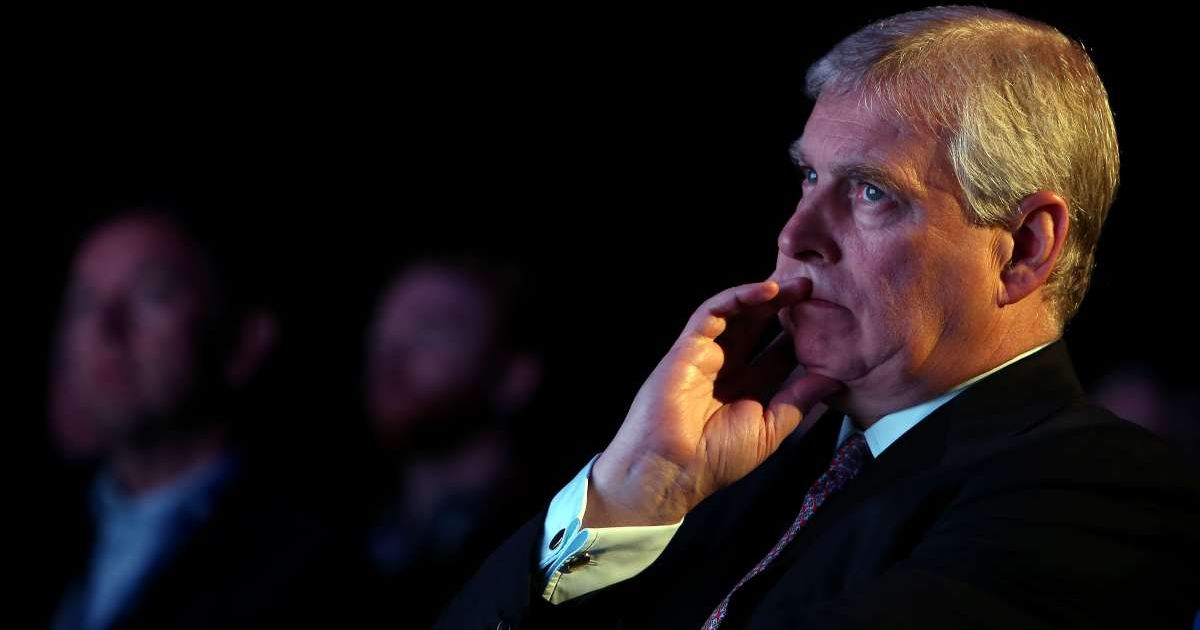


For years, Andrew Mountbatten Windsor’s public unravelling has been framed around scandals of power, privilege, and consequence. But reportedly, even long before the legal jeopardy and reputational collapse, there was a pattern of entitlement. His behavior, described repeatedly as crude, juvenile, and humiliating, was not limited to the Palace walls. It was performed, often brazenly, in drawing rooms, dining halls, and house parties.

These accounts appear in Entitled: The Rise and Fall of the House of York by royal biographer Andrew Lownie, which draws on decades of testimonies to trace the former Duke of York’s decline. What emerges is not a single shocking incident, but a steady accumulation of stories that, taken together, paint a consistent picture of pompousness unchecked.
Mountbatten Windsor’s behavior, Lownie writes, “has long excited comment.” One of the earliest recollections comes from writer Craig Brown, who remembered encountering the Prince at a large house party when Mountbatten Windsor was just seventeen. Over breakfast the next morning, three young women recounted how the teenage Prince had barged into their shared bedroom in the early hours, announcing, “There’s a ghost in my room, so I’m going to have to sleep here.” They promptly threw him out. Brown later described Mountbatten Windsor as “that stock figure of English comedy… the pompous oaf whose lascivious moves make him a laughing stock.”
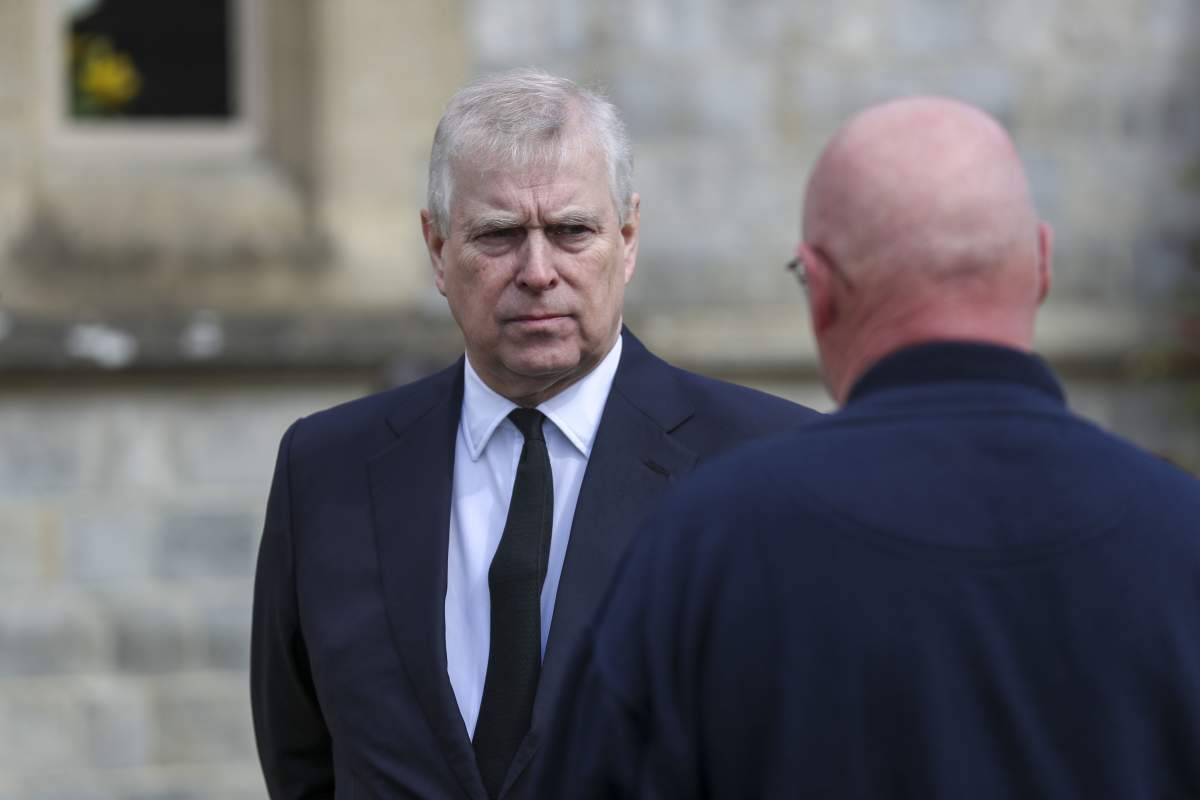
Later anecdotes suggest little changed with age. A society journalist recalled Mountbatten Windsor walking uninvited into a young woman’s bedroom, then into her en suite bathroom while she brushed her teeth, only to lecture her on the 'correct' way to brush them. At house parties, his preferred entertainment reportedly included “choo-choo trains,” where guests were coaxed into conga lines, and games involving passing fruit from one person’s chin to the next.
Other episodes crossed into outright humiliation. One woman recalled waking up to find “a fire extinguisher pointed at my face, behind which was the face of the foolishly laughing Prince.” After telling him to leave, she later discovered he had repeated the same stunt in several women’s rooms. A friend summed up his dinner-table presence bluntly: “He’s a nightmare to sit next to at dinner. He makes all those ghastly jokes about whether you’re wearing knickers. And you can’t tell him to sod off.” His humor, the friend added, was so “lavatorially disgusting everyone was aghast.”
Perhaps most revealing are the accounts that show Mountbatten Windsor using rank as a weapon. One titled woman of his generation called him “easily the most boorish man I have ever met.” She described a dinner at Windsor Castle where Mountbatten Windsor asked an eighteen-year-old guest about her job. When the girl replied that she was a secretary, he reportedly announced to the table: “How terribly uninteresting. Is that the best you can find to do?”
The pattern extended beyond words. In 1992, at a society event, he reportedly unzipped television presenter Tania Bryer’s evening dress down the length of her back. Journalist Peter Chapman recalled an incident at a military museum opening where Mountbatten Windsor publicly humiliated a senior officer struggling with his script, seizing his gloves and throwing them into the audience while calling out, “You won’t want these now, Dick.”
Even his idea of party tricks carried an edge. Guests were told to close their eyes, only to have mustard squeezed between their hands — or onto their faces — to the former Prince’s amusement. At one dinner, after sniffing a pâté and declaring it smelled, he pushed a woman’s face into the dish when she leaned in to check.