Royal Family Accused of Andrew Cover-up as Cabinet Office Locks Key Files Until 2065: Report
Critics argue the continued closure of records relating to Andrew’s public role undermines transparency and accountability.
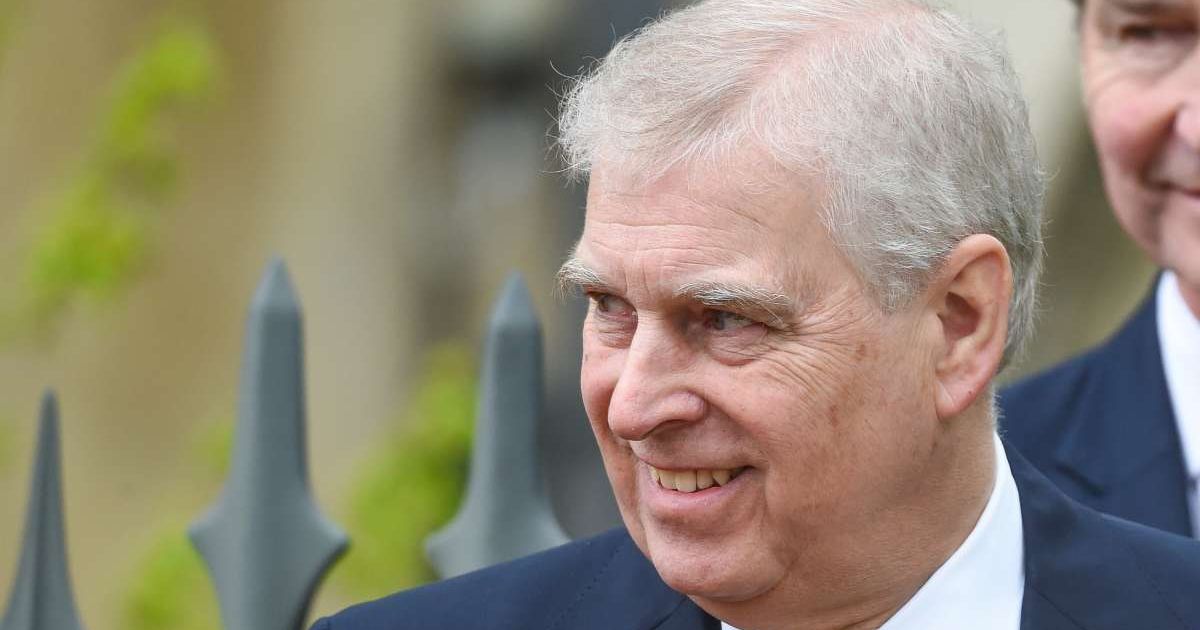


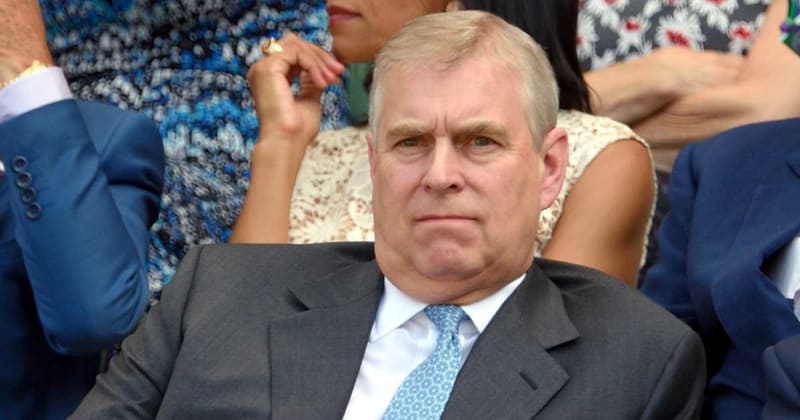
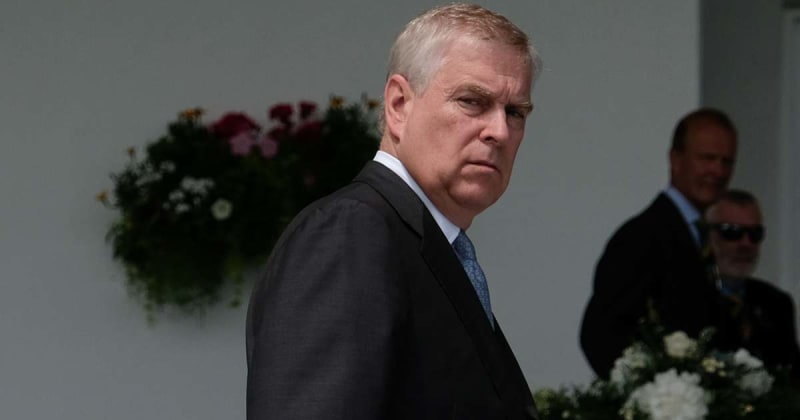
Files covering Andrew Mountbatten-Windsor's ten-year stint as Special Representative for International Trade and Investment are reportedly locked away until 2065, effectively ensuring that meaningful scrutiny is postponed for another four decades. Finally, some good news for the former Duke, it seems, while the public boils in fury.
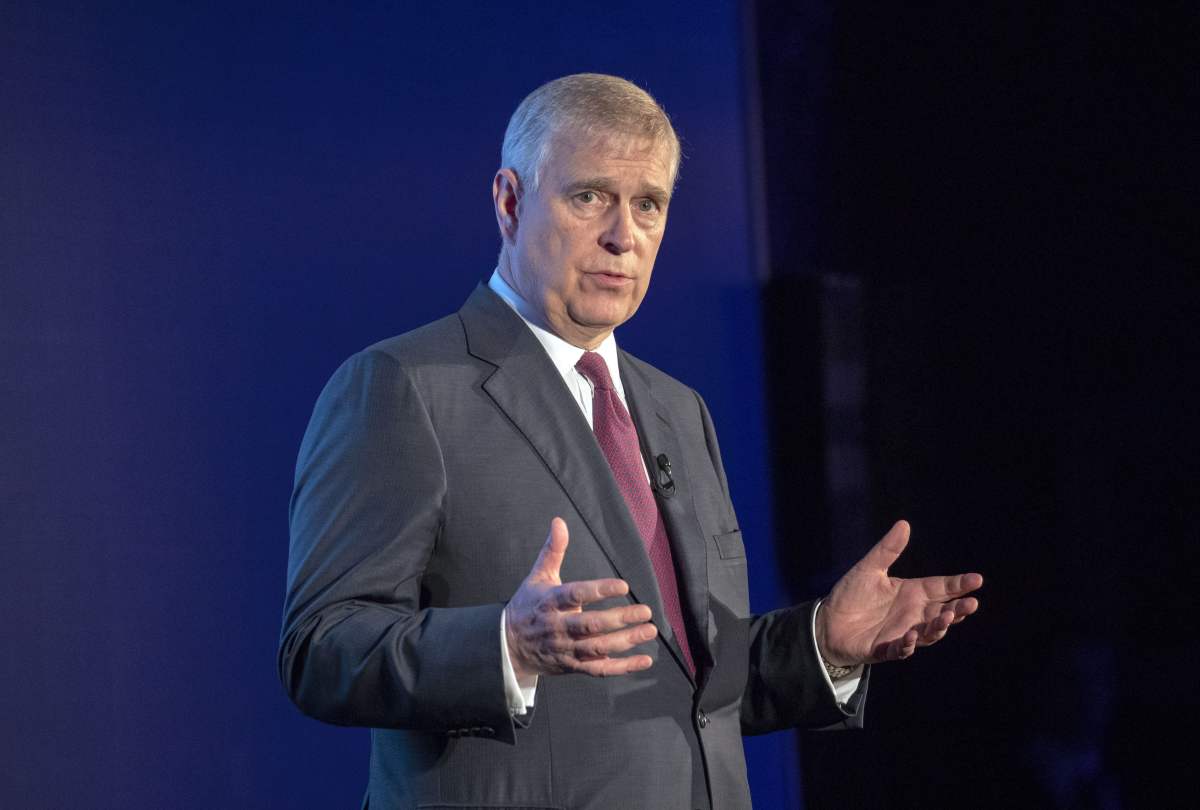
Royal biographer Andrew Lownie, writing on his Substack, says that the decision is not bureaucratic caution but institutional avoidance. “Given the research and evidence that I, and others, have put forward suggesting that he was guilty of impropriety at the very least, this level of secrecy is shameful,” Lownie wrote. A substantial portion of his book Entitled: The Rise and The Fall of The Yorks focuses on what he describes as the 'extensive financial murkiness' surrounding that period of Mountbatten-Windsor’s public role.
The sense of deliberate obstruction deepened after the Cabinet Office moved to censor files relating to royal travel in 2004 and 2005. The timing raised questions, particularly as the documents were reportedly closed at the last minute. Before they disappeared from public access, researchers learned that discussions had taken place about allocating Mountbatten-Windsor an additional $1.2 million for foreign trips.

“If we aren’t even allowed a glimpse into the likely astronomical costs of Mountbatten-Windsor’s travel on behalf of the UK government twenty years ago, then one can only imagine what other pertinent information will remain hidden,” Lownie stressed. For critics, the refusal to disclose even basic spending details reinforces suspicions that public interest is being subordinated to reputational protection.
Lownie says his frustration stems from repeated encounters with what he describes as the British state’s 'addiction to secrecy.' In one case, he claims he was forced to spend more than $5.3 million of his own money to secure the release of the Mountbatten diaries — even though they had been purchased with public funds and were meant to be accessible for research. “I’ve seen evidence that archives have been planted with fake documents,” Lownie wrote, adding that many historians have also complained of records being abruptly reclosed without explanation. While researching Traitor King, he says, it was American archives — not British ones — that proved essential, as UK institutions were unwilling to cooperate.
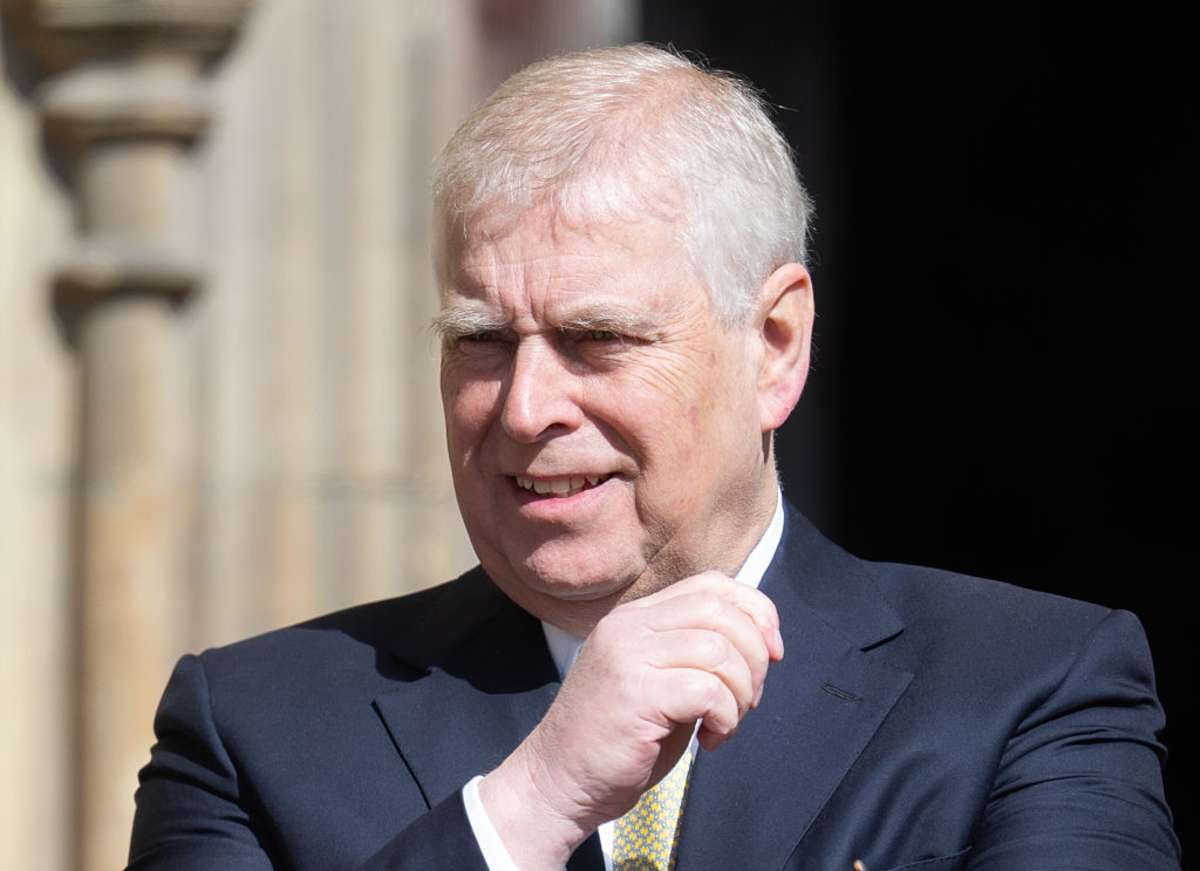
Supporters of the institution often argue that releasing sensitive material would damage the monarchy or the government. Lownie rejects that logic outright. Even if one were willing to accept what he calls a “profound moral abrogation,” he argues that the strategy is already failing. The damage, he says, is not hypothetical; it is ongoing. The steady emergence of corroborated details and new revelations about Mountbatten-Windsor has produced what Lownie describes as a 'drip-drip' effect. Each partial disclosure reignites public anger and speculation, while the absence of full transparency ensures that questions remain unresolved. Rather than containing the issue, secrecy prolongs it.
“Transparency delayed for decades is transparency denied,” Lownie wrote. Sealing records until most of the individuals involved are dead and beyond accountability, he argues, undermines public trust rather than preserving it. If there is nothing to hide, he asks, there is no credible justification for withholding the files for another forty years. In Lownie’s view, the Cabinet Office’s handling of Andrew’s records is not an isolated decision but part of a wider pattern.